
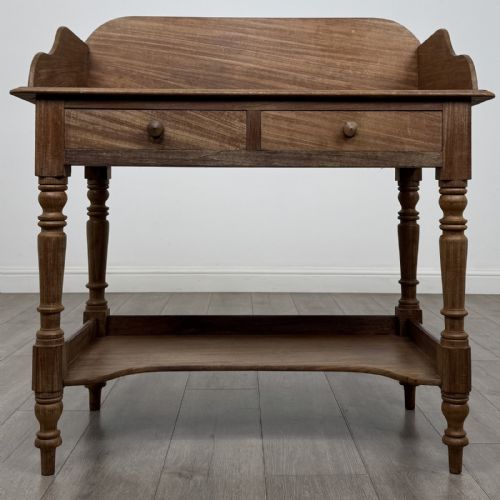
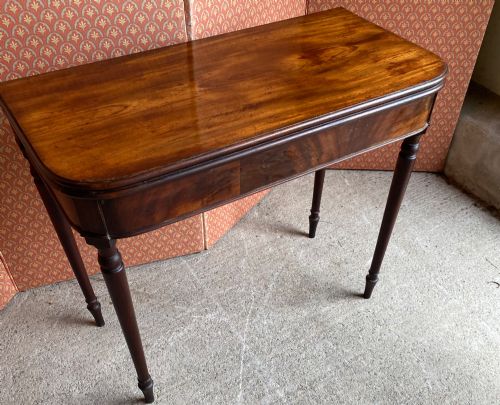
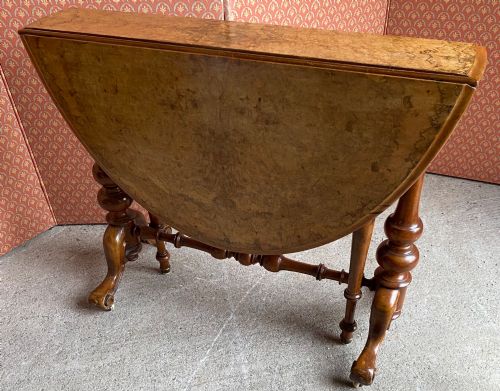
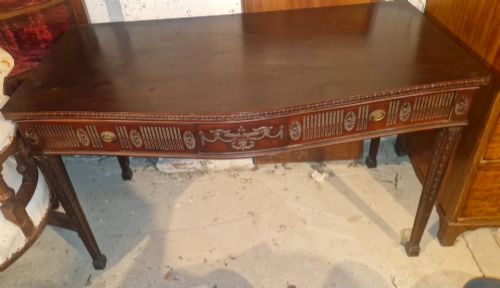
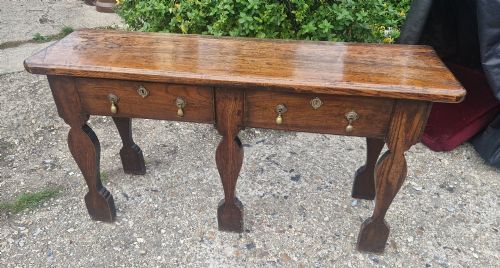
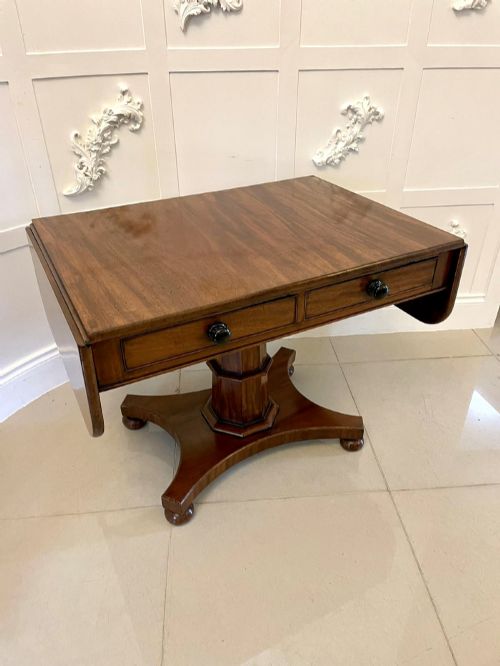
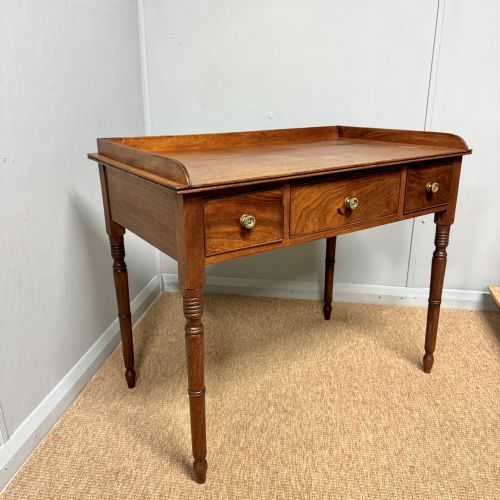
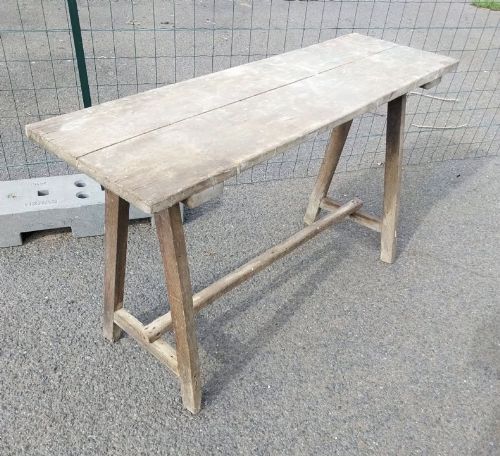
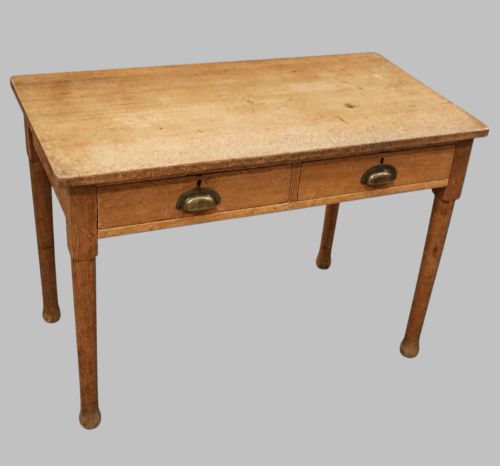
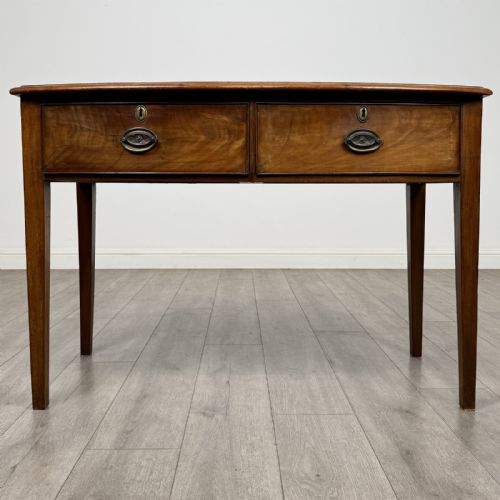
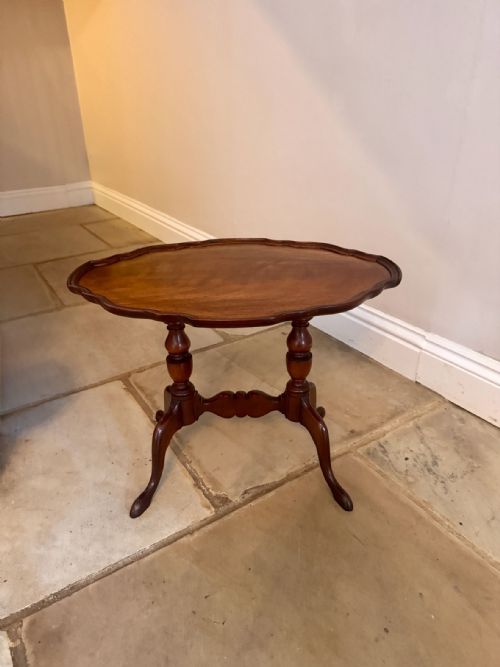
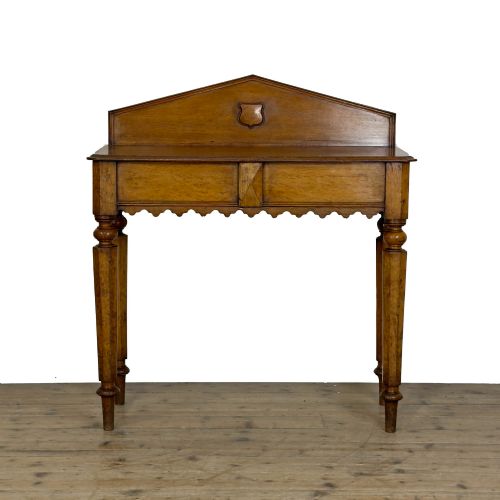
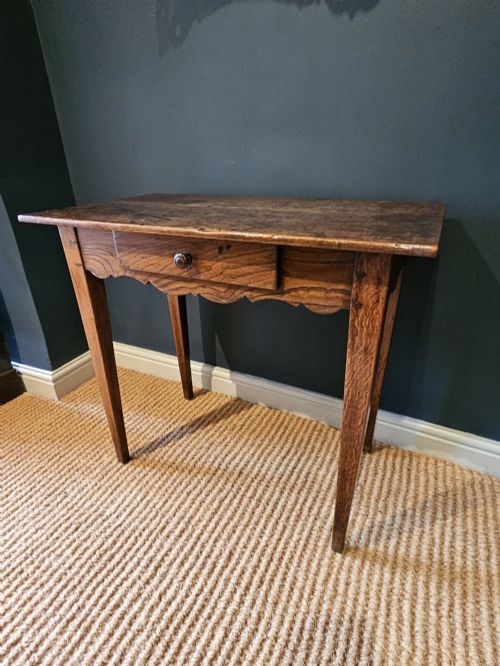
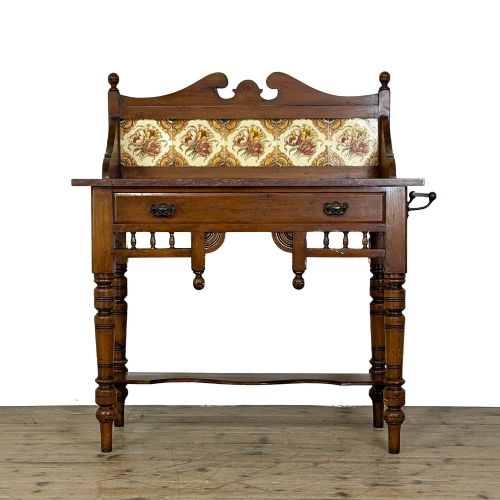
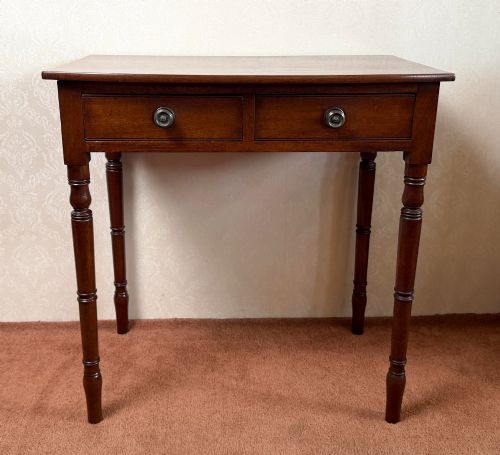
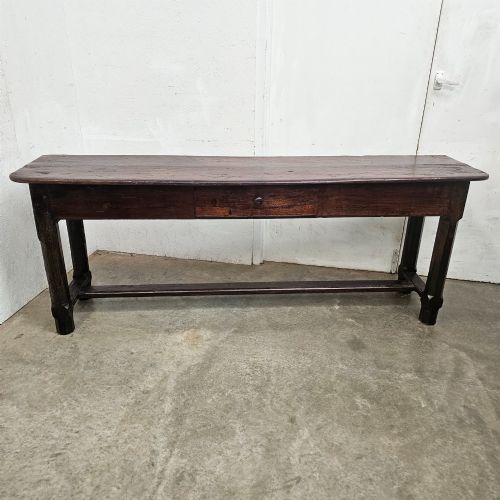
Wooden Console Side Table
A wooden console side table brings centuries of practical craftsmanship and rich timber into a hallway or living space.
Wooden Console Side Table
A wooden console side table encompasses forms designed to sit against a wall or serve narrow spaces, drawing from Georgian, Victorian, and Edwardian periods. Buyers investigating this phrase encounter side tables, serving tables, and occasional tables shaped by domestic utility.
The material palette spans traditional hardwoods and softer timbers, featuring mahogany, oak, walnut, pine, and elm alongside fruit wood and satin birch. These pieces reflect regional cabinet-making traditions from simple rustic farmhouse designs to formal Georgian proportions.
Makers utilised diverse construction formats, producing items ranging from twin drawer writing tables and console desks to demilune shapes and pitch pine servers. Each piece offers a specific functional surface tailored to historical domestic requirements.
Materials and construction methods
Cabinet makers built these tables using solid hardwoods like mahogany, walnut, and oak, often enhancing surfaces with flame mahogany veneers or marquetry detailing. Softer timbers such as pine and pitch pine served for utilitarian servers, washstands, and painted country pieces.
Joinery techniques relied on traditional timber framing, sometimes augmented by brass fittings and applied carvings as seen on Victorian mirror back console tables. Painted finishes, scumble effects, and natural polishing protected the wood while highlighting the grain of elm, yew, and fruit wood.
Listings span the 18th century through the Edwardian period, incorporating pine, mahogany, walnut, and oak.
Assessing quality in antique tables
Quality rests upon the choice of timber and the sophistication of the cabinet work, distinguishing simple pine washstands from exhibition quality carved mahogany pieces. Superior examples display carefully selected figured mahogany, burr walnut, or marquetry work.
Proportion and structural integrity separate standard utility furniture from finer items produced during the Georgian and Victorian eras. The crispness of carved details, the treatment of drawer linings, and the preservation of original painted surfaces dictate the standing of an individual table.
The Wooden Console Side Table Glossary
- Lowboy
- A small kneehole dressing table or side table on relatively long legs, typically originating in the Georgian period.
- Console table
- A table designed to be fixed against a wall, often supported by brackets or legs, functioning as a decorative surface.
- Sutherland table
- A narrow drop-leaf table where the leaves fold down almost vertically, popular during the Victorian era.
- Demilune
- A half-moon shape utilised for console tables and side pieces designed to sit flush against a wall.
- Marquetry
- The art and craft of applying pieces of veneer to a structure to form decorative patterns and pictures.
Wooden Console Side Table: Frequently Asked Questions
How were wooden console side tables used originally?
These tables served various domestic functions in hallways, dining rooms, and parlours, acting as surfaces for serving food, holding lamps, or writing letters.
Larger versions functioned as serving tables or writing desks, while smaller formats held wash basins or occasional items in private chambers.
What woods are common in these tables?
Cabinet makers predominantly utilised mahogany, oak, walnut, and pine, occasionally incorporating elm, yew, fruit wood, and satin birch.
Figured veneers and burr walnut appeared on more decorative examples, whereas pitch pine and standard pine formed the basis for country pieces.
How do I identify a Georgian table?
Georgian tables typically exhibit restrained classical proportions, solid timber construction in oak or mahogany, and understated drawer arrangements.
Details such as straight or cabriole legs without excessive ornamentation point toward this earlier eighteenth-century craftsmanship.
Where should I place a side table?
These narrow tables suit hallways, entryways, and narrow passages where floor space is limited yet a surface is required.
Living rooms also accommodate them well against empty wall spaces beneath mirrors or artwork.