




Wooden Console and Mirror
These wooden console and mirror combinations bring together functional surfaces and reflective glass in hall stands, console tables, and washstands.
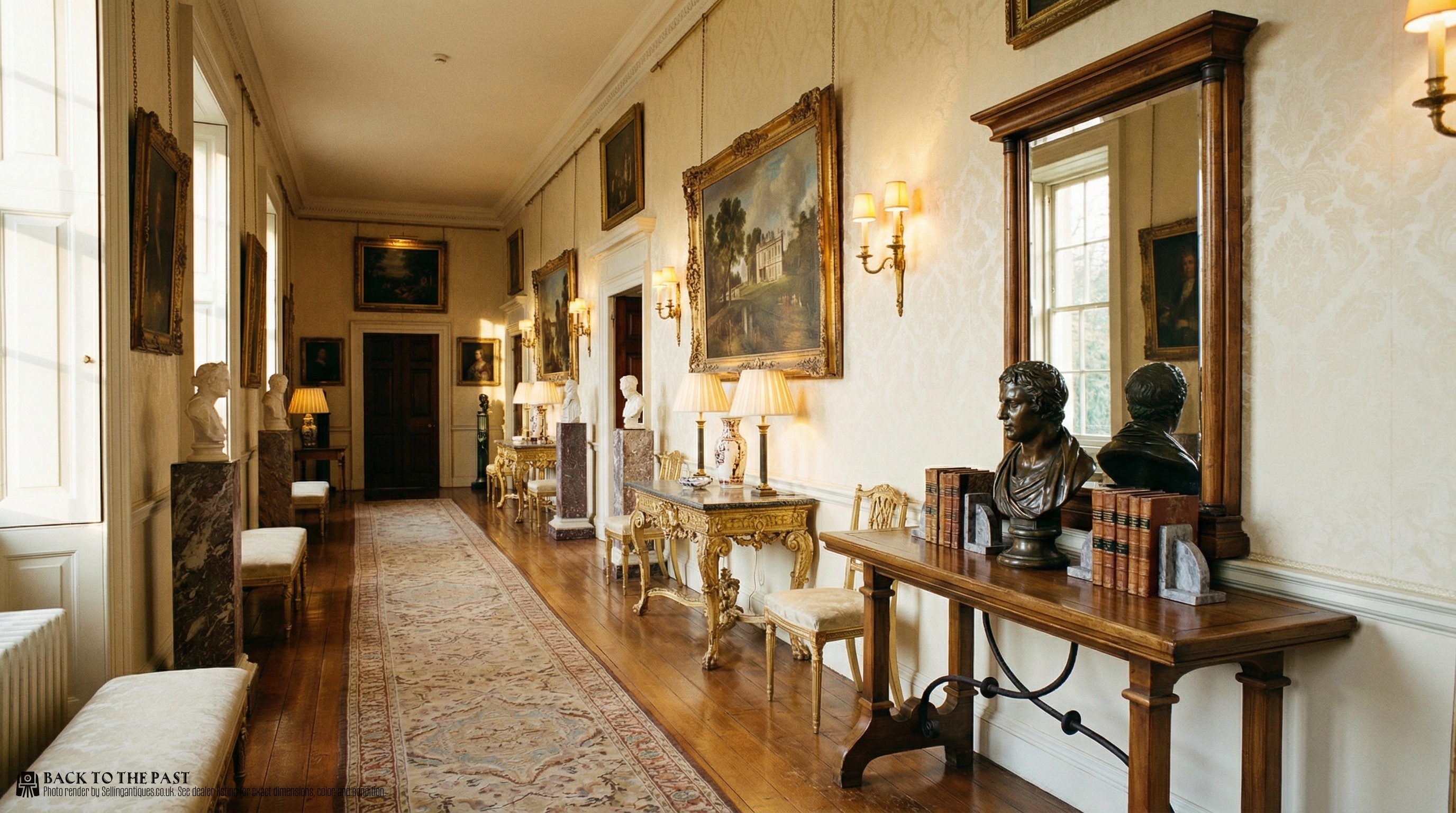
Wooden Console and Mirror
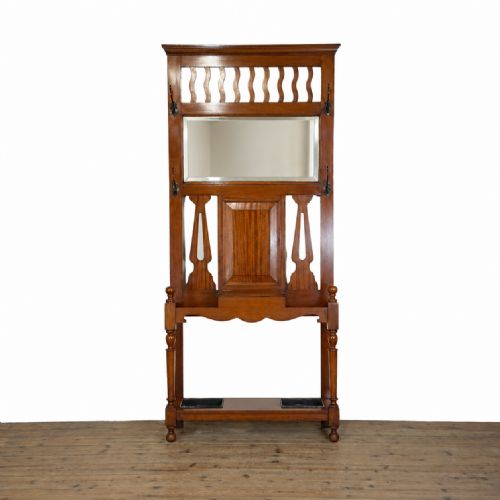
A wooden console and mirror pairs a sturdy table, hall stand, or washstand with a matching looking glass, designed primarily for entrance halls and reception rooms. These pieces serve practical daily needs while adding architectural presence to interior spaces through integrated wall hanging and floor standing formats.
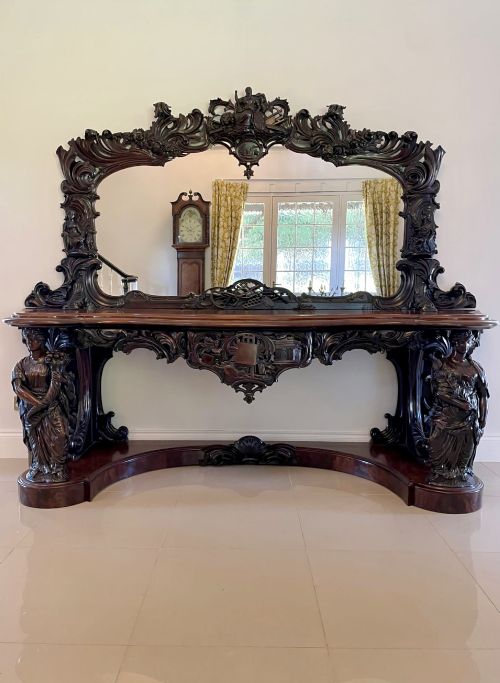
The selections encountered here span the Victorian, Edwardian, and 1920s periods, incorporating styles such as Arts and Crafts, Victorian Rococo Revival, and French Louis Philippe. Pieces range from large exhibition quality carved mahogany mirror back console tables down to simpler oak wall hanging cloakroom mirrors with shelves.
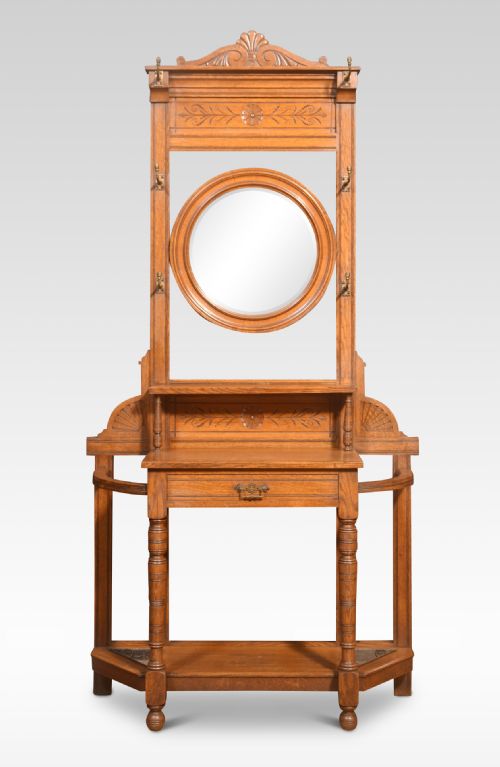
Visitors frequently encounter hall stands featuring integrated mirrors alongside console tables and washstands adapted for hallways. The variety extends across compact cloakroom fittings and substantial furniture pieces designed for grand nineteenth century interiors.
Materials and construction methods
Makers utilised solid and veneered timbers including oak, walnut, flame mahogany, and general wood alongside inset glass panels and marble tops. These materials provided the structural strength required for heavy mirror frames and supporting table bases.
Surface ornamentation relied on traditional hand carving, particularly evident in Victorian Rococo Revival and French influenced designs. Additional detailing includes ceramic tiles, brass hardware, and metal fixtures integrated into hall stands and washstands.
Wooden Console and Mirror Retail Price Guide 2026
Typical asking prices for wooden console and mirror among the pieces listed under this phrase on Sellingantiques today, from the lower quarter to the upper quarter. They describe what is for sale here now, not the wider market.
One exceptional hall stand proudly incorporates Minton tiles illustrating the days of the week, ensuring your coat hooks carry a strict chronological schedule.
Distinctions in craftsmanship and design
Superior examples display deep, crisp hand carving and select timber grains such as flame mahogany or figured walnut. The integration between the console base and the upper mirror structure demonstrates the primary level of joinery skill.
Subtle differences appear in secondary materials, such as the inclusion of inset marble tops and specialised ceramic tiles rather than plain timber surfaces. The presence of documented maker details or exhibition grade execution elevates certain pieces above standard domestic furniture.
Ellen E. Houghton of Minton
The Wooden Console and Mirror Glossary
- Console table
- A table designed to stand against a wall, frequently supported by brackets or legs at the front. These tables often anchor matching wall mirrors or form the base of integrated mirror back furniture.
- Hall stand
- A piece of hallway furniture combining a mirror, coat hooks, glove boxes, and umbrella stands. They organise outerwear and accessories near an entrance.
- Overmantel mirror
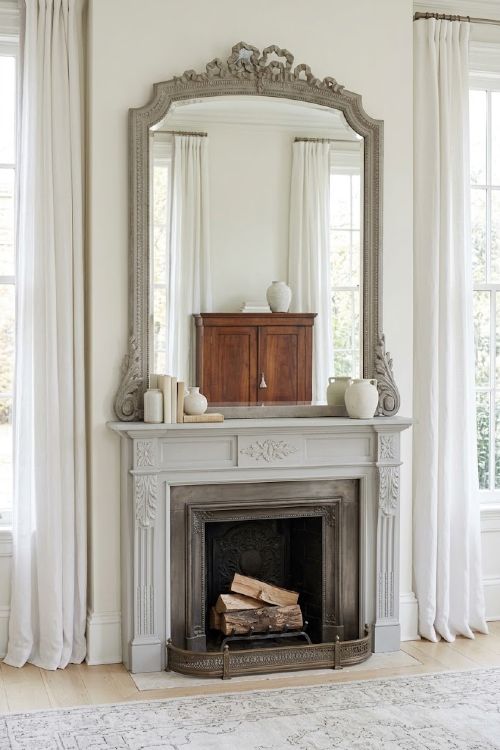
- A large looking glass specifically proportioned to hang above a fireplace mantelpiece. They reflect light and complete the architectural arrangement of a room.
- Flame mahogany
- A distinctively figured wood veneer showing flickering, flame like patterns derived from the branch junctions of the tree. Cabinetmakers prized this timber for high status nineteenth century furniture fronts.
- Washstand
- A piece of bedroom or dressing furniture featuring a flat top, often in marble, designed to hold washing basins and pitchers. Many incorporate splashbacks and mirrors.
Wooden Console and Mirror: Frequently Asked Questions
What rooms suit a wooden console and mirror?
These combinations function best in entrance halls, hallways, and reception rooms where guests arrive. They provide immediate surface space and mirror access.
Smaller variants also suit cloakrooms and bathrooms, whilst washstands adapt well to bedrooms.
How do I identify Victorian pieces?
Victorian examples often feature heavier timbers like mahogany and walnut, accompanied by deep hand carving and Rococo Revival styling. Mirror frames tend to be substantial and richly moulded.
Later Victorian pieces also introduce hall stands with integrated ceramic tiles and metal coat hooks.
What is an Arts and Crafts console?
Arts and Crafts pieces emphasise plain, honest construction using golden oak with minimal applied ornament. They celebrate natural wood grains and straightforward joinery.
These designs reject heavy Victorian revival carving in favour of simpler domestic utility.
How were hall stands used?
Hall stands served as the central storage hub for nineteenth century hallways, holding outdoor coats, hats, and umbrellas. The integrated mirror allowed people to check their appearance before leaving the house.
Small drawers or compartments stored gloves, keys, and calling cards.