

Wooden Bureau Desk
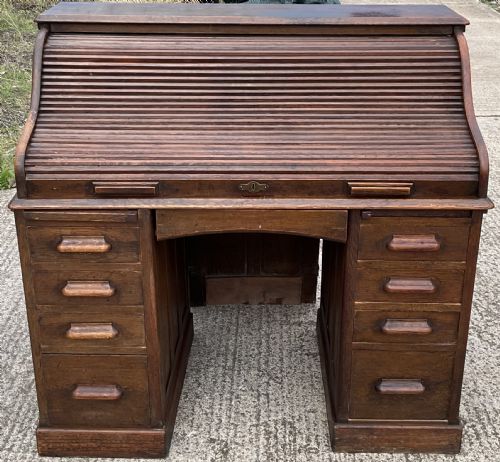
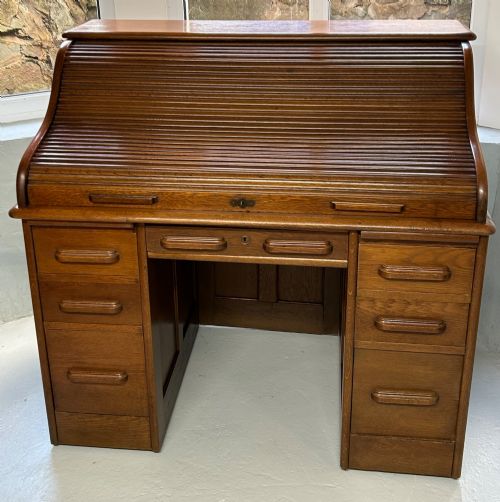
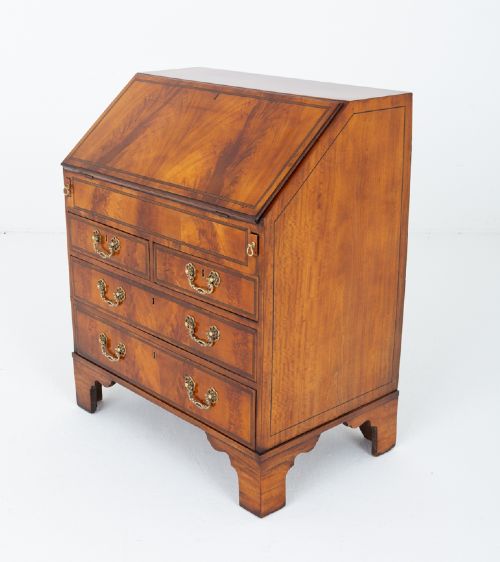
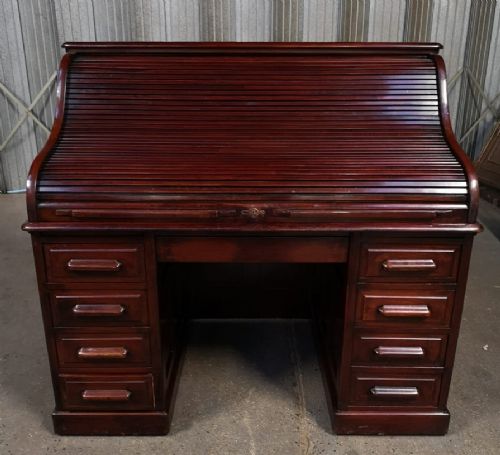
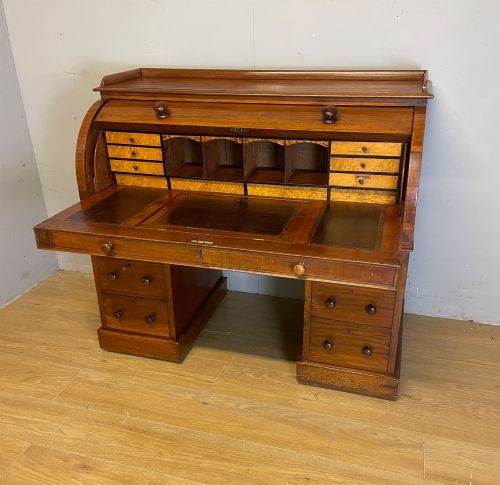
A wooden bureau desk brings together practical workspace and concealed storage, offering a traditional fall-front or cylinder lid that folds down to reveal fitted pigeon holes.
Wooden Bureau Desk
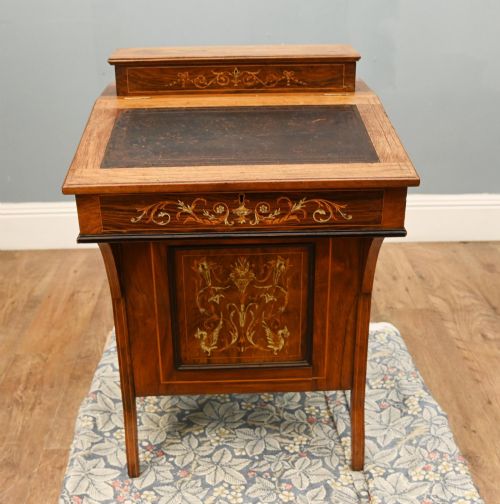
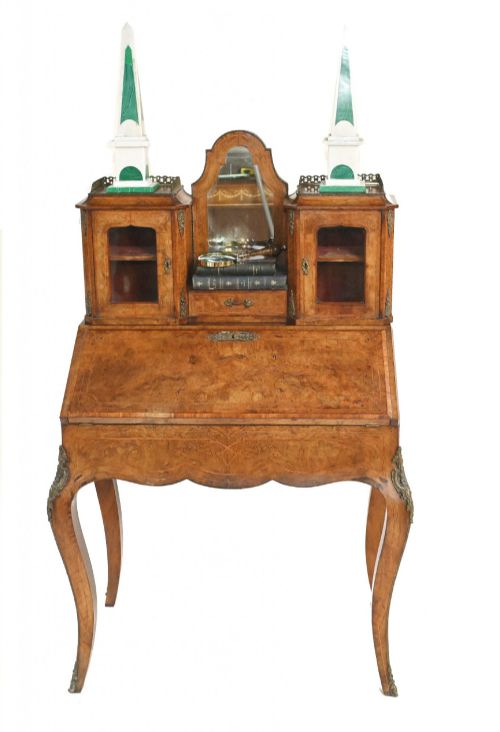
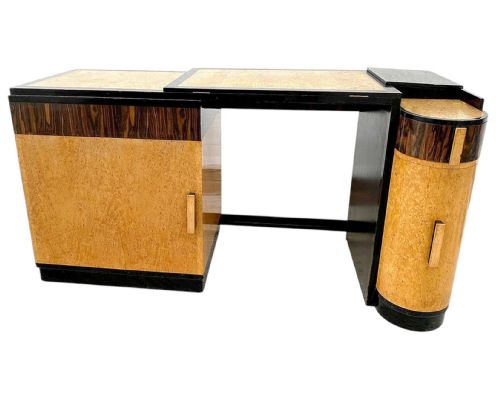
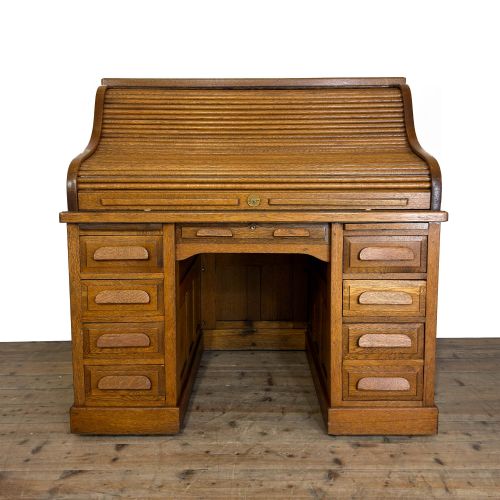
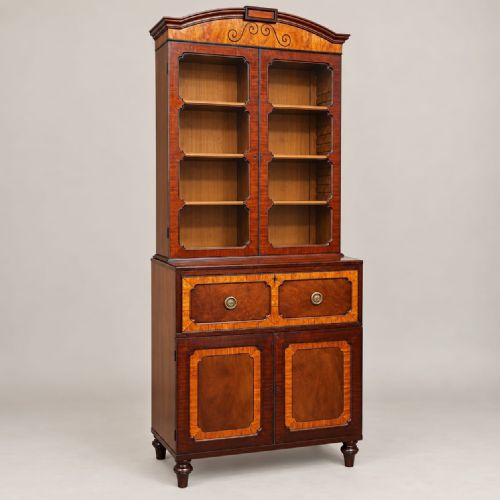
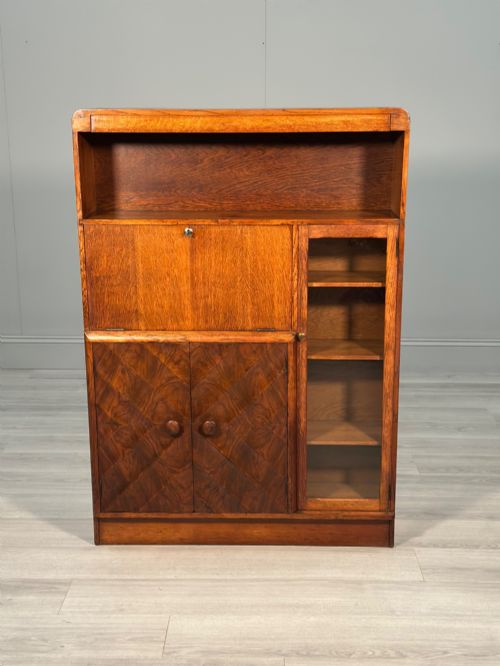
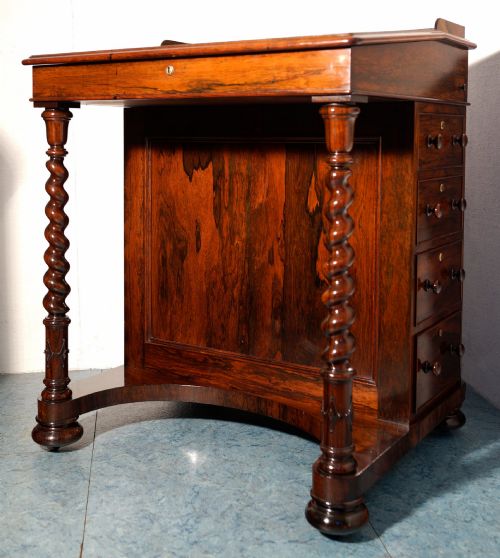
A wooden bureau desk combines a sloped writing flap with internal drawers and pigeon holes, sitting above a set of lower drawers or standing on legs. These items emerge across multiple eras, including Georgian, Victorian, Edwardian, and Art Deco periods, spanning oak, mahogany, and walnut timbers.
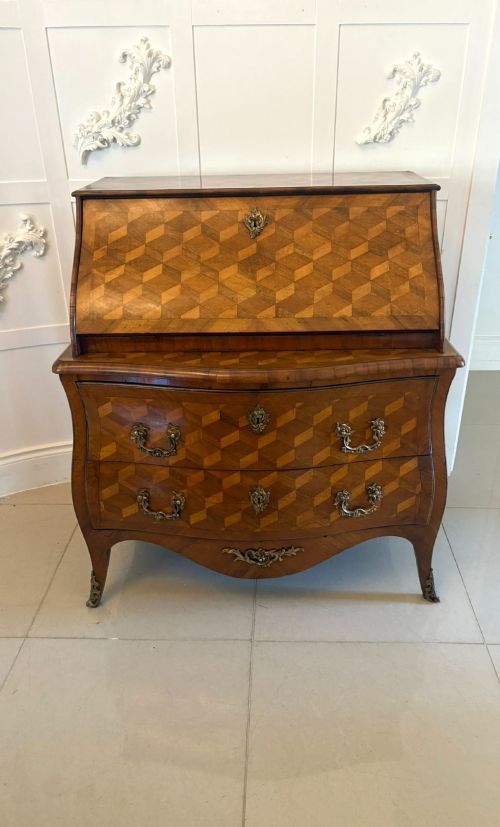
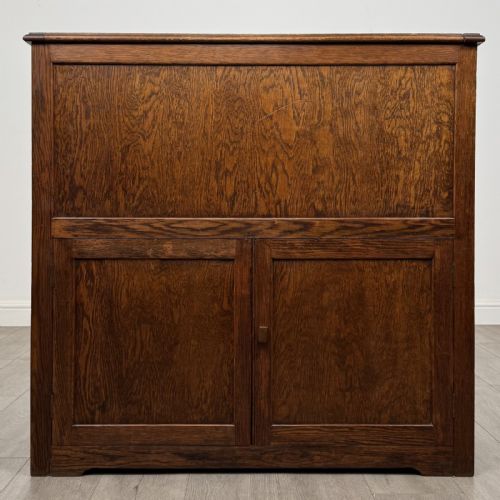
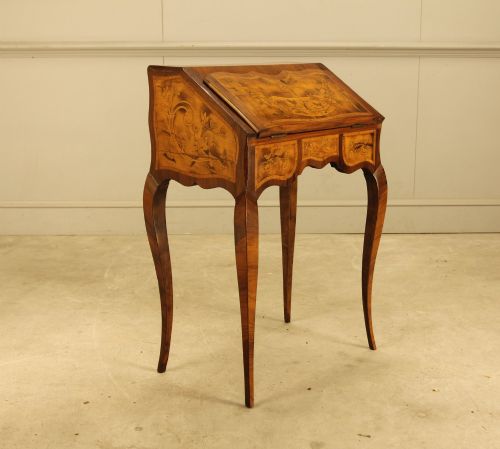
Other variations present in the collection incorporate French marquetry, parquetry, and inlaid satinwood or burr walnut surfaces. Some pieces adopt specific regional or stylistic traits, such as Arts and Crafts oak construction or 1930s Art Deco skyscraper designs.
How they were made
Cabinet makers utilised solid timbers like oak, mahogany, and walnut for the primary structure, often applying decorative veneers such as burr walnut, flame mahogany, and satinwood to drawer fronts and writing flaps. Brass hardware, including drop handles and key escutcheons, provides functional and decorative accents.
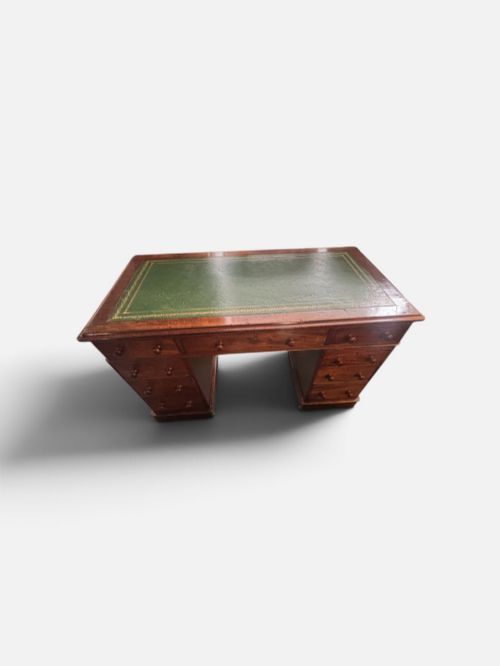
Writing surfaces frequently integrate inset leather panels tooled with gold leaf borders. Marquetry and parquetry techniques introduce contrasting wood veneers in floral or geometric patterns across the exterior surfaces of continental and English pieces.
Wooden Bureau Desk Retail Price Guide 2026
Typical asking prices for wooden bureau desk among the pieces listed under this phrase on Sellingantiques today, from the lower quarter to the upper quarter. They describe what is for sale here now, not the wider market.
Periods represented span from the 17th century through Georgian, Victorian, Edwardian, and Art Deco eras.
What varies in quality
The standard of a wooden bureau desk rests upon the selection of timber veneers and the precision of the interior joinery. Finely figured flame mahogany or burr walnut matched symmetrically across a fall front indicates superior material selection.
Interior architecture distinguishes standard production from finer craftsmanship, seen in secret compartments, dovetailed drawer construction, and carefully shaped pigeon holes. Well-executed marquetry and inlaid parquetry demand high levels of artisanal skill, elevating the piece.
E Gomme·Heals of London·James Mein of Kelso·Arthur Basil Reynolds·Bryn Mawr Welsh Oak
The Wooden Bureau Desk Glossary
- Fall front
- A hinged writing flap that pulls down to form a horizontal desk surface. This panel conceals internal compartments when closed.
- Pigeon hole
- A small, open compartment inside a desk used for sorting letters and papers. These sit above the main writing surface.
- Secretaire
- A piece of furniture containing a built-in writing drawer or drop-front desk compartment. This term often applies to bookcases and chests fitted with writing slides.
- Parquetry
- A geometric mosaic of wood pieces used for decorative floors and furniture surfaces. Artisans arrange contrasting veneers in patterns like cubes or chevrons.
- Tambour
- A flexible sliding shutter formed from narrow strips of wood glued to canvas. This mechanism rolls along a track to cover the desk top.
Wooden Bureau Desk: Frequently Asked Questions
How do I use a bureau desk?
Lower the hinged writing flap to create a stable wooden platform for writing or placing a laptop. Internal pigeon holes and small drawers help keep correspondence and stationery organised.
Close the fall front when finished to conceal papers and maintain a tidy room. The locking mechanism secures confidential items behind the closed lid.
How do I date a wooden bureau?
Examine the construction methods of the internal drawers, paying attention to dovetail joints and timber selection. Hand-cut dovetails generally point to earlier Georgian or Victorian periods, while machine-produced elements suggest later manufacturing.
Style indicators such as bracket feet, cabriole legs, or Art Deco geometric veneers provide clues to the era of origin. Maker stamps or paper labels inside the drawers offer definitive confirmation of origin.
Where should I place my desk?
Position the desk near natural daylight sources, ensuring light falls across your non-writing side to reduce shadows. Leave enough clearance behind the piece for the fall front to open fully without obstruction.
Keep wooden furniture away from direct heat sources and strong sunlight to prevent the timber and leather writing surfaces from drying out.