

Wood Framed Watercolour Art
Wood framed watercolour art brings together delicate pigment on paper and period joinery, offering collectors intimate glimpses of past landscapes, portraits, and maritime scenes.
Wood Framed Watercolour Art
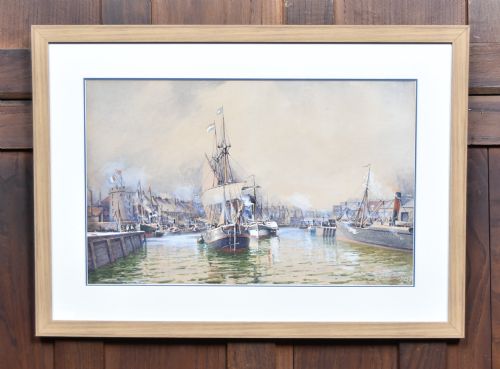
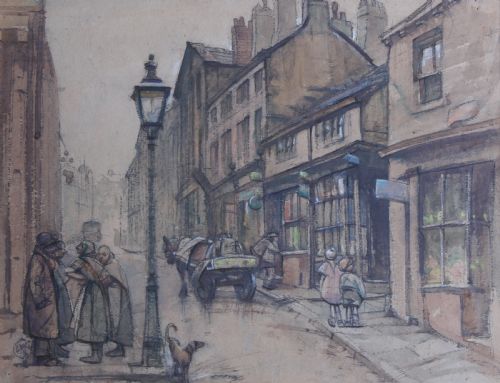
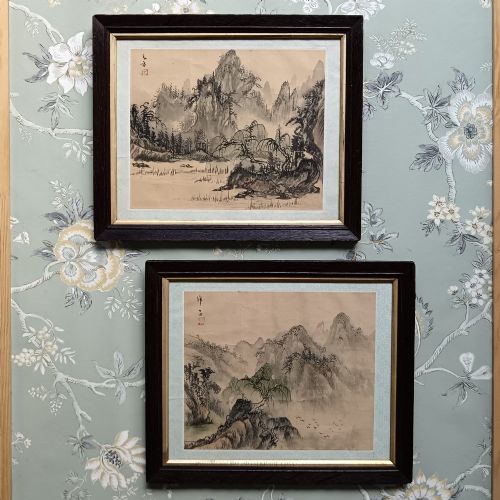
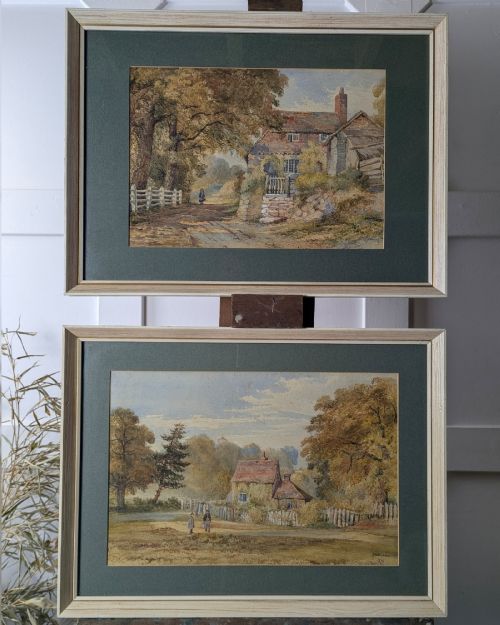
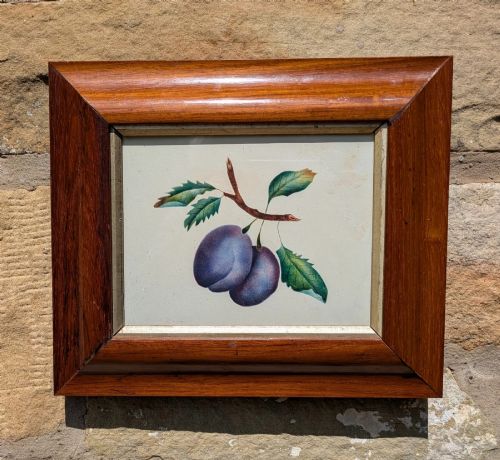
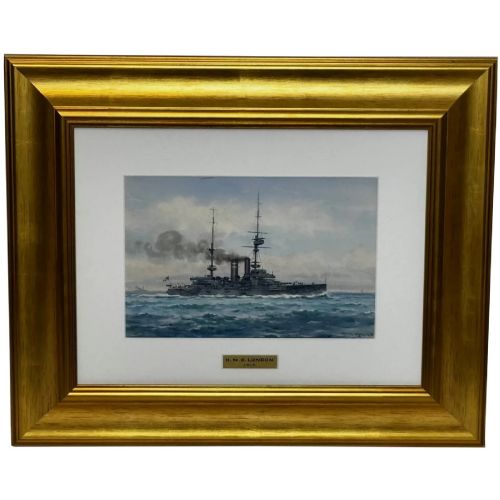
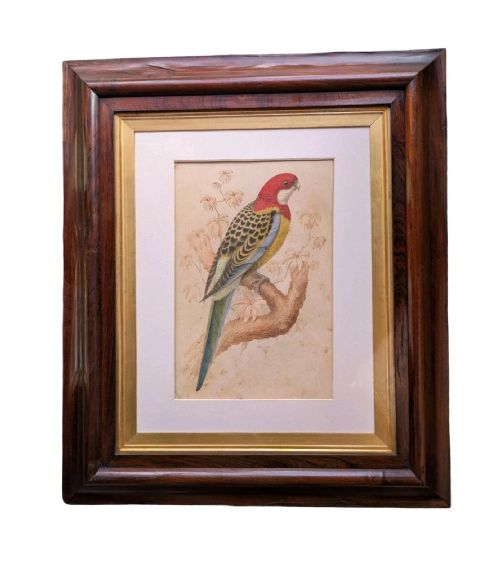
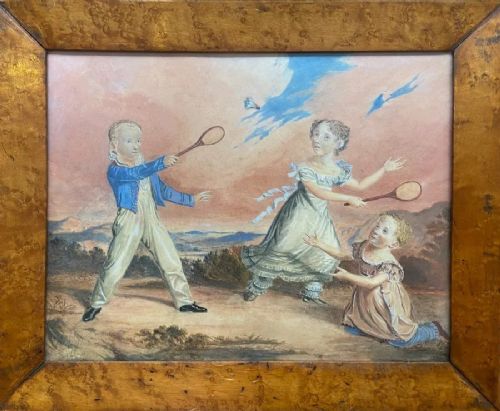
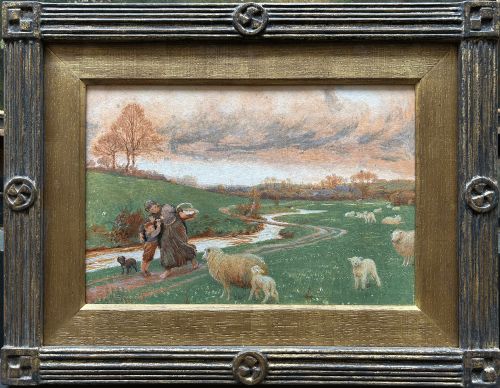
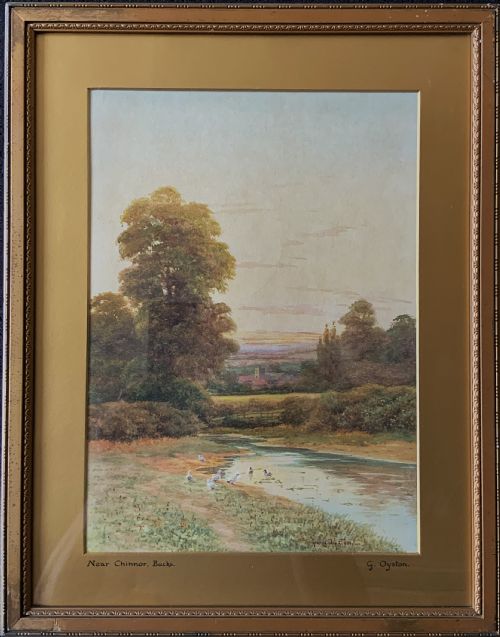
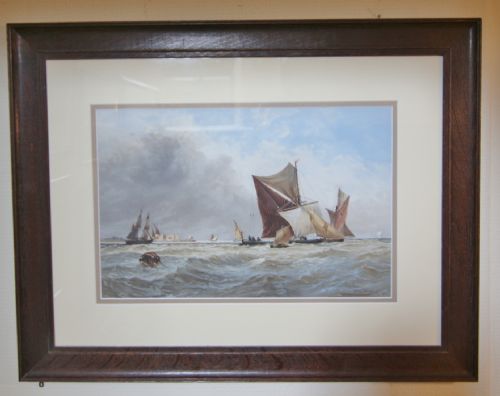
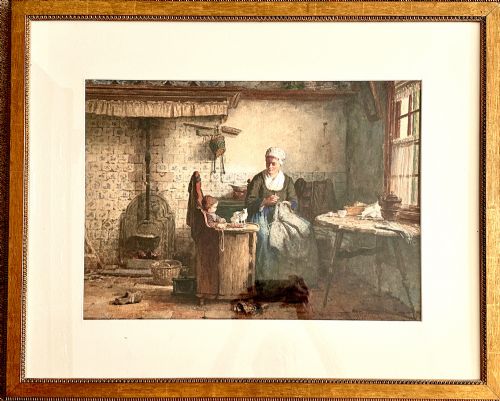
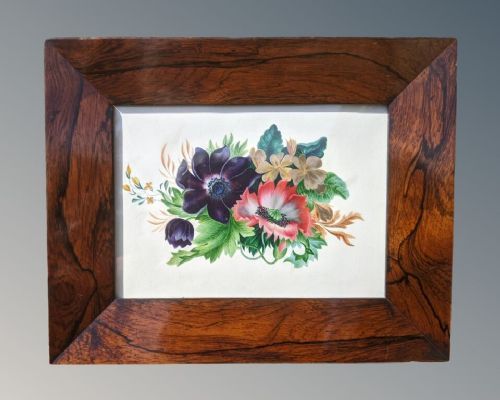
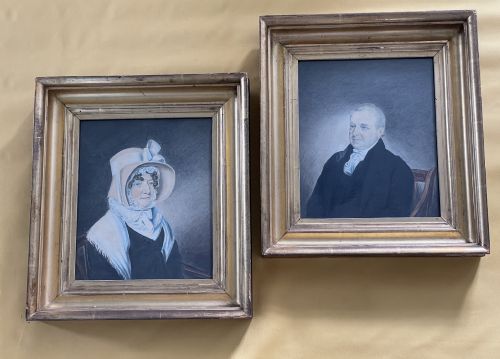
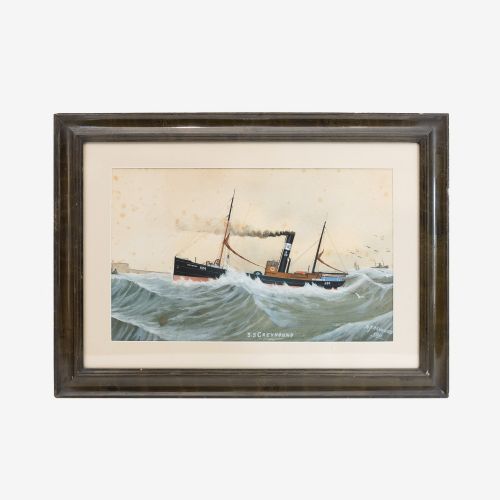
When you search for wood framed watercolour art, you encounter a diverse selection of paintings spanning the Georgian, Victorian, and Edwardian eras up to the mid-twentieth century. The selection includes botanical studies, maritime views of ships and coastal towns, figurative portraits, and pastoral landscapes.
You are most likely to meet nineteenth-century botanical pieces and maritime watercolours housed in timber mouldings such as rosewood or giltwood. These works range from intimate miniature portraits to larger framed seascapes and architectural scenes.
The objects combine hand-painted paper works with period wooden surrounds, often preserved beneath protective glass. Their forms stretch across traditional landscape paintings, folk art portraits, and detailed depictions of flora and fauna.
How they were made
Makers applied water-soluble pigments, often combined with bodycolour or gouache and ink, directly onto paper sheets. These materials allowed artists to build translucent washes of colour alongside precise linear details.
Framers housed the finished paintings within wooden surrounds, utilising materials like rosewood, gold leaf, and traditional giltwood mouldings. Glazing with glass protected the delicate paper surfaces from dust and atmospheric moisture over the decades.
Listings feature paper, glass, and wood across Victorian and Edwardian periods, alongside Georgian and mid-century items.
What varies in quality
The distinction between standard works and exceptional pieces lies in the skill of the brushwork and the precision of the composition. Masterful handling of light, shade, and pigment transparency elevates a landscape or portrait significantly.
The integrity and originality of the surrounding woodwork also influence the character of the piece. Period frames that retain their original gilding or timber patination complement the artwork far better than later replacements.
Robert A. Nottingham·Frank Watson Wood·Hendrik Valkenberg·Gaston Cornil·James Tower·Alice Anne Renshaw·John Rattenbury Skeaping·George Arthur Fripp·Rowland Henry Hill
The Wood Framed Watercolour Art Glossary
- Watercolour
- A painting method where the paints are made of pigments suspended in a water-based solution. It relies on the white of the paper to provide luminosity through translucent washes.
- Giltwood
- Wood that has been treated with a thin layer of gold leaf or gold paint. It frequently appears on ornate nineteenth-century picture frames.
- Gouache
- An opaque water-based paint consisting of pigment and other inert materials mixed with water. Artists often combined it with watercolour to add solid highlights.
- Rosewood
- A dense, richly figured dark timber prized for cabinet making and fine picture frames. It yields a smooth, polished dark surface in Victorian framing.
- Botanical
- A genre of art depicting the form, colour, and details of plant species. These works often served scientific illustration as well as domestic decoration.
Wood Framed Watercolour Art: Frequently Asked Questions
How should I clean the glass?
Wipe the glass gently with a soft cloth slightly dampened with water or a mild glass cleaner. Avoid spraying liquid directly onto the frame, as moisture can seep beneath the moulding and damage the paper.
Keep the cloth away from the edges where the glass meets the timber to prevent any moisture from reaching the watercolour painting inside.
Can I hang these in sunlight?
Direct sunlight causes watercolour pigments to fade and paper to yellow over time. Position your framed artwork away from south-facing windows or harsh direct rays.
Using museum-grade UV-filtering glass provides an extra layer of protection if sunlight in the room cannot be entirely avoided.
Are original frames important?
Original wooden frames preserve the historical context and aesthetic harmony intended by the maker. A period rosewood or giltwood frame adds authenticity to the piece.
While frames can be replaced if damaged beyond repair, surviving period surrounds are generally preferred by collectors.
How do I identify the period?
Examine the framing techniques, backing boards, paper types, and the style of the signature or handwriting on the mount. Georgian and Victorian pieces often feature older joinery methods and handmade papers.
Comparing the subject matter and artist records helps narrow down the decade of creation.