

Gentleman Portrait Art
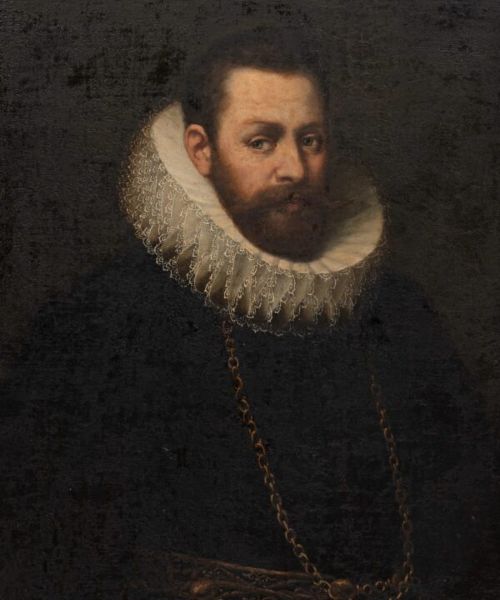
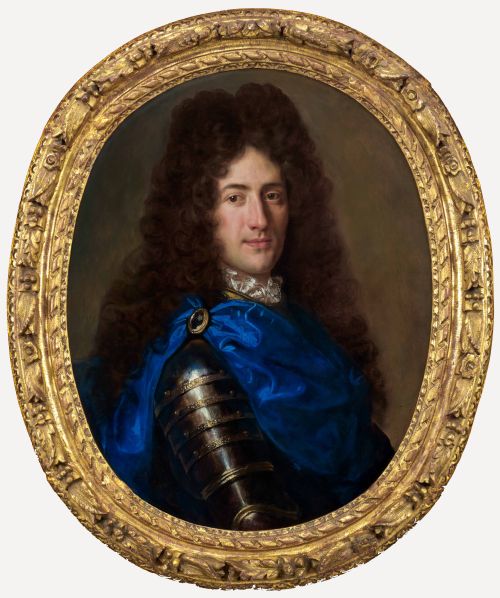
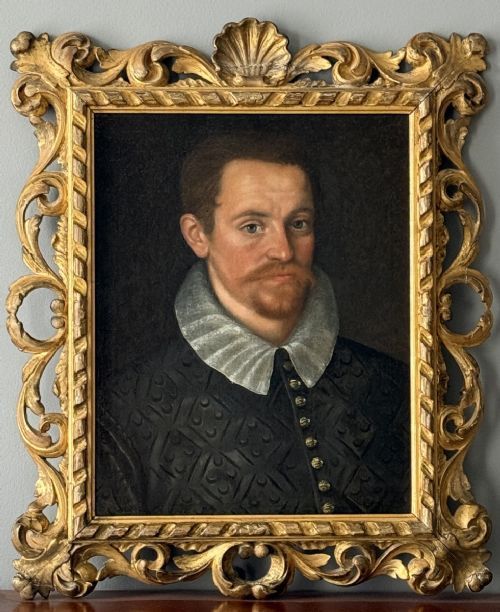
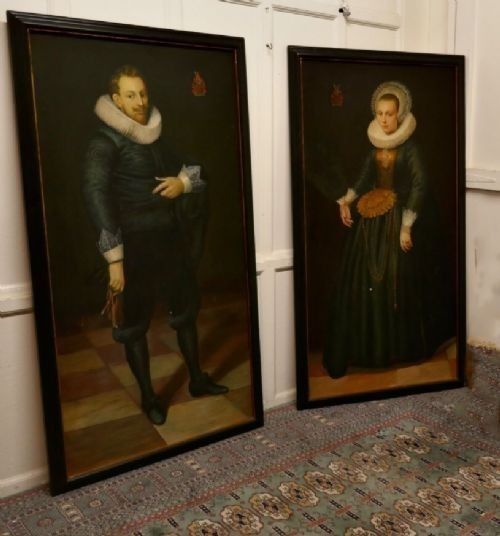
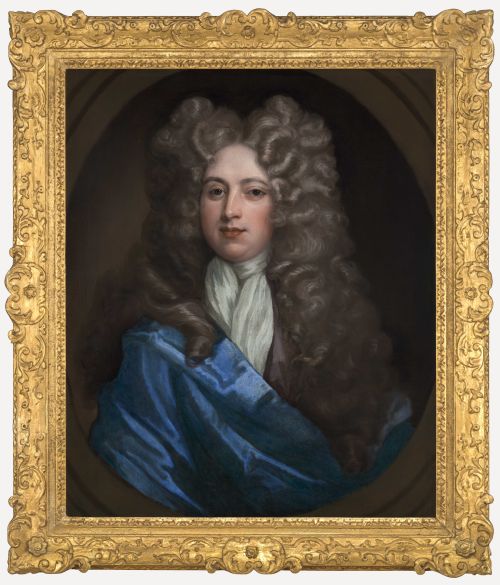
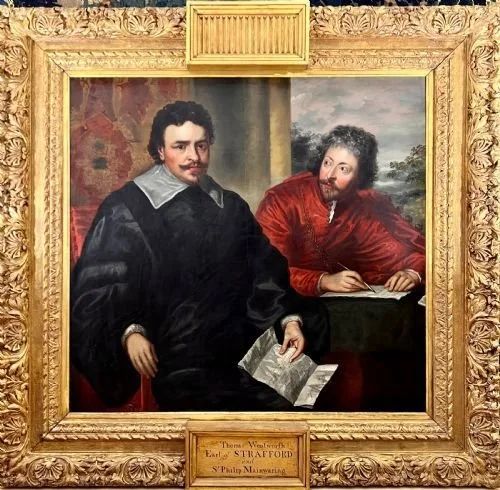
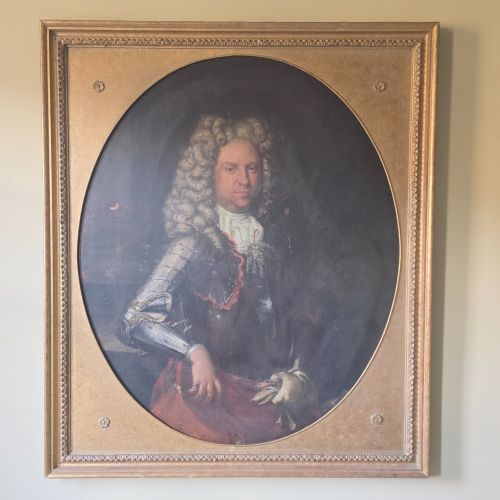
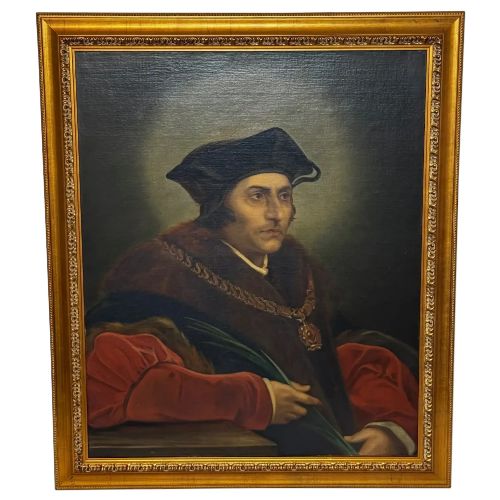
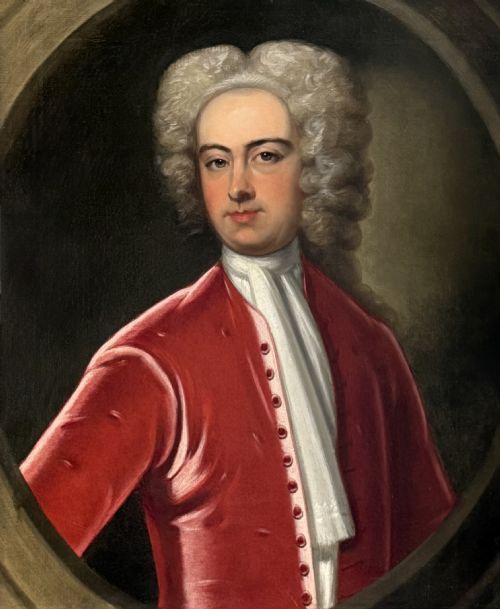
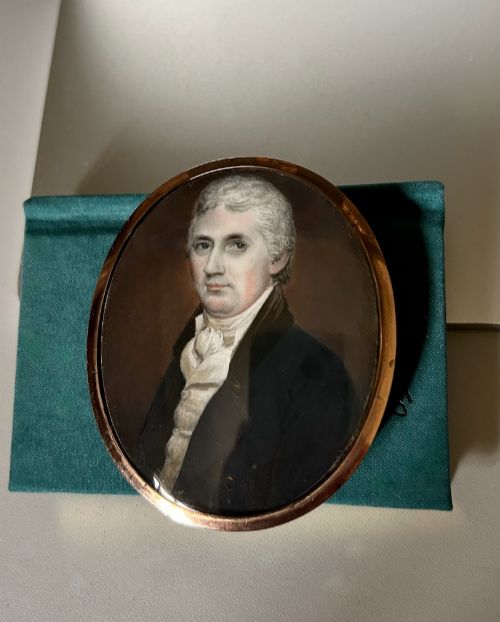
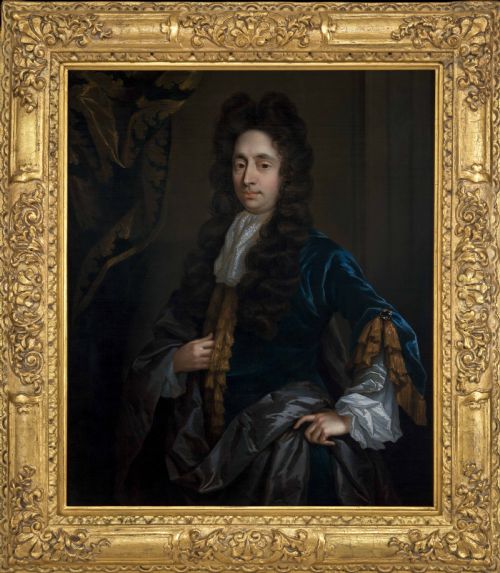
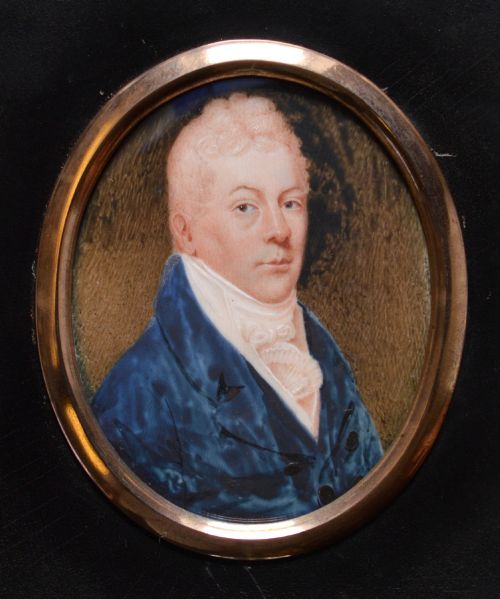
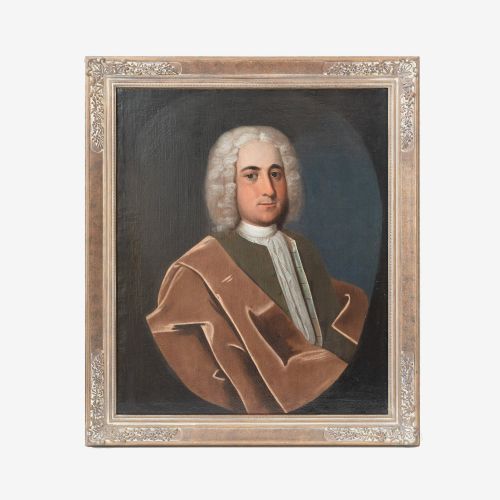
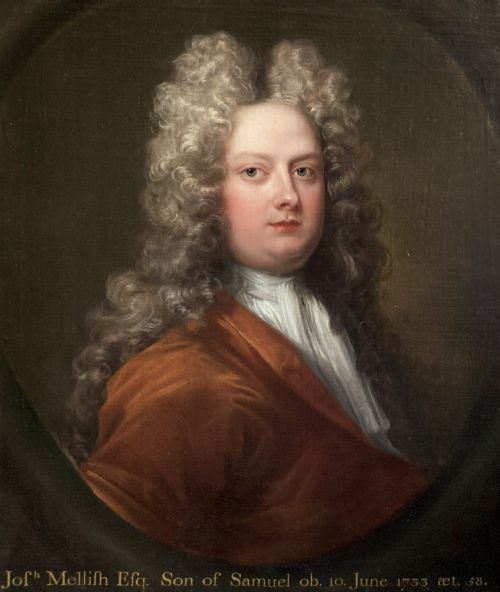
Gentleman portrait art records the likenesses of notable figures, military officers, and merchants across the centuries through oil paintings, watercolours, and delicate silhouettes.
Gentleman Portrait Art
Gentleman portrait art captures individual identity across the seventeenth, eighteenth, and nineteenth centuries, offering a direct window into historical attire, social standing, and portraiture traditions.
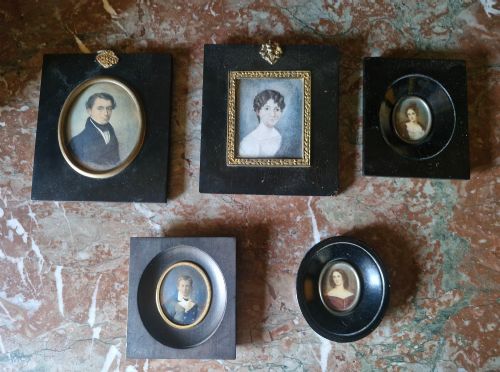
The selections available here range from grand oil paintings on canvas depicting military commanders and nobility to intimate silhouette miniatures cut from paper and mounted behind glass.
Examples stretch from the Baroque era through the Regency period and into twentieth-century realism, reflecting changing artistic tastes and techniques over three hundred years.
Materials and Construction
Oil on canvas and wood panel form the foundation of most traditional works, applied with oil paint alongside gold leaf accents in period frames.
Silhouettes utilise paper, card, and sometimes ivory or fine card, carefully hand-cut or painted in silhouette profile and often housed within giltwood surrounds.
Materials recorded in the inventory include oil paint, gold leaf, giltwood, paper, and glass across various framed formats.
Evaluating Quality and Execution
Quality rests in the precision of the brushwork, the psychological depth captured in the sitter's expression, and the anatomical accuracy of hands and clothing.
The preservation of the original canvas, the clarity of the underlying draughtsmanship, and the authenticity of the period frame contribute significantly to the standing of each piece.
Charles Jervas·Jean-Baptiste Van Loo·Sir Godfrey Kneller·Constantyn Netscher·Lemuel Francis Abbott·Mary Beale·Sir Joshua Reynolds·Thomas Murray·Charles Shirreff·John Scougall·Charles Jagger·Edouard Pingret·John Greenhill·John Closterman·Willem Wissing·Henry Walton·Tilly Kettle
The Gentleman Portrait Art Glossary
- Oil on Canvas
- Pigment mixed with drying oil applied to stretched fabric. This medium allows for rich colour blending and durability over centuries.
- Silhouette
- A solid shape of a person filled in uniformly with a dark colour, usually profile-cut from paper. These profiles became fashionable during the eighteenth and nineteenth centuries.
- Giltwood
- Wood carved and covered with thin gold leaf or gilt gesso. It provides an ornate border traditionally paired with formal portraits.
- Periwig
- A voluminous man's wig popular in seventeenth and early eighteenth-century fashion. Its presence helps date many early portraits.
- Portrait Miniature
- A small, highly detailed painting, often executed on card, vellum, or ivory. These personal items were frequently kept in private chambers or worn.
Gentleman Portrait Art: Frequently Asked Questions
How do I date an old portrait?
Dating relies heavily on the clothing styles, wigs, cravats, and facial hair visible in the composition. Comparing the technique to known artists of specific periods also clarifies the age.
Framing materials and stretcher construction offer additional physical clues regarding the century of production.
What is the difference between an oil and a silhouette?
Oil paintings utilise coloured pigments on canvas or wood to capture full colour, light, and shadow. They represent the high art of formal portraiture.
Silhouettes focus solely on profile outlines, created through ink or hand-cut paper, offering a more minimalist and intimate depiction.
Where should I hang a large oil portrait?
These works require sturdy wall anchors due to their substantial wooden frames and canvas weight. Position them away from direct sunlight and moisture to protect the oil paint.
Rooms with stable ambient temperatures help prevent the canvas from slackening or the wooden panel from warping over time.
Who are the sitters in these artworks?
Sitters include landed gentry, military officers, merchants, politicians, and nobility whose names are sometimes recorded on the canvas or historical records. Many pieces depict anonymous individuals whose attire marks their place in society.
Inscribed names allow researchers to trace lineages and historical contexts connected to the portraits.