
Georgian Portrait Watercolour Painting
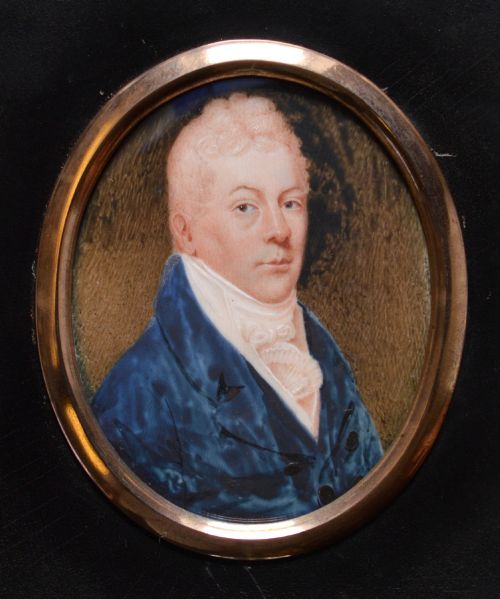
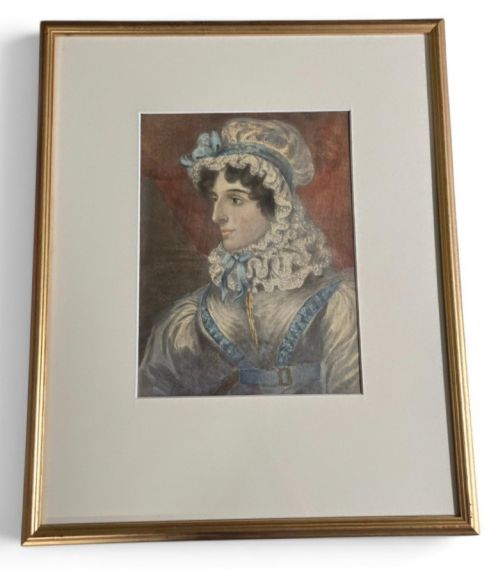
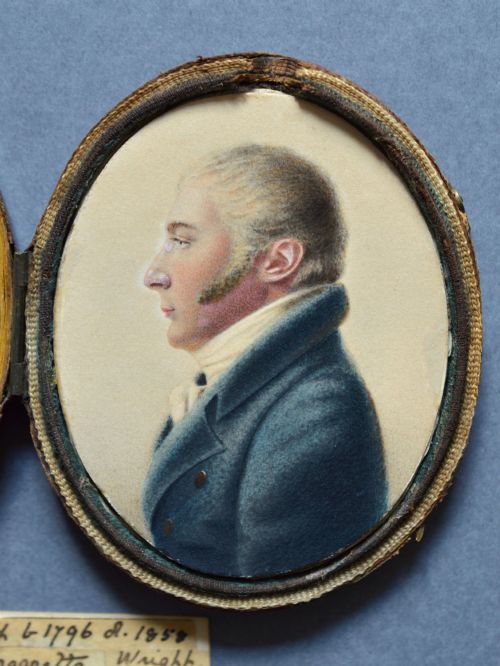
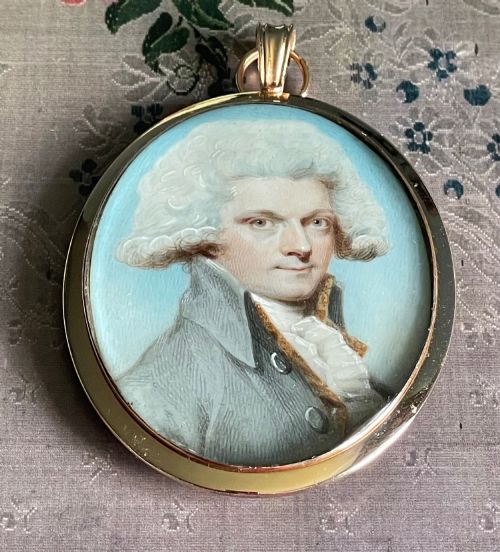
A georgian portrait watercolour painting captures private likenesses in miniature, offering an intimate window into past lives that collectors prize for their exquisite delicacy.
Georgian Portrait Watercolour Painting
A georgian portrait watercolour painting encompasses small-scale likenesses rendered on paper or ivory, often framed for intimate display. These works emerge predominantly from the eighteenth and nineteenth centuries, spanning Georgian, Regency, and early Victorian periods.
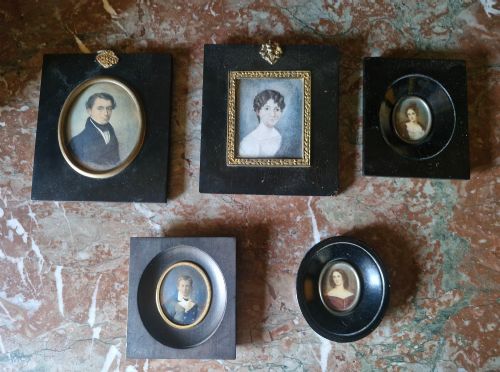
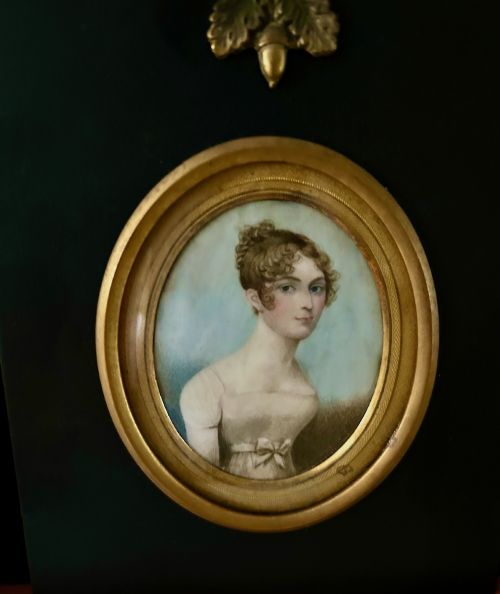
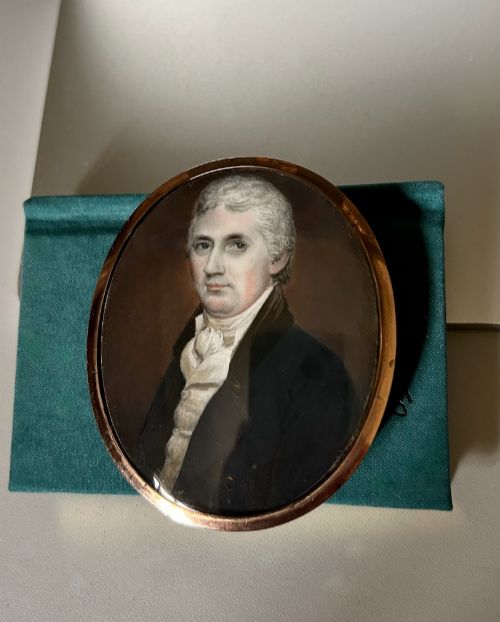
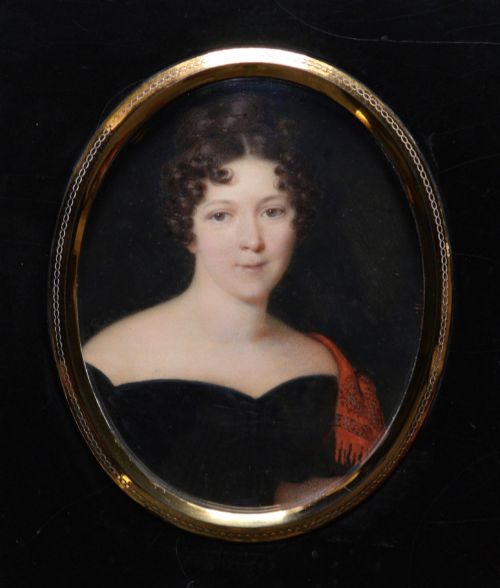
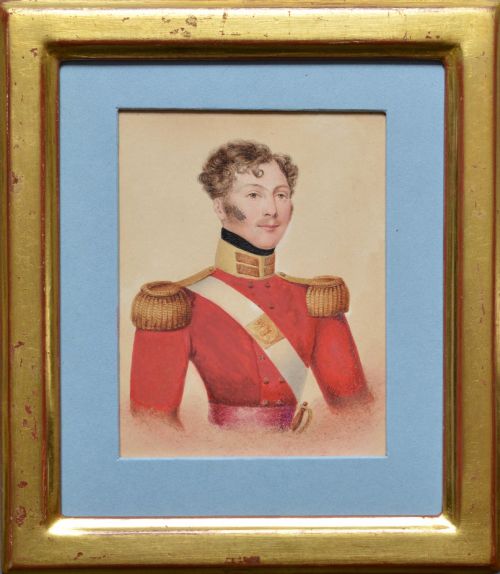
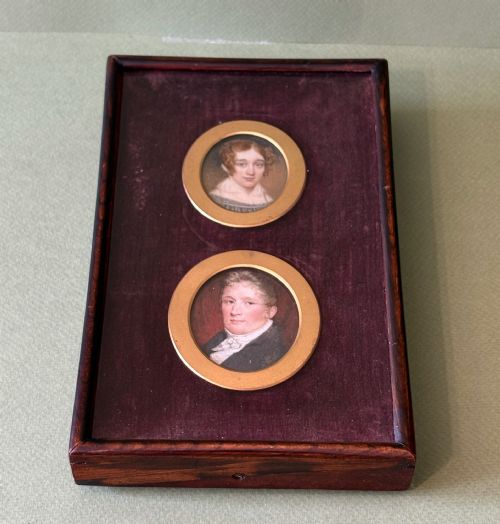
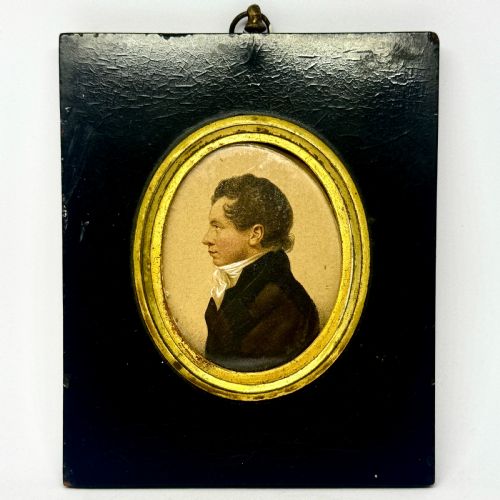
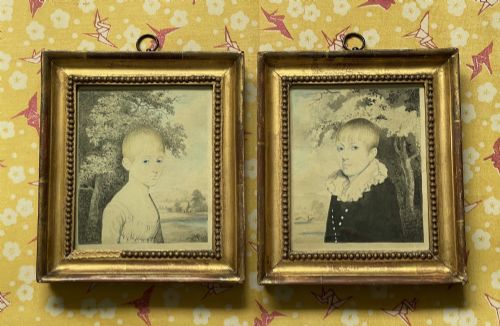
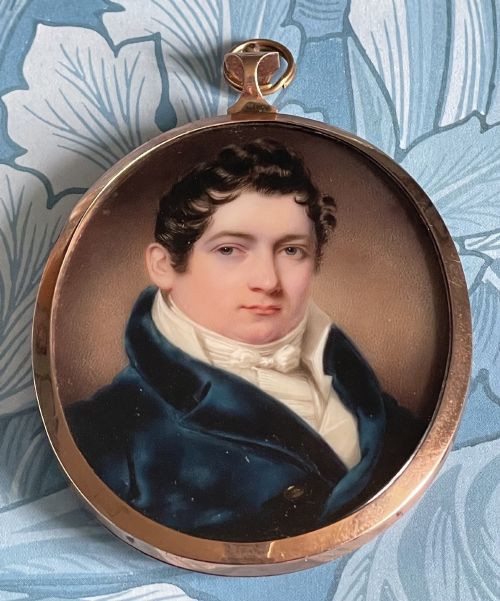
The pieces on this page appear most frequently as individual portraits or pairs depicting ladies, gentlemen, children, and officers. Makers range from recorded miniaturists to anonymous British and European school artists.
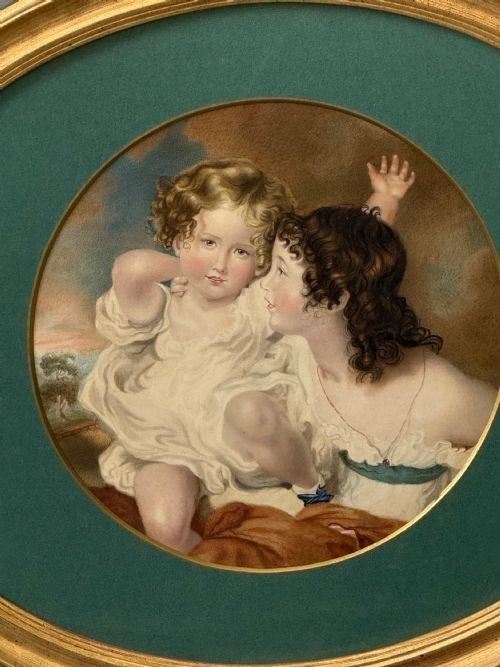
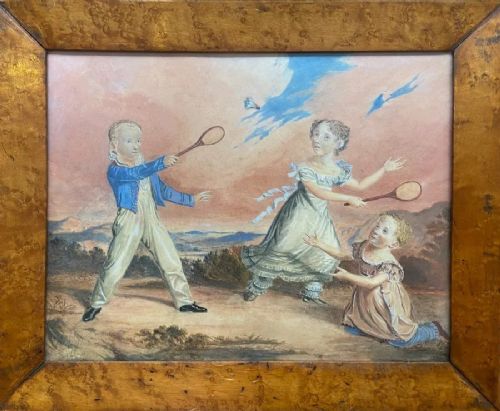
Subjects include specific military figures, family groups, and children, capturing personal histories in delicate detail. Collectors encounter oval formats, ebonised frames, and occasional gilt metal or wooden mountings.
How They Were Made
Artists painted these miniature works using watercolour, sometimes combined with pencil, gouache, or grisaille techniques. Supports include thin sheets of paper and prepared ivory, which lent a luminous quality to the finished skin tones.
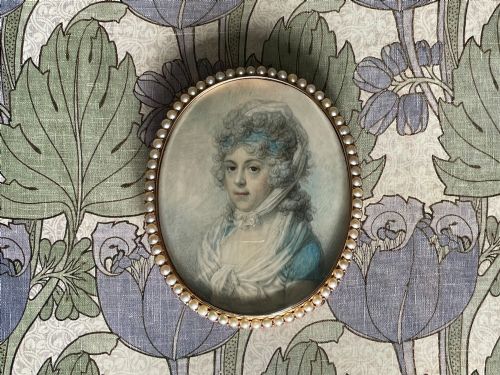
Finished watercolours were protected beneath glass and housed in slender ebonised wooden frames, gilt metal mounts, or cases incorporating seed pearls and gold. These housings preserved the fugitive pigments from light and moisture damage over centuries.
Listings feature watercolours on paper and ivory, housed in ebonised wood frames, gilt metal, and glass from the eighteenth and nineteenth centuries.
What Varies in Quality
The ability to render accurate facial anatomy and psychological depth separates skilled miniaturists from routine practitioners. Stronger works capture the sitter's individual expression and texture of lace or hair with precise brushwork.
Preservation of the delicate pigments and the integrity of the original backing materials dictate the standing of a piece. Intact period frames and glass contribute to the overall authenticity and visual impact of the miniature.
Charles Shirreff·Richard Cosway·Frederick Buck·William Naish·George Engleheart
The Georgian Portrait Watercolour Painting Glossary
- Watercolour
- A paint consisting of pigment suspended in a water-soluble binder, used extensively on paper and ivory for miniature portraits. It allows for translucent washes that simulate the soft glow of skin.
- Ivory
- A smooth, organic material sliced thin to serve as a painting surface for miniatures. Its natural luminosity enhanced the flesh tones in portraits.
- Grisaille
- A painting executed entirely in shades of grey or neutral monochrome. This technique often mimicked the appearance of sculpted reliefs or cameos.
- Ebonised
- Wood treated to resemble expensive ebony, typically finished in a deep black gloss. It provides a stark, contrasting border for colourful watercolour portraits.
- Miniature
- A small-scale portrait painting designed for personal portability or intimate domestic display. These works required specialised magnifying lenses and fine brushes to execute.
Georgian Portrait Watercolour Painting: Frequently Asked Questions
How were these miniature portraits displayed?
Owners typically hung these small artworks in private rooms or kept them in travel cases. Many featured fitted ebonised frames or gilt metal stands for tabletop placement.
Their intimate scale meant they were designed for close viewing rather than grand salon display. Families often grouped pairs or sets together on a wall.
How do I date a watercolour portrait?
Costume and hairstyle changes provide the most reliable chronological markers for these portraits. High-waisted Regency dresses, powdered wigs, and military uniforms tie directly to specific decades.
Inscribed dates on the reverse or period framing materials offer further confirmation. Comparing the hand to known regional schools helps narrow the timeframe.
What subjects appear most frequently?
Officers, gentlemen, ladies in white dresses, and children dominate the surviving corpus of works. Portraits often commemorated coming-of-age, marriage, or military service.
Artists also recorded family groups and domestic scenes involving children at play. Occasionally, sitters held objects that hinted at their personal pursuits or professions.