



Wood Framed Miniature Art
Wood framed miniature art brings intimate historical portraiture and delicate paintings into small spaces through portable, detailed works.
Wood Framed Miniature Art
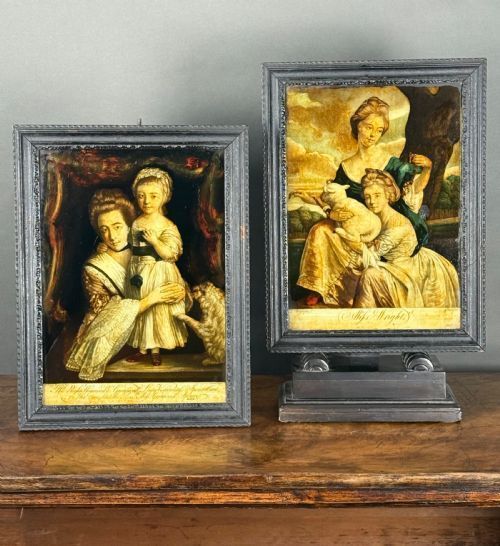
Wood framed miniature art comprises small scale paintings, silhouettes, and sketches created across the seventeenth, eighteenth, and nineteenth centuries. These pieces capture individual likenesses, still lifes, and domestic scenes on materials ranging from paper to copper and ivory.
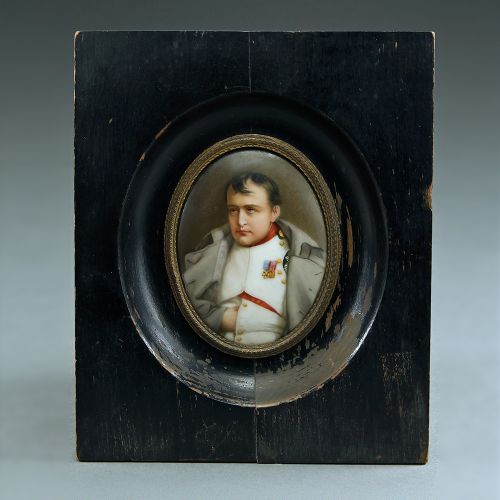
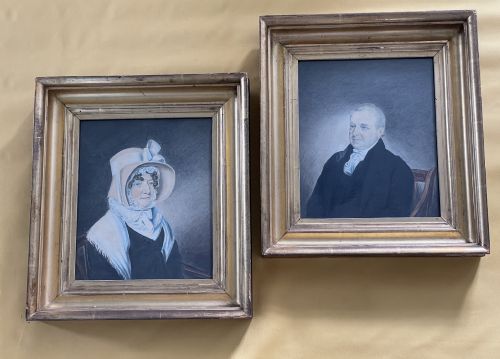
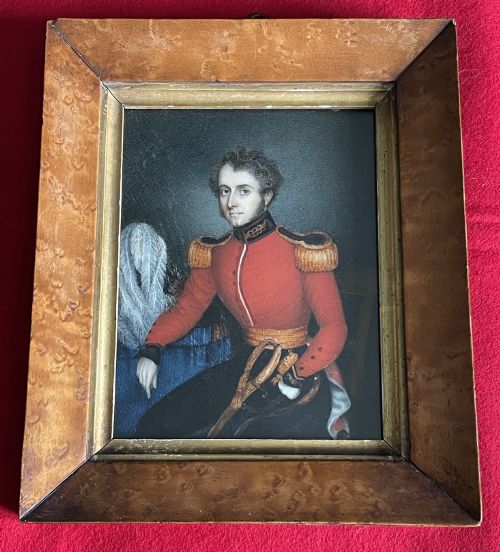
The selection here draws heavily from the Georgian, Regency, and Victorian periods, featuring distinct regional styles such as American folk art and Mughal school works. Portrait miniatures and silhouette portraits dominate the selection, often preserved in original wooden enclosures.
Buyers encounter everything from simple pencil sketches to detailed watercolour and oil paintings. Each piece offers a direct visual connection to historical subjects, rendered in formats designed for intimate display.
Materials and construction
Makers utilised paper, card, copper, and ivory as surfaces for fine brushwork in watercolour, gouache, and oil. Glass protects many of these delicate painted and drawn surfaces, sealing them against environmental damage.
Frames incorporate woods such as ebonised timber and rosewood, frequently accented with gold leaf, brass fittings, and gilt elements. The physical housing often matches the period of the artwork, constructed to safely enclose the compact composition.
One cheerful offering preserves a grocery store model alongside traditional portraits and botanical studies.
Distinctions in quality
Quality rests upon the precision of the draughtsmanship and the expressive depth captured within a confined surface. Finer examples display meticulous brushwork or crisp silhouette cutting that brings the subject to life without relying on heavy proportions.
The integrity of the original housing matters significantly, as period wooden frames and intact glass protect the fragile interior work. Pieces that retain contemporary annotations, signatures, or documented sitters command greater interest from collectors.
Augustin Edouart·John Taylor·Edward Smyth
The Wood Framed Miniature Art Glossary
- Plumbago
- A fine drawing executed in graphite, taking its name from the Latin word for lead ore. Artists used this medium for highly detailed miniature portraits.
- Gouache
- An opaque water-based paint that provides solid, vibrant colour fields in miniature paintings. It allows for rich detail in clothing and background elements.
- Oil on copper
- A painting technique where thin layers of oil paint are applied to a prepared copper sheet. This smooth metal base preserves fine brushwork and prevents warping.
- Diorama
- A three-dimensional scene constructed within a framed enclosure, often depicting historical or regional subjects using mixed materials.
Wood Framed Miniature Art: Frequently Asked Questions
How were these miniature portraits displayed?
Owners typically hung these small works in intimate spaces such as bedchambers, private studies, or hallways where viewers could examine them closely. Their compact size allowed people to group multiple family portraits together on a single wall.
Many pieces were also designed to sit on surfaces using small stands or to be carried while travelling. This portability meant owners could keep likenesses of family members close at hand.
How do I identify a silhouette portrait?
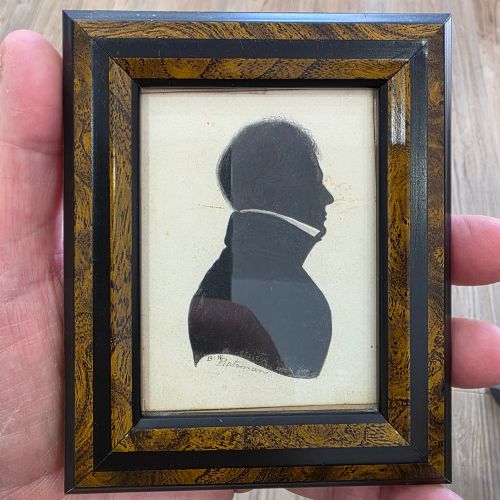
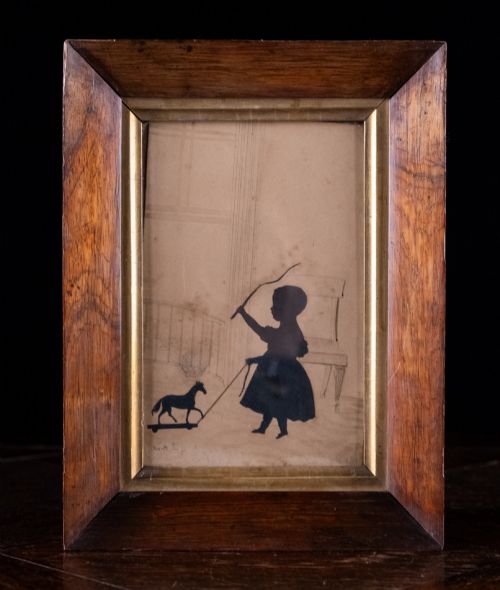
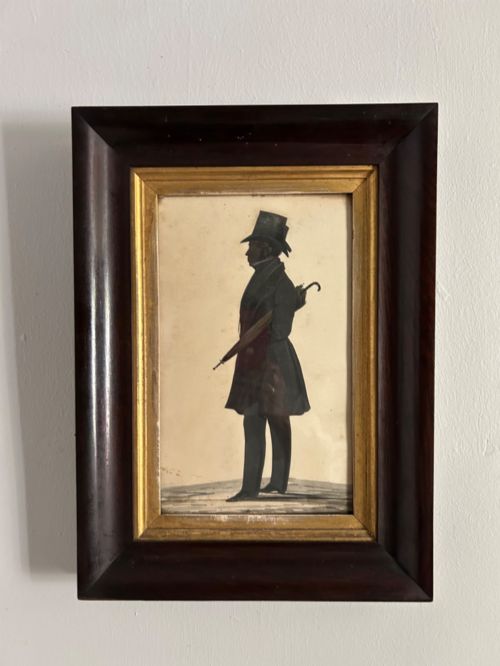
Silhouettes appear as dark profile likenesses against a lighter background, created either by cutting paper with scissors or painting directly onto card or plaster. Artists frequently added subtle highlights in gold or white paint to define hair and clothing details.
Most antique examples date from the Georgian and Victorian eras, often bearing the artist signature or studio stamp on the reverse. The framing typically consists of ebonised wood with small brass hanger loops.
What subjects appear in these frames?
Human subjects dominate the selection, ranging from named military officers and nobility to anonymous children and family groups. Artists also recorded everyday citizens, literary characters, and foreign visitors during the eighteenth and nineteenth centuries.
Beyond portraits, some works depict floral still lifes, architectural townscapes, and fashion plates. Each subject reflects the prevailing aesthetic interests and social record of its specific period.
How do I care for antique miniatures?
Keep these pieces away from direct sunlight to prevent the fading of delicate watercolours, gouache, and paper supports. Fluctuating humidity levels can damage organic materials like ivory, wood, and paper.
Leave the original framing and sealed backing undisturbed whenever possible, as opening the enclosure can introduce dust and moisture. Dust the exterior wood and glass gently with a dry, soft cloth.