


Small Framed Portrait Paintings
These small framed portrait paintings capture centuries of likeness in miniature, offering an intimate glimpse into past lives through delicate brushwork and period mounting.
Small Framed Portrait Paintings
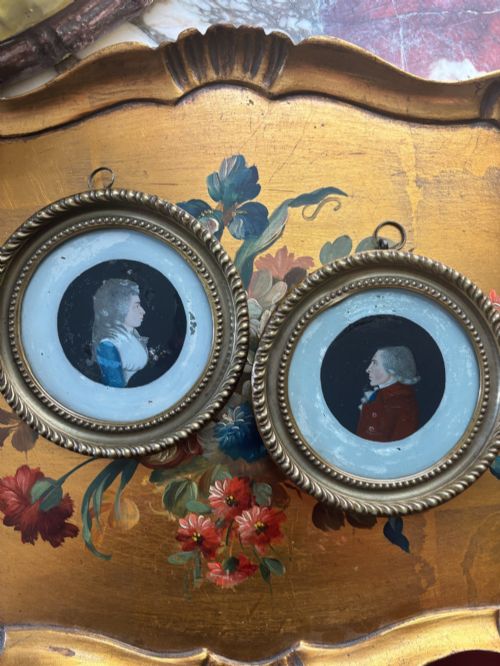
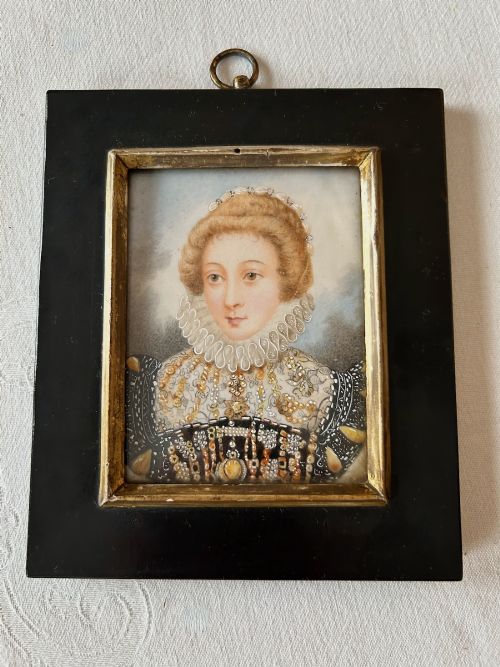
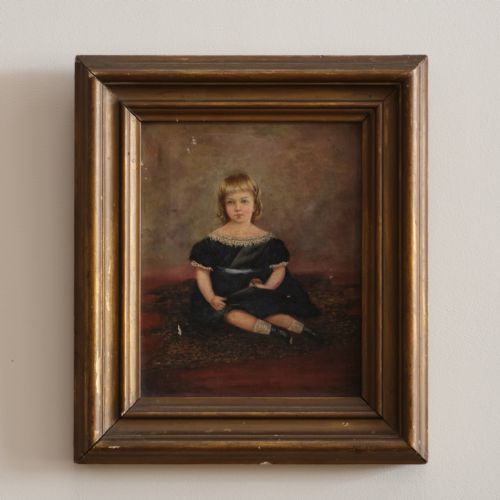
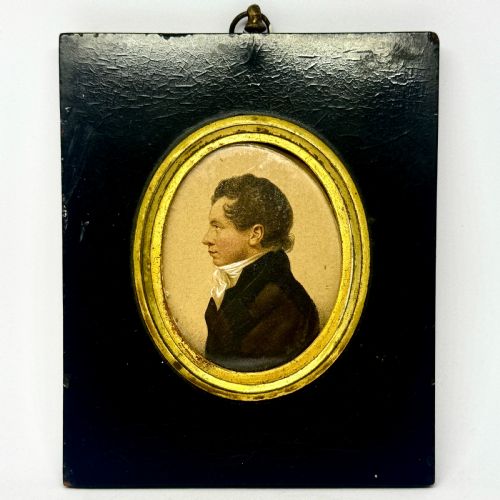
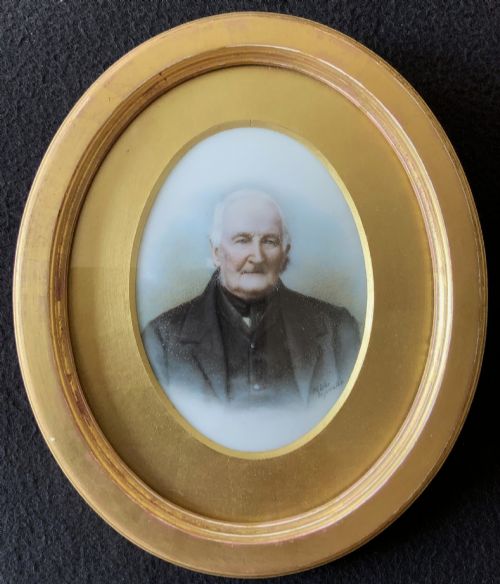
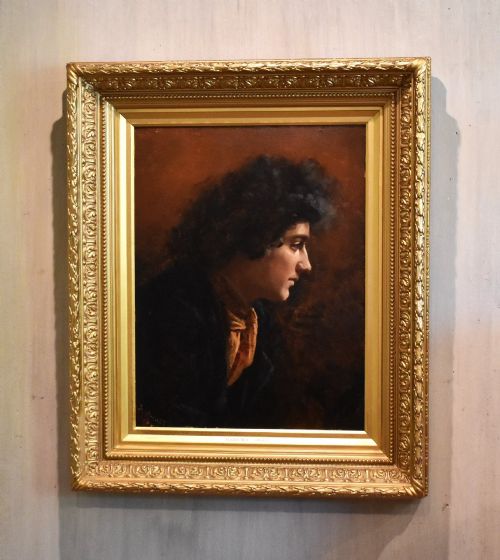
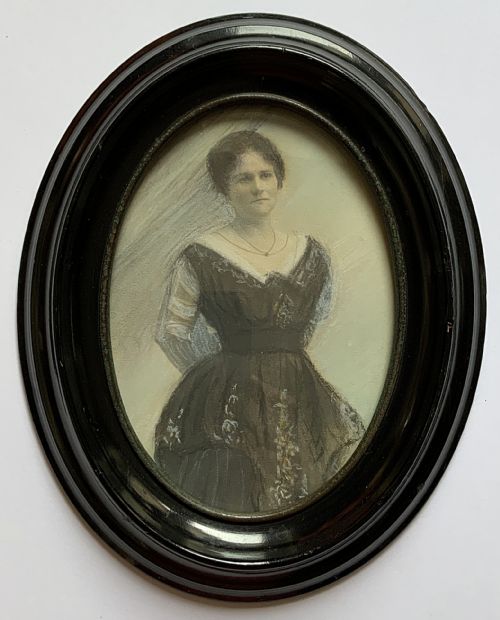
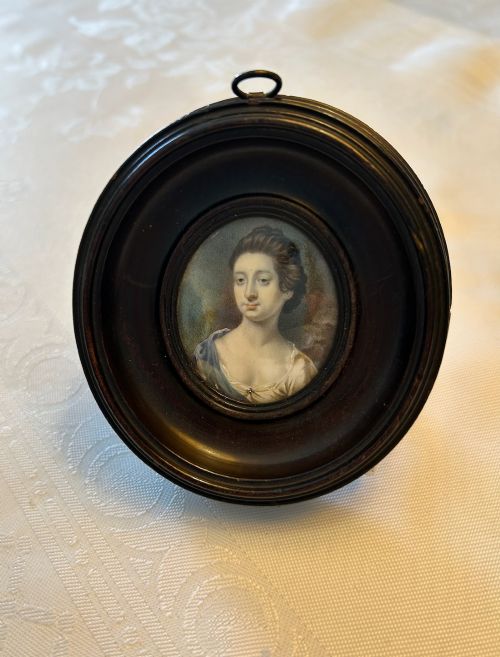
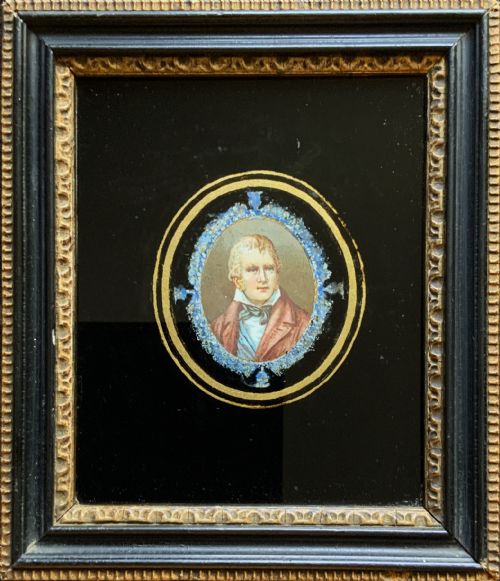
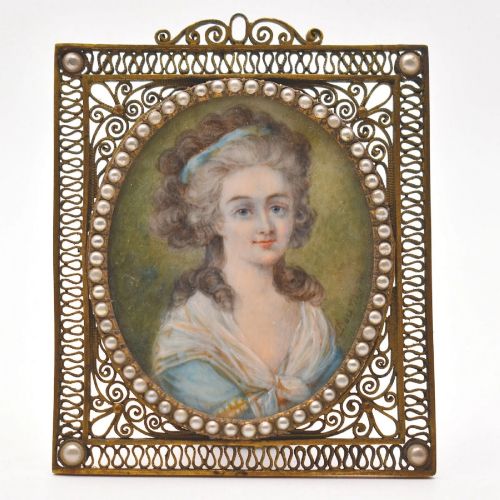
Small framed portrait paintings encompass works executed on a compact scale, frequently encountered as oval or rectangular miniatures dating from the eighteenth and nineteenth centuries. These pieces represent historical figures, nobility, and everyday sitters rendered with careful precision.
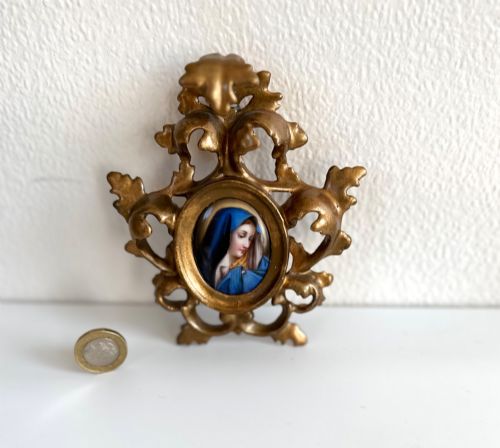
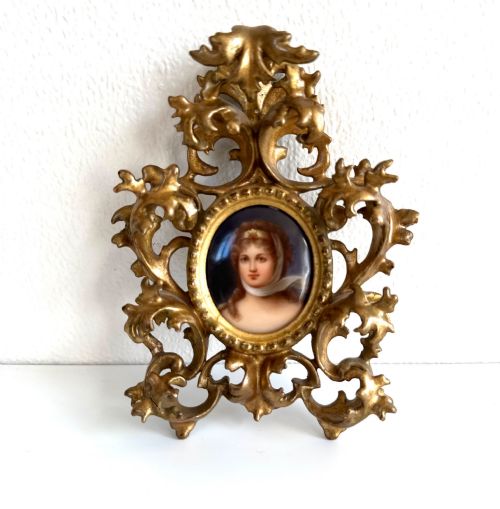
The materials vary from watercolour on paper and ivory to oil on canvas, tin, and board, usually set within protective glass and mounted in ebonised wood, gilt metal, or brass frames. Domestic subjects sit alongside notable historical personalities, animals, and imaginative compositions.
Dating ranges from the seventeenth century through the Victorian era, with Regency and Georgian examples appearing frequently. Works span diverse origins, including British and Continental schools, executed by named artists and anonymous hands alike.
Materials and Technique
Artists painted these small portraits using watercolour, gouache, pastel, or oil paint applied to prepared surfaces such as paper, ivory, canvas, and tin. The application required immense dexterity to achieve fine detail on such a reduced scale.
Framing formed an essential part of the construction, utilising glass to protect delicate pigments mounted in heavy ebonised wood, polished brass, or gilt metal frames. Some pieces incorporated stands or seed pearl embellishments to enhance the display.
Among the historical figures and human sitters, a stylish cat in oil pastels and a hound dog named Lady claim their own miniature frames.
Assessing Quality
The integrity of the original housing also defines the piece, with matching period frames, intact glass, and untouched mounting surfaces holding greater appeal for collectors.
Henri Fradelle·Richard Cosway·Florence Small·Dumont·Samuel Raven·George Hargreaves·Emma Kendrick·Isaac Wane Slater
The Small Framed Portrait Paintings Glossary
- Miniature painting
- A portrait executed on a very small scale, requiring fine brushes and steady observation. These works were often designed to be carried or worn.
- Ebonised wood
- Timber treated to resemble ebony, frequently used for nineteenth-century portrait frames to provide a dark, contrasting border.
- Gilt metal
- Base metal treated with a gold-coloured finish, common in the surrounds and stands of pocket-sized portraits.
- Gouache
- An opaque watercolour medium that allows for dense colour application and sharp highlights within miniature studies.
Small Framed Portrait Paintings: Frequently Asked Questions
How were portrait miniatures displayed?
These small works were hung on walls in tight groupings, placed on mantelpieces using small stands, or designed to be kept close in personal spaces.
Their compact dimensions allowed owners to transport them easily or arrange them within intimate domestic interiors.
What surfaces were used for painting?
Artists utilised a variety of fine substrates depending on the medium and period.
Watercolour is frequently found on paper and ivory, while oil paint appears on canvas, wood panels, board, and tin.
How do I date a framed miniature?
Dating relies heavily on the style of dress, hair, and framing materials rather than the signature alone.
Ebonised wood frames and specific portrait formats often point directly to Georgian or Victorian conventions.
Are all these portraits painted by hand?
Every piece recorded here is an original hand-painted work rather than a printed reproduction.
Artists employed fine sable brushes to build up likenesses using watercolour, oil, or pastel.