



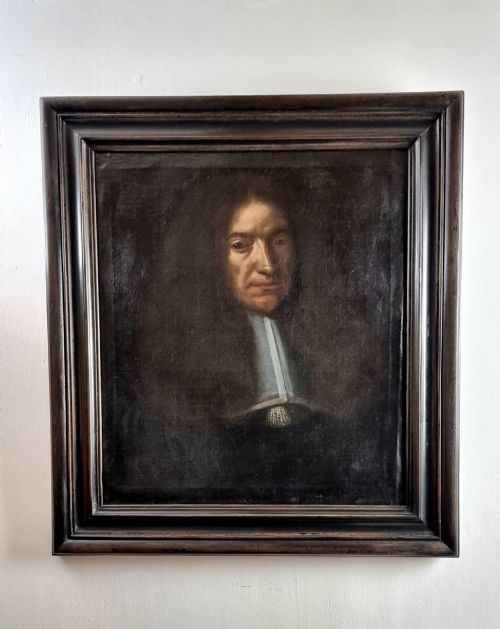
Wood Framed Canvas Painting
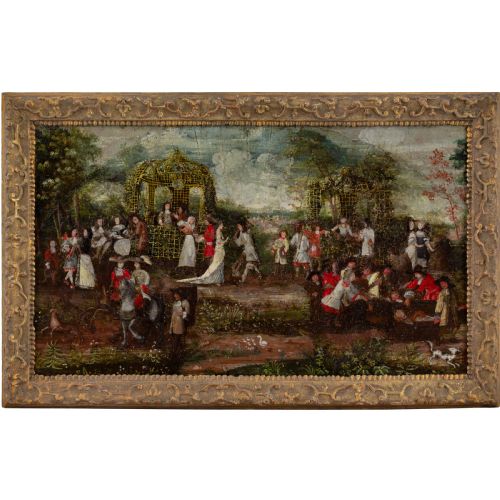
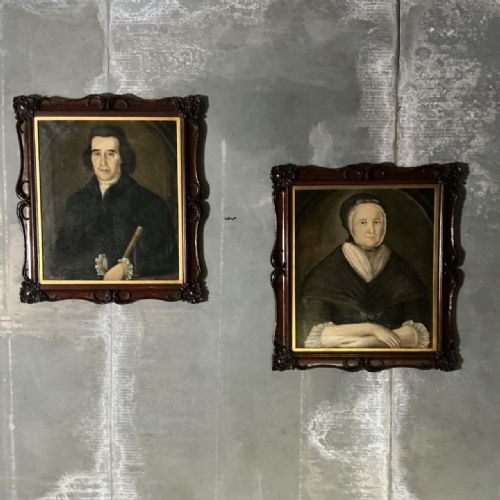
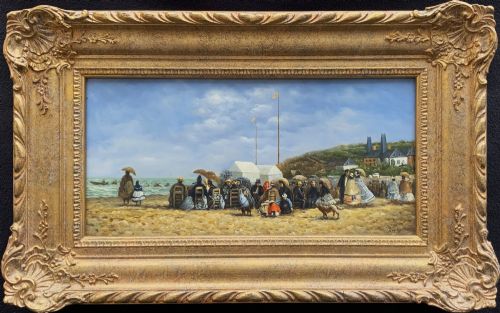
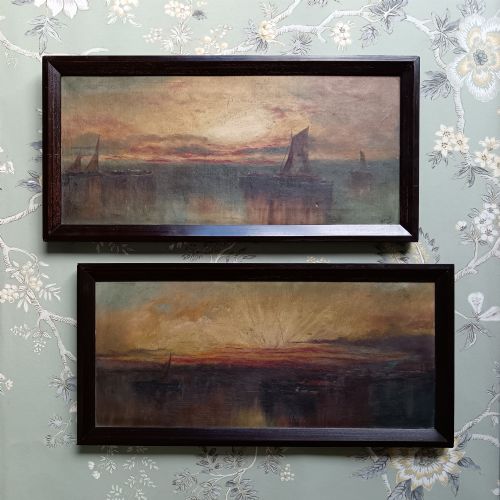
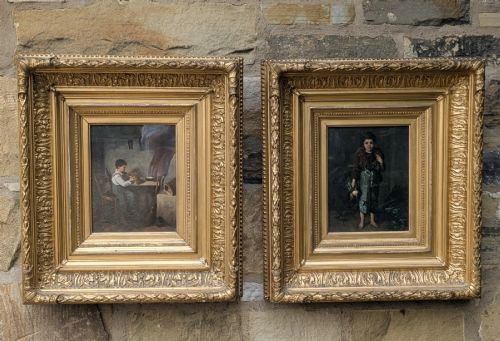
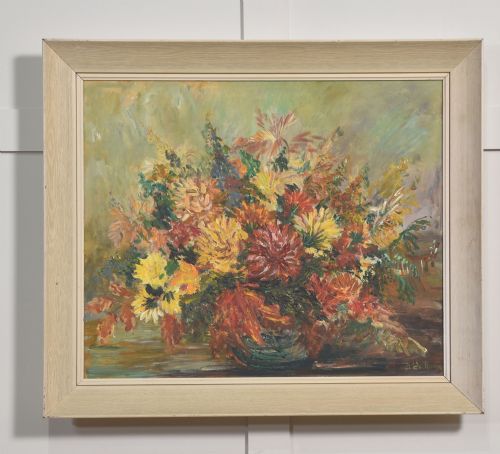
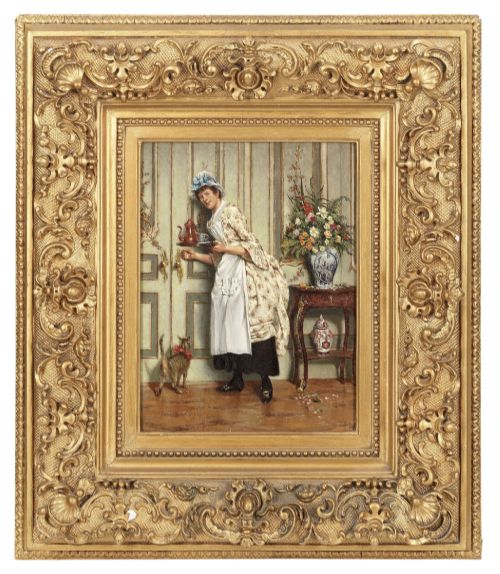
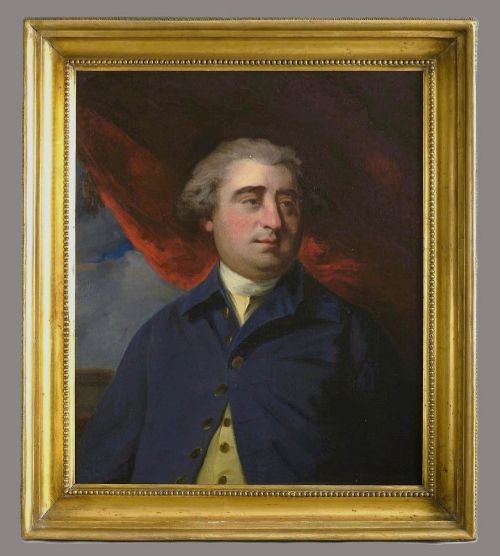
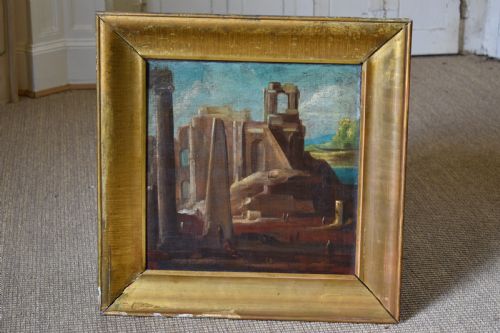
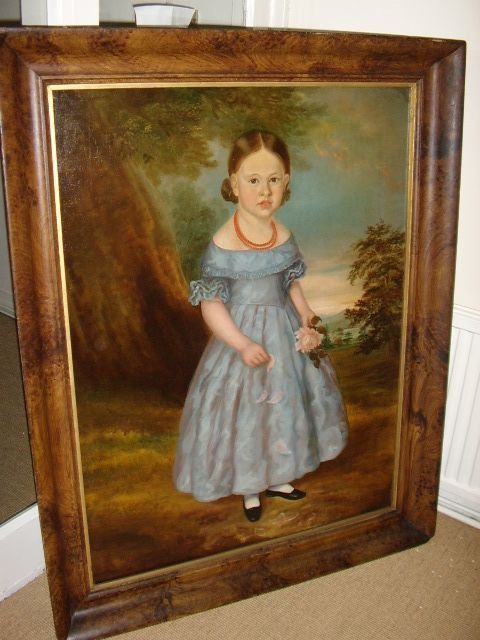
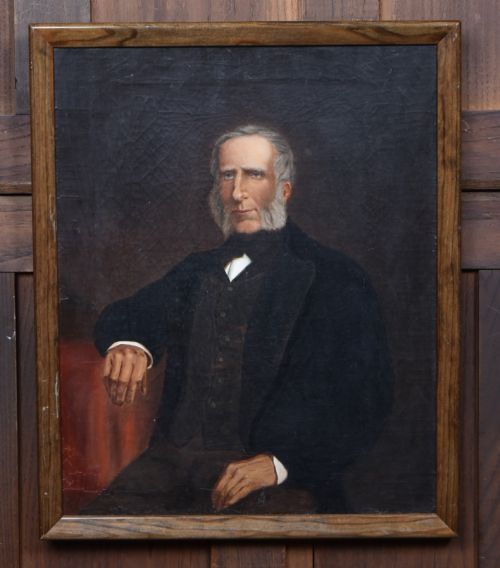
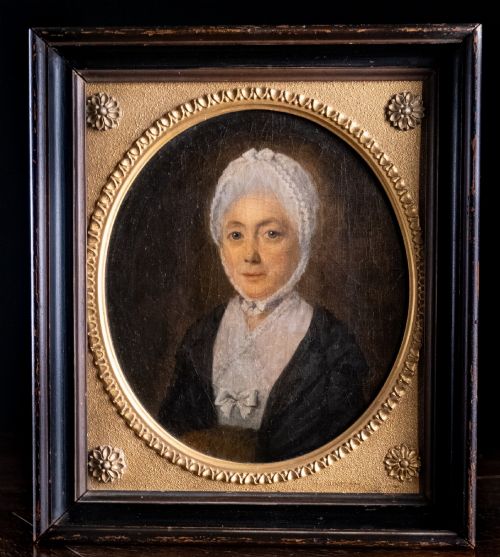
These wood framed canvas painting works span centuries of portraiture, landscape, and still life executed in oil.
Wood Framed Canvas Painting
A wood framed canvas painting brings together stretched textile supports and rigid timber surrounds, capturing centuries of artistic output ranging from intimate domestic portraits to expansive maritime scenes. When buyers search for a wood framed canvas painting, they encounter diverse historical periods including the seventeenth, eighteenth, and nineteenth centuries, alongside mid-century interpretations.
The predominant forms appearing on this page include oil paintings on canvas housed within period timber enclosures, decorative panels, and fine art pieces. These works reflect stylistic movements such as Georgian, Victorian, Baroque, and Post-Impressionism, capturing subjects from grand military figures to quiet pastoral landscapes.
Originating across British and European schools, these artworks demonstrate the enduring tradition of oil on canvas mounted securely inside wooden mouldings. Buyers frequently find pieces bearing historical attributions, signed compositions by period artists, and decorative panels from the early twentieth century.
Materials and technique
Artists built these works using oil paint applied to woven canvas supports, which were then stretched across wooden frames to maintain structural tension. The paint layers combined ground pigments with drying oils, allowing for subtle tonal gradations and rich surface textures that survived across centuries.
The surrounding enclosures utilise timber components often enhanced with gesso, gold leaf, and gilt wood finishes to complement the artwork within. These wooden surrounds provided both physical protection and aesthetic definition, utilising traditional joinery and decorative gilding techniques characteristic of their respective periods.
Listings feature works spanning from the seventeenth century through to the 1960s, utilising oil on canvas within wood and gilt surrounds.
Quality and execution
The caliber of these works rests upon the precision of the brushwork, the depth of the composition, and the harmony between the painted surface and its timber surround. Masterful handling of light, shadow, and anatomical or spatial perspective distinguishes exceptional fine art from standard decorative production.
The integrity of the canvas and the preservation of the original wood frame significantly influence the standing of a piece. Original gilding, stable paint layers without excessive intervention, and frames appropriate to the exact period of the painting elevate the overall significance of the object.
Sir Joshua Reynolds·Anthony Van Dyck·William Hogarth·Thomas Creswick·Allan Ramsay
The Wood Framed Canvas Painting Glossary
- Oil on Canvas
- A painting medium where pigments are bound with drying oil and applied to a woven fabric support stretched over a wooden frame. This combination allows for rich colour blending and durability over centuries.
- Gilt Wood
- Timber that has been decorated with a thin layer of gold leaf or powder applied over a prepared gesso surface. It provides a reflective, ornate border frequently found on antique picture frames.
- Gesso
- A plaster-like mixture used as a smooth base coat on wooden frames before gilding or painting. It creates an ideal surface for adhering gold leaf and intricate moulding details.
- Post-Impressionism
- An art movement developing roughly from the late nineteenth century that extended Impressionism while rejecting its limitations. Artists focused on symbolic content, heavier brushwork, and distinct tonal structures.
- Baroque
- A European artistic style originating around the seventeenth century characterised by dramatic movement, deep shadow, and grand scale. Works from this period often display theatrical compositions and intense emotional power.
Wood Framed Canvas Painting: Frequently Asked Questions
How do I identify the period of a frame?
Frame styles evolved alongside woodworking techniques, shifting from heavy carved mouldings in earlier centuries to simpler profiles later on.
Examining the corner construction, timber type, and application of gesso helps connect the surround to its correct historical era.
What subjects are most common?
Portraits of individuals dominate the earlier centuries, ranging from notable historical figures to anonymous family members.
Landscapes, maritime scenes, and still life arrangements become increasingly prominent in nineteenth and twentieth-century works.
How should I hang these paintings?
Select a wall space away from direct sunlight and steady heat sources to protect both the canvas and the wooden support.
Ensure proper picture hooks are secured to match the weight of the timber frame and the stretched canvas.
Are these works original?
The listings comprise period originals, historical school pieces, and attributed works rather than modern reproductions.
Signatures, artist attributions, and historical documentation provide context for the origin of each individual painting.