
Post Impressionist Wall Art
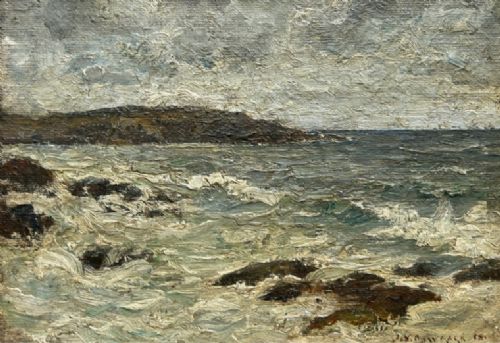
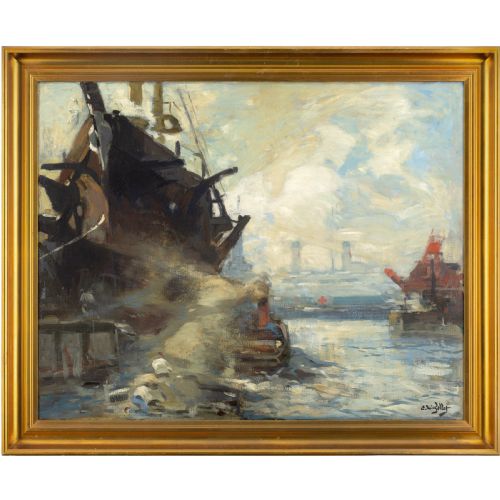
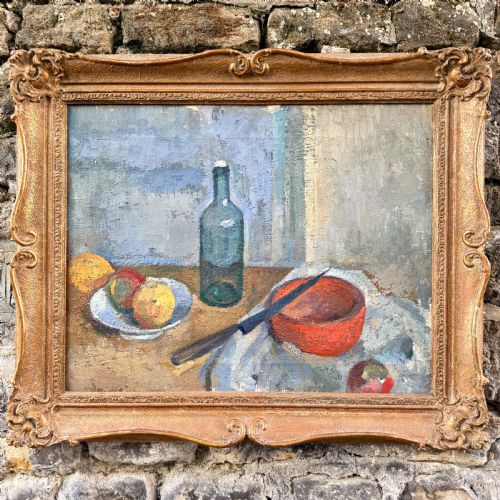
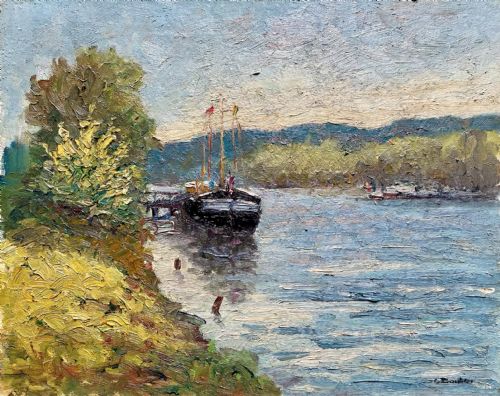
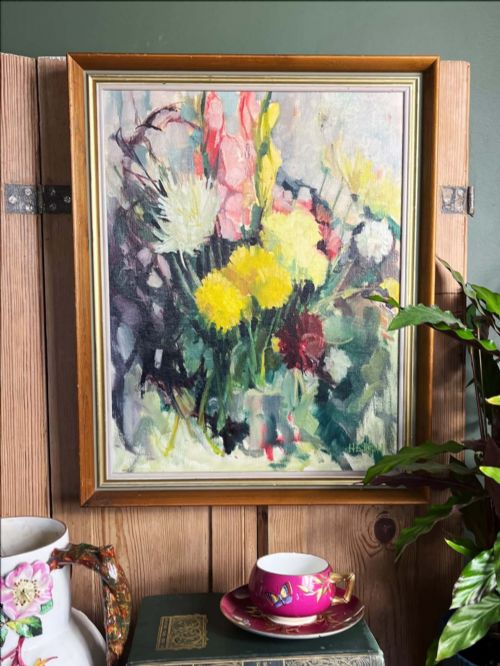
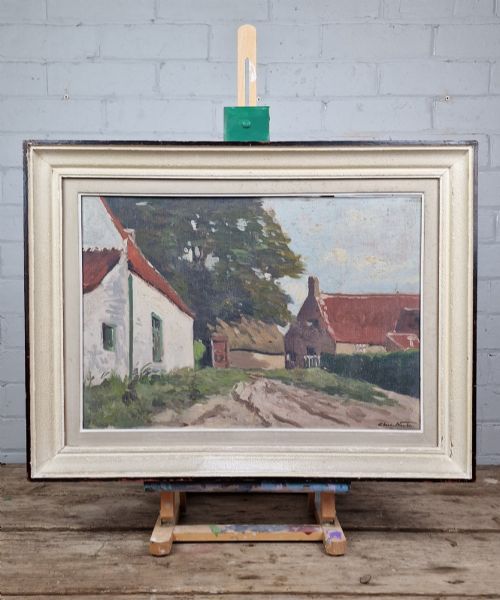
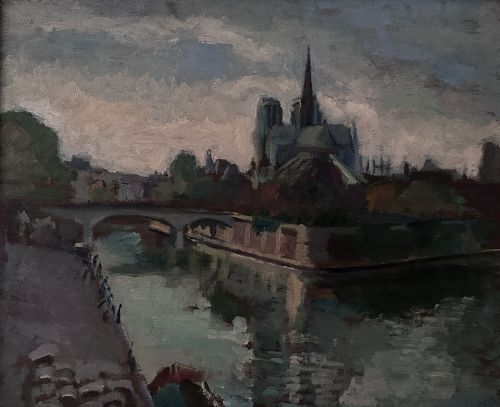
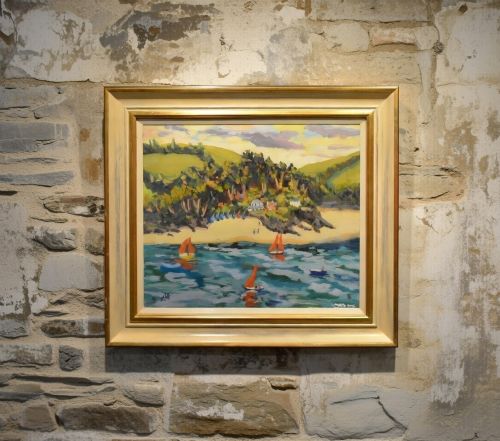
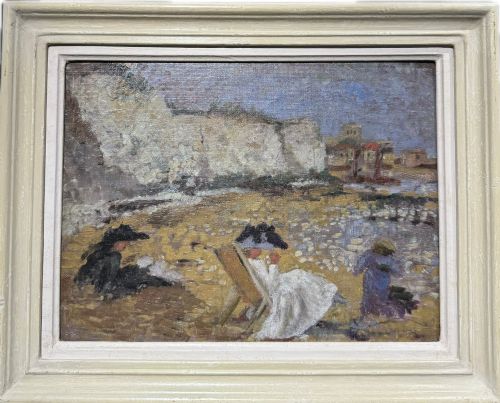
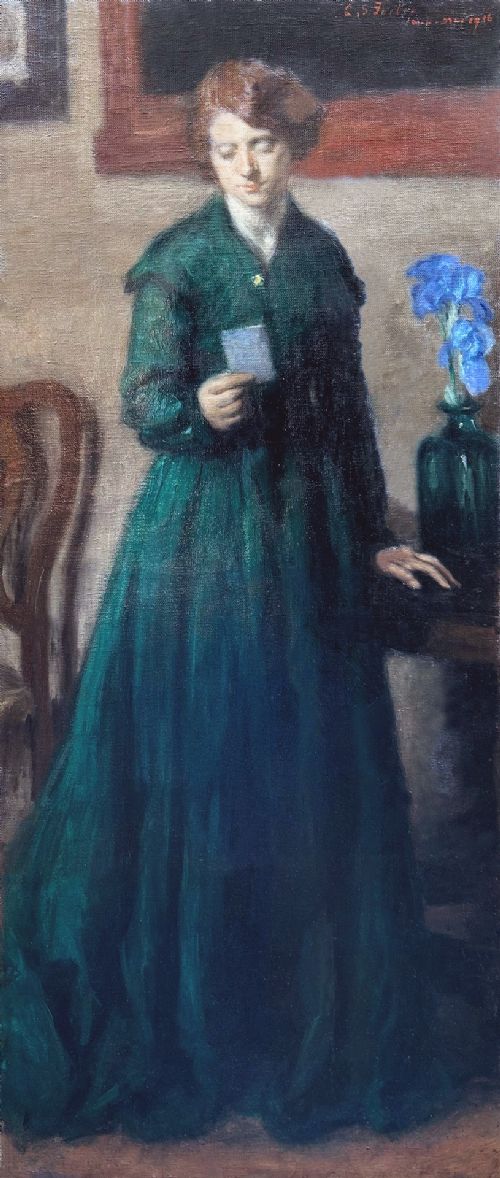
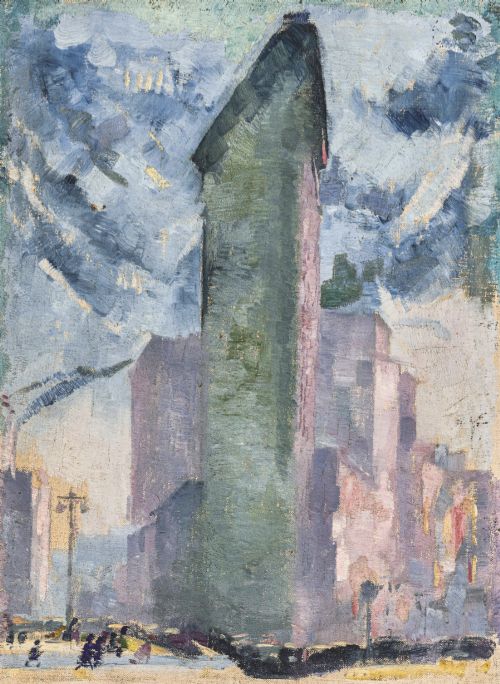
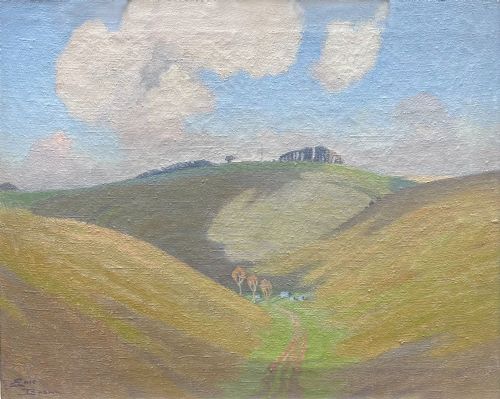
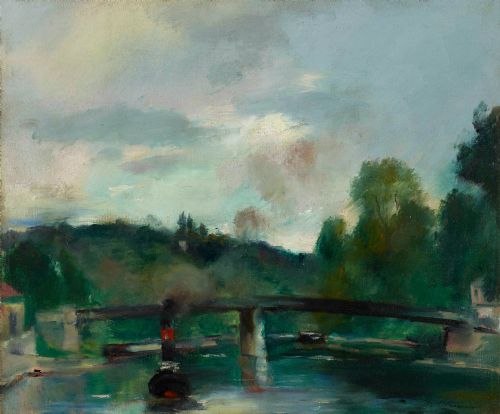
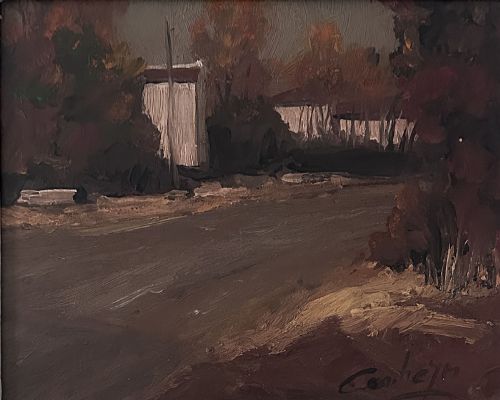
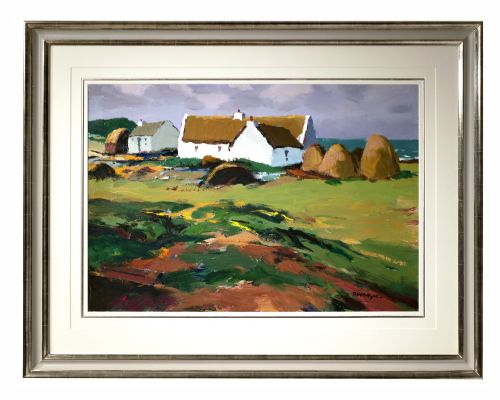
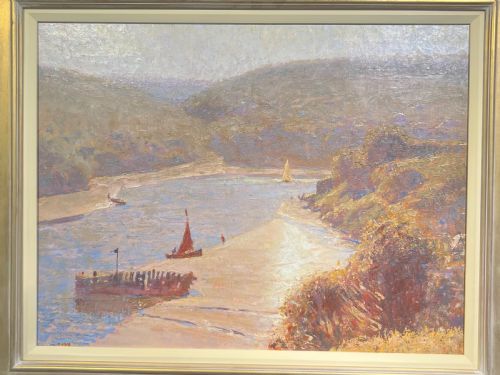
Post impressionist wall art brings expressive brushwork and luminous light into a room, spanning coastal scenes, quiet interiors, and bustling cityscapes.
Post Impressionist Wall Art
Post impressionist wall art consists primarily of oil paintings on canvas, board, or wood panel, originating from the late nineteenth century through to the mid-twentieth century.
The selections on this page lean heavily toward French and British interpretations of the movement, recording landscapes, harbours, floral still lifes, and street scenes.
Buyers encounter works produced during the 1910s, 1920s, and 1930s most frequently, alongside mid-century compositions stretching into the 1960s.
How they were made
These works rely on oil paint applied to canvas, wooden panels, or heavy board, often utilising visible, impasto brushstrokes to capture fleeting effects of light and atmosphere.
Support materials range from traditional stretched canvas to rigid boards and gesso-prepared panels, reflecting the varied working methods of continental and British painters.
A self-portrait by the curator of the Toulouse-Lautrec Museum sits comfortably among anonymous harbour views and floral still lifes.
What varies in quality
Quality rests in the confidence of the brushwork and the artist's command over tonal harmony, separating loosely sketched studies from fully resolved compositions.
The preservation of the pigment layer and the originality of the associated framing significantly influence the overall integrity of each surviving panel or canvas.
Eugène-Louis Gillot·Charles Houben·Alfred Wolmark·Henri Ottmann·Donald McIntyre·Paul-Élie Gernez·Ronald Ossory Dunlop·Victor Simonin·Hubert Wellington·Edouard Julien·Louis Suire·Jean-Baptiste Olive·André Prévot-Valéri·Merio Ameglio·Edward Seago·Cecil R. Doyly-John
The Post Impressionist Wall Art Glossary
- Impasto
- Paint applied thickly to a canvas or board, leaving prominent brush or knife marks that catch the light. This technique adds tactile dimension to surfaces.
- Oil on panel
- A painting executed on a flat wooden board rather than woven fabric. Panels provide a rigid and durable foundation for pigments.
- Still life
- An artwork depicting inanimate subject matter, typically commonplace objects such as flowers or vessels. These compositions focus on arrangement and light.
- Gesso
- A plaster-like mixture applied as a ground to prepare a rigid surface for painting. It creates a smooth, absorbent base for oils.
- Post-Impressionism
- An art movement extending beyond impressionist naturalism to emphasise geometric forms, expressive use of colour, and symbolic content.
Post Impressionist Wall Art: Frequently Asked Questions
What defines post impressionist wall art?
These works emerge from an artistic shift following impressionism, focusing on emotional resonance, visible brushwork, and subjective colour rather than strict realism.
Parks, coastal villages, and domestic interiors form the primary subjects captured by painters working in this tradition.
How do I care for an oil painting?
Keep paintings away from direct sunlight, extreme temperature fluctuations, and high humidity to protect the canvas and wooden supports.
Dust the surface gently with a soft, dry brush without applying moisture or chemical cleaning agents.
Are these paintings original works?
The inventory consists of hand-painted original artworks created directly by artists rather than mass-produced reproductions or prints.
Each piece bears the distinct physical touch and handling of the painter's brush upon canvas or board.
How should I frame these pieces?
Many works retain period frames that complement the aesthetic of the painting style and the era of creation.
Selecting a frame that respects the depth and palette of the artwork ensures visual balance when hung on a wall.