

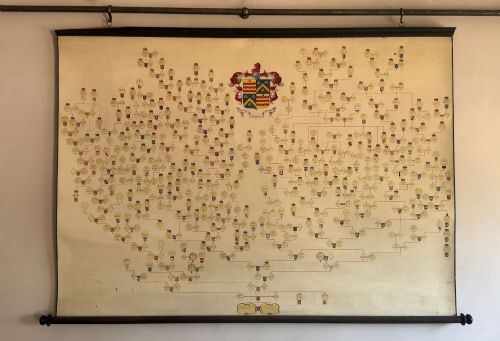
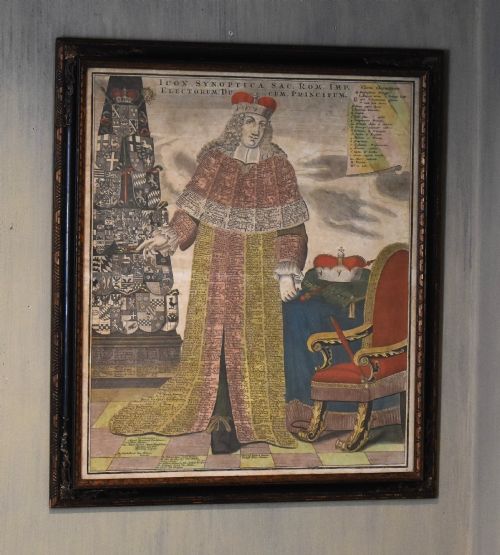
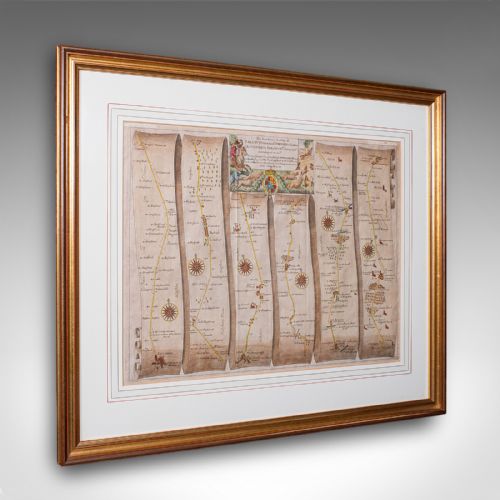


Wood Framed Map
A wood framed antique map brings centuries of cartography to the wall, offering a tangible window into past geographies and borders.
Wood Framed Map
A wood framed antique map encompasses cartographic works spanning from the seventeenth century through to the Edwardian era. These pieces include regional English county maps, European territories, and broader colonial surveys presented behind glass.
The selection ranges from early engraved county plates by noted cartographers to eighteenth-century French and Dutch issues and Victorian lithography. Regional variations highlight changing borders, place names, and decorative cartouches unique to each period.
Most examples appear within straightforward wood frames, sometimes accented with gold leaf or burr wood, preserving the original paper and linen backing. Buyers encounter both single sheet engravings and double-sided folio leaves alongside serving trays inset with maps.
Materials and construction
The foundation of these pieces relies on traditional paper, frequently linen-backed for reinforcement, bearing hand-applied ink from copperplate engravings or early lithography. Artisans often added hand-colouring to boundaries and cartouches after the initial impression.
Enclosing frames utilise various woods, occasionally finished with gold leaf or constructed from burr wood to provide a decorative border. Glazing protects the delicate paper surfaces from atmospheric moisture and handling.
Wood Framed Map Retail Price Guide 2026
Typical asking prices for wood framed map among the pieces listed under this phrase on Sellingantiques today, from the lower quarter to the upper quarter. They describe what is for sale here now, not the wider market.
Current listings span periods from the seventeenth century through to the Edwardian era, featuring paper, wood, and gold leaf.
Quality and execution
The standing of a piece depends heavily on the renown of the cartographer and the clarity of the original plate impression. Sharp strike marks, distinct typography, and the preservation of marginal details elevate certain examples above standard decorative prints.
The physical preservation of the paper itself dictates desirability, noting the presence of contemporary hand-colouring and the integrity of the original paper stock. Framing quality and the preservation of margins also influence the overall character.
Ogilby·Colton·Janssonius·Robert Morden·Joan Blaeu·John Speed
The Wood Framed Map Glossary
- Cartography
- The science or practice of drawing maps. This discipline reflects the geographical knowledge and artistic conventions of the era in which the map was produced.
- Cartouche
- A decorative frame or tablet on a map enclosing the title, scale, or cartographer's details. These ornamental designs often feature heraldry, figures, or botanical motifs typical of the period.
- Lithography
- A planographic printing process based on the repulsion of oil and water, widely adopted in the nineteenth century. It permitted smoother tonal gradations and efficient reproduction of multi-coloured maps.
- Folio
- A sheet of paper folded once to form two leaves, commonly used in historical atlases. Maps sourced from these books often retain characteristic central folds.
Wood Framed Map: Frequently Asked Questions
How do I date an antique map?
Dating relies on internal evidence such as printed publication dates, royal ciphers, spelling variations of place names, and stylistic changes in the surrounding cartouche. Cartographers often updated plates over decades, leaving subtle clues to the specific printing era.
Paper quality, watermark analysis, and binding marks from original atlases also help specialists narrow the production window to a specific century or decade.
Are these maps original or reproductions?
The pieces featured are original period engravings, lithographs, and prints produced in the centuries indicated by the listings. Examination under magnification reveals plate marks and ink penetration characteristic of historic printing techniques.
Modern photographic reproductions lack the crisp line work of copperplate strikes and the natural ageing characteristics of seventeenth- to nineteenth-century paper stocks.
How should I hang and care for framed maps?
Display these pieces away from direct sunlight and damp environments to prevent fading of the ink and deterioration of the paper. Acid-free mounting materials protect the sheet from chemical damage over time.
Maintaining stable indoor temperatures prevents the wood frame from warping and safeguards the glass seal protecting the delicate map surface.