


Gilt Framed Map
A gilt framed antique map brings centuries of cartography straight to the wall, offering both historical detail and period character.
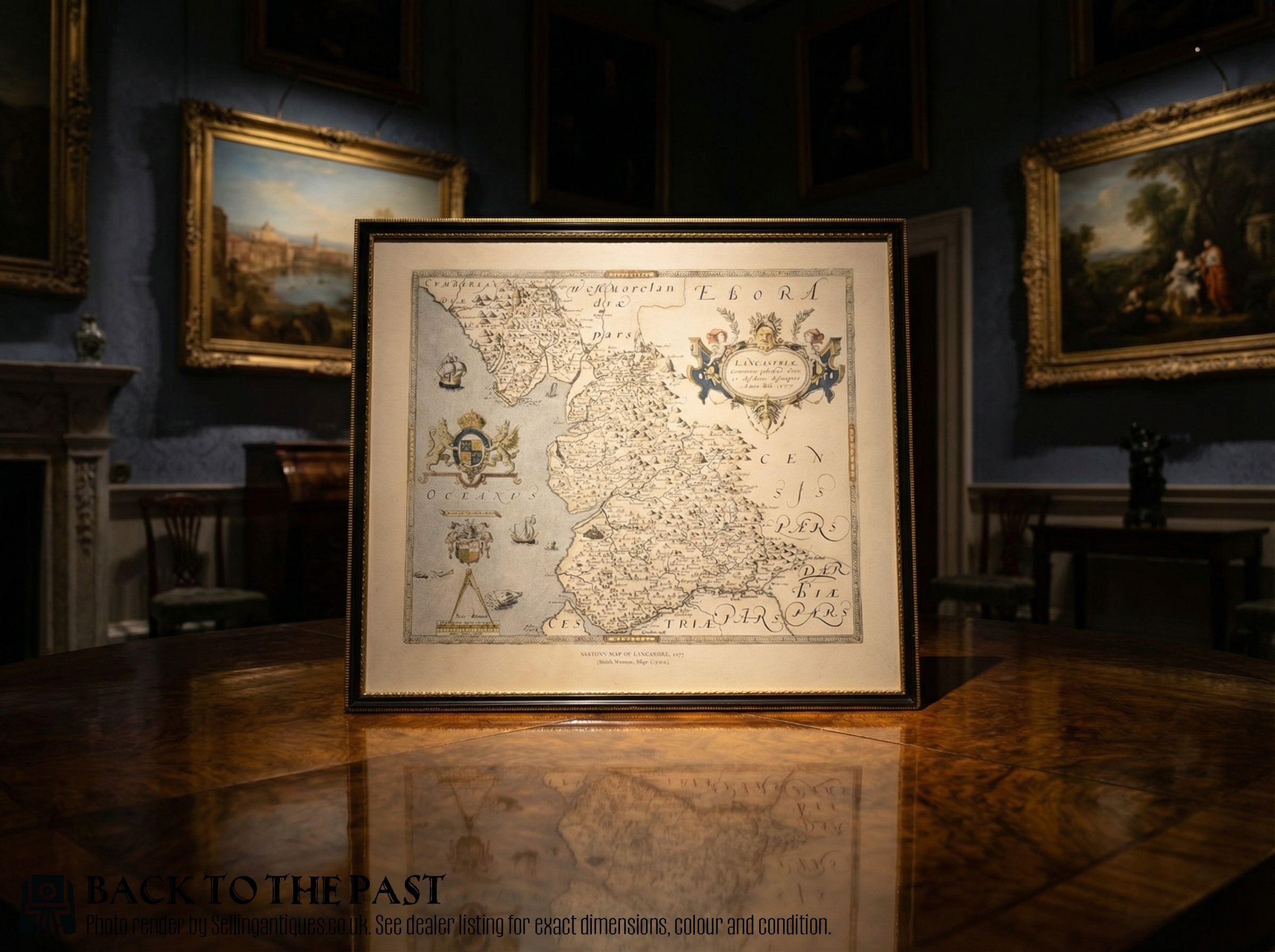
Gilt Framed Map
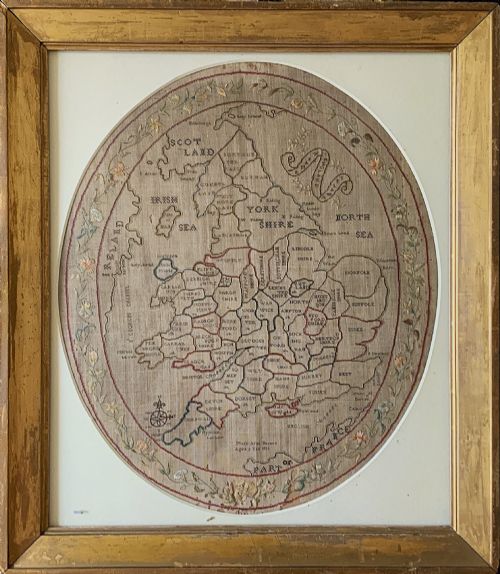
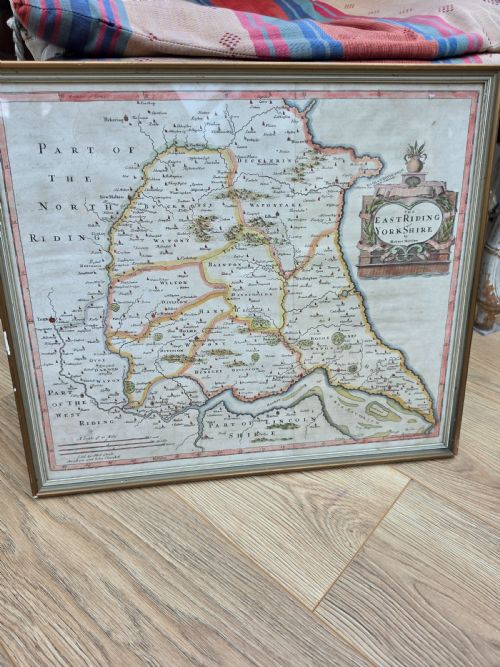
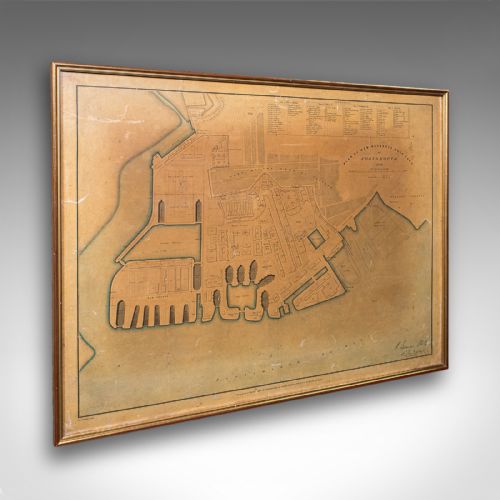
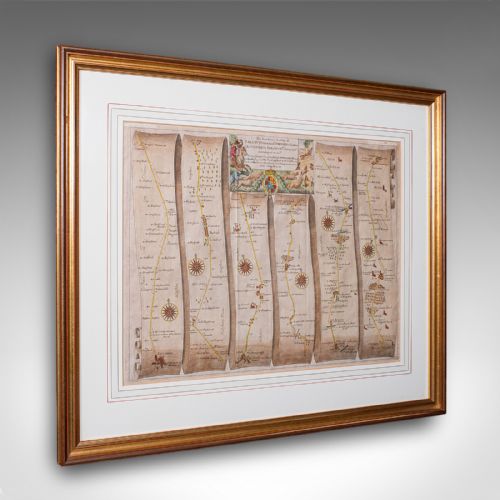
A gilt framed antique map represents historical cartography, spanning periods from the seventeenth century through to nineteen ten. These pieces take the form of wall art and framed maps showing various English counties including Surrey, Somerset, Dorset, Cardiganshire, Essex, and Lancashire.
The versions most commonly met on this page range from Georgian examples to seventeenth century cartography and later nineteenth century works. Each piece pairs geographical illustration with period framing, serving as both a reference document and a decorative object.
How they were made
The construction of these pieces relies on traditional paper documents bearing ink printings, housed securely behind glass. Wood forms the underlying structure of the framing, finished with a layer of gold leaf or gilt.
Makers utilised engraving techniques and hand colouring on paper sheets, subsequently mounting them into protective wooden surrounds. The application of gilt or gold leaf to the timber frame provides the characteristic metallic border seen across these items.
Gilt Framed Map Retail Price Guide 2026
Typical asking prices for gilt framed map among the pieces listed under this phrase on Sellingantiques today, from the lower quarter to the upper quarter. They describe what is for sale here now, not the wider market.
Old county maps occasionally misspell local villages, turning a quiet rural hamlet into an accidental fantasy destination for curious readers.
What varies in quality
Quality in these works is defined by the clarity of the cartographic engraving and the preservation of the paper itself. Finer examples display sharp geographical lines and legible place names produced by notable cartographers, whereas lesser pieces show more wear or faded ink.
The finish of the wood and the application of the gold leaf also separate the higher end of the range from simpler mountings. Original framing materials and well-preserved gilt surfaces contribute significantly to the overall integrity of the piece.
John Cary·Thomas Kitchin·Robert Morden·Emanuel Bowen
The Gilt Framed Map Glossary
- Cartography
- The science or practice of drawing maps. It encompasses the detailed representation of geographical areas found on these historical sheets.
- Gilt
- Covered thinly with gold leaf or gold paint. This finish creates the metallic sheen characteristic of the frames.
- Georgian
- Relating to the reigns of the first four British monarchs named George, spanning the eighteenth and early nineteenth centuries. This period produced distinct styles in framing and cartographic design.
- Atlas
- A bound collection of maps or a comprehensive cartographic reference work. Individual sheets from such volumes frequently appear framed for wall display.
Gilt Framed Map: Frequently Asked Questions
How do I date an antique map?
Dating relies heavily on the internal evidence of the cartography itself, such as place names, border styles, and cartouche designs. Printers and cartographers often included publication dates or address details directly on the paper.
Secondary indicators include the paper stock, the typography, and the style of the surrounding wood and gilt frame. Comparing the geographical boundaries shown to known historical shifts provides further confirmation of the period.
Are these maps original or reproductions?
The pieces listed here are period items originating from the seventeenth century, the Georgian era, and the early twentieth century. They utilise traditional paper and ink materials consistent with their stated dates.
Examining the paper texture, plate marks from the printing process, and the ageing of the ink helps distinguish authentic historical maps from modern facsimile prints.
How should I hang a gilt framed map?
Choose an interior wall away from direct sunlight and excessive moisture to protect both the paper and the wooden frame. Ultraviolet light can fade ink and discolour old paper over time.
Ensure the hanging fixings match the weight of the wood and glass construction. Using professional picture hooks secured properly into the wall provides stable support for the framed art.