
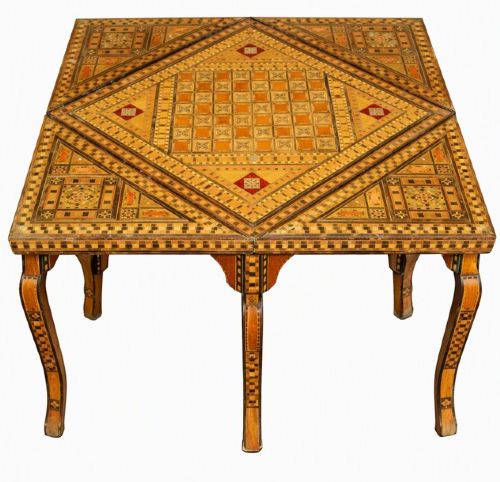
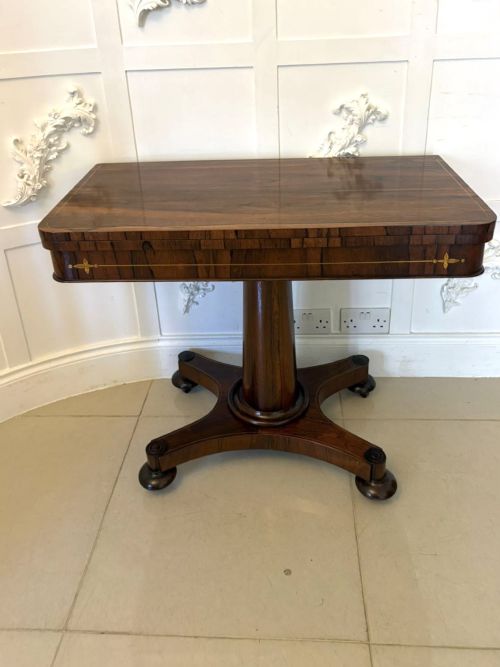
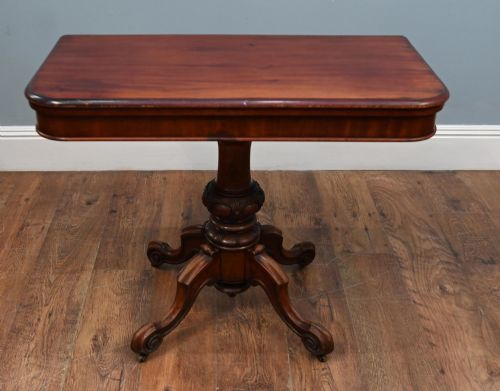
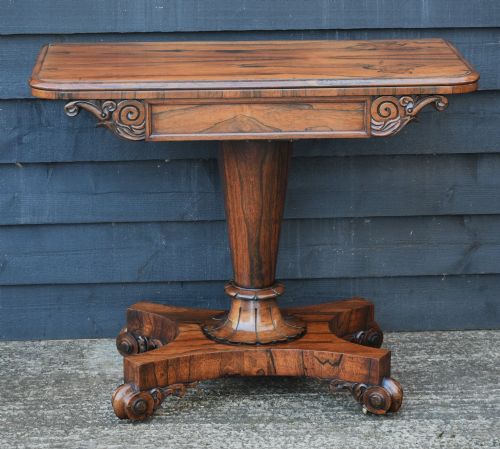
Wood Fold Top Table
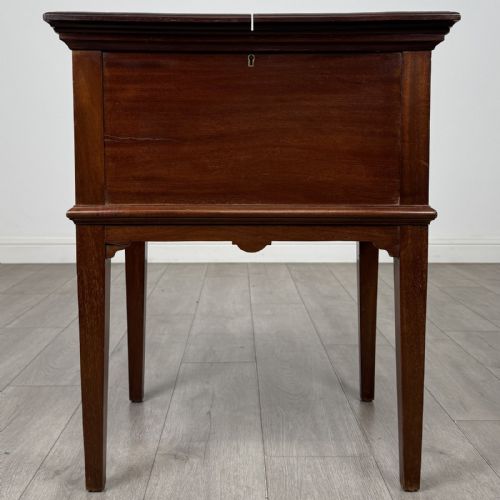
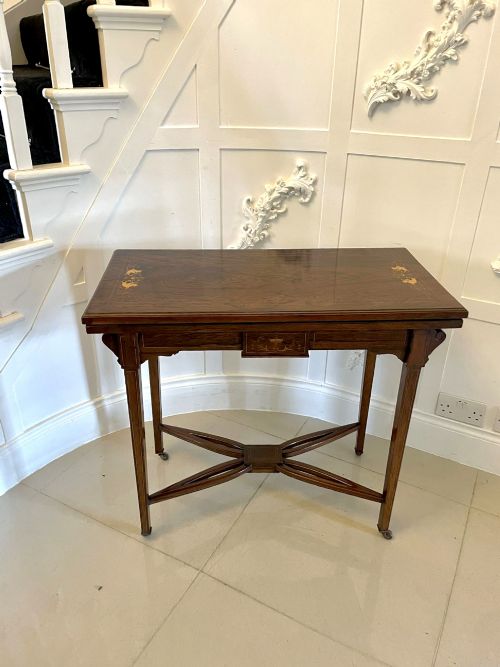
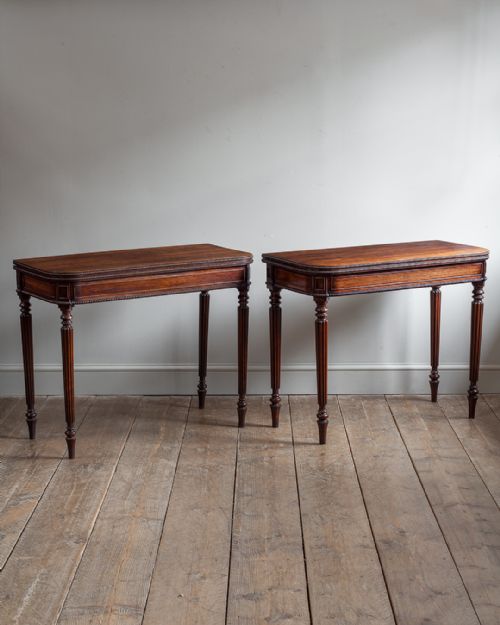
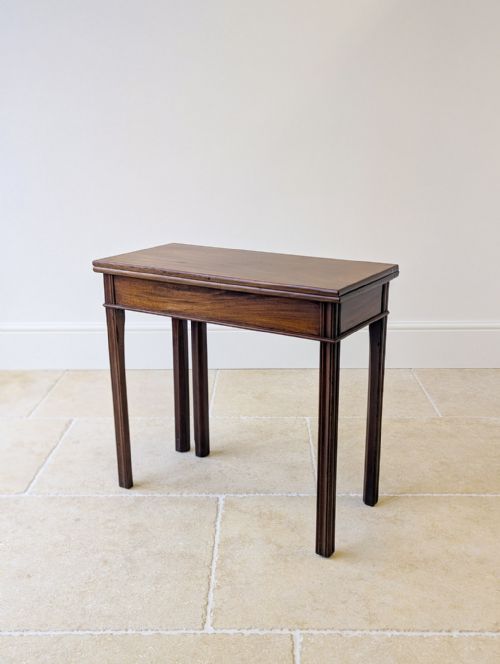
These wood fold top tables transform from compact consoles into full-sized gaming or tea surfaces, offering centuries of ingenious carpentry designed for flexible rooms.
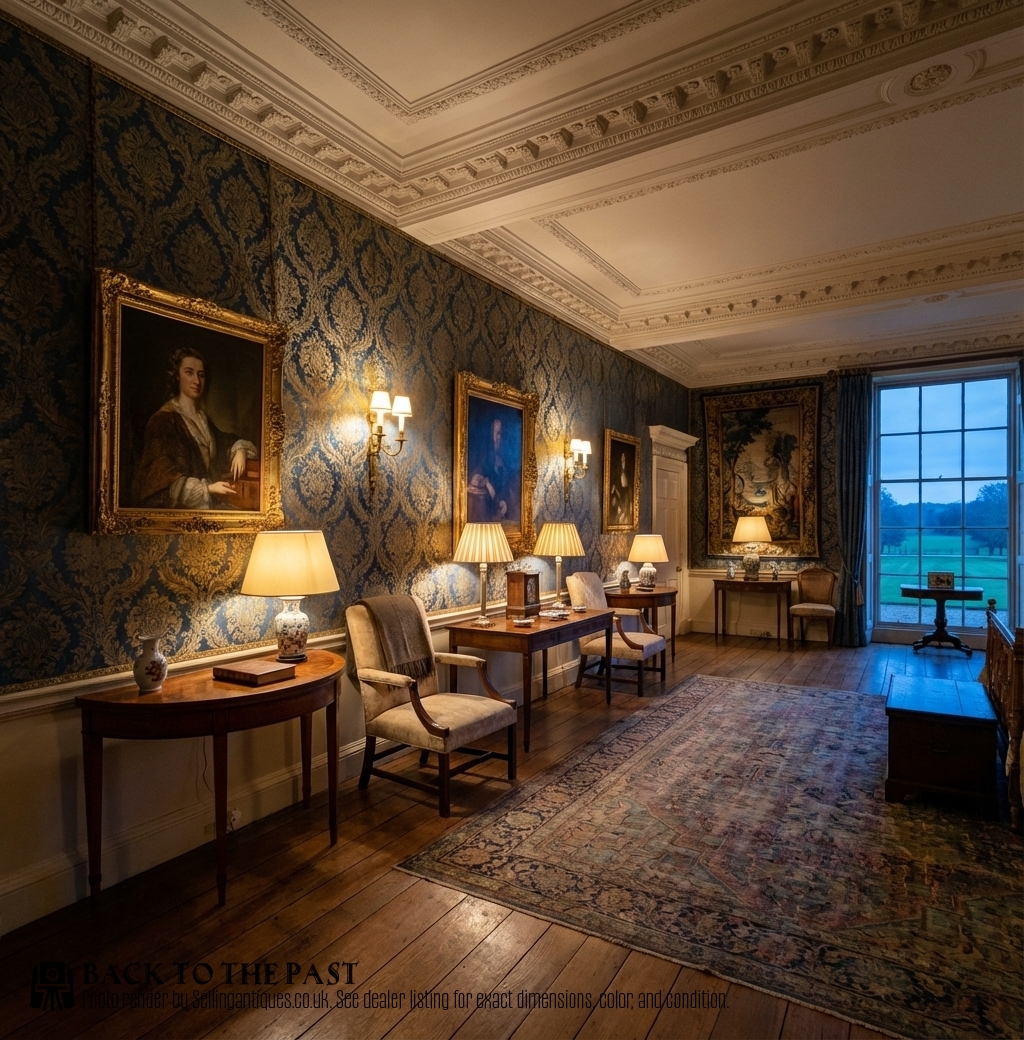
Wood Fold Top Table
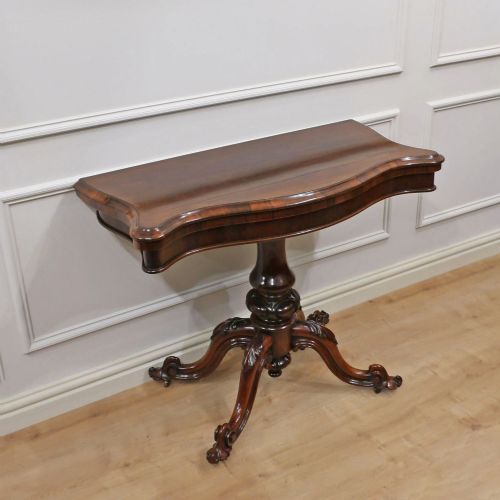
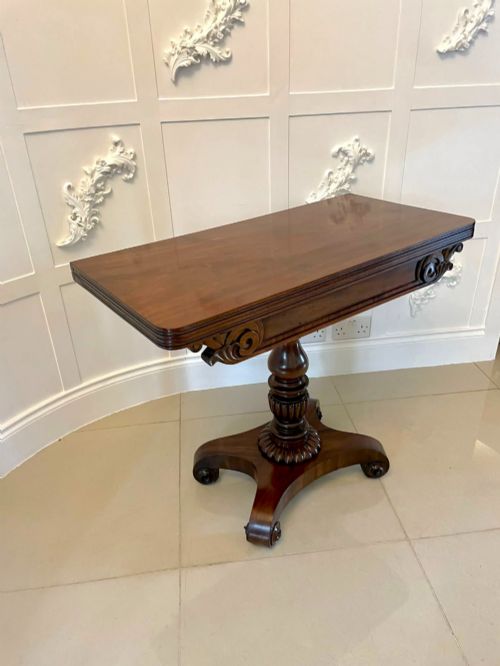
When you search for a wood fold top table, you examine a lineage of convertible furniture spanning from the eighteenth century through the Victorian era. The selection centres on card tables, games tables, and tea tables that double their surface area when the hinged top unfolds.
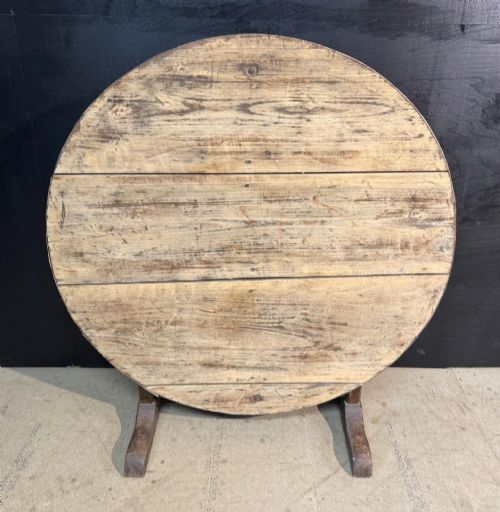
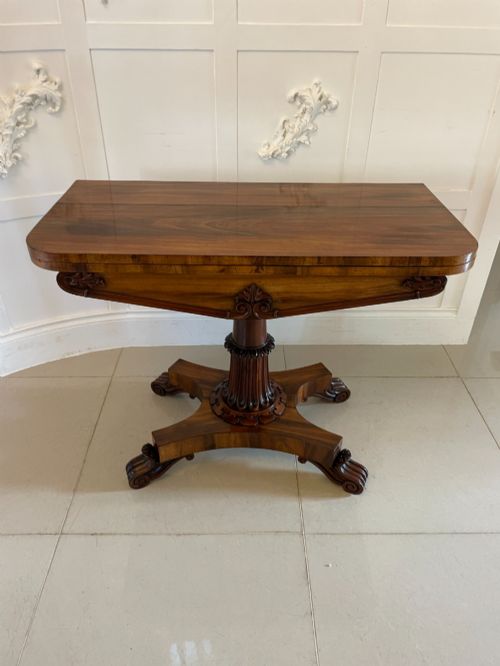
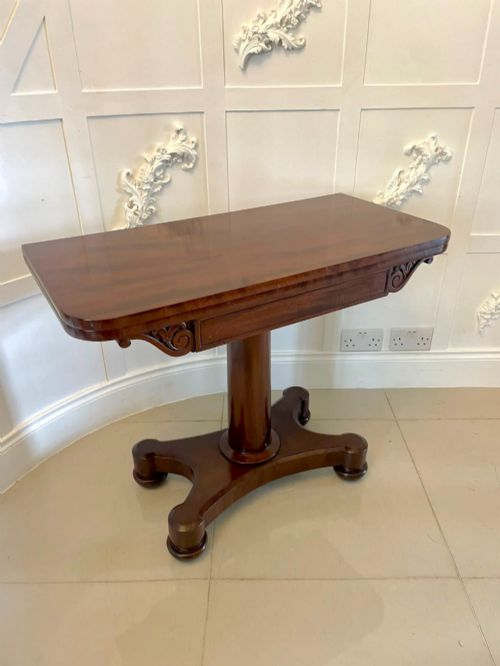
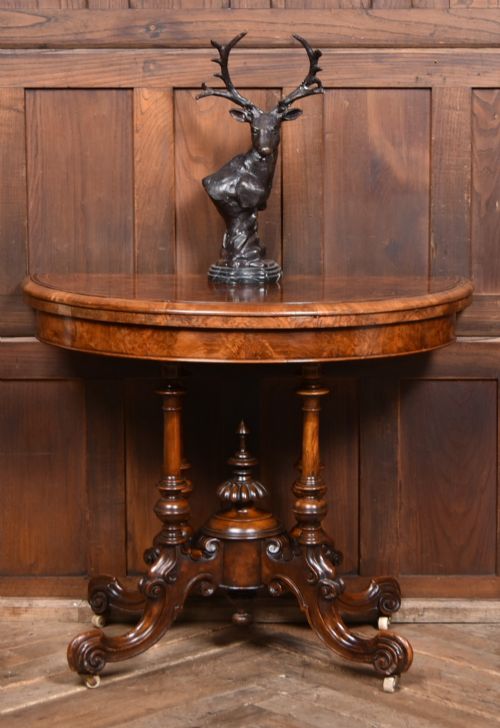
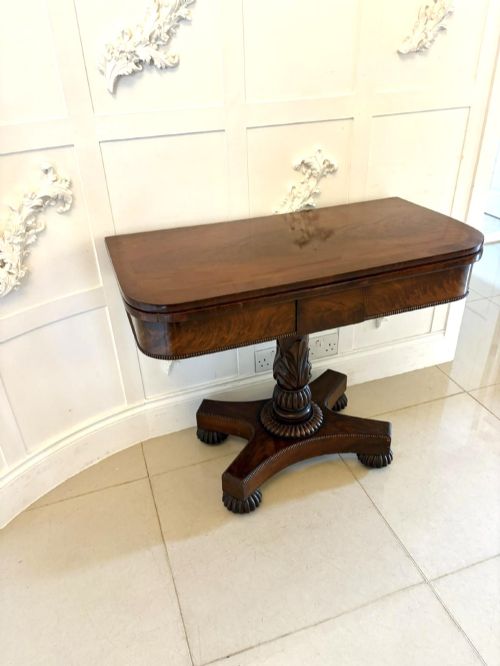
The most common examples you encounter date from the Regency and Victorian periods, executed in forms such as D-shaped consoles, demi-lune tables, and rectangular tea tops. Alongside these formal pieces, English and French country variants appear, including gateleg tables and tray tables with folding stands.
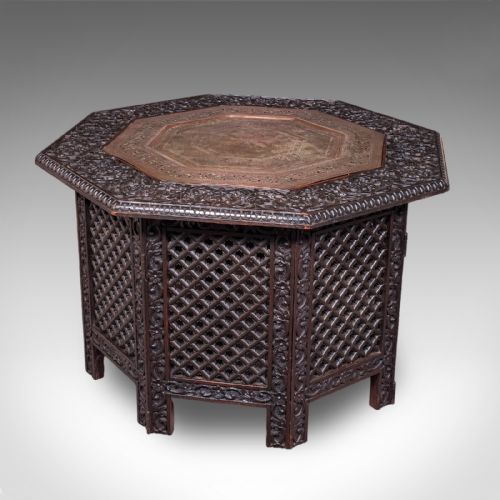
Originating largely from British workshops of the Georgian, William IV, and Victorian periods, the inventory also accommodates Anglo-Indian and regional iterations utilising local timbers. Each piece reflects the social habits of its era, built to adapt a domestic interior for cards, dining, or tea.
Materials and Construction
Cabinetmakers relied on dense hardwoods such as mahogany, rosewood, and walnut to build stable folding mechanisms that withstand regular use. Figured veneers, burr walnut, and satinwood frequently overlay the primary structure to create striking grain patterns on the display surface.
Inlaid brass stringing, carved paw feet, and turned baluster legs demonstrate the decorative techniques applied to these tables. Brass hinges, original castors, and pivoting rule joints allow the folding leaves to operate smoothly while maintaining structural alignment.
Listings feature woods spanning mahogany, rosewood, walnut, oak, teak, and satinwood across periods from the eighteenth to the twentieth century.
Markers of Superior Make
The distinction between standard production and top-tier workshop output lies in the selection of timber and the precision of the hinge mechanism. Superior tables employ highly figured mahogany or richly grained rosewood matched symmetrically across the fold.
Construction integrity defines the better pieces, where the rotating or pivoting mechanism supports the opened leaf without sag or strain on the frieze. Refined carving on the pedestal supports and crisp brass inlay elevate an ordinary utility table into a balanced piece of cabinet work.
Gillows
The Wood Fold Top Table Glossary
- Fold-over top
- A hinged wooden surface that doubles the table's footprint when opened and laid flat. This mechanism allows a compact console or side table to function as a dining or card surface.
- Card table
- A specialised table designed for gaming, typically featuring a baize-lined interior and a compartment to store counters. They date prominently from the Georgian and Regency periods.
- Tea table
- A small domestic table intended to hold tea service equipment. Many examples utilise the fold-over top to provide a stable wooden surface when entertaining guests.
- Gateleg table
- A table with hinged legs that swing out to support a drop-leaf or folding top. The design dates back to the seventeenth century and relies on turned baluster supports.
- Burr walnut
- A prized timber harvested from the irregular growths of walnut trees, displaying intricate, swirling grain patterns. It was favoured by nineteenth-century cabinetmakers for decorative veneering.
Wood Fold Top Table: Frequently Asked Questions
How do you open a fold top table?
The upper leaf lifts on brass hinges and rotates on a pivot or swings out on a gateleg support to reveal a finished surface. The supporting frieze or rear leg moves outward simultaneously to bear the weight of the open leaf.
Most tables rely on a simple rule joint or pivoting rule movement built into the timber frame. Care must be taken to lift the leaf cleanly rather than forcing the hinge mechanism if timber has expanded over the decades.
What was a games table used for?
Georgian and Victorian households utilised these tables for evening pastimes such as whist, chess, and card games. The interior surface was frequently lined with green baize or felt to cushion playing pieces and prevent slipping.
When not in use for gaming, the folded top allowed the table to sit flat against a drawing room wall as an ordinary side or console table.
How do I date a mahogany fold top table?
Dating relies on stylistic clues such as leg shape, edge moulding, and timber selection. Georgian pieces often feature slender straight legs or carved serpentine edges, while Regency examples showcase brass inlay and pillar-and-base pedestals.
Victorian variations introduce heavier proportions, figured walnut veneers, and more robust turned supports. Examining the secondary timbers inside the frame also helps confirm the period of manufacture.
Can you use a fold top table every day?
These tables function well for daily domestic use provided the folding mechanism is operated with care. Placing them away from direct heat sources prevents the solid mahogany or rosewood tops from warping.
When opening the leaf, ensure the support leg takes the weight evenly to protect the hinge screws from loosening over time.