



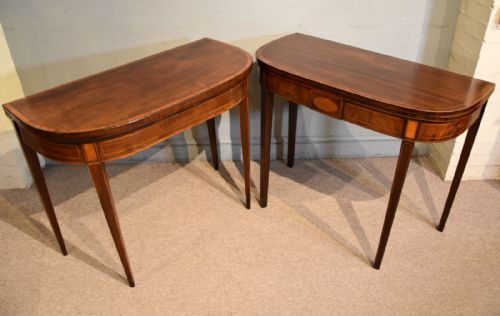


Hepplewhite Games Table
A hepplewhite games table brings eighteenth-century elegance and folding functionality straight into a modern drawing room.
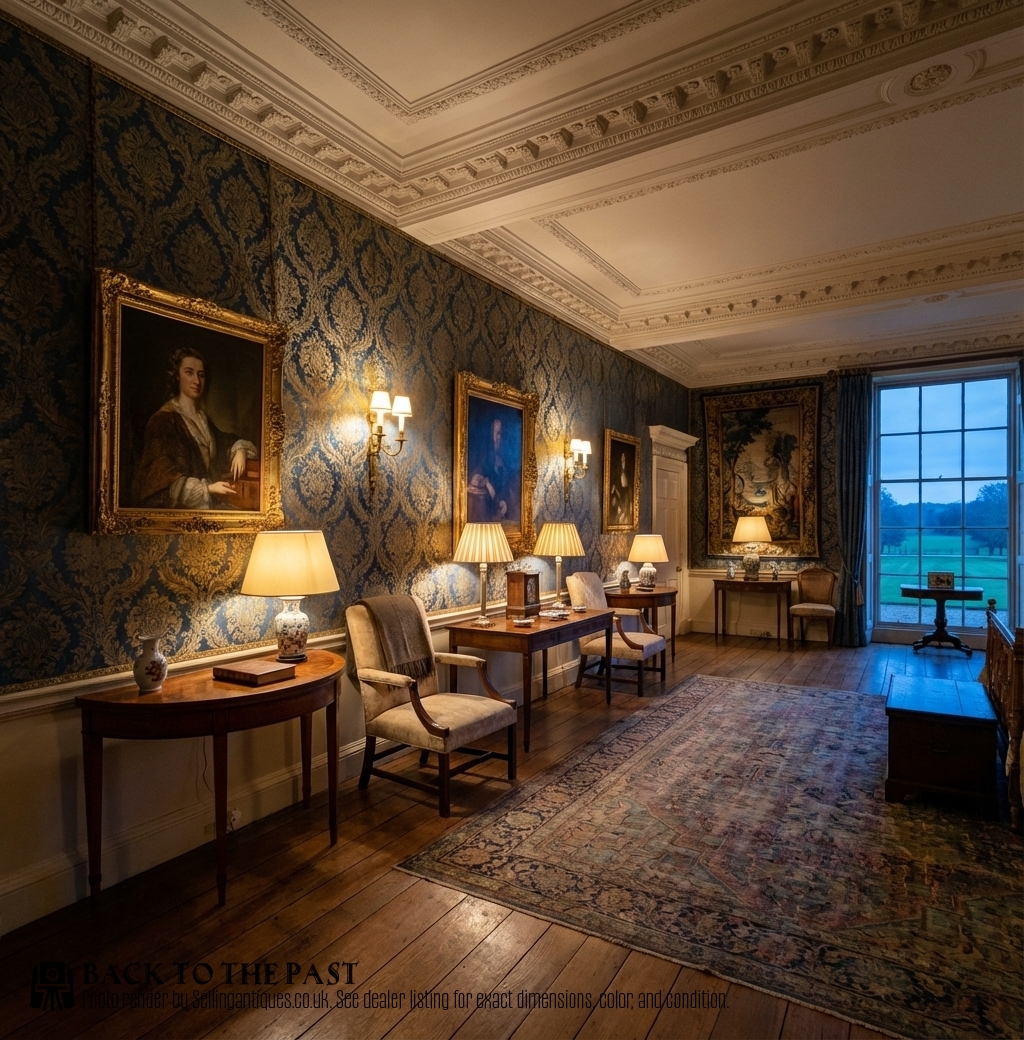
What these tables are
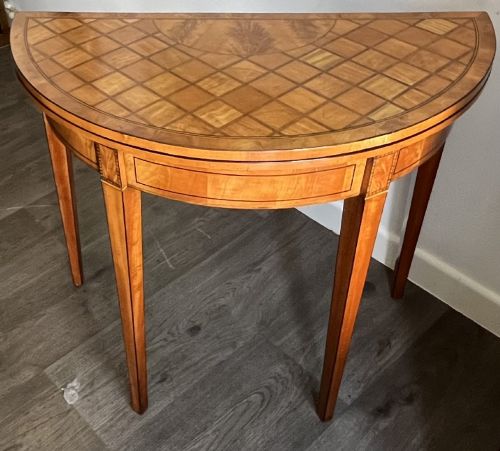
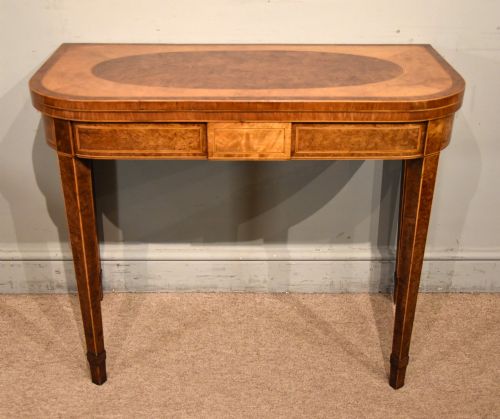
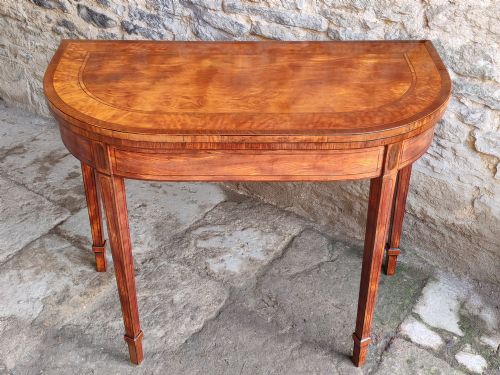
A hepplewhite games table serves as a folding card surface, a tea table, and a decorative occasional piece in the Georgian style. The selection includes eighteenth-century originals alongside later Edwardian revival pieces made around nineteen hundred.
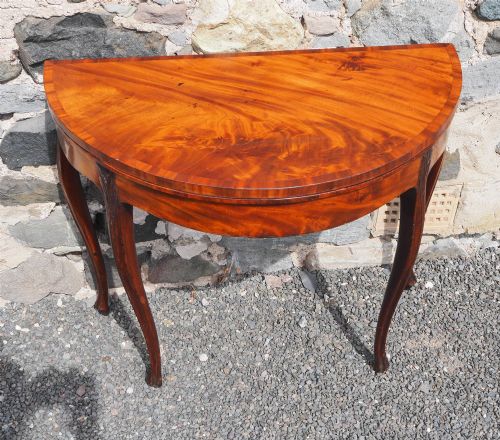
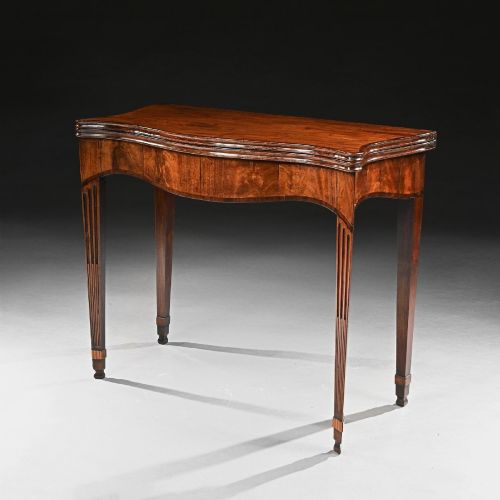
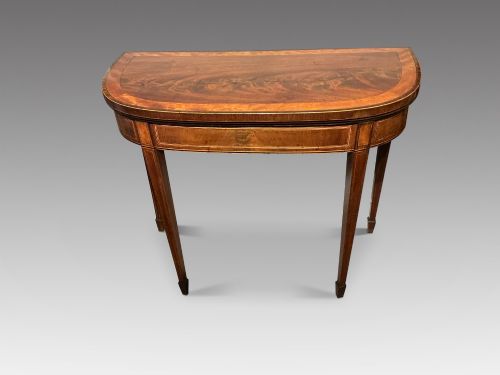
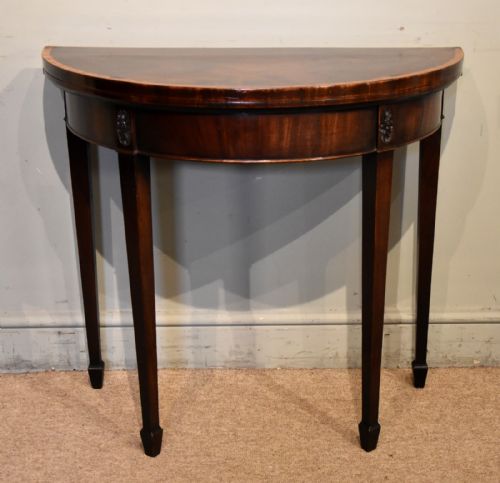
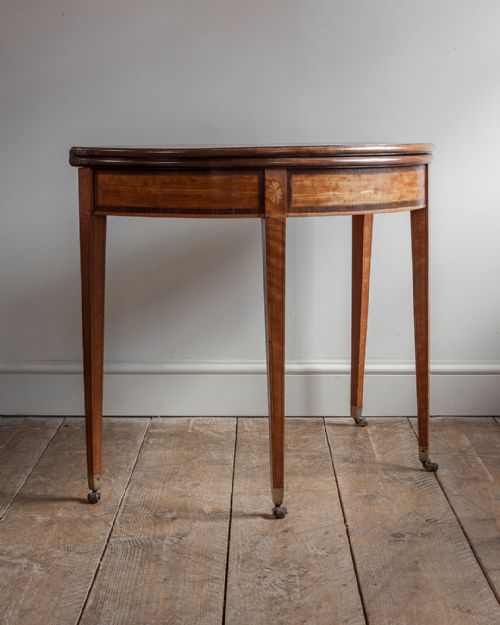
Most examples take the form of card tables featuring mahogany, flame mahogany veneer, and satinwood. Certain items display serpentine shapes, French taste influences, and delicate wood or rosewood inlay.
Buyers encounter period pieces spanning the eighteenth century alongside nineteen-hundred revivals. Card tables and games tables dominate the forms, offering versatile folding tops for domestic use.
How they were made
Cabinetmakers constructed these tables using solid mahogany, satinwood, and flame mahogany veneer over timber foundations. Craftsmen applied decorative wood and rosewood inlay to enhance the primary surfaces.
Metal components such as brass often featured in hinges, swing legs, and hardware mechanisms supporting the folding tops. Joinery methods ensured stable folding actions for card and tea use.
Retail Price Guide 2026
Typical UK retail prices for hepplewhite games table, calculated from the Sellingantiques database of over a million retail prices indexed since 2003. This retail price guide relies exclusively on Sellingantiques data; no external sources or auction records are used, so the figures do not describe the wider market.
Card tables often conceal secret swing legs that pivot outward like clockwork to catch the unwary player.
What varies in quality
Quality rests in the choice of timber, where figured flame mahogany veneer and intricate satinwood or rosewood inlay elevate the visual impact. The crispness of the serpentine shaping and the refinement of the Hepplewhite French taste define the upper tier.
Period authenticity separates eighteenth-century Georgian originals from Edwardian revival pieces made around nineteen hundred. Superior execution appears in the balance of the folding mechanism and the precision of the wood inlay.
The Hepplewhite Games Table Glossary
- Hepplewhite
- A late eighteenth-century design style known for graceful serpentine fronts, slender legs, and refined inlay work. This aesthetic derives from the pattern books associated with cabinetmaker George Hepplewhite.
- Serpentine
- A furniture shape featuring a gentle undulating front curve that bulges outward centrally and curves inward at the sides. This contour requires skilled carpentry to execute smoothly.
- Flame mahogany veneer
- A decorative wood slice cut from timber where branches join the trunk, creating a distinct flickering flame pattern. Cabinetmakers applied this veneer to primary tabletops for visual drama.
- Satinwood
- A lustrous yellowish timber utilised for contrasting inlay and fine banded details. It gained popularity during the Georgian period for light-reflecting qualities.
- Fold-over card table
- A dual-purpose table with a hinged top that opens to reveal a baize or polished wood playing surface. The folding flap rests on a swing leg or concertina frame.
Frequently Asked Questions
How do I use a hepplewhite games table today?
These tables function brilliantly as console surfaces against a wall when folded shut. Opening the top creates an immediate writing desk or card-playing station.
Position the table in a living room or hallway where the polished mahogany and inlay remain visible. Avoid placing them in direct sunlight to protect the wood veneer.
How do I tell an original eighteenth-century table from an Edwardian revival piece?
Examine the secondary woods, internal framing, and wear patterns beneath the tabletop. Eighteenth-century pieces exhibit hand-cut joinery and period timber oxidation.
Edwardian revival tables made around nineteen hundred often display cleaner machine tooling and standardised hardware. Compare the crispness of the satinwood inlay and the style indicators noted in the listing.
What is the difference between a card table and a tea table?
Card tables typically include a fold-over leaf designed to reveal a baize-lined or polished surface for gaming. Tea tables share similar folding or fixed formats but served dining or social tea functions.
Many Georgian designs accommodated both uses interchangeably depending on the domestic setting. Look at the interior surface and framing hints to determine the primary intended purpose.
How do I care for mahogany and satinwood surfaces?
Dust the timber regularly with a soft, dry cloth to prevent grit accumulation. Apply occasional natural beeswax to nourish the antique wood finish.
Keep the tables away from direct heat sources and radiators to prevent timber shrinkage. Use coasters beneath drinks to protect the antique polish and veneer.