

Wood Bedside Chests
Wood bedside chests are compact storage pieces built for the bedroom, offering practical surface space and drawer capacity next to a bed.
Wood Bedside Chests
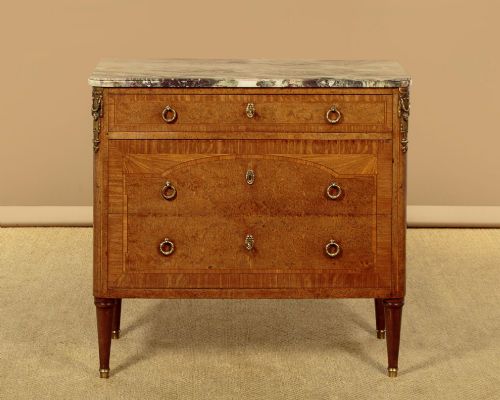
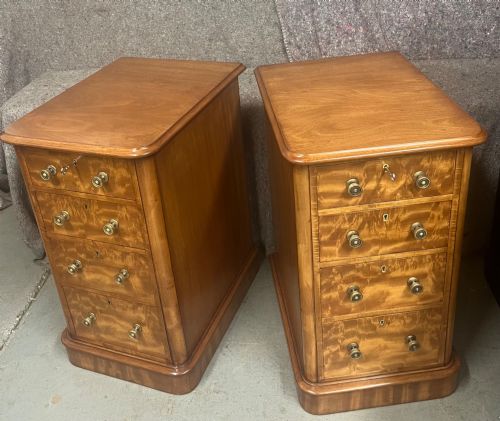
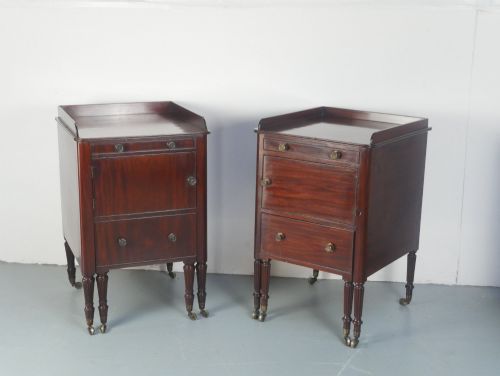
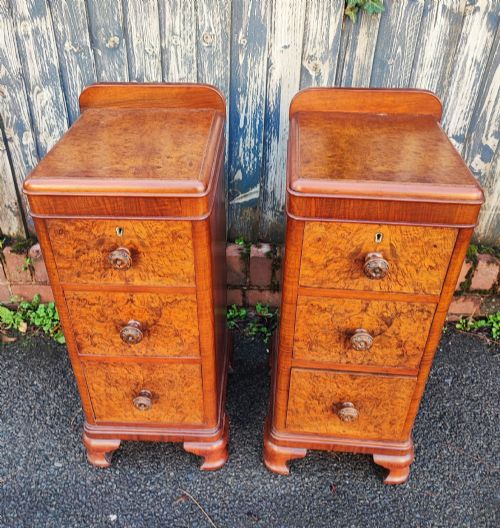
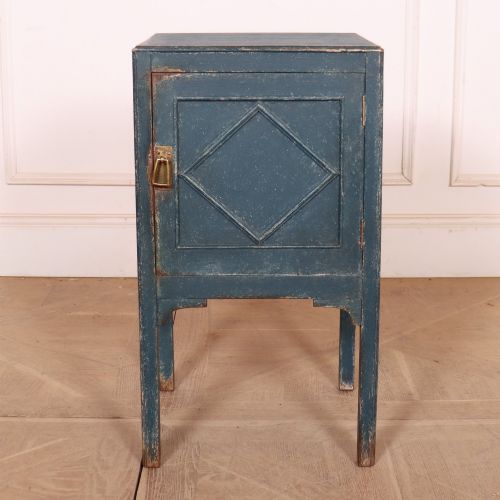
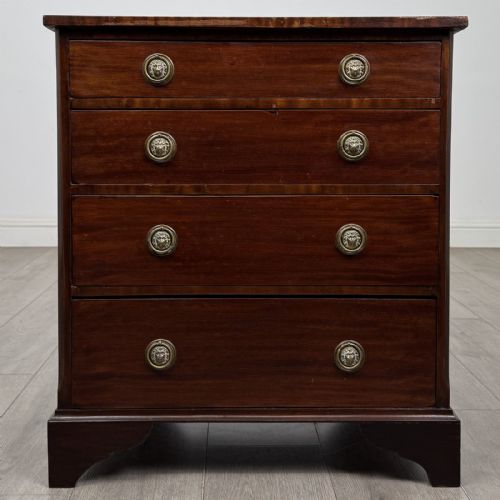
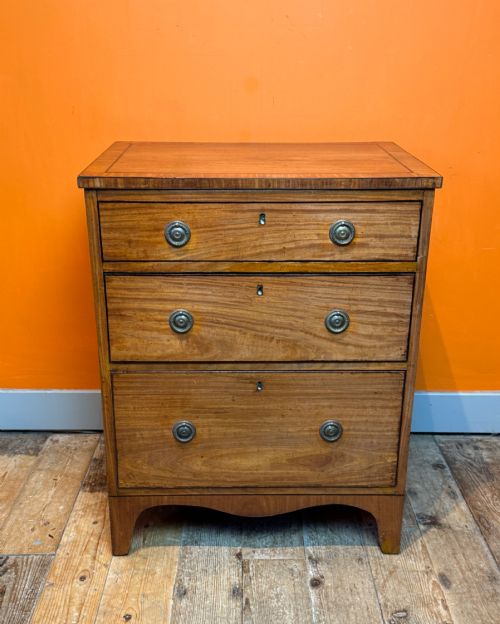
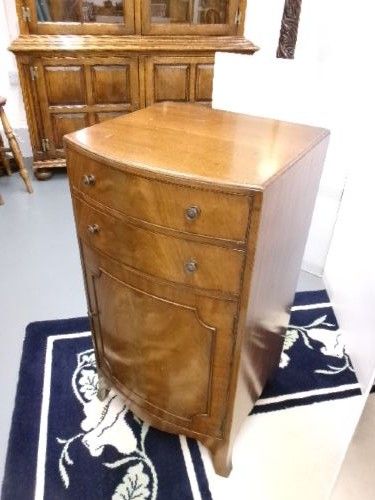
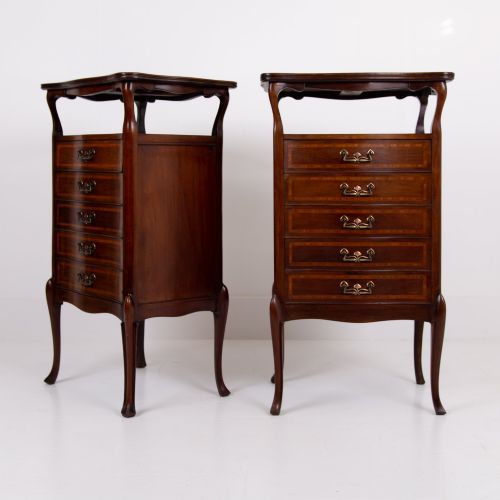
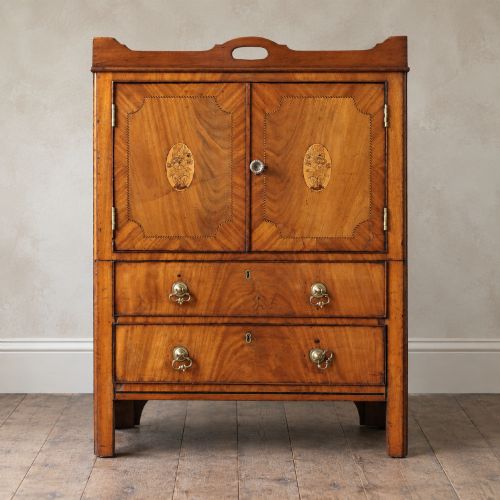
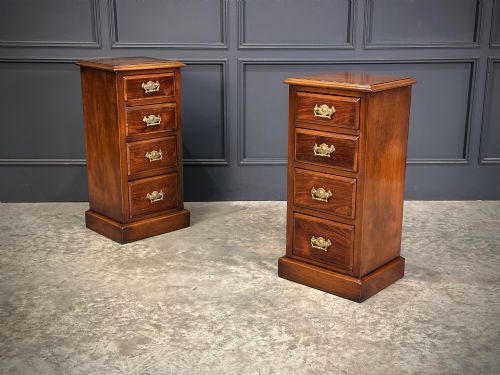
When buyers search for wood bedside chests, they encounter a range of compact storage forms designed to sit beside a bed. The selection includes chests of drawers, bedside cabinets, commodes, and side cabinets spanning periods from the Georgian era through the Victorian period and into the 1930s.
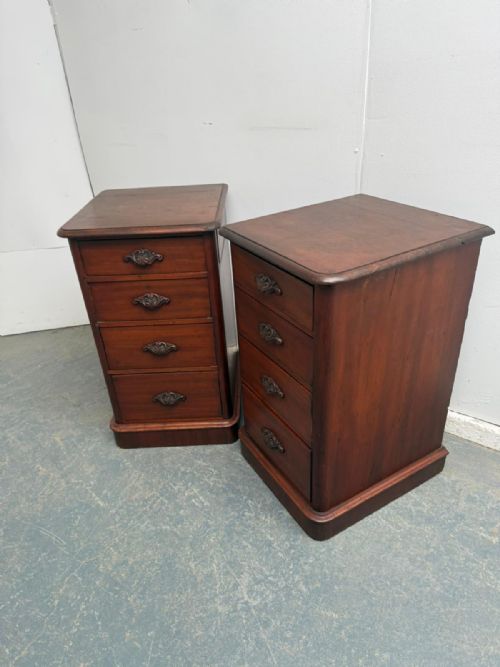
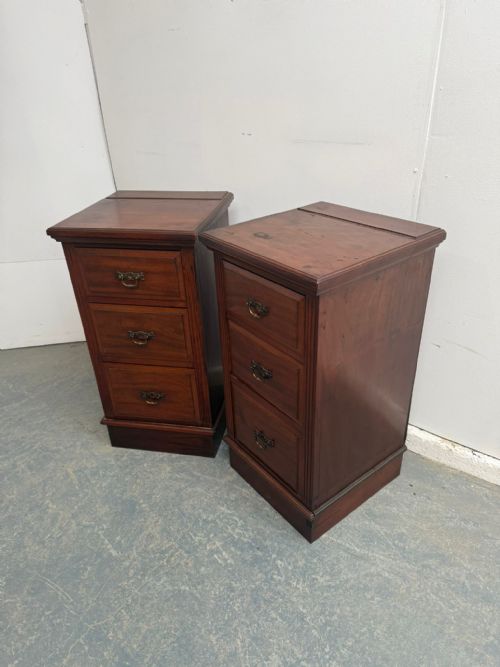
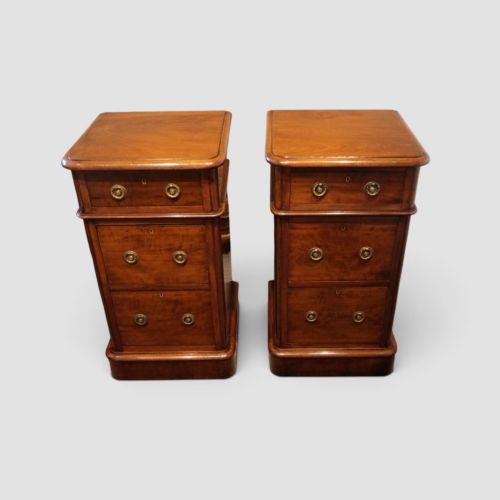
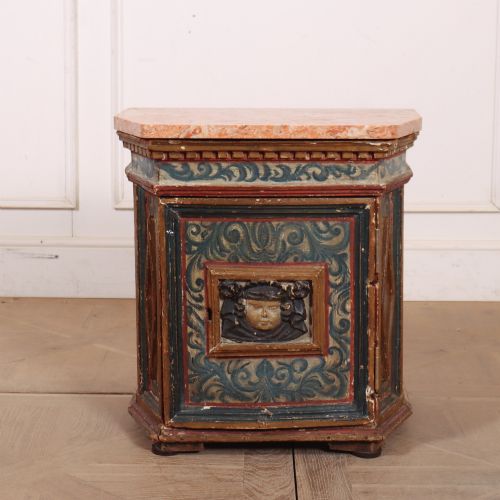
The most common examples on this page are mahogany pieces from the Victorian and Georgian eras, often featuring multiple small drawers or cupboard doors. Alongside these traditional English forms, the inventory includes painted Swedish and Dutch commodes, walnut cabinets from the 1920s, and satinwood or rosewood designs.
Materials and Construction
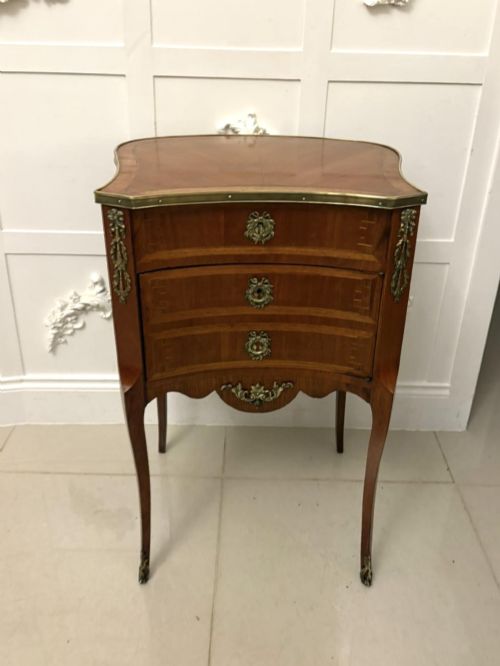
Cabinet makers relied heavily on hardwoods such as mahogany, walnut, and rosewood, frequently employing figured veneers like burr walnut, flame mahogany, and amboyna on primary surfaces. Pine served as a common secondary timber for drawer construction and internal carcases.
Surface decoration involved marquetry, parquetry, and inlay using contrasting woods like satinwood, paired with functional brass handles. Painted finishes appear on continental pieces, utilising green paint or specific regional palettes.
Wood Bedside Chests Retail Price Guide 2026
Typical asking prices for wood bedside chests among the pieces listed under this phrase on Sellingantiques today, from the lower quarter to the upper quarter. They describe what is for sale here now, not the wider market.
Listings feature woods including mahogany, walnut, burr walnut, satinwood, pine, and rosewood, spanning periods from the Georgian era to the 1930s.
Distinctions in Quality
Quality in these pieces rests on the selection of timber veneers and the precision of the cabinet work, particularly in drawer construction and inlaid details. Examples with matched grain patterns and finer decorative marquetry occupy the upper tier of the range.
The integrity of the original hardware, such as brass handles and working locks, together with the crispness of carved or shaped elements, separates standard utility pieces from finer examples made by established makers.
Wyle And Lochead Glasgow·Warings Liverpool
The Wood Bedside Chests Glossary
- Commode
- A low cabinet or chest of drawers, often standing on legs, originally designed for bedroom use. Many continental and Georgian examples provide enclosed storage behind doors or drawers.
- Marquetry
- Decorative veneer work forming pictorial or geometric patterns using various coloured woods. Craftsmen cut pieces of veneer and fitted them into a background panel.
- Night commode
- A small bedside cabinet designed to enclose a chamber pot. These often feature a cupboard door above a dummy drawer or a tray top.
- Parquetry
- A geometric mosaic of wood pieces used for floors or cabinet surfaces. It differs from marquetry by creating repeating angular patterns.
- Satinwood
- A durable hardwood with a lustrous, golden-yellow sheen used extensively for fine cabinetmaking and inlay work. It gained popularity during the Georgian and Regency periods.
Wood Bedside Chests: Frequently Asked Questions
What is a bedside chest?
A bedside chest is a small piece of furniture designed to hold night-time necessities while providing a surface for a lamp.
These pieces typically combine drawers or a small cupboard to keep personal items organised within arm's reach of the bed.
How do I date a wood bedside chest?
Dating relies on identifying the prevailing style, timber choices, and construction methods characteristic of periods like the Georgian era, Victorian period, or 1920s.
Examining secondary woods inside the drawers and the style of handles offers further clues to the manufacturing decade.
What woods were used for bedside chests?
Cabinet makers utilised dense hardwoods including mahogany, walnut, rosewood, and satinwood for visible surfaces. Pine frequently served as a secondary timber for internal drawer linings.
Continental pieces also feature painted finishes over softwoods or hardwoods.
Where were these chests made?
The pieces originate from various regions, with English workshops producing the majority of the mahogany and rosewood designs. Continental examples from Sweden, France, Italy, and Holland introduce painted finishes and distinct regional proportions.