

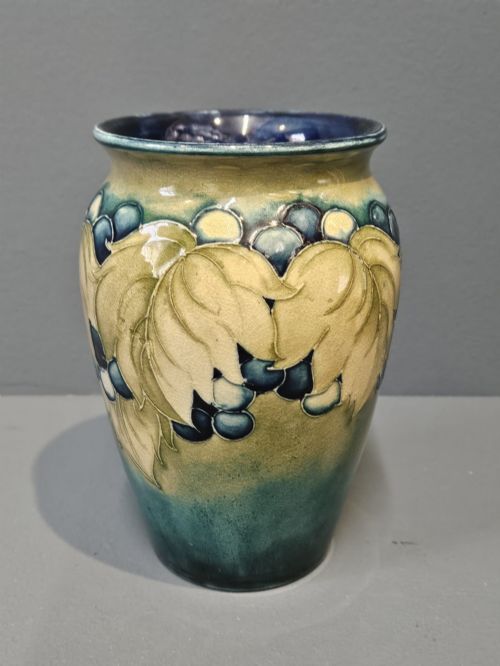
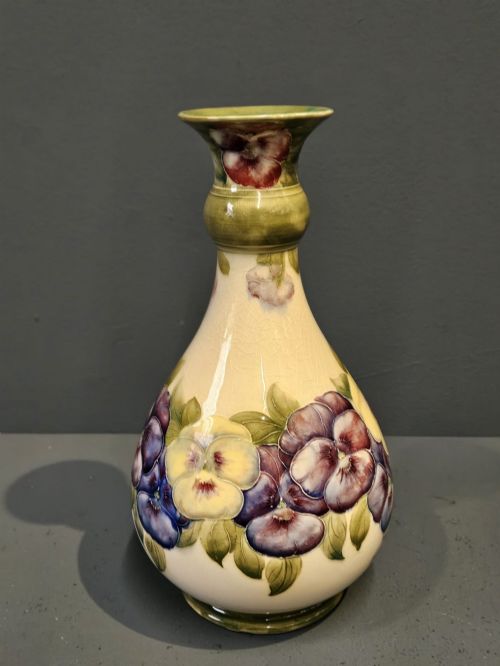


William Moorcroft Ceramics
William Moorcroft ceramics bring tactile depth and rich tube-lined colour to a room, offering collectors bold floral and geometric designs from the early twentieth century.
William Moorcroft Ceramics
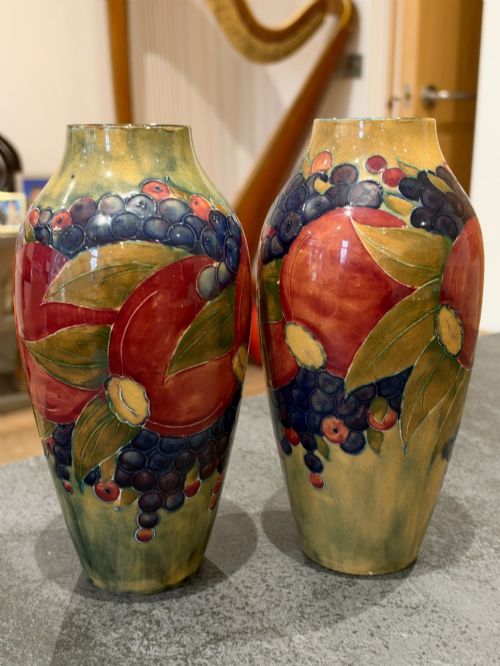
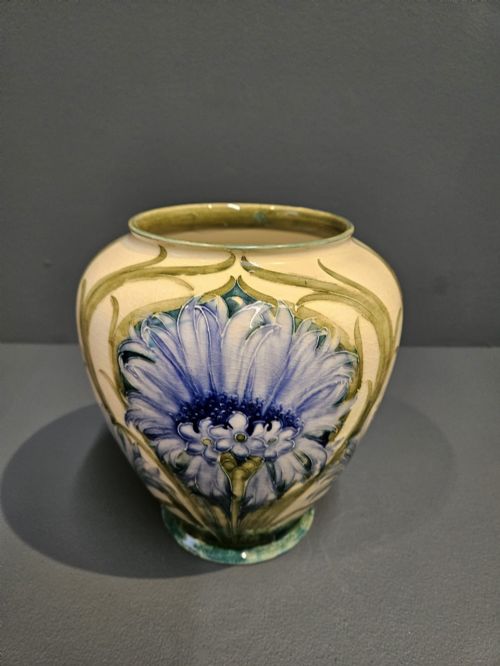
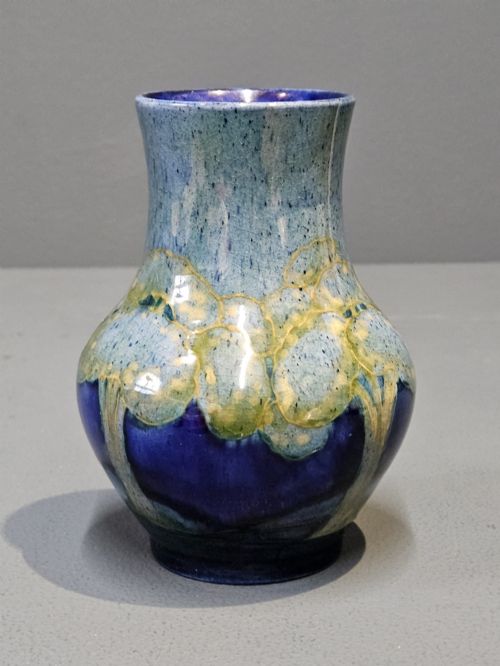
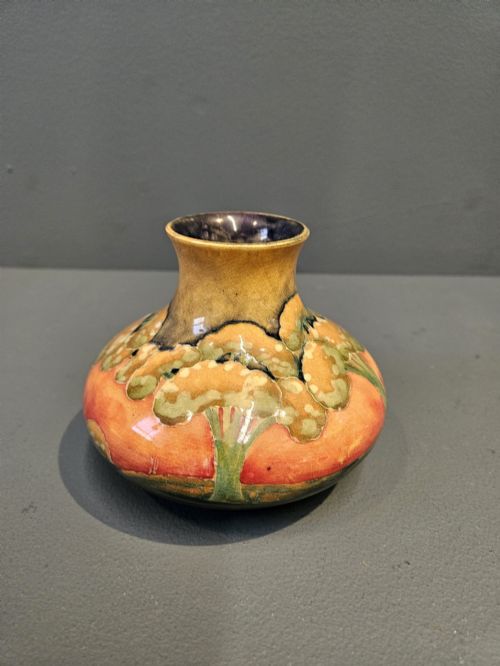
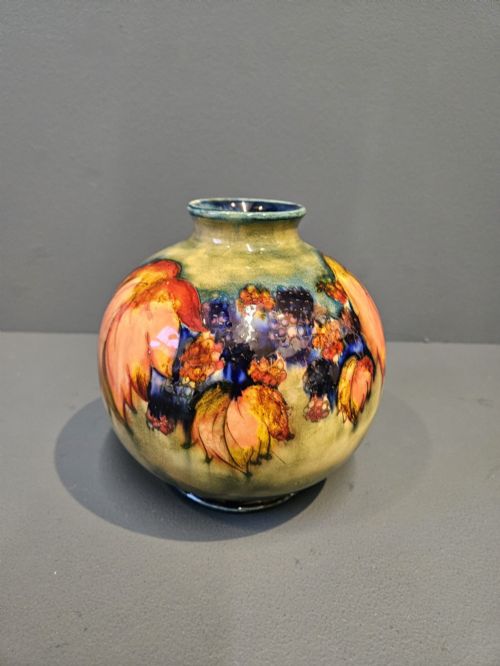
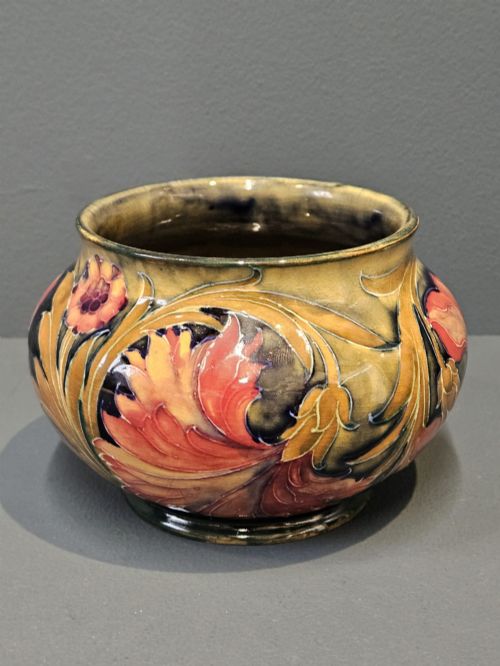
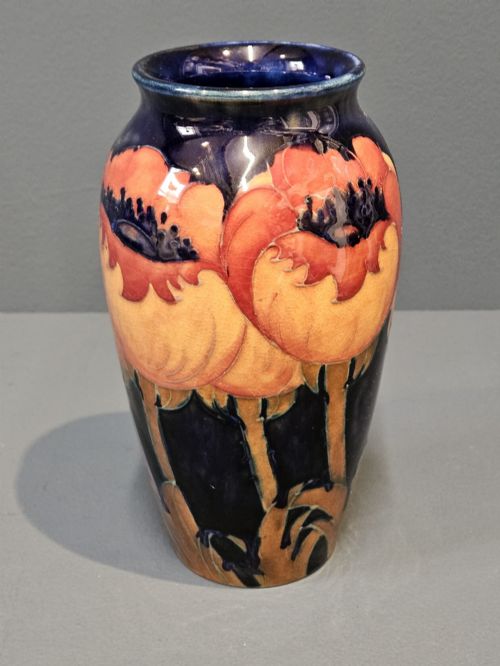
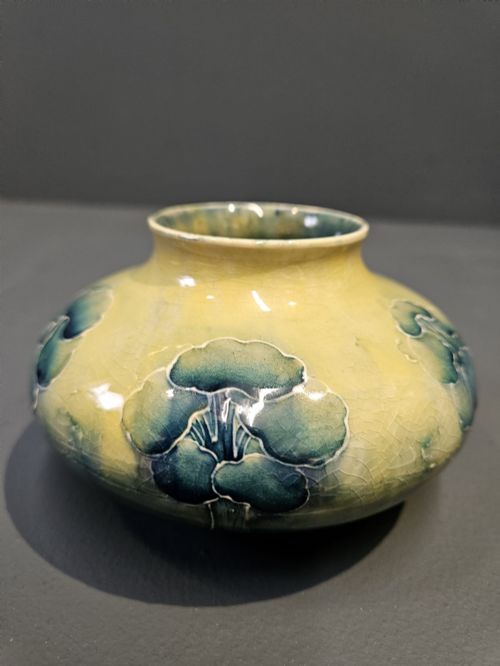
Collectors seek out specific patterns such as Florian Ware, Pomegranate, Spanish, and Hazeldene, alongside distinctive lines made for Liberty and Co. Forms vary from squat vessels to large twin-handled vases and compotes, reflecting the transition from Art Nouveau and Arts and Crafts tastes into Art Deco.
Dating primarily from the late nineteenth century through to the 1930s, these glazed earthenware items capture the distinct artistic vision of one of Britain's most celebrated ceramic designers. The forms rely heavily on organic motifs and rich, layered glazes that define the aesthetic of the era.
What varies in quality
The standard of an individual piece is determined by the crispness of the tube-lined demarcation and the depth and complexity of the glaze chemistry. Early productions associated with Macintyre often display particularly fine, experimental ground treatments and intricate hand-painted detailing.
Pieces created for retail partners such as Liberty and Co exhibit distinct design ambition, where the harmony between the earthenware form and the botanical or geometric pattern dictates the overall visual success of the work.
William Moorcroft Ceramics Retail Price Guide 2026
Typical asking prices for william moorcroft ceramics among the pieces listed under this phrase on Sellingantiques today, from the lower quarter to the upper quarter. They describe what is for sale here now, not the wider market.
Listings span the nineteenth and twentieth centuries, encompassing Victorian, Edwardian, Art Nouveau, Arts and Crafts, and Art Deco styles.
William Moorcroft·Macintyre and Co·Liberty and Co
The William Moorcroft Ceramics Glossary
- Tube-lining
- A ceramic decoration technique where liquid clay is piped through a nozzle to build raised outlines for coloured glazes. This method creates the characteristic tactile grid found on traditional Moorcroft patterns.
- Earthenware
- A porous type of ceramic pottery fired at lower temperatures and coated with a vitreous glaze to ensure impermeability. It serves as the primary body material for nearly all pieces shown here.
- Florian Ware
- An early floral style developed during the Macintyre association, characterised by flowing Art Nouveau plant motifs in soft blue or sepia tones. It represents some of the most sought-after early output.
- Flamminian ware
- A type of art pottery featuring stylised geometric or botanical designs beneath monochrome or mottled glazes, often produced for Liberty and Co. The aesthetic leans towards clean, bold forms.
- Celadon
- A pale green jade-like glaze originating from ancient ceramic traditions, adapted here to highlight leaf and berry motifs. The finish provides a subtle, understated contrast to more vibrant fruit patterns.
- Compote
- An elevated open vessel or dish traditionally used for serving fruit or sweets, rendered here in glazed ceramic. These decorative serving pieces offer a wide surface area to showcase complex patterns.
William Moorcroft Ceramics: Frequently Asked Questions
How do I identify early Moorcroft pieces?
Early pieces often bear the Macintyre factory mark alongside painted or impressed signatures from the designer. Look for turn-of-the-century styles such as Florian Ware and Aurelian patterns.
Examining the base signatures and the specific style of the tube-lined floral motifs helps establish the chronological period of manufacture.
What is the difference between Macintyre and Moorcroft wares?
Macintyre was the industrial pottery firm where William Moorcroft worked as designer and manager until founding his own kilns in the second decade of the twentieth century. Pieces from the earlier era carry the company name alongside his initial or signature.
Later independent pieces bear distinct marks reflecting the Moorcroft pottery name and registered pattern numbers.
How should I display glazed earthenware safely?
Position decorative vases and bowls away from direct, harsh sunlight to prevent any gradual fading of the vibrant underglaze colours. Ensure stable placement on level surfaces where the pieces are not at risk of accidental knocks.
Dust gently with a dry, soft cloth and avoid using chemical cleaning products on the glazed ceramic surfaces.
Are all patterns botanical?
While the majority of famous designs feature organic subjects like pomegranates, poppies, and pansies, some ranges focus on abstract or architectural motifs. Flamminian wares, for instance, lean towards stylised geometric treatments.
These varied decorative approaches reflect shifts in taste from Art Nouveau towards the cleaner lines of the Art Deco era.