


William IV Stool
A william iv stool brings sturdy nineteenth-century comfort and rich timber warmth to any traditional interior.
What a william iv stool is
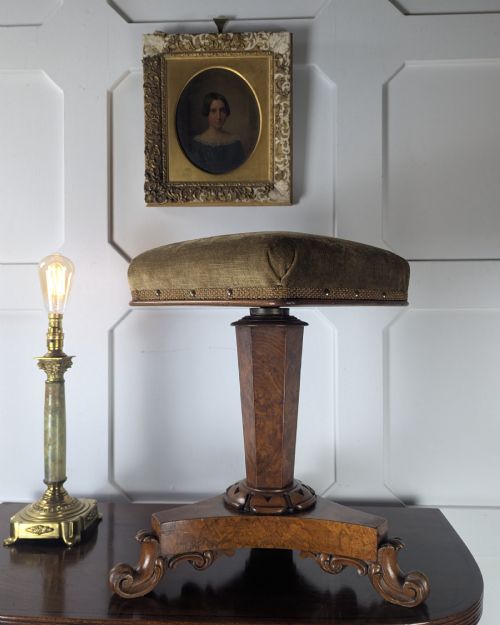
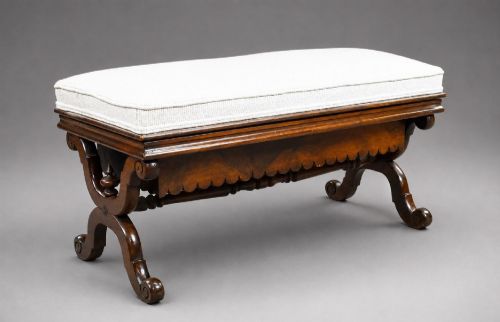
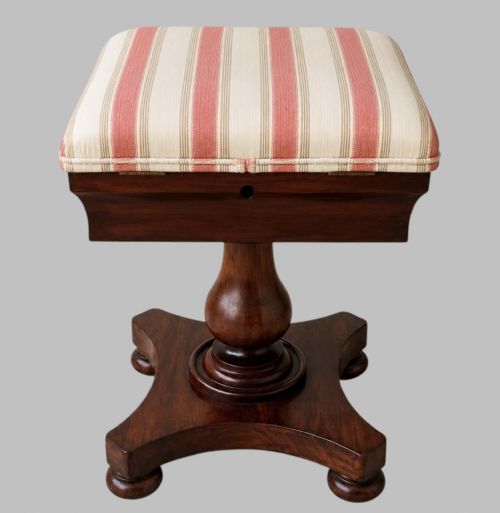
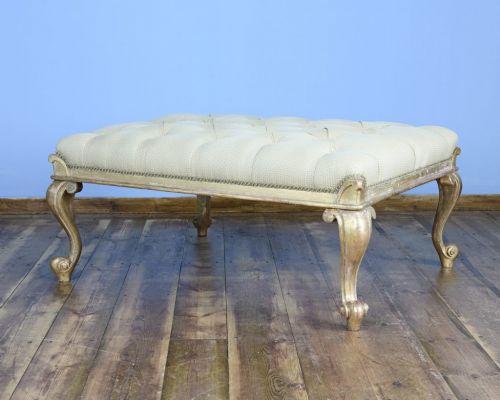
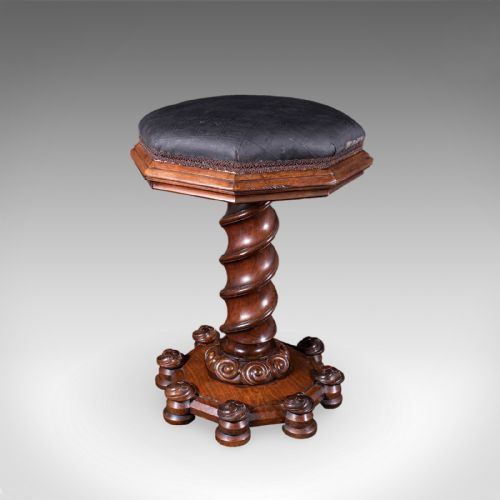
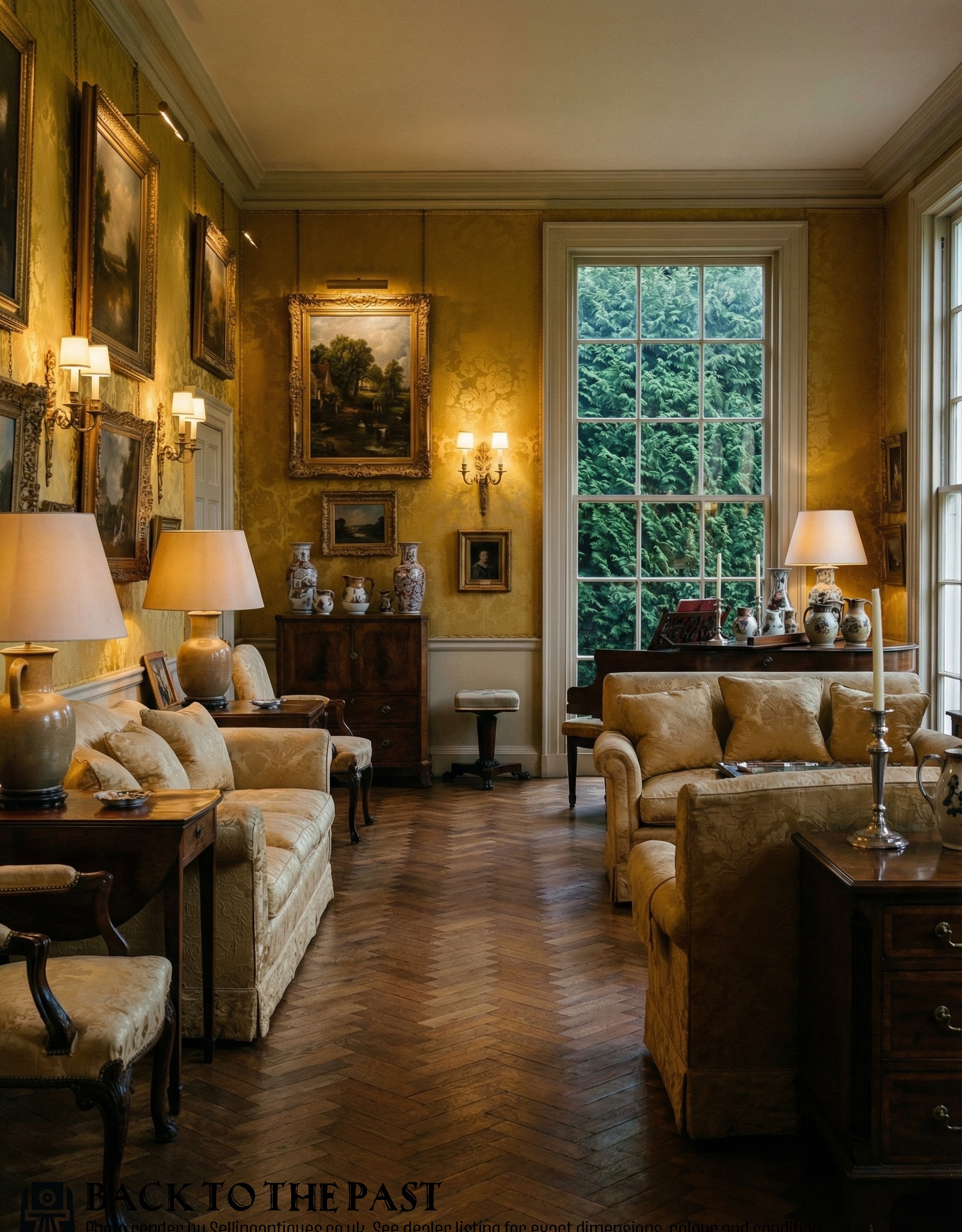
A william iv stool spans versatile seating forms, including low footstools, long hearth stools, revolving piano stools, and fitted sewing box seats. These pieces predominantly date from the nineteenth century, aligning with Regency and early Victorian eras.
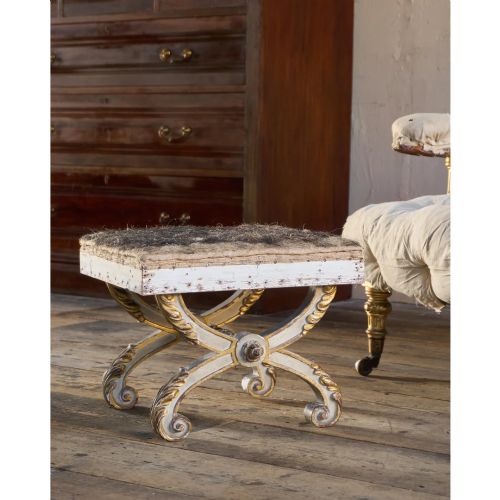
Mahogany and rosewood dominate the surviving examples, often shaped into rectangular frames, ottomans, or X-framed supports. Buyers frequently encounter walnut variations alongside simulated rosewood finishes and distinct bobbin turnings.
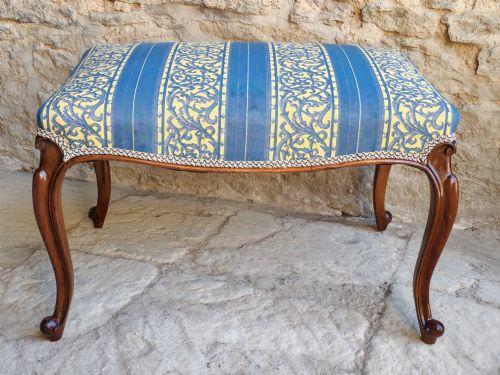
Upholstery defines much of the character, ranging from original needlework and tapestry fabric to contemporary wool, cotton, and leather coverings. Occasional large-scale centre-piece designs provide substantial proportions for country house settings.
How they were made
Cabinetmakers utilised dense native and exotic hardwoods like mahogany, rosewood, and walnut, shaping solid timbers into robust frames. Secondary treatments included grain painting to achieve simulated rosewood effects.
Joinery incorporated sturdy frame construction, sometimes featuring intricate carving or distinctive X-framed supports. Mechanisms for height adjustment on music and piano stools relied on threaded wooden spindles or brass components.
Upholstery work involved traditional stuffing methods secured beneath durable textile layers, including wool, cotton, leather, and decorative tapestry fabric. Brass castors frequently anchored the feet of larger footstools and ottomans.
Retail Price Guide 2026
Typical UK retail prices for william iv stool, calculated from the Sellingantiques database of over a million retail prices indexed since 2003. This retail price guide relies exclusively on Sellingantiques data; no external sources or auction records are used, so the figures do not describe the wider market.
What varies in quality
The refinement of the timber carving and the choice of primary wood set exceptional pieces apart from standard workshop production. Highly figured rosewood and burr walnut command greater regard than simpler mahogany or faux finishes.
Proportion and scale distinguish the domestic footstool from grander salon or hearth pieces, with larger frames demonstrating more ambitious turning and joinery. Intricate upholstery choices, such as fine period needlework, elevate the standing of an individual piece.
John Kendell Leeds
The William IV Stool Glossary
- X-framed stool
- A seating form featuring intersecting diagonal legs that form an X shape from the side view. This architectural design often incorporates turned stretchers for added structural rigidity.
- Piano stool
- An adjustable seat designed for keyboard players, frequently featuring a swivel mechanism to alter the seating height. Many surviving examples retain internal screw threads for vertical movement.
- Ottoman stool
- A large, fully upholstered low seat intended for resting feet or casual lounging. These substantial pieces often rest on exposed rosewood legs fitted with brass castors.
- Needlework
- Hand-stitched textile work utilised as upholstery for tops and seats. This decorative surface adds texture and traditional pattern to nineteenth-century frames.
Frequently Asked Questions
How do I adjust a piano stool height?
Most adjustable piano stools operate by manually rotating the wooden seat top to raise or lower the internal threaded spindle.
Care must be taken not to force the mechanism beyond its natural limits to preserve the vintage wooden threading.
Are these stools suitable for daily use?
Nineteenth-century timber frames and robust joinery remain exceptionally sturdy for modern seating requirements.
Proper maintenance of the underlying upholstery ensures these functional antiques withstand regular household placement.
How do I identify a sewing box stool?
Sewing box stools incorporate a concealed compartment beneath the seat or within a suspended wooden box frame for storing textiles.
Work tables of this type combine practical craft storage with a comfortable upholstered perch.
What is simulated rosewood?
Simulated rosewood describes a secondary timber painted or stained by artisans to imitate the deep grain and colour of genuine rosewood.
This technique offered the fashionable dark aesthetic of exotic hardwoods at a more accessible production cost.