
William IV Flame Mahogany
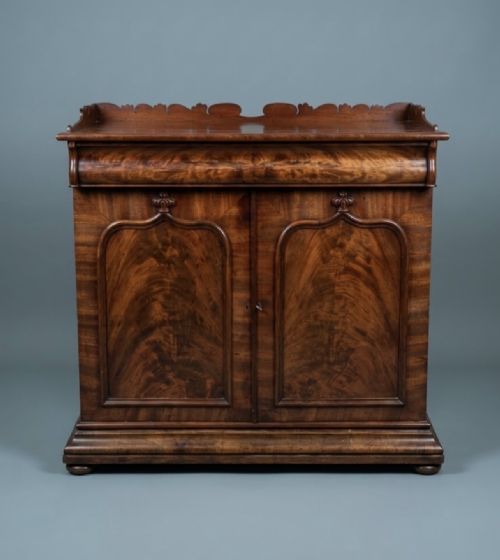
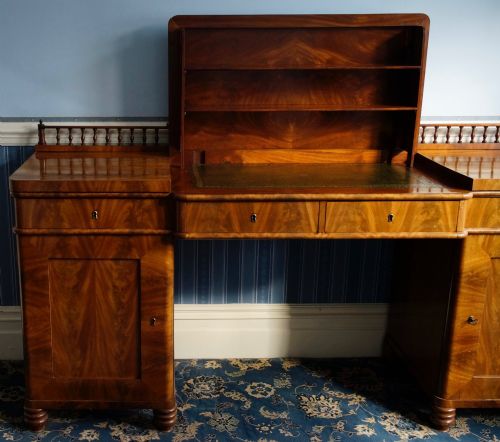
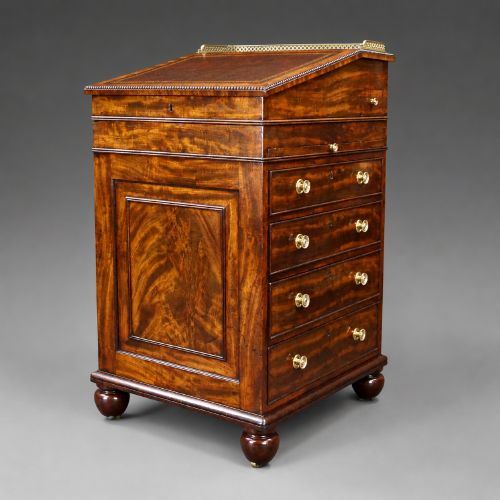
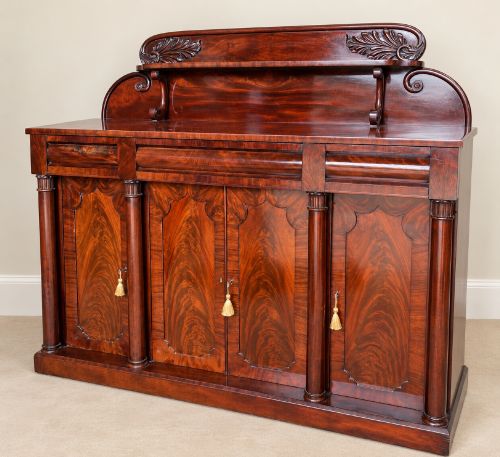
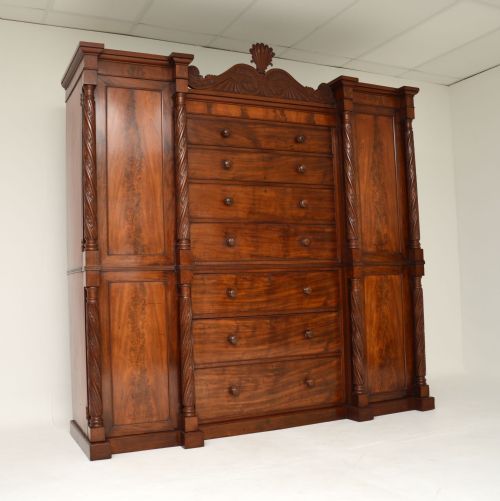
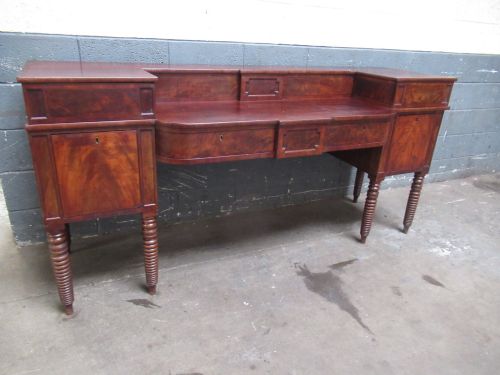
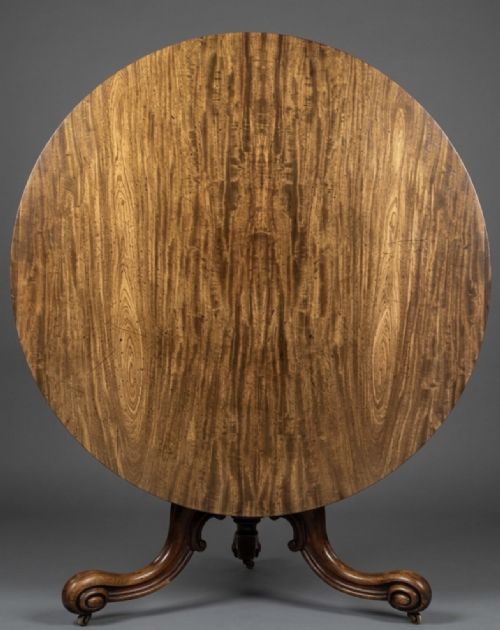
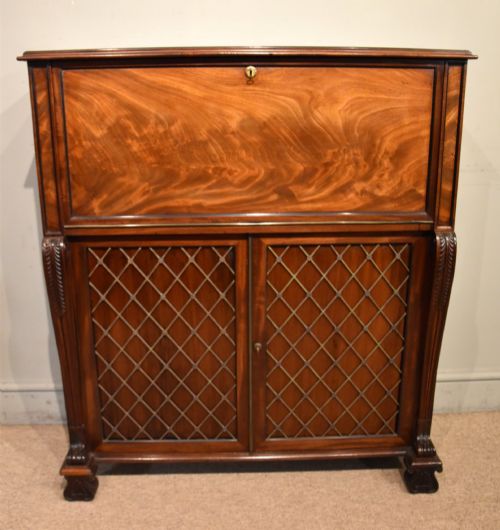
William iv flame mahogany surfaces catch the light with deep, swirling grain patterns that define the bold cabinet-making of the nineteenth century.
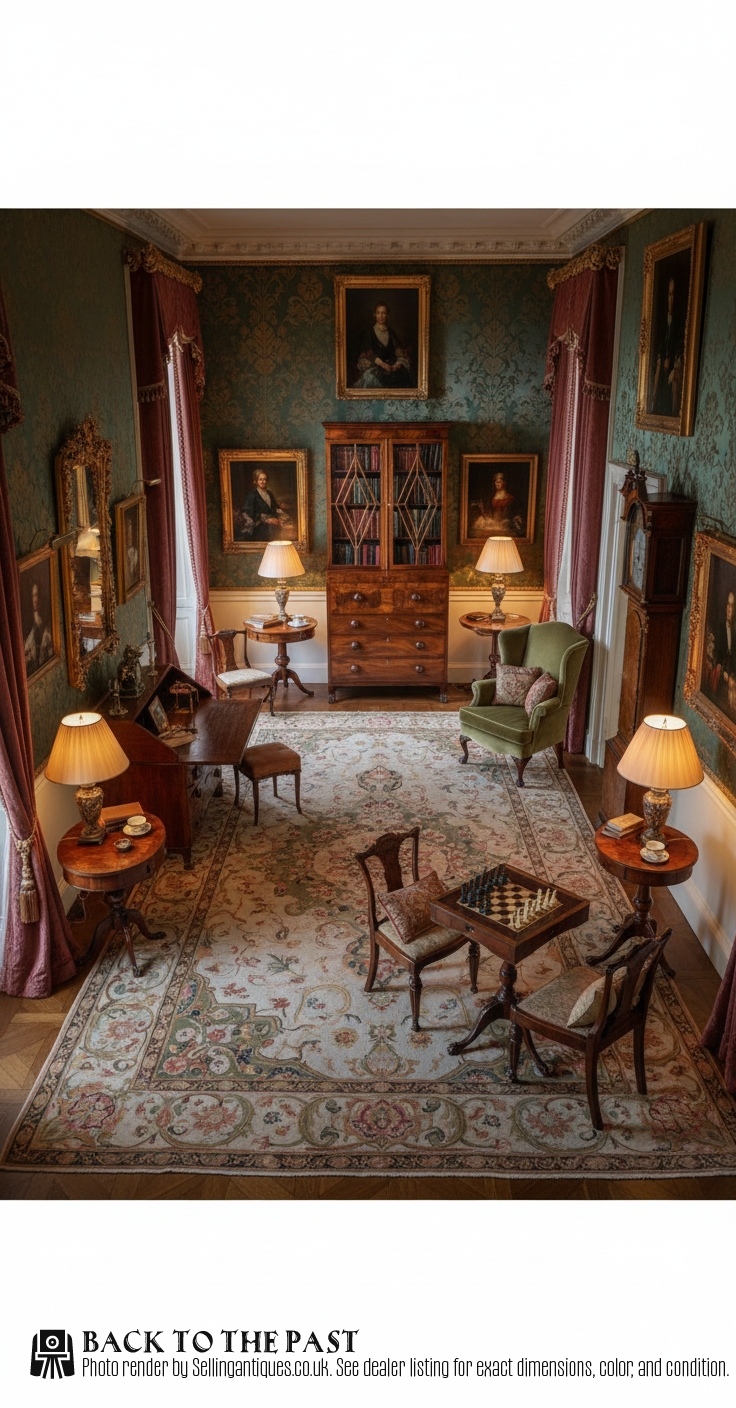
William IV Flame Mahogany
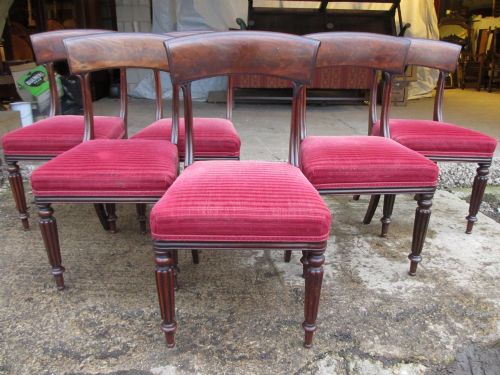
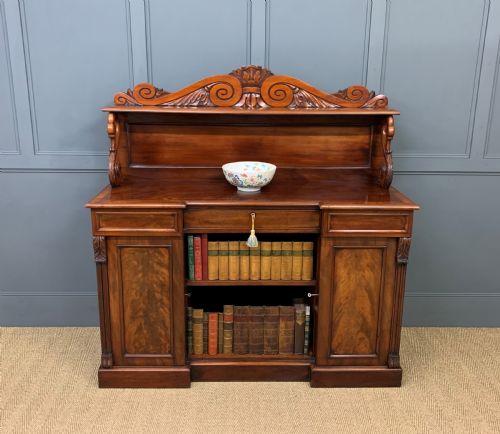
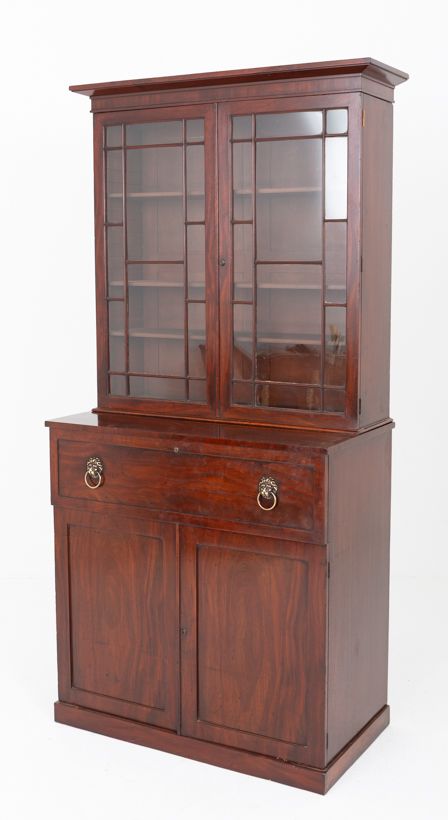
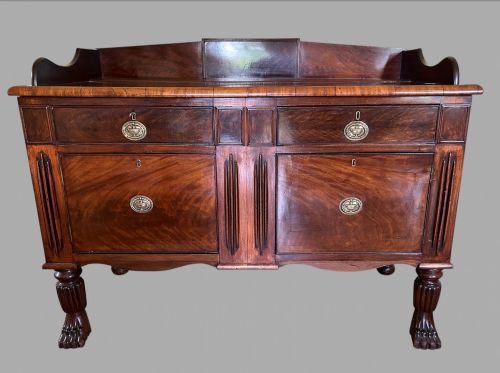
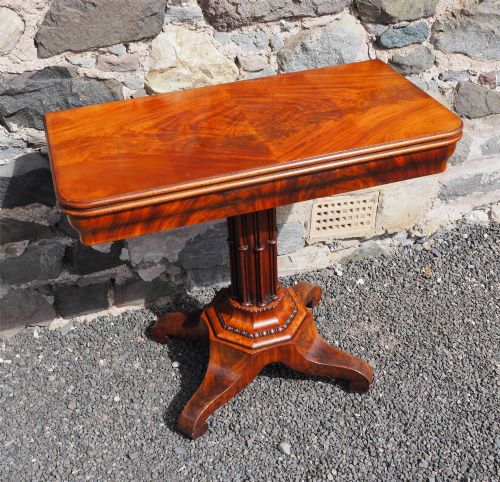
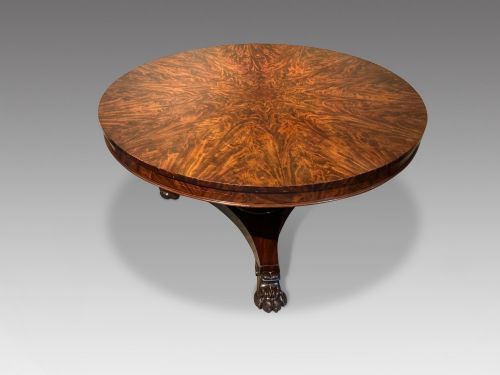
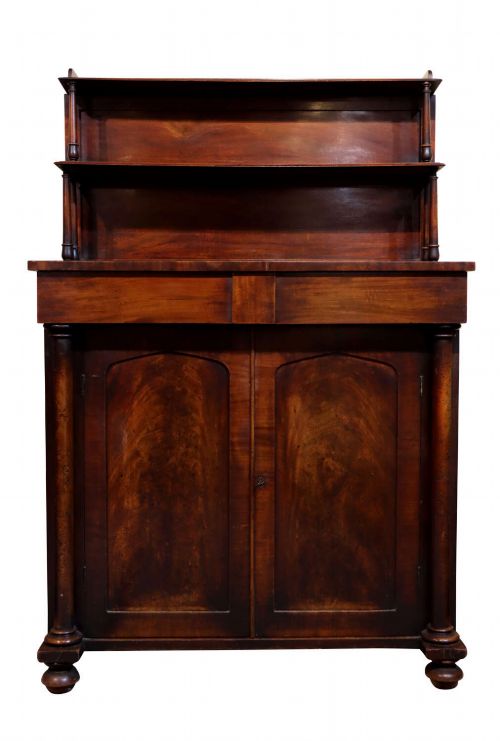
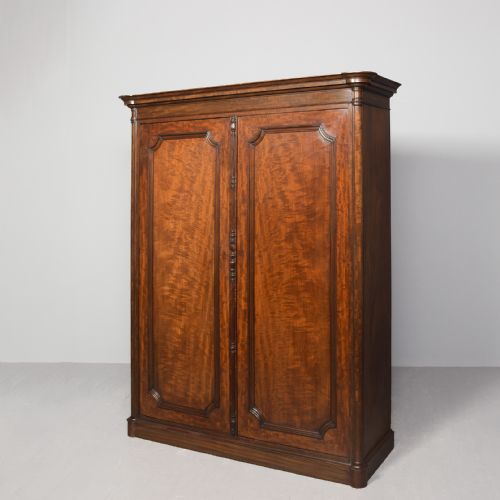
When searching for william iv flame mahogany, collectors encounter substantial case pieces and tables designed for nineteenth-century formal interiors. Sideboards, wardrobes, and library bookcases form the core of these listings, alongside circular centre tables and extending dining tables.
Smaller occasional forms also appear, including chiffoniers, work boxes, and tea tables. The dominant aesthetic combines architectural heft with the dramatic figuring of selected tropical timber veneers.
How they were made
Cabinet-makers laid thin sheets of flame mahogany veneer over stable secondary woods like pine or solid mahogany carcasses. This technique allowed workshops to display symmetrical, highly figured grain patterns across large drawer fronts and cabinet doors.
Structural elements incorporated brass fittings, turned pillars, and carved scroll feet. Joinery relied on traditional housing and dovetailing methods to support heavy loads of books, linen, or plate.
Tobacco boxes and work boxes provide diminutive storage for domestic pastimes, proving that grand nineteenth-century cabinet-making applied equally to the smallest possessions.
What varies in quality
The visual impact of william iv flame mahogany depends heavily on the selection and matching of the veneer sheets. Superior pieces feature continuous, book-matched figuring across entire drawer banks, whereas lesser examples show mismatched grain direction or intrusive repairs.
Carved details also separate standard production from high workshops. Crisp execution on pedestals, capitals, and mouldings indicates skilled hand-carving rather than mechanical repetition.
Gillows·S and H Jewell·James Jeffery
The William IV Flame Mahogany Glossary
- Flame mahogany
- A veneer cut from the branch forks of the mahogany tree to produce a rippling, flame-like grain pattern. This figure was prized for cabinet doors and drawer fronts.
- Compactum wardrobe
- A large fitted wardrobe combining hanging space with internal linen slides, drawers, and sometimes a secretaire drawer. These pieces maximised storage in nineteenth-century bedrooms.
- Chiffonier
- A low sideboard or cabinet featuring enclosed cupboards below, sometimes surmounted by a small bookshelf or mirrored back. They served as serving surfaces and storage in dining rooms.
- Secretaire bookcase
- A tall cabinet featuring a drop-front writing drawer fitted with small pigeonholes and inner drawers, positioned beneath glass-fronted bookshelf doors. It combined a bureau with a library case.
- Tilt top table
- A table with a mechanism allowing the circular or rectangular top to pivot vertically when not in use. This design saved space in domestic interiors.
- Cellarette
- A heavily constructed cabinet or box lined with lead or metal for cooling wine bottles. They sat beneath sideboards or beside dining tables.
William IV Flame Mahogany: Frequently Asked Questions
What is flame mahogany?
Flame mahogany is a specialised wood veneer sliced from the junction where branches meet the main trunk. This cut produces dramatic, undulating grain patterns that resemble flickering fire.
Cabinet-makers applied these thin decorative sheets to solid secondary timbers like pine or straight-grained mahogany. The result was a high-status surface finish characteristic of nineteenth-century formal furniture.
How were library bookcases used?
Library bookcases housed private collections of bound volumes in domestic studies and drawing rooms. The upper glazed sections protected fragile paper and leather bindings from dust while displaying the library.
Lower cabinet sections typically stored oversized folios, manuscripts, or writing supplies behind solid timber doors.
Where did centretables sit?
Centre tables stood untethered in the middle of large nineteenth-century reception rooms. They provided a central surface for displaying ornaments, lamps, or writing materials.
Because they were visible from all sides, these tables received finished detailing around their entire circumference and often stood on heavy central pedestals.
How do I care for antique veneer?
Protect antique veneered surfaces by avoiding direct sunlight and maintaining stable room humidity. Excessive heat or dryness can cause the underlying glue to fail and the thin veneer to lift.
Clean the wood using a soft dry cloth and apply occasional natural beeswax polish to nourish the grain without building up heavy synthetic residues.