



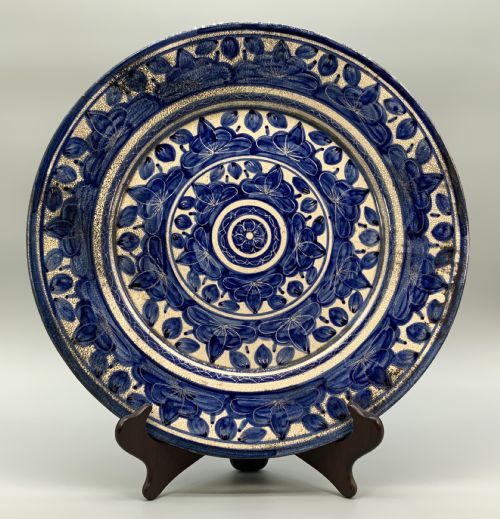
White Tin Glazed Pottery
White tin glazed pottery brings together centuries of earthenware vessels coated in a distinctive opaque glaze, prized by collectors for hand-painted blue and white decoration.
White Tin Glazed Pottery
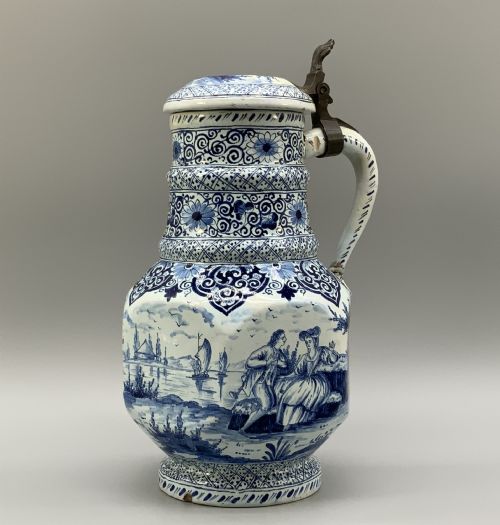
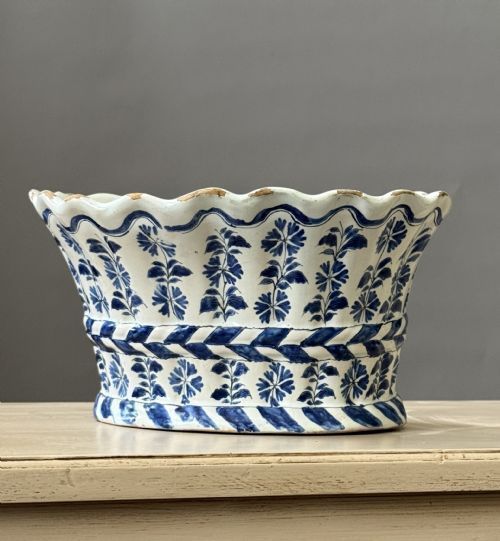
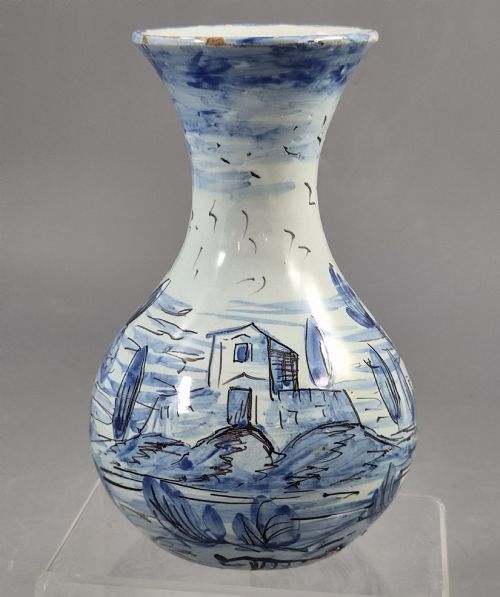
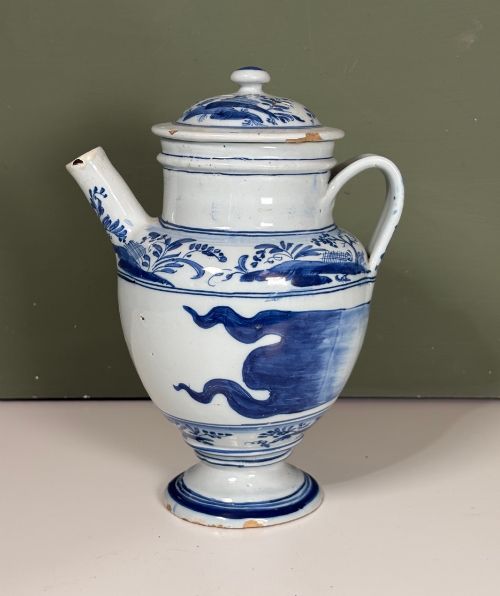
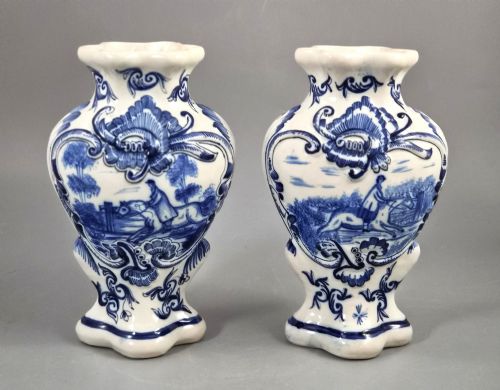
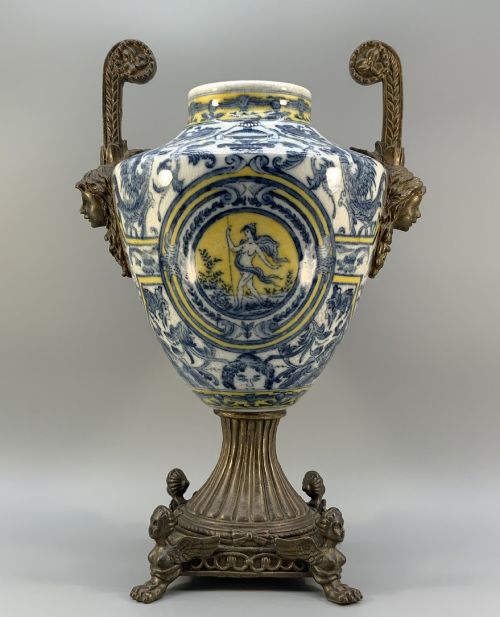
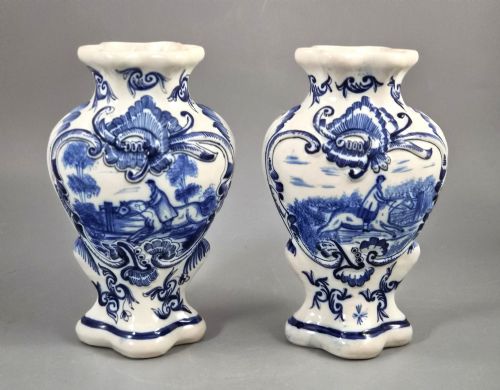
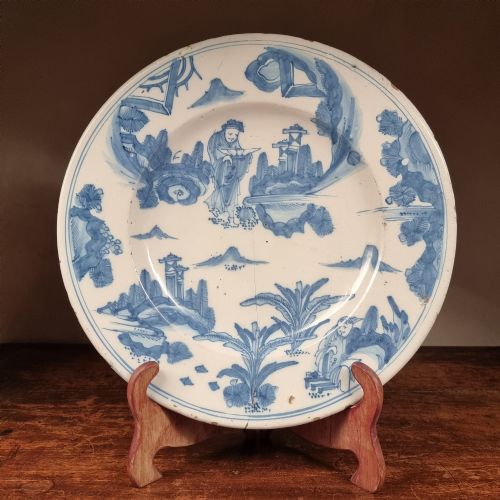
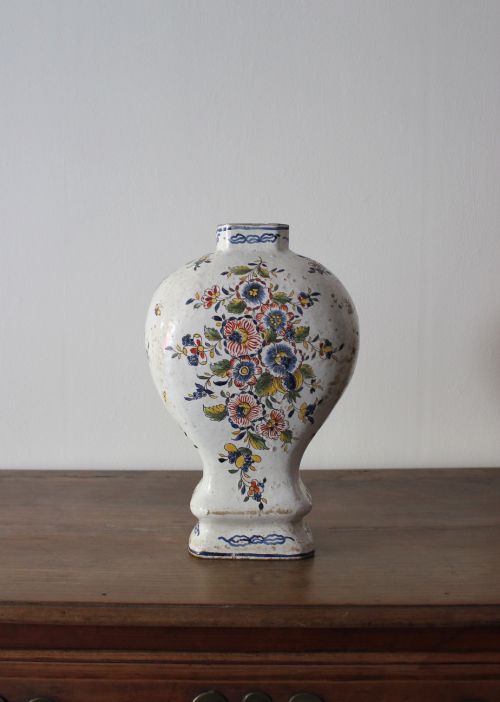
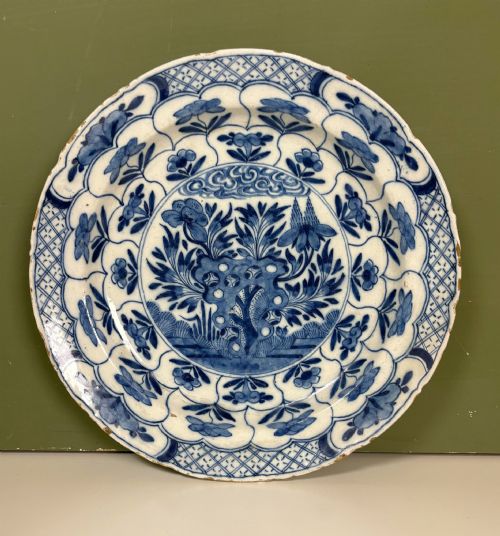
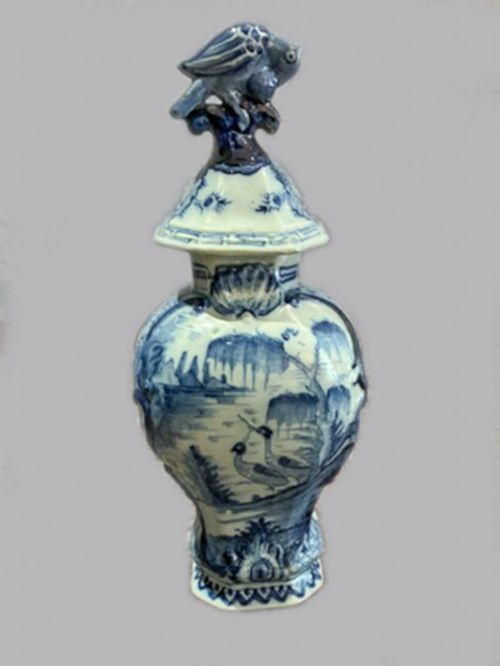
White tin glazed pottery encompasses an array of historical vessels, ranging from large chargers and deep bowls to utilitarian apothecary jars and lidded vases. When exploring this selection, buyers encounter pieces spanning the seventeenth, eighteenth, and nineteenth centuries, with notable representation from Dutch workshops alongside English, French, and Italian examples.
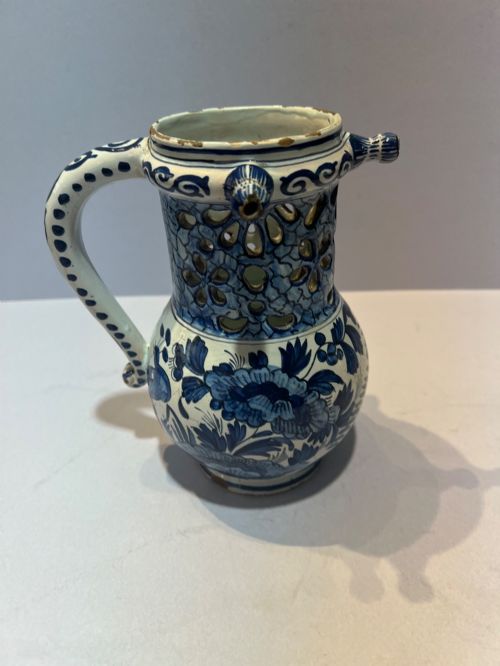
The domestic and decorative forms vary considerably, including puzzle jugs, posset pots, barber's bowls, and devotional plaques. Dutch Delftware and French faience dominate the offerings, often displaying traditional blue and white pigment alongside occasional polychrome palettes.
The material origins trace back through diverse European traditions, such as Spanish catalana chargers, English Lambeth and Bristol potteries, and Italian maiolica. These objects reflect both everyday household utility and grand decorative ambitions across different periods.
Materials and Technique
Makers shaped these objects using earthenware ceramic bodies, which were then coated in a tin glaze to create a smooth, opaque white surface suitable for painting. Artisans applied cobalt pigment and other metallic oxides directly onto this raw glaze before firing, allowing the colours to absorb into the coating.
The manufacturing process required precise kiln control to vitrify the earthenware body and fix the painted tin-glaze layer. Many items incorporated hand-painted motifs, ranging from floral patterns and animal figures to intricate heraldic designs.
Listings feature earthenware vessels spanning the seventeenth century through to nineteen-forty, predominantly utilising tin glaze and cobalt pigment.
Assessing Quality
Quality in white tin glazed pottery rests upon the clarity of the white glaze and the precision of the hand-painted cobalt pigment. Superior pieces exhibit a smooth, even tin glaze with minimal crawling or pitting, providing a clean canvas for the brushwork.
The artistic execution of the painted design determines the upper tier of the range, where confident brushstrokes and detailed motifs distinguish master works from simpler production pieces. Form stability during the firing process also plays a role, with well-balanced vessels representing greater technical skill.
Cantagalli·Fourmaintraux-Courquin
The White Tin Glazed Pottery Glossary
- Tin-Glaze
- A lead glaze made opaque by the addition of tin oxide, creating a white surface for painted decoration. This coating defines the primary visual characteristic of the ware.
- Faience
- A European term for tin-glazed earthenware, particularly associated with French, Italian, and German production. The designation covers both utilitarian vessels and ornamental objects.
- Delftware
- Tin-glazed earthenware made in the Netherlands, especially around Delft, or in imitation of Dutch styles elsewhere. It is famous for cobalt blue painting on a white ground.
- Maiolica
- Italian tin-glazed earthenware decorated with colours on an opaque white glaze. The tradition dates back to the Renaissance revival and earlier periods.
- Charger
- A large decorative plate intended for display on a wall or sideboard rather than for dining. These large surfaces often showcase the most ambitious painting.
White Tin Glazed Pottery: Frequently Asked Questions
How were apothecary jars used?
Apothecary jars served to store dry drugs, wet medicines, and medicinal syrups in pharmacies and dispensaries. Their opaque tin-glazed surfaces prevented light from degrading the contents while displaying identifying labels.
These utilitarian vessels often featured painted cartouches and names of contents, combining practical storage with decorative craftsmanship in medical settings.
How do you display these pieces?
Large chargers and decorative plates are typically hung on walls or supported on plate stands to showcase their painted surfaces. Vases, jugs, and posset pots find placement on tables, mantels, and cabinets where their forms remain visible.
Because the earthenware body and tin glaze can be sensitive to impact, sturdy surfaces away from high-traffic areas provide the best environment for display.
How do you distinguish English from Dutch pieces?
English and Dutch pieces often differ in the composition of the ceramic body, the tone of the tin glaze, and regional painting styles. English delftware from potteries in Lambeth or Bristol sometimes exhibits distinct palette choices and clay weights compared to Dutch Delftware.
Examining the foot ring, glaze thickness, and stylistic motifs helps attribute pieces to specific regional workshops and historical periods.