

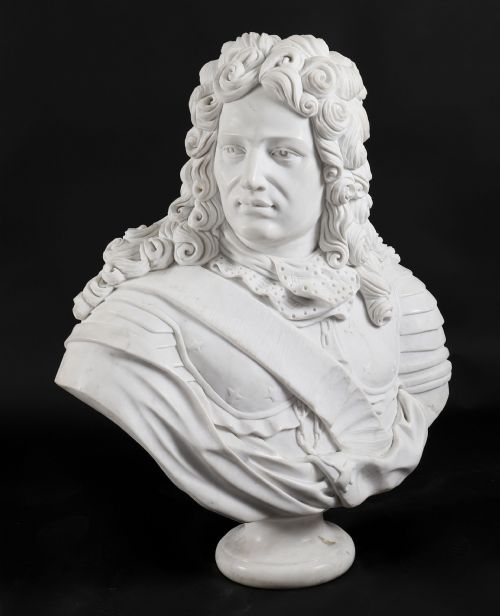
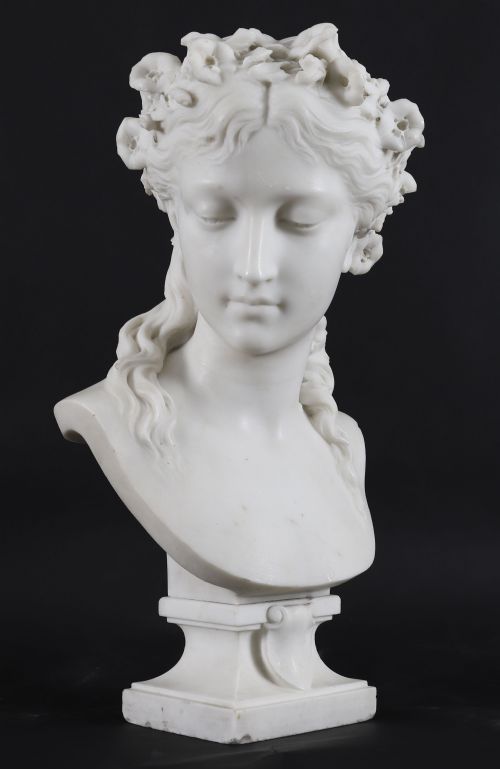
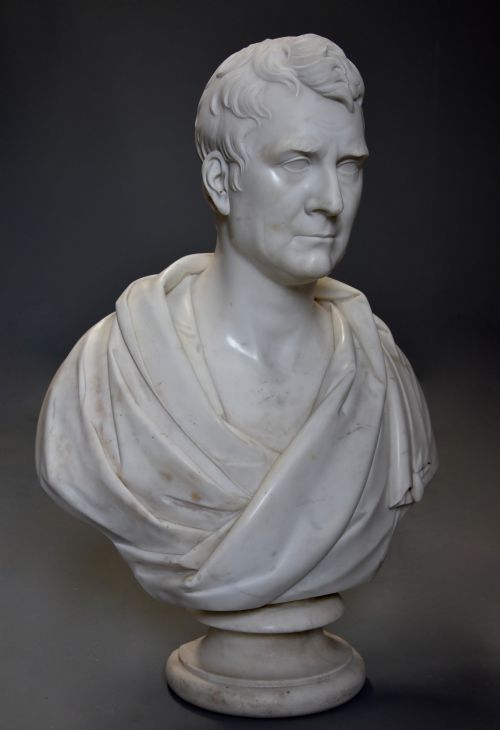
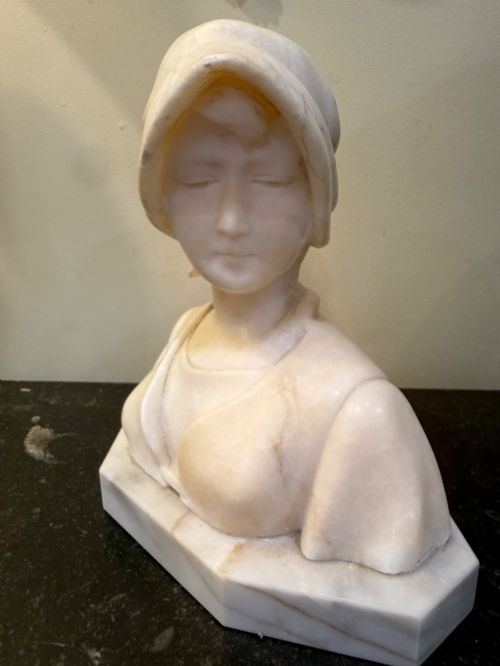

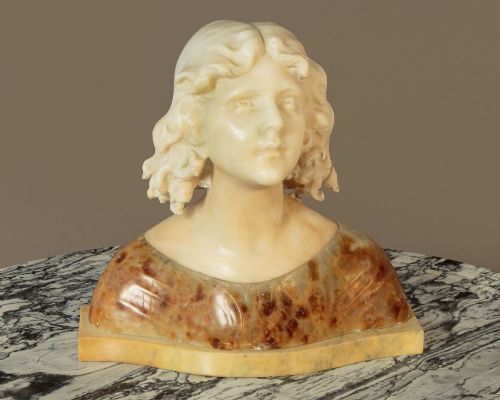

White Stone Bust Statue
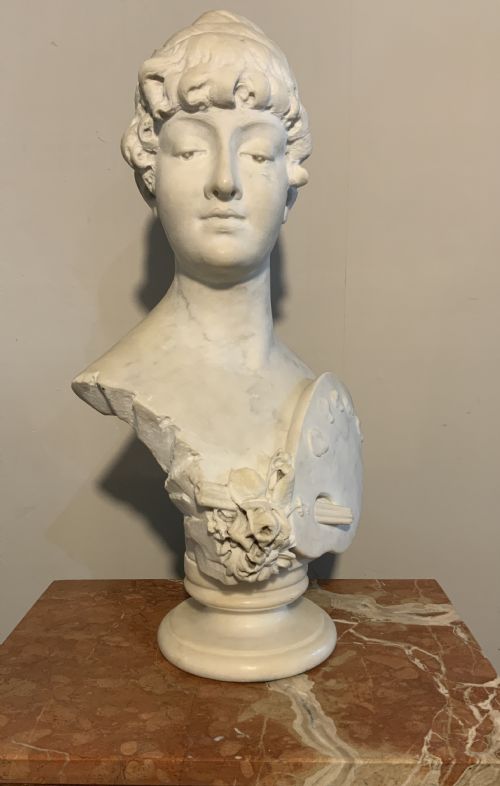
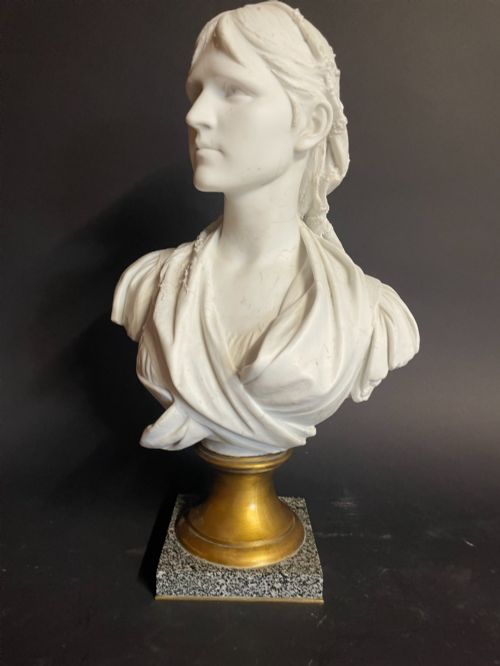
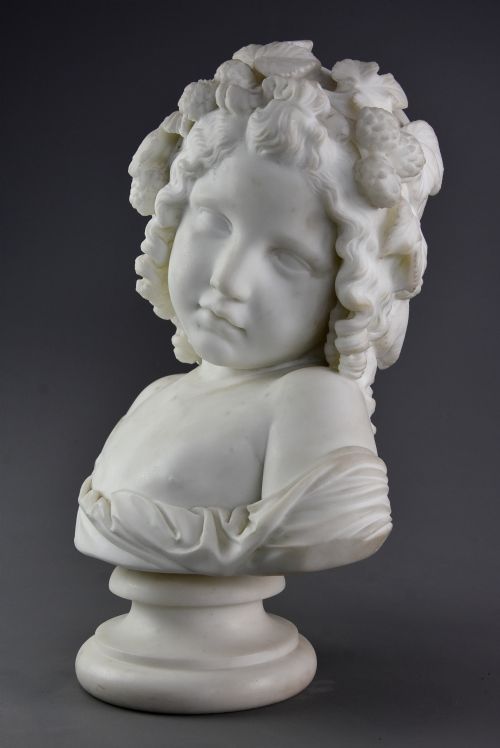
A white stone bust statue brings classical elegance and historical presence into a room, rendered in carved marble, alabaster, or plaster.
White Stone Bust Statue
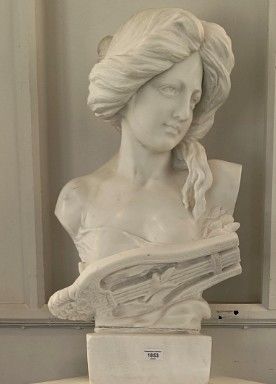
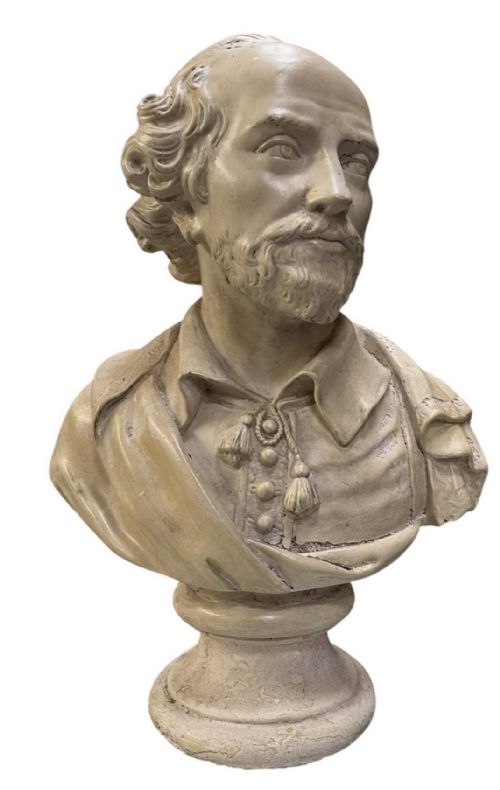
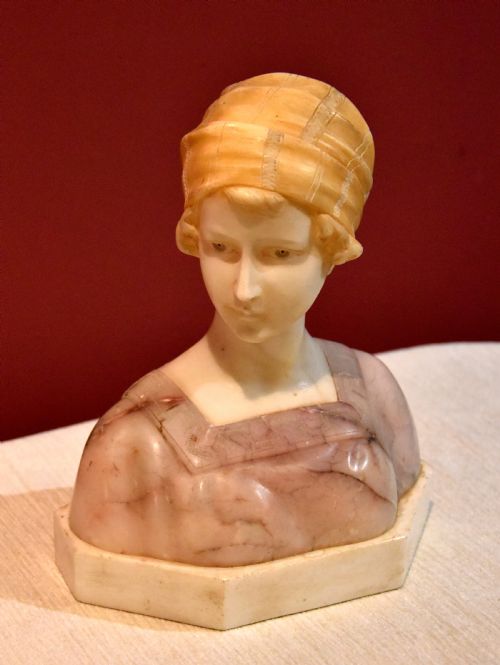
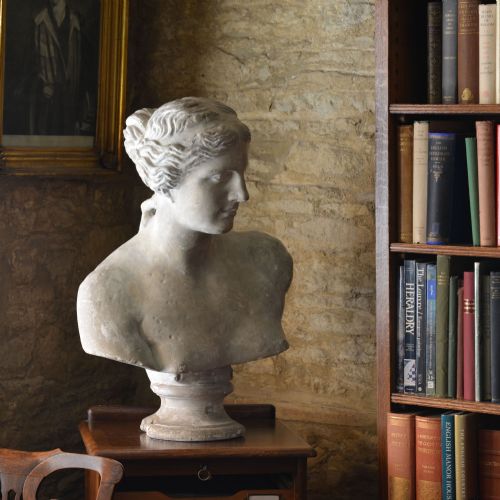
When searching for a white stone bust statue, collectors encounter portrait sculptures spanning from the seventeenth century through to the early twentieth century. These pieces depict classical figures, mythological subjects such as Muses and goddesses, Roman emperors, and notable historical or civic individuals.
The most common examples on this page date from the nineteenth century, often reflecting Neoclassical, Victorian, or Art Nouveau tastes. Portrait forms range from library busts of literary figures to monumental civic commissions and Grand Tour souvenirs brought back from Italy.
Materials and carving techniques
Carvers utilised high-grade materials such as Carrara marble, white marble, and fine alabaster, occasionally combining stone with brass or mounting works on pedestals. Plaster was also employed for detailed portraiture, particularly for studio casts and copies of antique sculpture.
Sculptors shaped these materials through meticulous hand-chiselling, polishing, and drilling, frequently signing their finished pieces or working after established masters of classical and European sculpture.
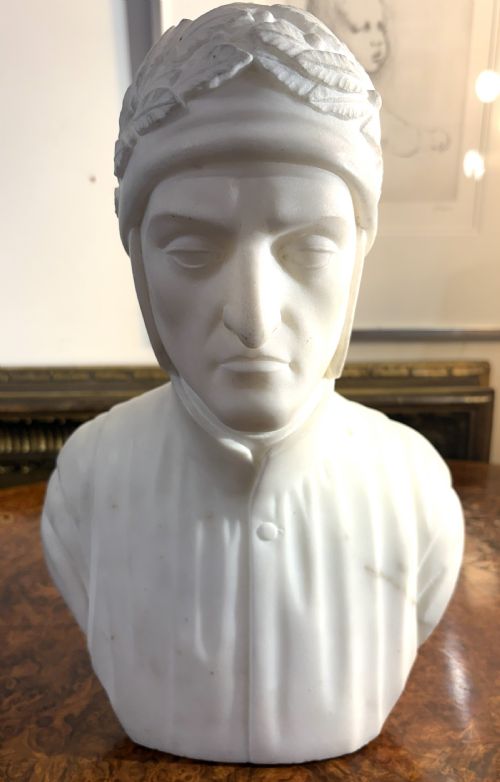
The selection includes classical deities, Roman emperors, literary giants like Dante and Shakespeare, and nineteenth-century civic gentlemen.
Distinctions in quality
The distinction between standard works and exceptional carvings lies in the sensitivity of the facial expression, the depth of undercut details in drapery and hair, and the purity of the stone itself. Master carvers captured lifelike musculature and textile textures that lesser workshops left stiff or heavily generalised.
Attribution also plays a role, with signed pieces by known sculptors commanding greater recognition than anonymous studio productions. The proportion, stance, and historical fidelity of the subject further elevate the standing of an individual sculpture.
Houdon·Eugene Aizelin·J Francis·Raffaelo Monti·Auguste Henri Carli·R. Mattei·John Wenlock Rollins·Mieczyslaw Leon Zawiejski·Joseph Gott
The White Stone Bust Statue Glossary
- Carrara marble
- A type of white or blue-grey marble quarried in the city of Carrara in Tuscany, Italy, widely favoured by classical and nineteenth-century sculptors for its fine grain.
- Alabaster
- A soft mineral stone, often translucent and white, used for carving detailed portrait busts and decorative sculptures since antiquity.
- Neoclassical
- A Western cultural movement drawing inspiration from the art and culture of classical antiquity, prevalent in sculpture during the eighteenth and nineteenth centuries.
- Grand Tour
- A traditional trip of Europe undertaken by upper-class European young men of sufficient means, resulting in the acquisition of classical statues and marble busts.
- Library bust
- A smaller-scale portrait sculpture designed to sit upon a bookshelf or desk, frequently depicting philosophers, poets, or statesmen.
White Stone Bust Statue: Frequently Asked Questions
How do I identify the subject of a bust?
Many sculptures include inscriptions on the plinth, carved attributes such as laurel wreaths or armour, or historical documentation linking the portrait to specific figures.
Subjects often include Roman emperors, Greek mythological figures, poets, or local civic dignitaries whose likenesses were widely recorded in European portraiture.
Where should I display a marble bust?
These sculptures suit stable, weight-bearing surfaces such as sturdy sideboards, dedicated pedestals, or deep library shelves where their monumental presence can be appreciated.
Keep them away from direct heat sources and fluctuating humidity to protect the integrity of the stone and any historical patination.
How can I tell marble from alabaster?
Alabaster is generally softer to the touch, slightly translucent when held to the light, and more easily scratched than harder varieties of white marble.
Marble exhibits a denser crystalline structure and a cooler temperature, holding a crisp carved edge over centuries of handling.
What is a Grand Tour sculpture?
Grand Tour pieces were portable artworks purchased by travellers touring historical sites in Italy and Greece during the eighteenth and nineteenth centuries.
These reductions and copies of ancient statues served as tangible reminders of classical education and cultural exploration.