




Classical Alabaster Portrait
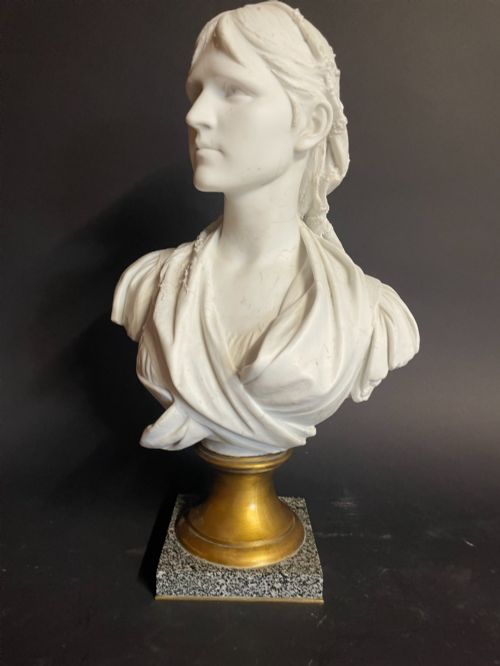
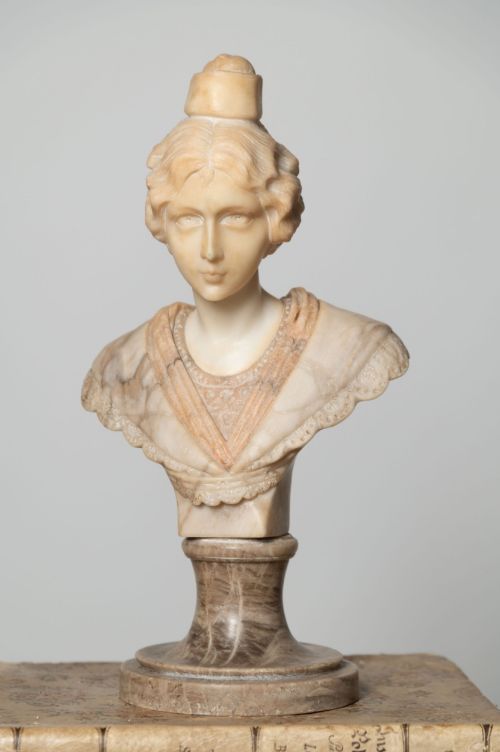
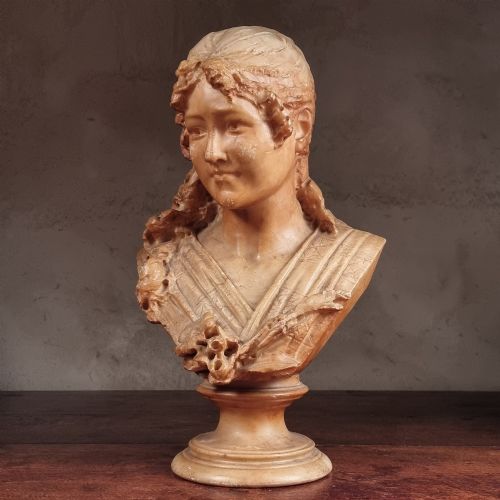
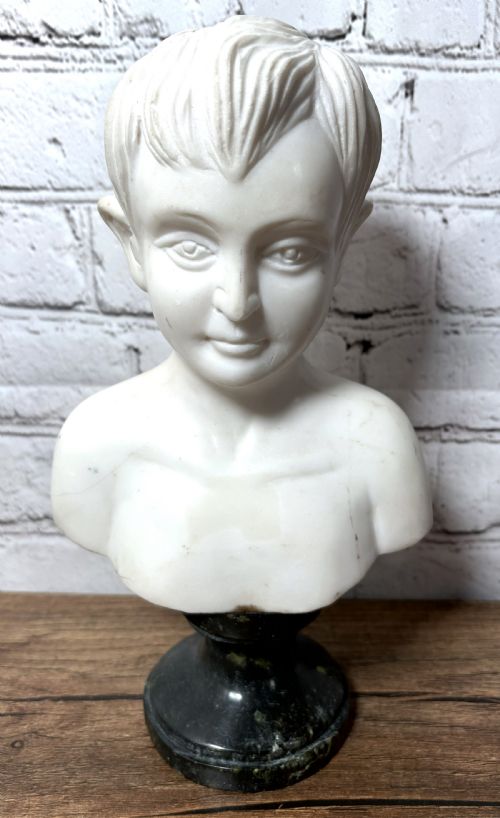
These classical alabaster portrait pieces bring quiet Neoclassical gravity into a room, carved from stone to capture likeness and form with enduring poise.
Classical Alabaster Portrait
When searching for a classical alabaster portrait, a buyer looks for sculpted likenesses of women, girls, boys, gentlemen, and historical figures like Virgil and Dante. These objects range from library busts and portrait busts to wall plaques and larger sculptures.
Most pieces seen here belong to the nineteenth century, including Victorian and Edwardian examples, alongside French and Italian interpretations. The selection covers everything from young subjects to Orientalist figures.
The form appears either as standalone sculptural busts or as profile plaques. These works draw heavily on Neoclassical and Victorian Classical traditions, reflecting European sculpture practices of the period.
How They Were Made
Carving alabaster and marble requires skilled hand work using chisels, rasps, and abrasive stones to achieve smooth flesh tones and crisp drapery. Artisans select fine-grained stone blocks to execute these portraits.
Some works combine carved white marble or alabaster with brass, bronze, and ormolu mounts to highlight collars, bases, or decorative frames. This mix of stone and cast metal adds contrast and structural support to the sculptures.
Listings here feature works executed in alabaster, marble, stone, granite, brass, and ormolu across the nineteenth and early twentieth centuries.
What Varies in Quality
The distinction between ordinary and superior pieces lies in the subtlety of the carving, particularly in the rendering of hair, facial expression, and fabric folds. Stronger works display an anatomical confidence and a lifelike translucency in the stone.
The choice of materials also affects the standard of the piece, with finer-grained alabaster and pure white marble commanding attention. Secondary elements like ormolu mounts and inscribed signatures indicate higher atelier standards.
Mieczyslaw Leon Zawiejski·G.V. Vaerenbergh·GREUZE
The Classical Alabaster Portrait Glossary
- Alabaster
- A fine-grained, translucent stone that accepts detailed carving and resembles marble. It has been used for centuries to create soft-textured portrait sculptures.
- Ormolu
- Gilded bronze mounted onto sculptures and decorative objects. This technique provides metallic contrast against white marble and alabaster surfaces.
- Neoclassical
- A style reviving classical Greek and Roman art forms during the eighteenth and nineteenth centuries. It prioritises balance, restraint, and classical subject matter.
- Profile Plaque
- A shallow relief sculpture showing a subject from the side. These wall-hanging pieces often depict literary figures or historical personages.
Classical Alabaster Portrait: Frequently Asked Questions
How do I clean an alabaster bust?
Alabaster is porous and sensitive to moisture, so cleaning requires only a dry, soft microfibre cloth or a gentle dusting brush. Water and chemical cleaning agents can dissolve or stain the stone surface.
Keep these sculptures away from direct sunlight and damp environments to preserve the natural finish of the material.
Where should I place a portrait bust?
These sculptures suit high-level placement on sturdy sideboards, library shelves, or dedicated pedestals where eye-level viewing allows the details of the carving to be seen.
Ensure the surface is stable and level, as stone and marble pieces carry significant weight and risk damage if displaced.
How do I date a 19th-century marble bust?
Dating relies on stylistic clues such as the clothing, hairstyle, and facial expression of the subject, combined with the treatment of the base and any visible signatures.
Victorian and Edwardian pieces often show specific sculptural trends, from severe classical revival styles to softer Art Nouveau or Orientalist influences.