
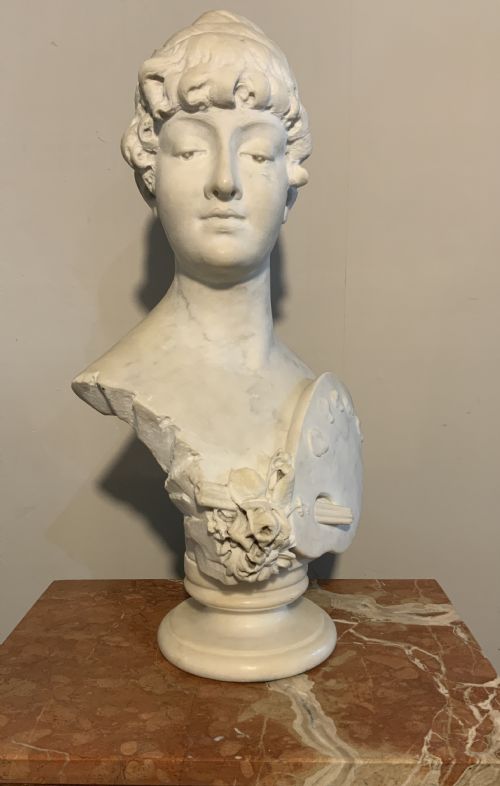
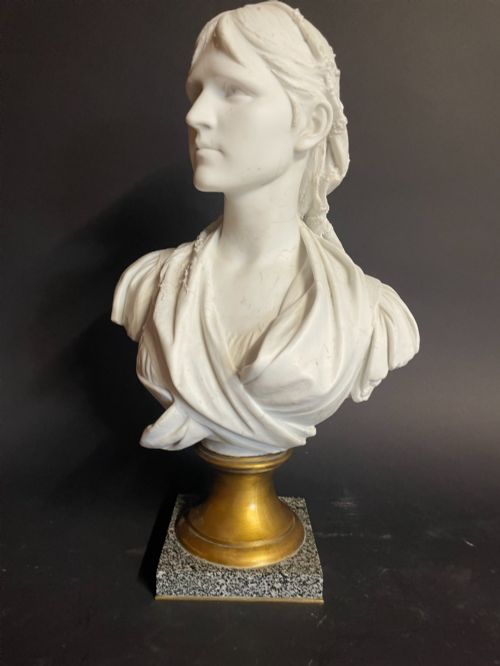
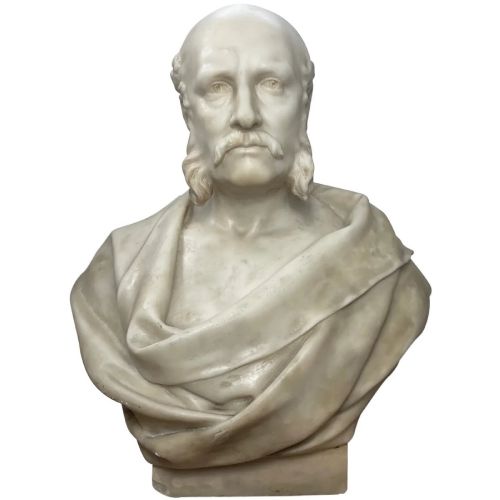
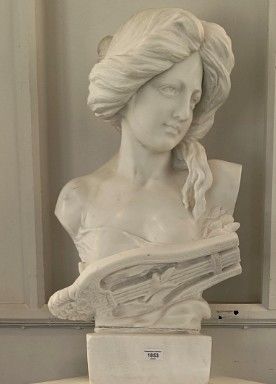


White Stone Bust Sculpture
A white stone bust sculpture brings classical dignity into a room, capturing historical figures and classical muses in carved stone.
White Stone Bust Sculpture
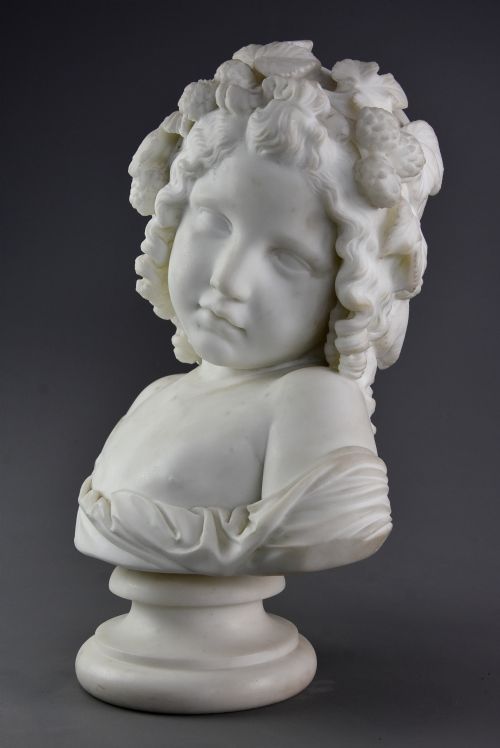
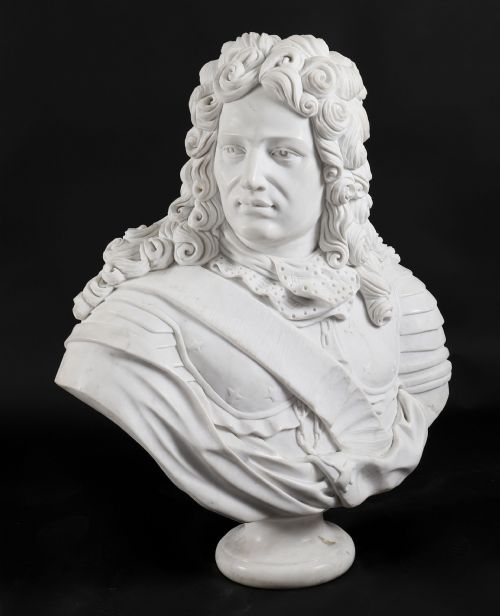
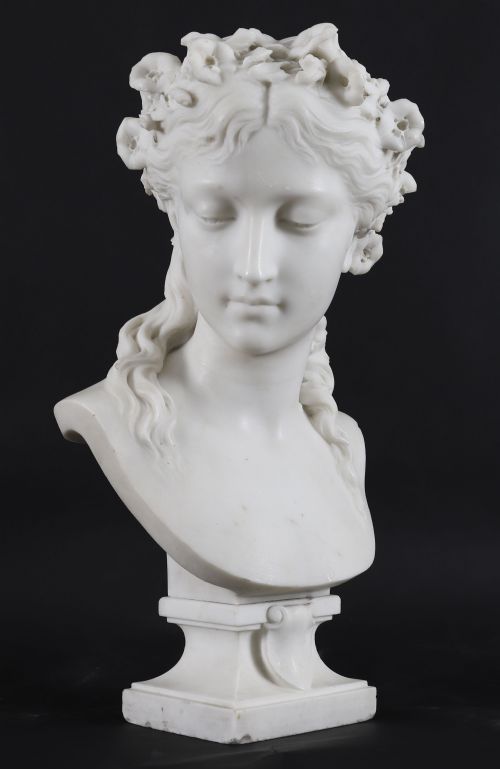
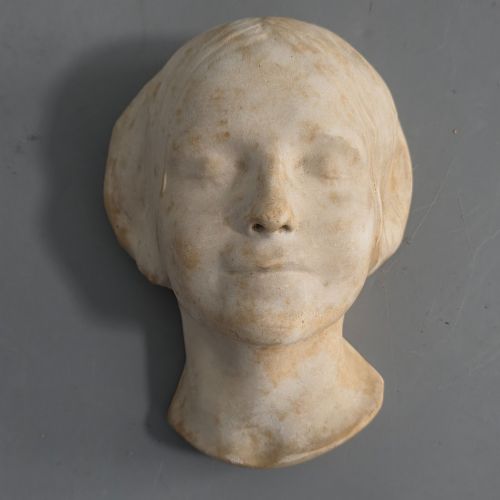
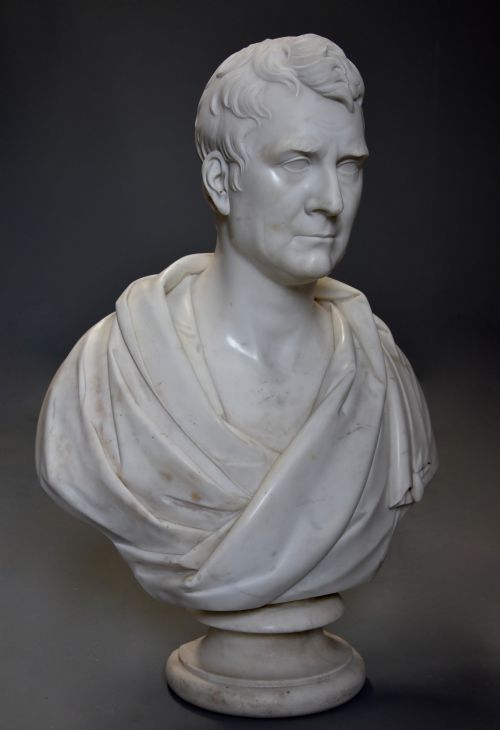
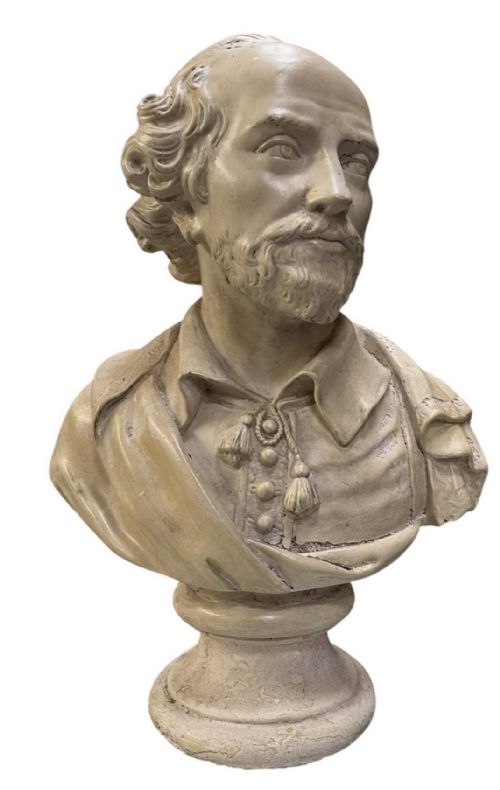
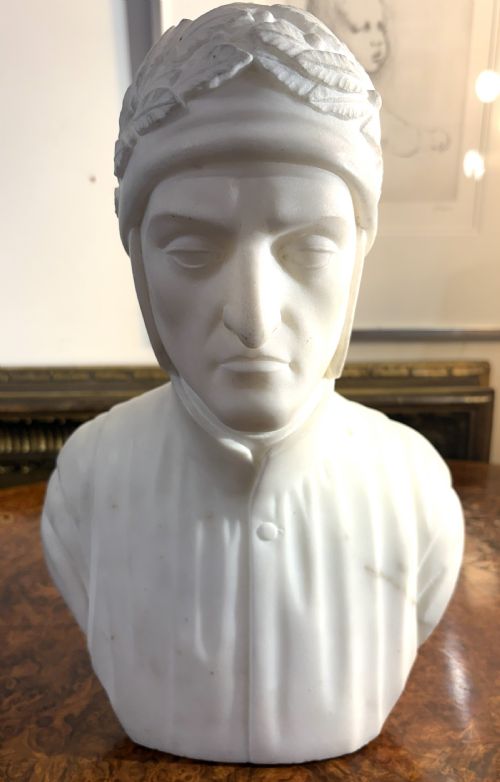
A white stone bust sculpture portrays human subjects from the chest up, drawing heavily on classical antiquity, Neoclassical ideals, and Victorian portraiture. These pieces range from monumental civic portraits of politicians and noblemen to smaller library busts of literary figures like Dante and Shakespeare.
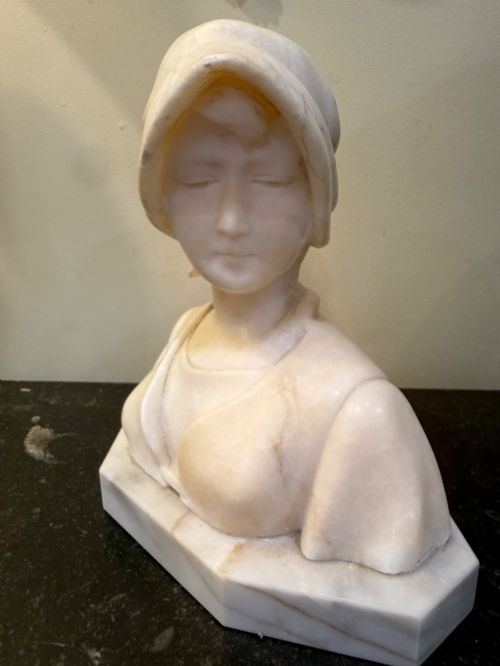
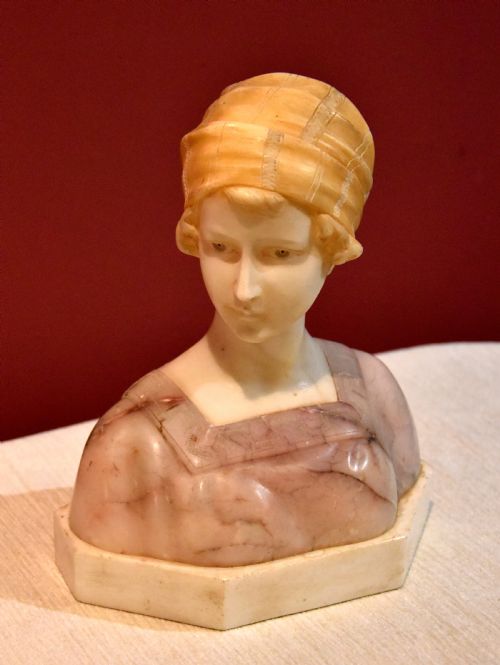
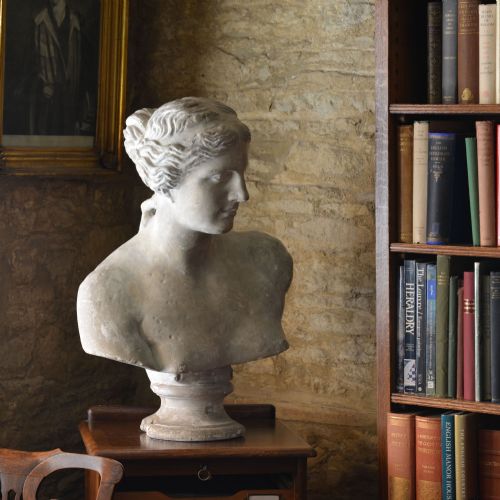
The versions most commonly met on this page originate in the nineteenth century, often reflecting Grand Tour acquisitions from Italy or British interpretations of classical subjects. Subjects span historical emperors, mythological figures like Diana and Venus, and unidentified young women or children.
Makers utilised various white stones to achieve different textures and finishes, matching the aesthetic demands of Baroque, Victorian, and Arts and Crafts interiors. Whether carved from solid blocks or assembled with mixed media, each piece captures a specific personality or archetype.
Materials and construction
Carvers shaped these sculptures primarily from marble, alabaster, and plaster, with Carrara marble appearing frequently for high-status portraiture. Alabaster provides a softer, translucent quality suited to nineteenth-century representations of women and children, while plaster allowed workshops to reproduce classical forms efficiently.
Artisans employed chisels, rasps, and drills to carve stone blocks by hand, often finishing the surfaces with abrasives to create smooth skin tones while leaving hair or drapery more textured. Sculptors occasionally signed their work on the truncation or rear shoulder, documenting the hand of the maker.
Several historical figures immortalised in stone include Napoleon Bonaparte, Julius Caesar, Dante, Shakespeare, and Emperor Augustus.
Evaluating quality in carved busts
Quality rests in the anatomical precision of the carving, particularly in the rendering of facial expression, hair, and fabric folds. Superior works display a convincing weight and drape in clothing, alongside lifelike subtlety in the eyes and facial contours.
The choice of material dictates the refinement of the finished object, as fine-grained Carrara marble permits sharper detail than softer alabaster or moulded plaster. Signed pieces by recorded sculptors demonstrate a higher level of artistic ambition and execution than unsigned workshop pieces.
Houdon·Eugene Aizelin·J Francis·Raffaelo Monti·Auguste Henri Carli·R. Mattei·John Wenlock Rollins·Mieczyslaw Leon Zawiejski
The White Stone Bust Sculpture Glossary
- Carrara marble
- A type of white or blue-grey marble from the city of Carrara in Tuscany, prized since classical antiquity for its fine grain.
- Alabaster
- A fine-grained, translucent stone that is softer than marble, frequently utilised for nineteenth-century figurative sculptures and decorative library busts.
- Grand Tour
- A traditional trip through Europe undertaken by upper-class European young men in the eighteenth and nineteenth centuries, resulting in the acquisition of classical art and sculpture.
- Neoclassical
- A Western cultural movement drawing on the art and culture of classical antiquity, which heavily influenced nineteenth-century portrait busts.
- Truncation
- The straight or curved cut-off base of a bust where the shoulders and chest terminate.
White Stone Bust Sculpture: Frequently Asked Questions
What is a white stone bust sculpture?
A white stone bust sculpture is a three-dimensional portrait depicting a person's head, neck, and upper shoulders, carved or cast in materials such as marble, alabaster, or stone.
These sculptures often represent historical figures, literary icons, mythological characters, or private individuals from the nineteenth century and earlier.
How were these busts displayed?
Historically, portrait busts stood on library shelves, mantelpieces, or dedicated pedestals and torcheres within grand halls and domestic interiors.
Placing them at eye level allows the viewer to appreciate the fine details of the carving and the facial expression intended by the sculptor.
How do I identify the material?
Marble feels cold to the touch, heavy, and exhibits a crystalline structure under magnification, whereas alabaster is softer and often allows light to pass slightly through thin sections.
Plaster is lighter and typically shows a matte, chalky surface finish without the natural veining found in stone.
Are these sculptures signed?
Some pieces bear signatures, initials, or foundry marks carved directly into the rear shoulder or the lower truncation of the stone.
Signed works provide a direct link to known nineteenth-century sculptors and workshops working in Britain and continental Europe.