



White Pottery Vessel
A white pottery vessel brings utility and clean form to a room, ranging from apothecary jars to simple decorative bowls.
White Pottery Vessel
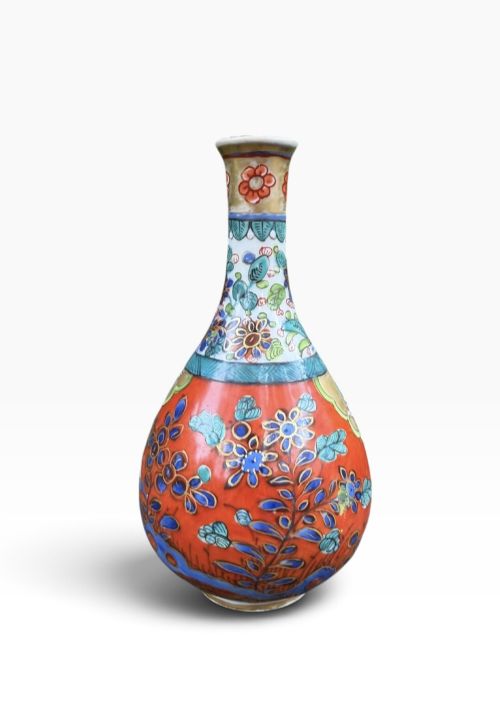
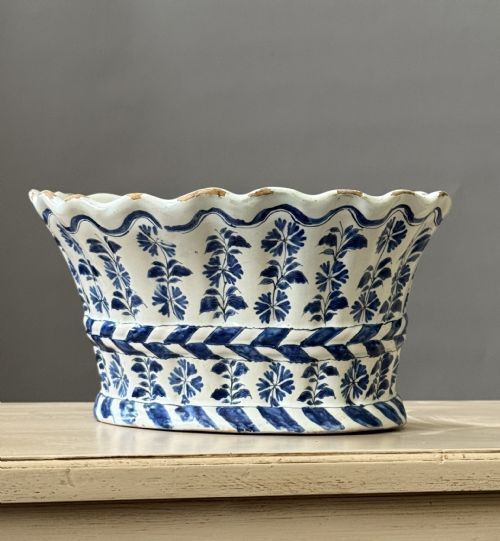
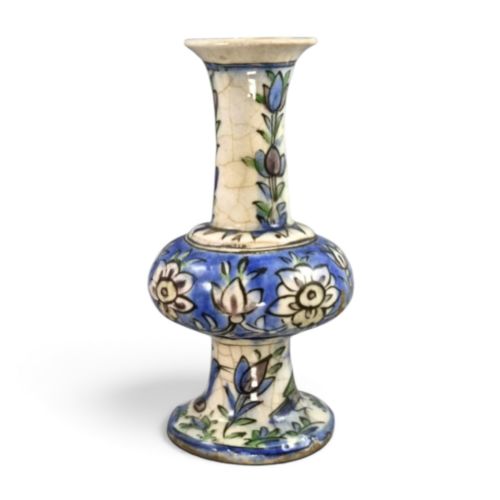
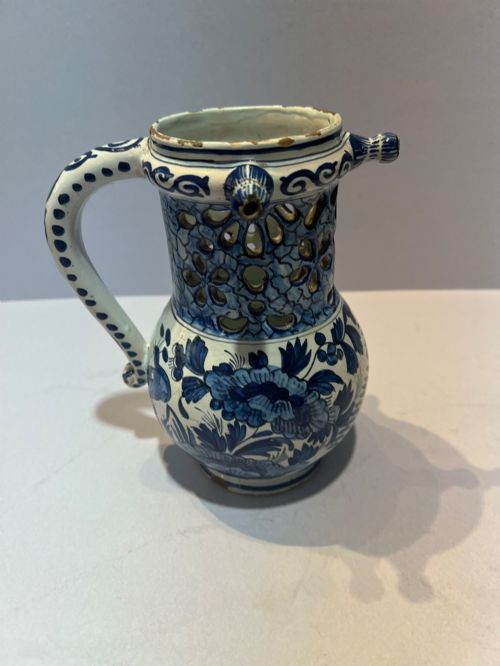
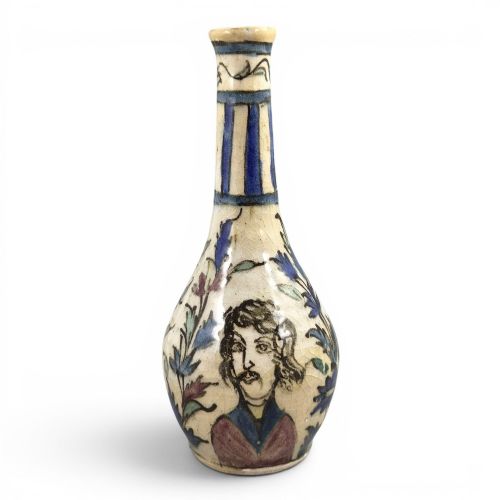
A white pottery vessel encompasses diverse forms such as apothecary jars, vases, and footbaths originating from European and Asian traditions. Buyers seeking these items will encounter pieces spanning several centuries, notably originating from English, Dutch, Italian, and Chinese kilns.
The selection on this page relies heavily on historical wares like Delft, Majolica, and various porcelain traditions. These containers served domestic, storage, and pharmaceutical functions before becoming decorative objects in modern homes.
The common thread among these varied pieces is their pale surface, achieved through tin glazes, white earthenware bodies, or pale porcelain clay. Each object reflects the utilitarian or artistic standards of its specific period, from seventeenth-century earthenware to Victorian ceramics.
Materials and Techniques
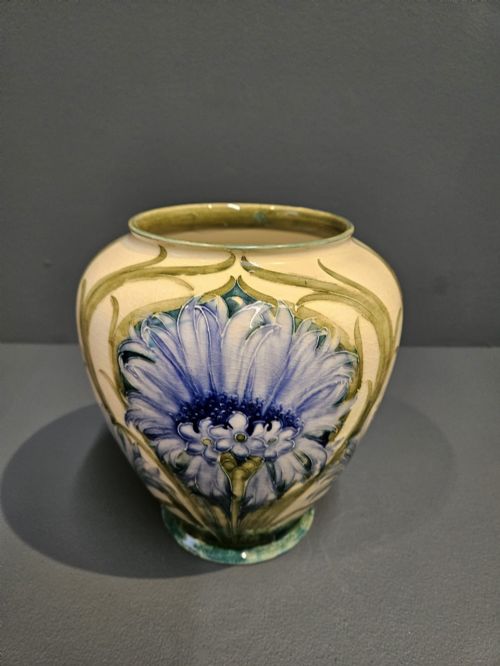
Potters shaped these vessels using earthenware and porcelain bodies, applying tin glaze, enamel, or simple transparent glazes to achieve a pale, smooth finish. Many pieces rely on tin-glazed earthenware, where an opaque white glaze provides a suitable surface for painted decoration.
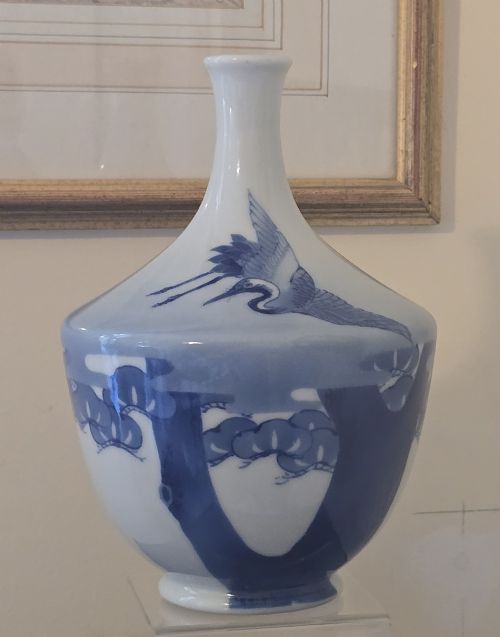
Firing techniques varied significantly across regions, from low-fired Italian majolica and English Delftware to high-fired Chinese and Japanese porcelain. Artisans employed hand-thrown methods, mould pressing, and intricate underglaze or overglaze painting depending on the workshop tradition.
White Pottery Vessel Retail Price Guide 2026
Typical asking prices for white pottery vessel among the pieces listed under this phrase on Sellingantiques today, from the lower quarter to the upper quarter. They describe what is for sale here now, not the wider market.
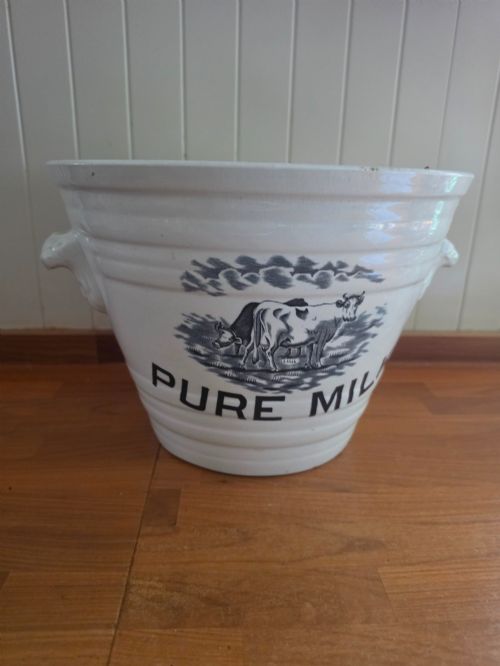
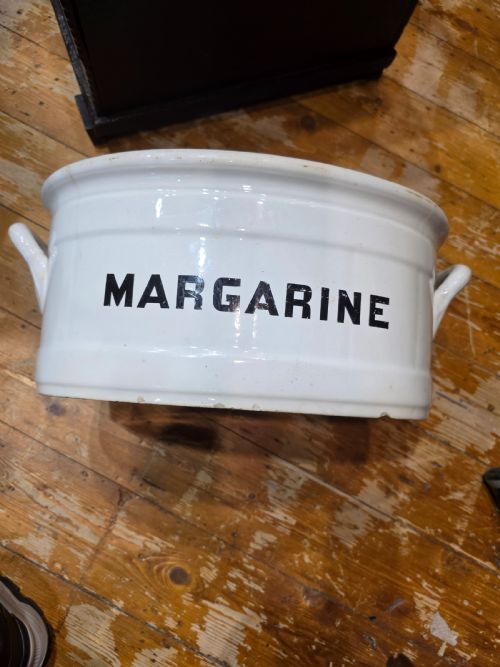
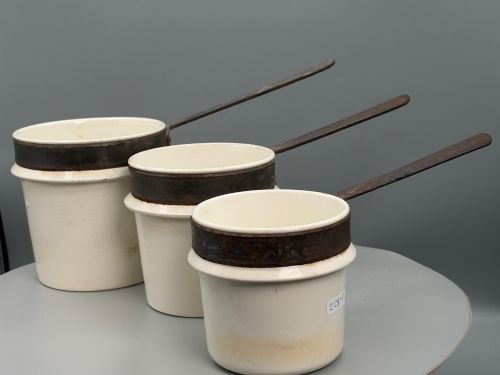
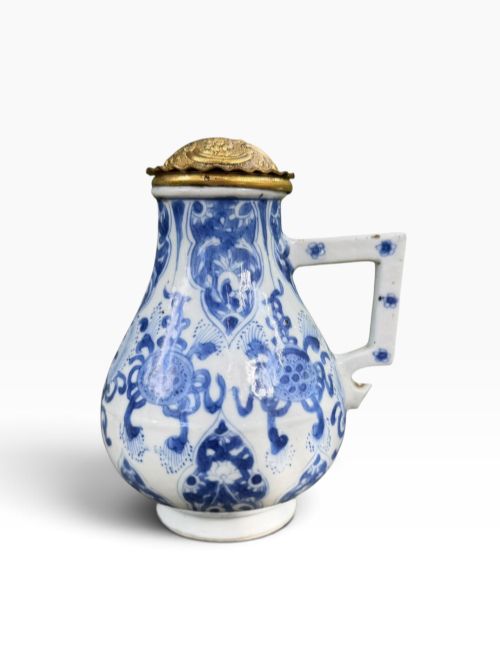
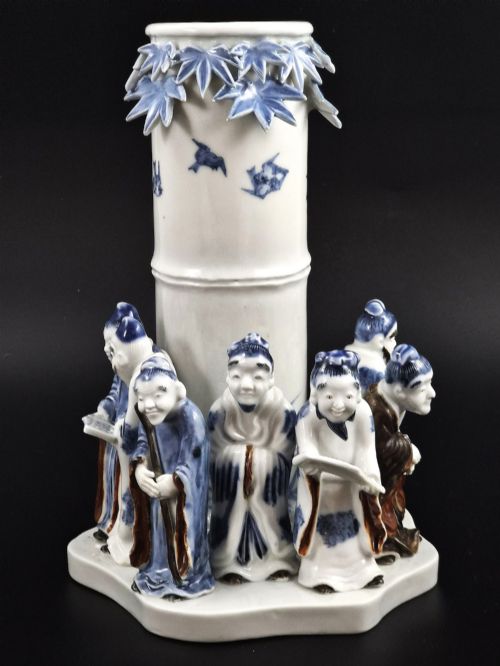
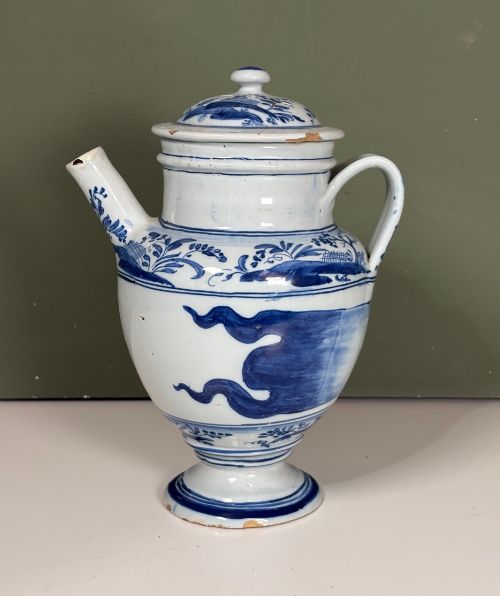
The inventory includes diverse forms such as apothecary jars, footbaths, sauceboats, and botanical bough pots originating across Europe and Asia.
Evaluating Quality and Execution
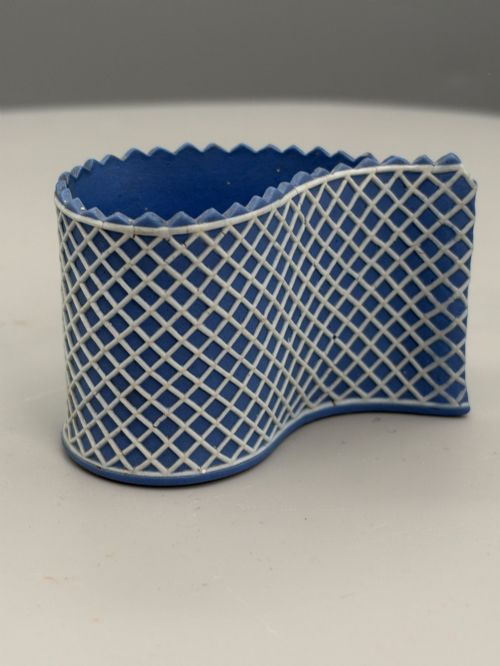
Quality in a white pottery vessel rests on the fineness of the clay body, the evenness of the glaze application, and the skill demonstrated in the throwing or moulding process. Superior pieces display crisp definition in incised motifs or painted details, whereas simpler utilitarian items show heavier potting and minor glaze pooling.
The clarity of the white surface and the stability of the glaze significantly influence the visual appeal of an antique piece. Well-preserved surfaces retain their original gloss or matte finish without excessive disruption from wear, allowing the underlying form and craftsmanship to remain prominent.
Royal Copenhagen·Kinrin Workshop
The White Pottery Vessel Glossary
- Albarello
- A cylindrical earthenware jar used in pharmacies for storing ointments and drugs. These containers often feature a waisted body to allow for easier gripping.
- Delftware
- Tin-glazed earthenware produced in the Netherlands and England, typically featuring a white surface decorated in blue pigments. This technique imitates imported Chinese porcelain.
- Majolica
- Italian tin-glazed earthenware produced from the Renaissance onward, known for colourful or monochrome painted designs. The glaze creates an opaque white background for pigments.
- Posset pot
- A spouted ceramic vessel used for serving a traditional hot drink made of curdled milk and wine. They frequently include lids and handles for communal passing.
- Footbath
- A large ceramic basin designed for bathing feet, often featuring decorative handles and substantial proportions. These items reflect nineteenth-century domestic utility.
- Faience
- European tin-glazed earthenware produced outside of Italy, sharing similar glazing techniques with Majolica and Delft. The term encompasses various regional European pottery traditions.
White Pottery Vessel: Frequently Asked Questions
What were apothecary jars used for?
Apothecary jars held dry drugs, syrups, and medicinal ointments in historical pharmacies and dispensaries. Their clear labelling prevented errors among practitioners.
Over time, these vessels transitioned from strictly utilitarian dispensary storage into decorative display items valued for their historical typography and form.
How do I clean an antique vessel?
Dust these items gently with a soft, dry cloth to remove everyday surface particles. Avoid submerging porous earthenware in water for extended periods.
Harsh chemical cleaners or abrasive scourers will damage historical glazes and painted decorations permanently. Professional conservation advice is best for delicate pieces.
Can I use these vessels for flowers?
Many historical vessels, such as vases and jugs, function well for holding fresh water and floral arrangements. Porcelain and well-glazed ceramics handle moisture reliably.
Fragile earthenware or pieces with internal glaze cracks should avoid direct contact with water to prevent further deterioration of the ceramic body.
How are different periods identified?
Period identification relies on observing clay composition, glaze characteristics, painting styles, and manufacturing marks. Stylistic cues often point to specific centuries of production.
Comparing known examples from documented workshops helps establish a reliable timeframe for unmarked ceramic pieces.