


White Pottery Dog Pair
These white pottery dog pair selections are nineteenth-century mantelpiece figures that bring traditional ceramic character to a room.
White Pottery Dog Pair
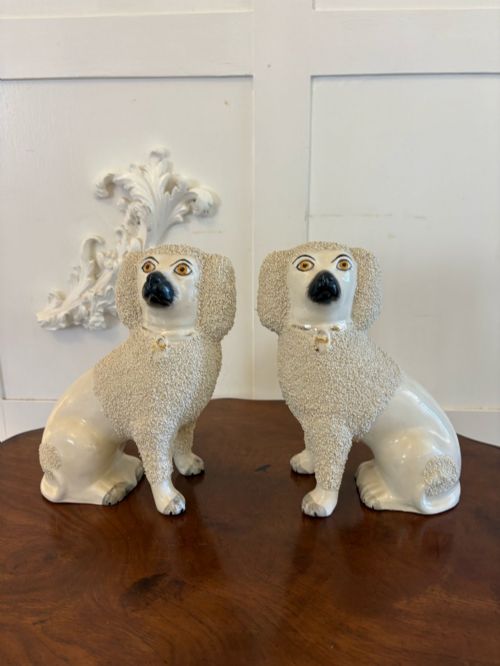
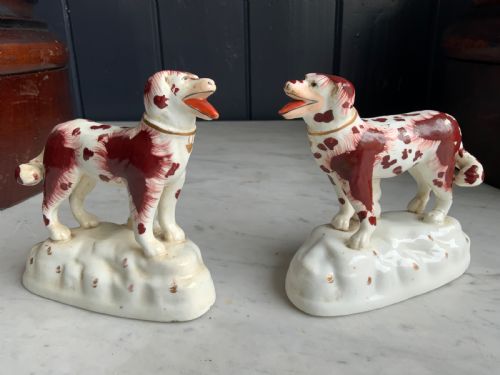
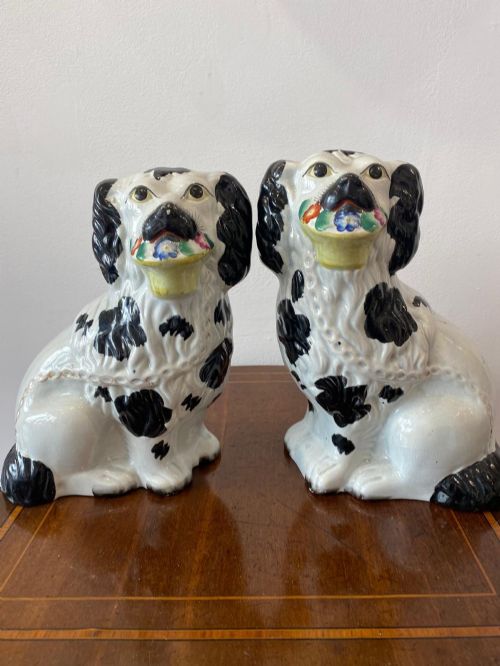
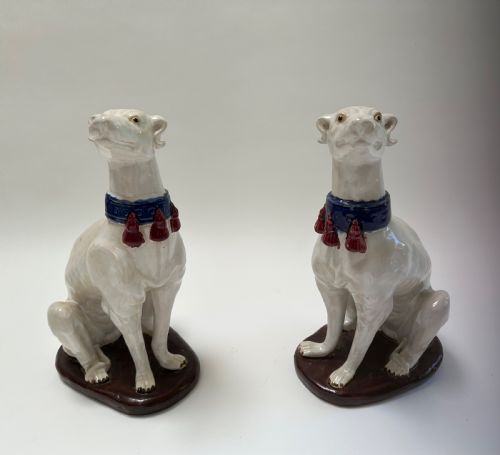
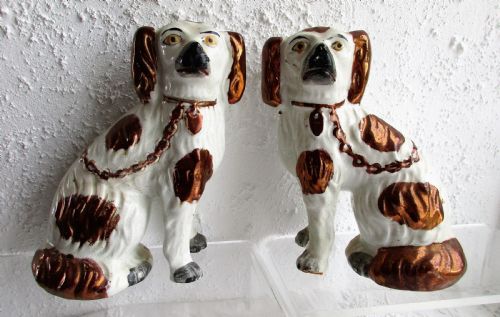
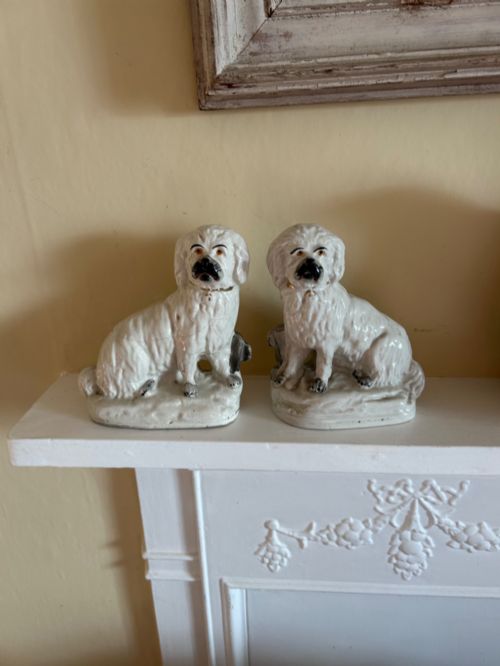
A white pottery dog pair typically represents Victorian spaniels, poodles, or greyhounds designed to sit on either end of a fireplace mantel. These Staffordshire earthenware figures originate predominantly from the nineteenth century, including specific dates around eighteen-sixty and eighteen-eighty.
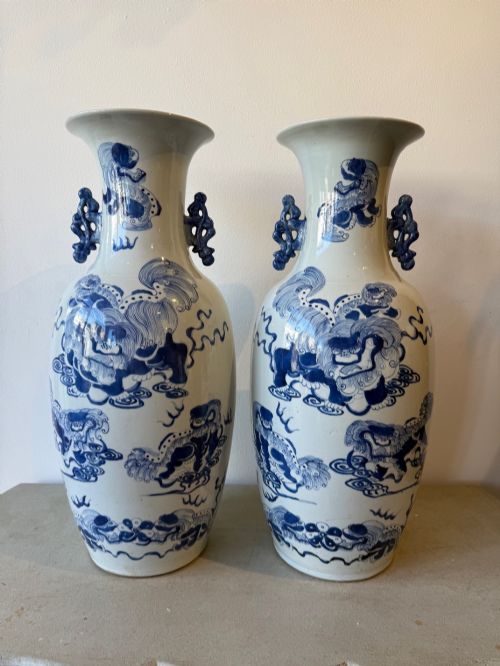
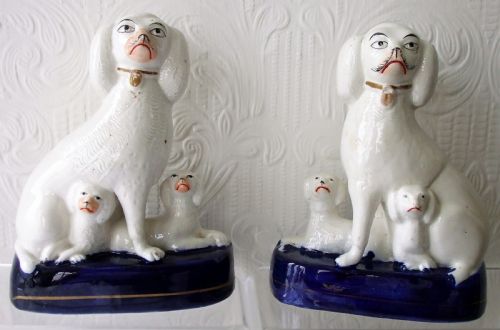
Beyond standard spaniels, the listings encompass poodles with pups, dalmatian inkwells, and greyhounds, alongside related forms such as Italian majolica dogs and Chinese white glazed kylins. Most examples take the form of decorative ceramic figurines rather than functional vessels, though quill holders and inkwells occasionally appear.
What varies in quality
Complications like separate front feet, pups attending the adult poodles, or functional additions such as inkwells and quill holders elevate certain figures above standard mantel ornaments. The depth of the glaze and the precision of the underlying ceramic form dictate the overall character of the pair.
Some nineteenth-century poodles were modelled with distinct separate front feet and textured clay curls that demanded extra hours from the decorator.
Thomas Parr·Boness Pottery
The White Pottery Dog Pair Glossary
- Earthenware
- Porous pottery fired at lower temperatures, serving as the primary ceramic body for nineteenth-century Staffordshire figures. It requires a protective glaze to hold liquids and achieve a smooth surface.
- Lead glaze
- A glossy coating containing lead oxide applied to pottery before firing to create a shiny, waterproof finish. This glaze gives many Victorian figures their characteristic sheen.
- Comforter spaniels
- Staffordshire pottery spaniels traditionally placed on Victorian mantelpieces as fireside companions. They were modelled in mirrored pairs to sit at either end of the hearth.
- Enamel
- Opaque glass-like pigments fused to the pottery surface during a secondary low-temperature firing. Enamels provide the black, tan, and red markings on various spaniels and poodles.
White Pottery Dog Pair: Frequently Asked Questions
What are Staffordshire dogs called?
Staffordshire dogs are frequently known as comforter spaniels, fireside dogs, or wally dogs by collectors and dealers alike. These terms refer to the earthenware spaniels placed on nineteenth-century mantelpieces.
Makers also produced poodles, greyhounds, and maltese terriers in matched pairs, which share the same broad classification among collectors.
Where did these dogs sit?
Pairs of pottery dogs were traditionally positioned at opposite ends of a Victorian fireplace mantelpiece. They faced inward toward each other, guarding the hearth.
Owners also placed them on side tables, chests of drawers, and windowsills as decorative ornaments within the domestic interior.
How do I date a pottery dog?
Dating relies on stylistic markers, clay bodies, glaze characteristics, and historical attribution from the nineteenth century. Pieces marked with specific potters or associated with periods like the Regency or mid-Victorian era offer clearer chronological anchors.
Examining the base, the weight of the earthenware, and the application of gold leaf or enamel helps distinguish earlier figures from later reproductions.
Are all Staffordshire dogs spaniels?
Not all Staffordshire dogs are spaniels, as the category includes poodles, greyhounds, dalmatians, and terriers. Potters also modelled rarer variants such as poodles with pups or dogs incorporating inkwells.
Beyond English Staffordshire works, related pottery figures include Italian majolica dogs and Chinese white glazed kylins.