




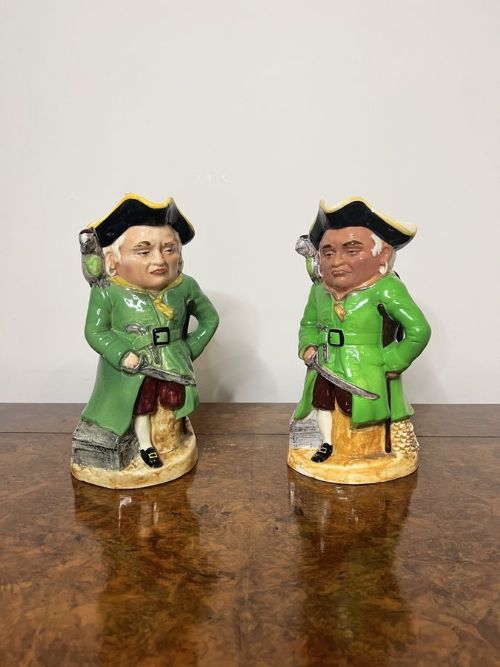

Traditional Staffordshire Pottery
Traditional staffordshire pottery brings character to a room through figures of spaniels, cows, and character jugs shaped in clay.
Traditional Staffordshire Pottery
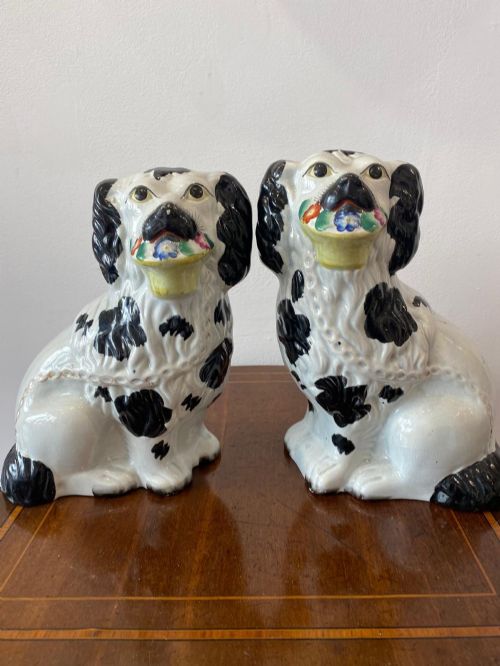
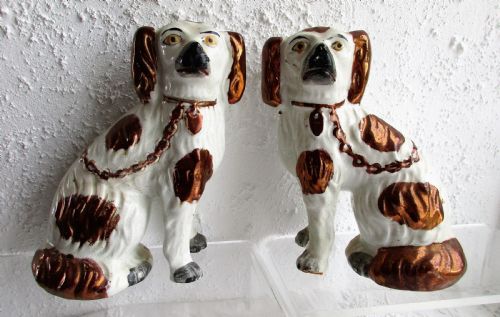
Traditional staffordshire pottery encompasses earthenware figures and vessels shaped across the nineteenth century, including the Georgian era and Victorian period. Buyers meeting these pieces on this page will frequently encounter pairs of spaniels, seated dogs, and figural cows with calves.
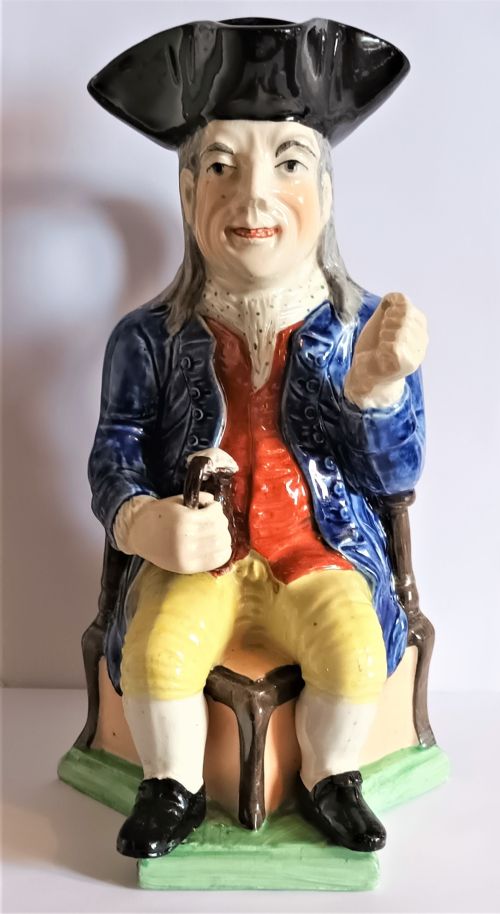
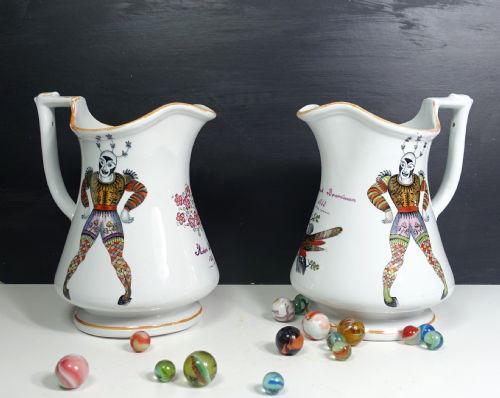
The selection also includes functional and decorative forms such as toby jugs, puzzle jugs, and transfer-printed plates. These objects reflect the domestic ornaments produced in Staffordshire workshops during the eighteen-eighties and earlier decades.
How they were made
Potters shaped these earthenware and ironstone pieces using ceramic body materials finished with lead glaze, enamel, and paint. Artisans applied copper lustre and gold leaf highlights to accentuate details on figures and jugs.
Makers utilised transfer printing techniques for plates, whilst modellers applied glass eyes to later spaniels to create lifelike expressions. The combination of ceramic bodies and coloured glazes defined the output of the period.
Some nineteenth-century spaniels peer out with inserted glass eyes, giving the ceramic dogs a surprisingly watchful gaze from the mantelpiece.
What varies in quality
The application of glaze and lustre contributes to the visual depth of the object, distinguishing finely finished pieces from simpler production. Details like glass eyes and consistent gilding indicate higher grade work.
William Adams
The Traditional Staffordshire Pottery Glossary
- Earthenware
- A porous pottery body fired at lower temperatures, commonly used for nineteenth-century figures and jugs.
- Toby Jug
- A pottery jug shaped as a full-bodied seated figure, typically holding a mug and a jug of beer.
- Transfer Print
- A decoration method where an engraved pattern is transferred to ceramic via paper from a copper plate.
- Copper Lustre
- A metallic glaze finish producing a coppery sheen on the surface of pottery vessels and figures.
- Ironstone
- A dense, durable type of semi-vitrified earthenware developed for robust domestic wares and puzzle jugs.
Traditional Staffordshire Pottery: Frequently Asked Questions
What are Staffordshire dogs called?
Staffordshire dogs are frequently identified as comforter spaniels or seated spaniels. These pairs typically sat on mantelpieces in nineteenth-century homes.
Potters modelled them after the King Charles spaniel, often adding gilt highlights and glass eyes on later examples.
How old are Staffordshire figures?
The pieces seen here date from the nineteenth century, spanning the Georgian and Victorian eras. Exact dates range from around eighteen-thirty to eighteen-ninety.
Stylistic details and glazing methods help distinguish pieces made in the early nineteenth century from later Victorian production.
What is a cow creamer?
A cow creamer is a ceramic jug modelled in the shape of a cow, used to serve milk or cream at the table. Potters filled them through a hole in the back.
Examples on this page include Staffordshire cows with calves and Jackfield pottery versions from the nineteenth century.
How do I clean antique pottery?
Dust antique earthenware gently with a soft, dry brush to protect the delicate glaze and enamel painted surfaces. Avoid immersing porous ceramics in water.
Keep pieces away from direct sunlight and moisture to preserve the painted details and gold leaf highlights.