
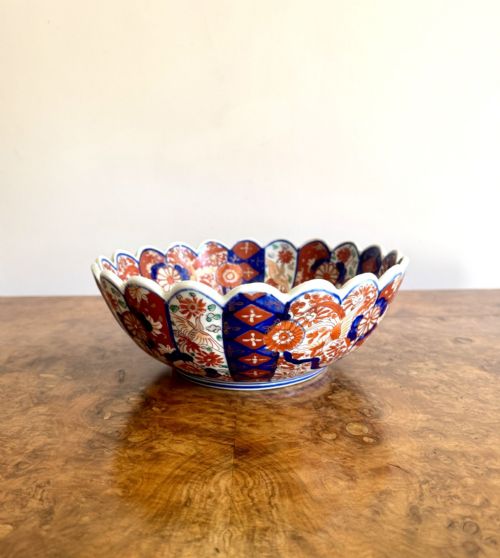


White Porcelain Punch Bowl
A white porcelain punch bowl brings centuries of punch-service tradition to the table, offering generous proportions and hand-painted artistry for modern display.
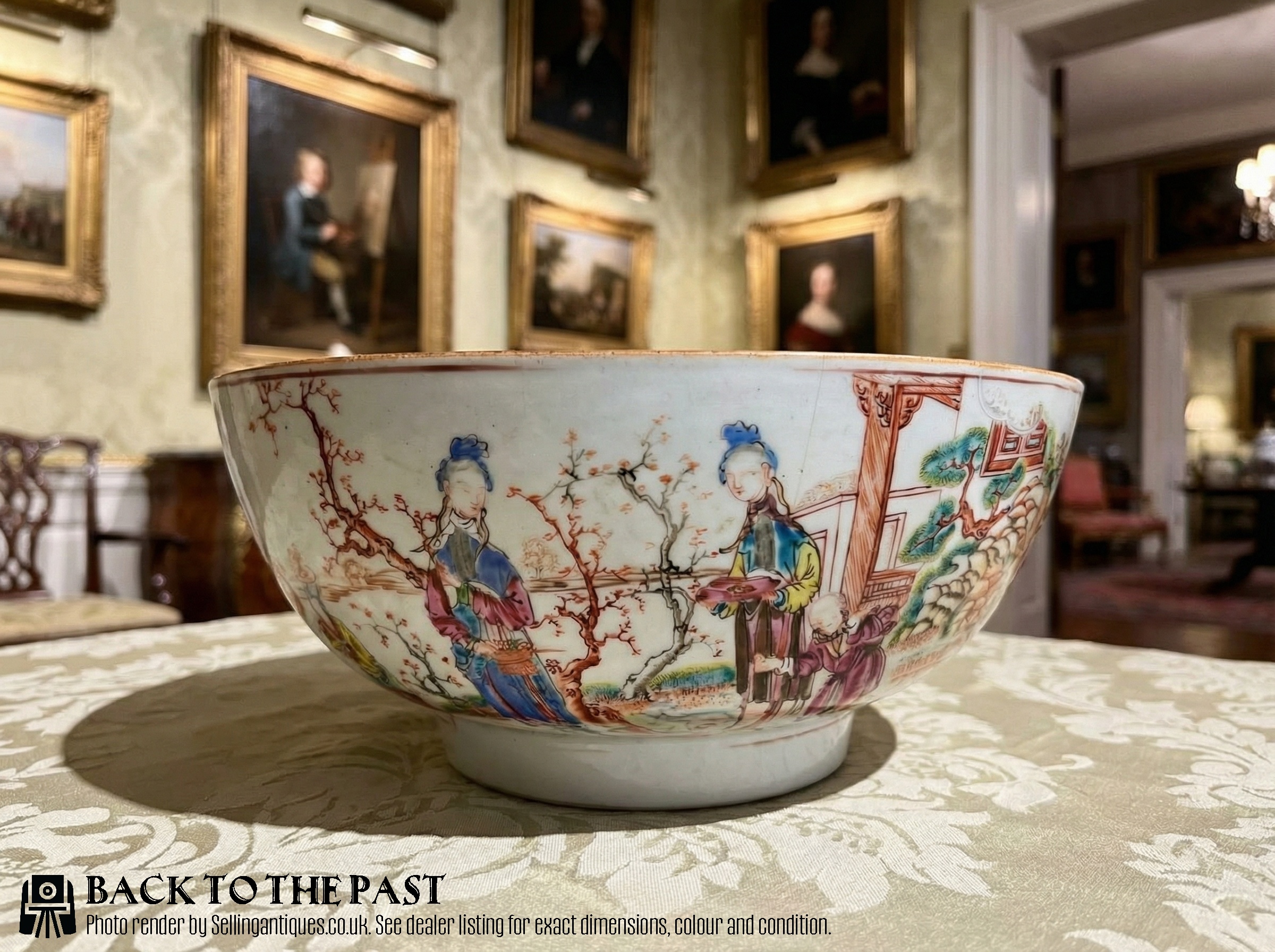
White Porcelain Punch Bowl
A white porcelain punch bowl is a large vessel designed historically for serving mixed drinks at social gatherings, appearing in forms ranging from deep circular basins to footed bowls. When you search for a white porcelain punch bowl, you encounter examples spanning multiple centuries, from sixteenth-century Ming pieces to eighteenth-century Chinese export wares and nineteenth-century European interpretations.
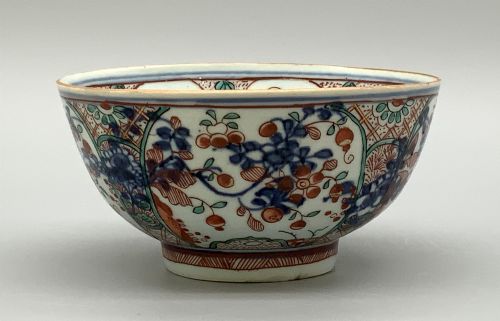
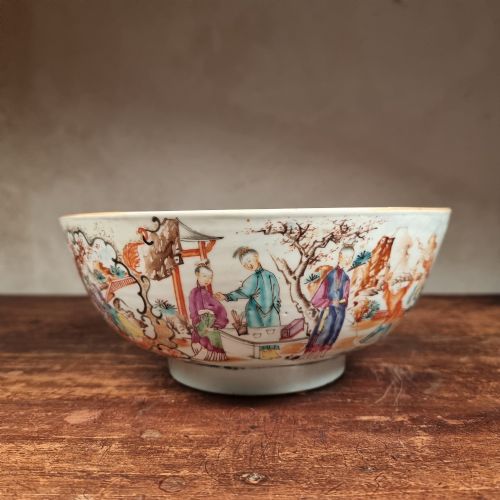
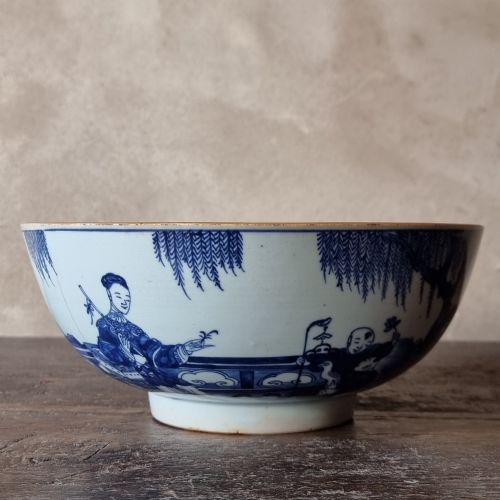
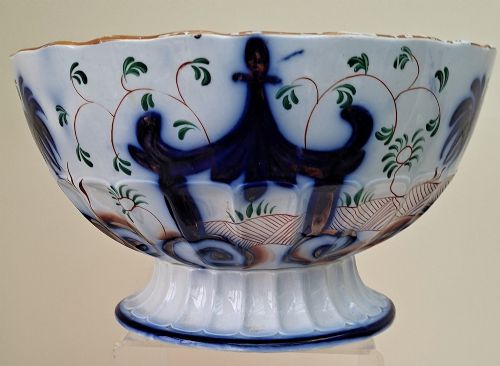
The selections on this page concentrate heavily on eighteenth-century Chinese production alongside nineteenth-century Japanese Imari, Victorian pottery, and Continental porcelain. Forms include scalloped-edge dishes, footed bowls, and armorial vessels bearing specific historic patterns like blue and white, Famille Rose, and Chinoiserie.
Origin points stretch from Chinese dynasties through Japanese kilns to English factories such as Worcester and Ridgway, plus French revivalist workshops like Samson of Paris. Buyers find both functional serving vessels and purely decorative bowls intended for prominent placement in a dining room or hall.
What varies in quality
Quality rests in the precision of the hand-painting, the clarity of the white porcelain body, and the crispness of the glaze application. Finer vessels display confident brushwork in cobalt underglaze or polychrome enamel without blurring or pooling.
The prestige of the workshop or period dictates much of the standing, where early Chinese dynastic pieces or documented factory outputs like First Period Worcester show superior potting and artistic refinement compared to later commercial iterations.
White Porcelain Punch Bowl Retail Price Guide 2026
Typical asking prices for white porcelain punch bowl among the pieces listed under this phrase on Sellingantiques today, from the lower quarter to the upper quarter. They describe what is for sale here now, not the wider market.
Listings feature porcelain, earthenware, and ceramic materials decorated with enamel, gold leaf, and cobalt glaze across multiple centuries.
Ridgway·James Giles·Samson Of Paris
The White Porcelain Punch Bowl Glossary
- Imari
- A style of Japanese export porcelain characterised by a palette of underglaze blue, iron red, and gilt highlights. These pieces were widely exported to Europe from the port of Imari during the Edo period.
- Famille Rose
- A palette of Chinese porcelain enamels dominated by opaque pink or rose colours, introduced during the Qing dynasty. The technique allowed for subtle tonal gradations in floral and figural scenes.
- Armorial
- A ceramic design incorporating a European family coat of arms or heraldic crest. Such items were typically commissioned as bespoke dinner and punch services from Chinese export kilns.
- Underglaze
- Pigment applied to an unfired or biscuit ceramic body before the application of a clear glaze layer. This method protects the painted design beneath the glass surface during high-temperature firing.
- Footed bowl
- A vessel raised on an integrated circular pedestal base rather than resting flat on its bottom. This form elevates the display profile of punch services.
White Porcelain Punch Bowl: Frequently Asked Questions
What were punch bowls used for?
Historic punch bowls served as the central mixing and serving vessels for communal drinks at gatherings and banquets. Guests ladled spiced wine, spirits, or fruit punches directly from the large basin into individual cups.
Today, these bowls function primarily as decorative centerpieces, fruit containers, or display objects on sideboards and dining tables.
How do I date an antique porcelain bowl?
Dating relies on stylistic markers, potting characteristics, and any visible glaze or painted details typical of specific periods like the Kangxi reign or Victorian era. Examining the foot rim and the composition of the ceramic body also provides clues to the century of manufacture.
Comparing the decorative motifs, such as Imari palettes or armorial crests, against documented kiln outputs helps narrow the production window further.
Are these bowls safe for food use?
Many antique porcelain bowls retain their structural integrity, but historic glazes may contain trace materials that require caution with acidic foods or heavy everyday usage. Collectors generally treat eighteenth-century and earlier pieces as display items rather than functional tableware.
Gentle hand washing in lukewarm water preserves the delicate enamel and gold leaf decorations found on many export and European wares.
What is the difference between Chinese export and European porcelain?
Chinese export porcelain was produced in kilns like those of the Qing dynasty specifically for Western markets, often combining traditional Asian forms with European armorial or decorative requests. European factories subsequently developed their own hard-paste and soft-paste porcelain recipes to emulate these imported styles.
European pieces frequently bear factory marks or stylistic traits unique to makers in England, France, or Germany.