

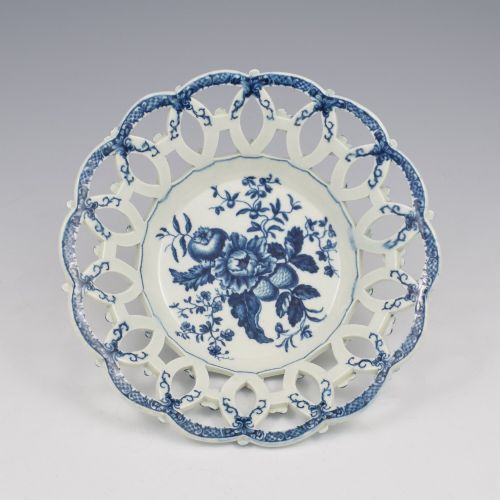


White Porcelain Centrepiece Bowl
A white porcelain centrepiece bowl stands as the definitive focal point of a formal table, offering both decorative presence and historical craftsmanship.
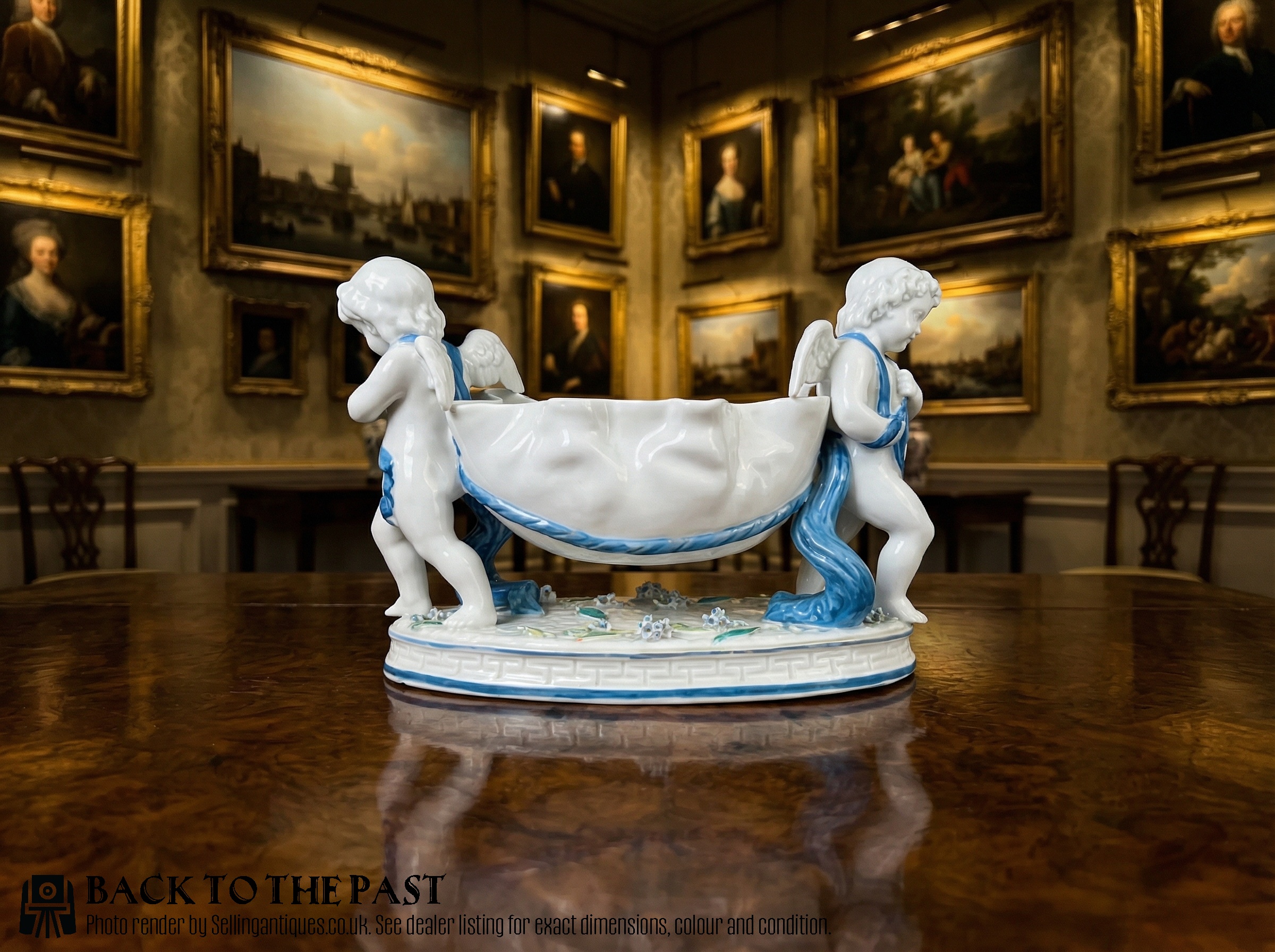
White Porcelain Centrepiece Bowl
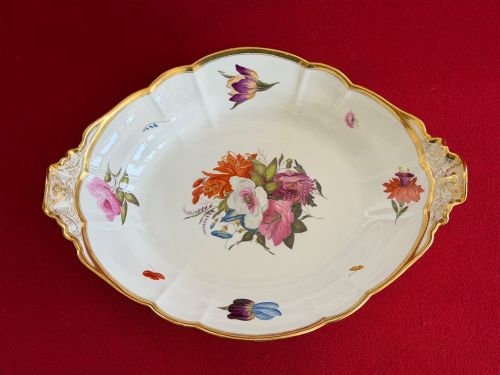
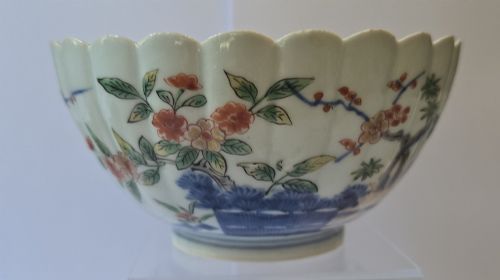
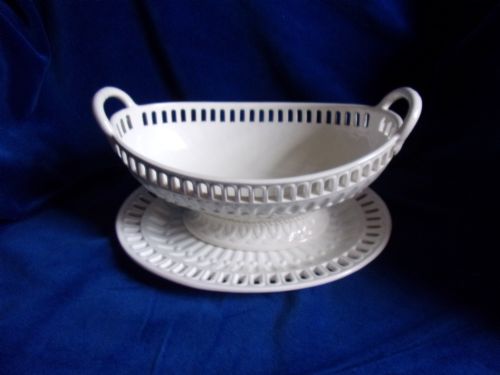
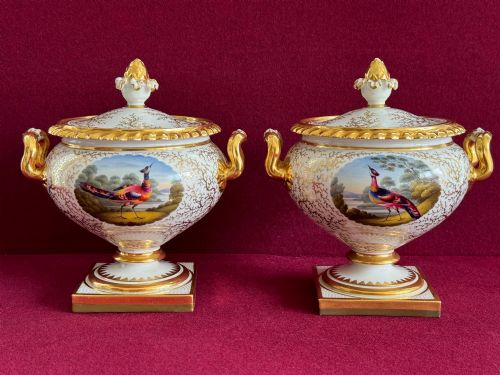
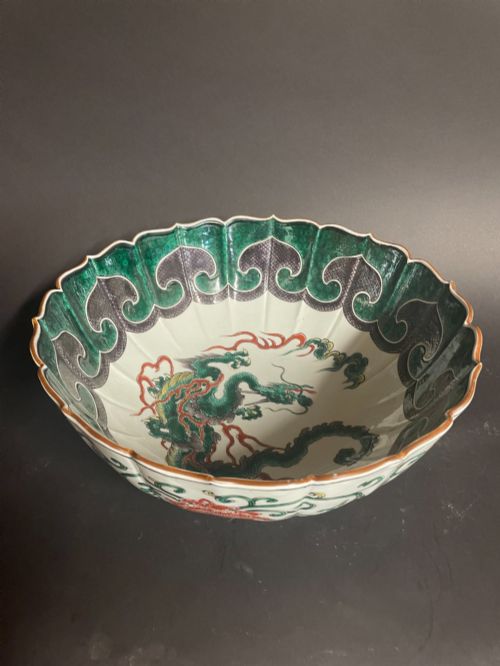
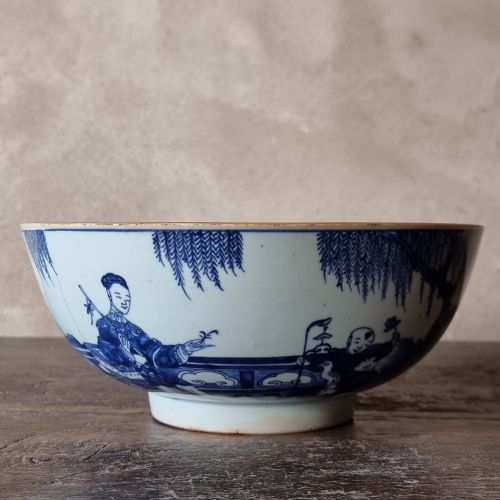
A white porcelain centrepiece bowl unites utility and display, taking forms such as large punch bowls, elaborate comports, and pierced baskets designed to hold fruit or flowers. When searching for a white porcelain centrepiece bowl, buyers encounter pieces spanning the eighteenth century through to the Edwardian era, originating from English, continental European, and Asian kilns.
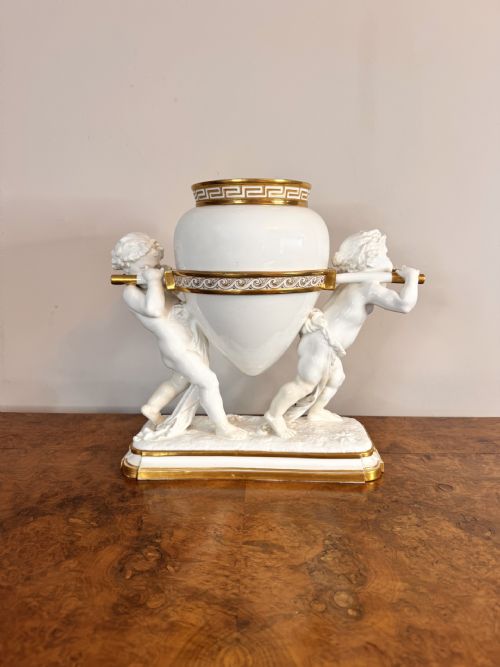
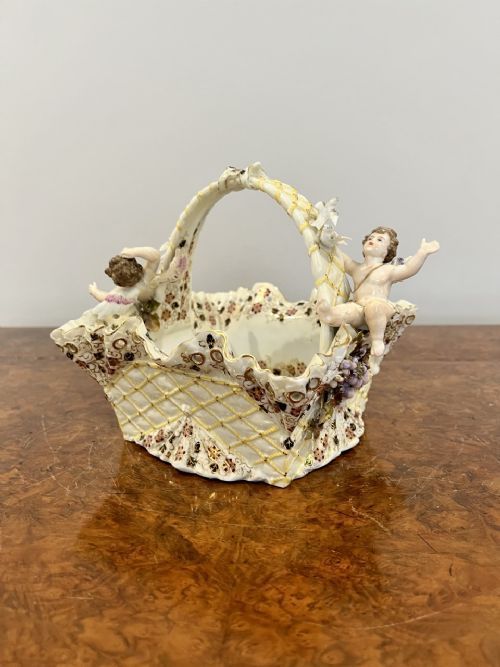
The selection ranges from neoclassical urns and Chinese export porcelain to vibrant Victorian rococo revival baskets adorned with applied flowers and putti. English factories such as Worcester, Derby, and Minton sit alongside continental makers like Meissen and Schierholz, creating substantial variety in both scale and ornamentation.
How They Were Made
Potters utilised hard-paste and soft-paste porcelain, shaping bodies through throwing, moulding, or intricate lattice basketry that required exceptional skill before firing. Artisans applied delicate hand-formed flower encrustations and figural putti directly to the ceramic surface prior to glazing.
Decoration relied on underglaze painting, enamel colours, and precise applications of gold leaf or gilding, frequently fixed during a secondary kiln firing. Bronze mounts were occasionally integrated into nineteenth-century continental examples to elevate the structural form.
White Porcelain Centrepiece Bowl Retail Price Guide 2026
Typical asking prices for white porcelain centrepiece bowl among the pieces listed under this phrase on Sellingantiques today, from the lower quarter to the upper quarter. They describe what is for sale here now, not the wider market.
The inventory records nineteenth century, eighteenth century, and Edwardian periods alongside materials including porcelain, enamel, gold leaf, and hard-paste porcelain.
What Varies in Quality
The excellence of a white porcelain centrepiece bowl rests in the crispness of its moulded details and the delicacy of its openwork piercing, which distinguishes ambitious studio output from simpler commercial wares. Superior examples display finely modelled figural elements and secure attachment of applied floral motifs rather than heavy, blunt modelling.
Painting execution and gilding preservation separate standard production from masterworks, particularly where intricate armorial scenes or landscape views are hand-painted. The integration of bronze mounts and the purity of the white ceramic paste further define the upper tiers of craftsmanship.
C.G. Schierholz and Sohn·Royal Worcester·Doulton Burslem·Samson Of Paris·Rockingham
The White Porcelain Centrepiece Bowl Glossary
- Soft-paste porcelain
- An early ceramic composition of clay, glass, and frit fired at lower temperatures, producing a warm, creamy body common in eighteenth-century English pieces.
- Hard-paste porcelain
- A true porcelain made from kaolin and petuntse fired at high temperatures, yielding a durable, vitreous white body favoured by continental and Chinese kilns.
- Comport
- A raised serving dish or bowl on a foot or pedestal, frequently utilised for fruit or sweetmeats on formal dining tables.
- Putti
- Plump, winged infant figures, often sculpted in porcelain to climb around the base or rim of nineteenth-century centrepieces.
- Gilding
- The application of gold leaf or gold powder to ceramic surfaces, enhancing decorative highlights and borders.
White Porcelain Centrepiece Bowl: Frequently Asked Questions
How were these bowls used historically?
A white porcelain centrepiece bowl served primarily as a visual anchor on dining tables during formal meals, often holding seasonal fruits, sweetmeats, or floating floral arrangements.
Larger punch bowls and urns were also filled during social gatherings to display wealth and hospitality through fine ceramic art.
How do I date an antique porcelain bowl?
Dating relies on examining the ceramic paste, glaze characteristics, and any factory marks stamped or painted on the underside. Stylistic cues such as neoclassical symmetry or Victorian rococo revival moulding provide further chronological context.
Secondary indicators include the wear patterns on the base and the complexity of hand-painted enamels or gilding techniques specific to certain decades.
What is the difference between hard-paste and soft-paste?
Soft-paste porcelain was developed first in Europe using glass mixtures that produced a warmer, slightly softer glaze texture ideal for early eighteenth-century painted decoration.
Hard-paste porcelain utilises true china clay fired at extreme heat, resulting in a harder, whiter, and more durable material common in Asian and later European wares.
How should I display a porcelain centrepiece?
Position your white porcelain centrepiece bowl in a secure location away from direct sunlight and heavy foot traffic to protect delicate applied flowers and handles.
Ensure the supporting surface is level and sturdy, as many antique comports and baskets possess substantial weight combined with intricate, projecting ornamentation.