


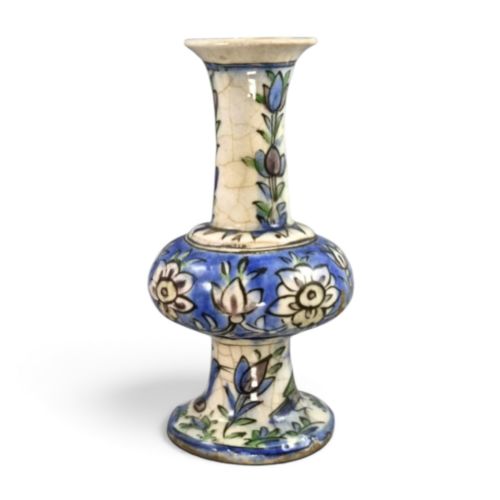
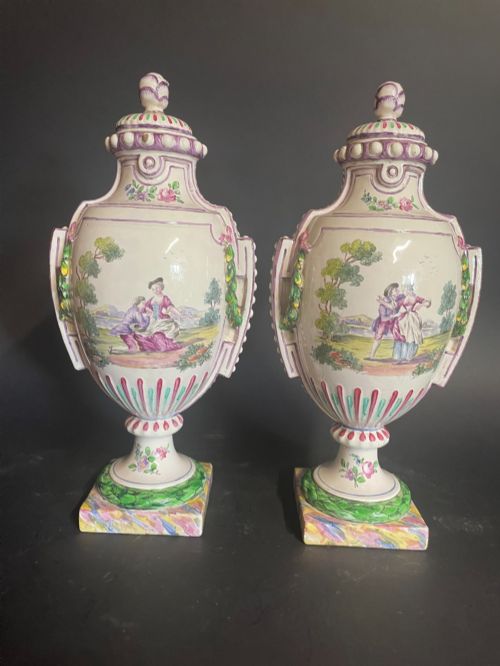
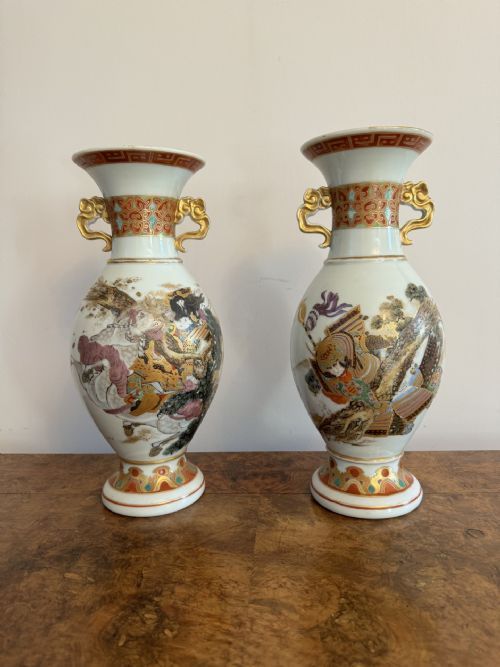
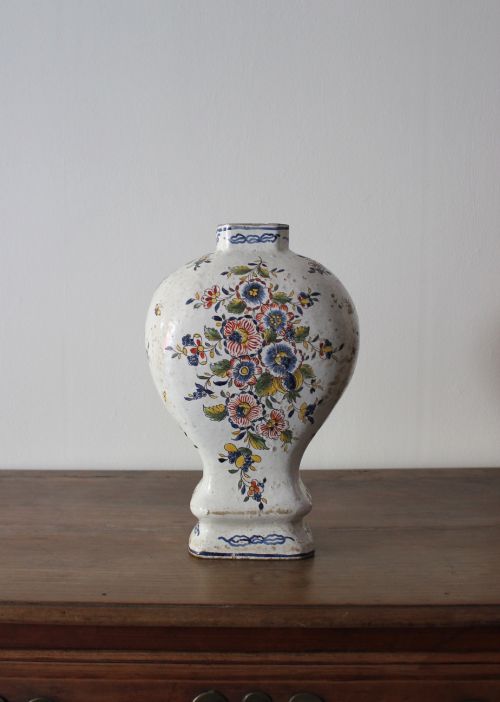



White Polychrome Vase
A white polychrome vase brings together ceramic forms and multi-coloured enamel painting from European and Asian traditions.
White Polychrome Vase
A white polychrome vase groups ceramic vessels that share a white ground, such as tin-glazed earthenware or porcelain, overlaid with bright enamel painting. Buyers seeking a white polychrome vase will encounter examples spanning the eighteenth century to the early twentieth century across multiple traditions.
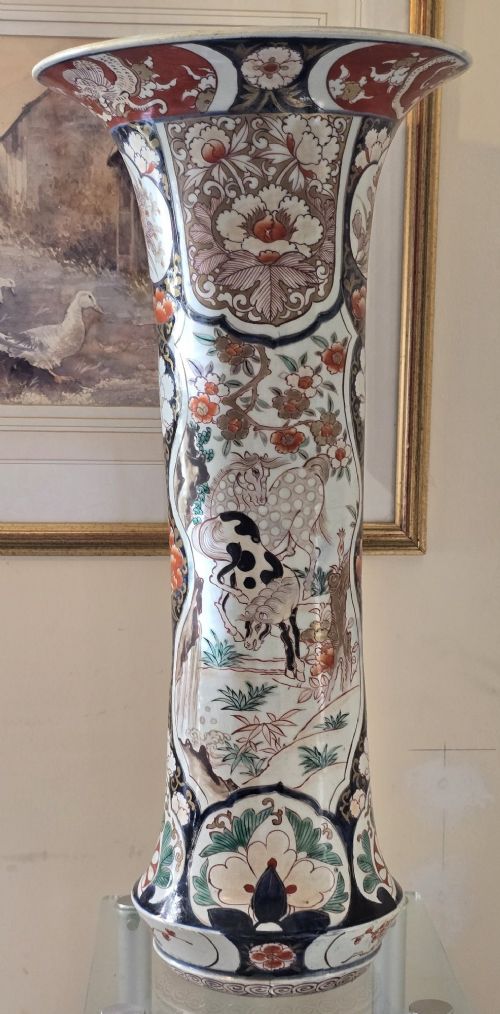
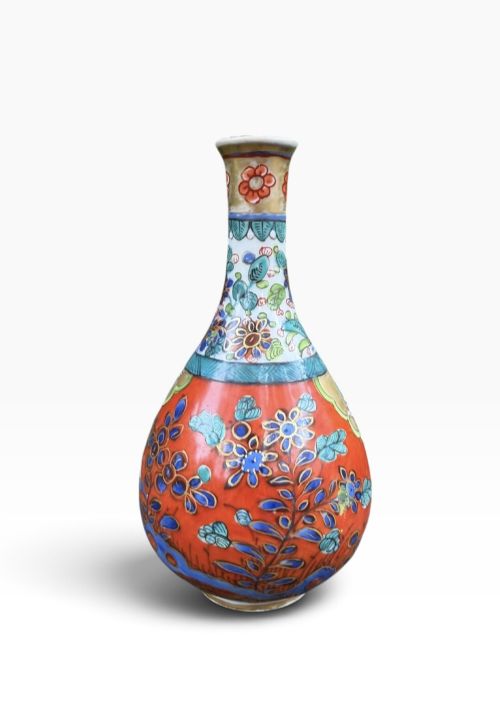
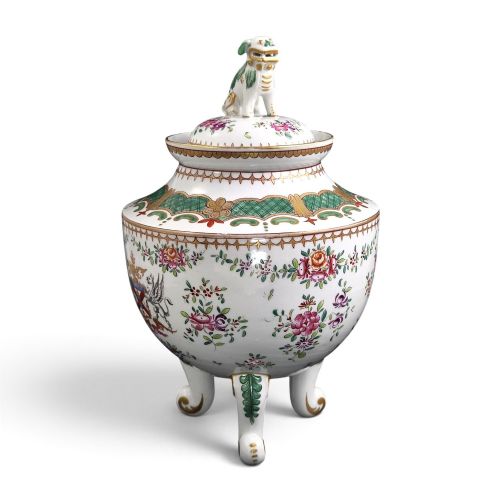
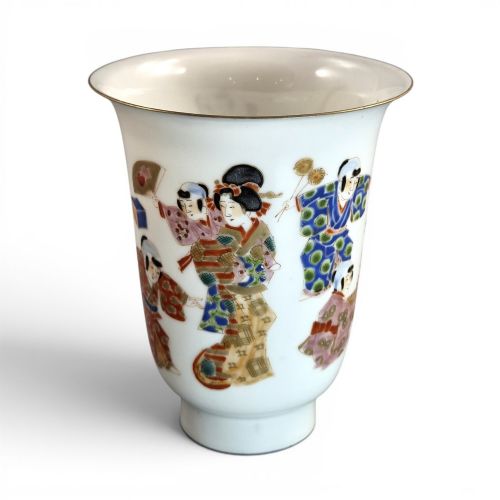
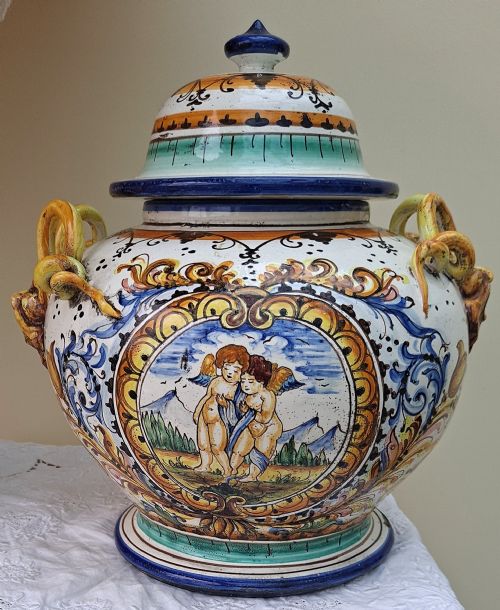
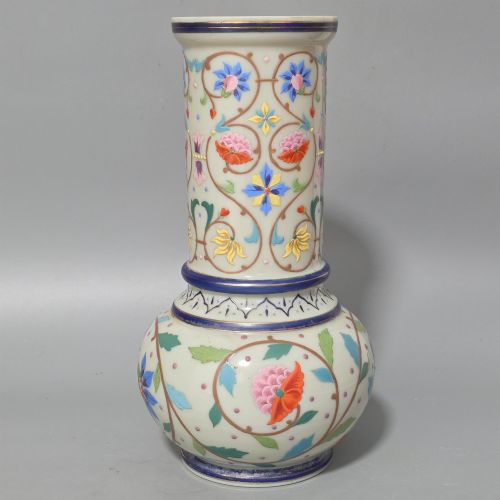
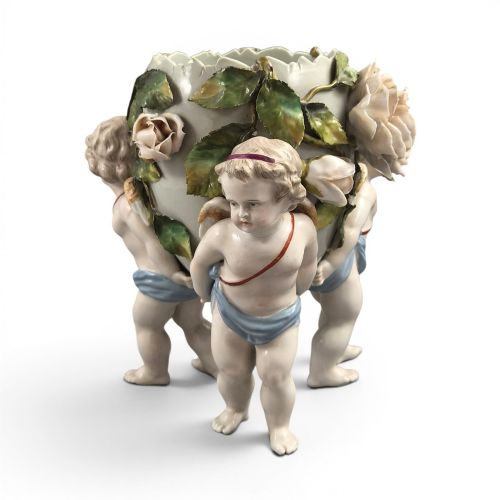
The selection includes Delftware, Japanese Imari and Satsuma, Qajar Persian ceramics, and Chinese export wares alongside European porcelain from factories like Berlin and Sitzendorf. These pieces take various forms including lidded jars, baluster vessels, and table lamps.
Vessels from the nineteenth century predominate on this page, often showing influences from the Qing Dynasty, Japanese Meiji period, and Dutch Baroque styles. Earthenware and porcelain bodies carry hand-painted decoration ranging from botanical motifs to figural scenes.
Materials and construction
Makers formed these vessels using porcelain, earthenware, or tin-glazed ceramic bodies, often applying an opaque white glaze or tin-glaze as a foundation for subsequent painting. Potters shaped forms on the wheel or in moulds before firing the base clay.
Decoration relied on mineral enamels and metallic oxides, sometimes accented with gold leaf, fixed to the surface through secondary kiln firings. Artisans painted detailed motifs by hand, combining cobalt blues, iron reds, greens, and yellow pigments over the white glaze.
White Polychrome Vase Retail Price Guide 2026
Typical asking prices for white polychrome vase among the pieces listed under this phrase on Sellingantiques today, from the lower quarter to the upper quarter. They describe what is for sale here now, not the wider market.
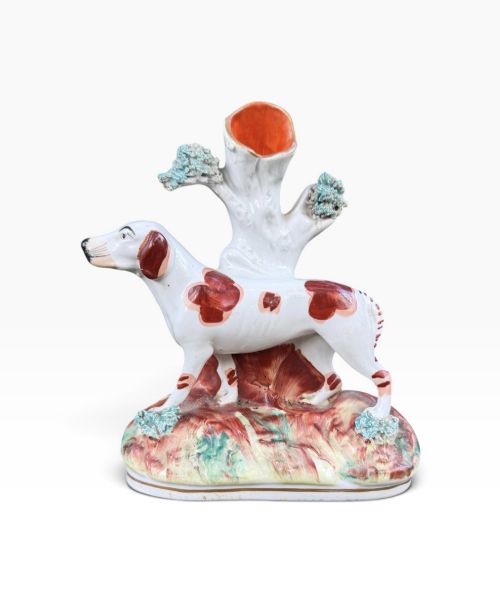
Several ceramic cats and energetic cherubs keep watch over the flower vases across the collection.
Assessing quality
Quality rests upon the precision of the hand-painted brushwork and the clarity of the enamel colours against the white ground. Finer pieces demonstrate control in intricate floral, bird, or figural compositions that align harmoniously with the contours of the vessel.
The refinement of the ceramic body and the evenness of the glaze application also distinguish finer examples from standard production pieces. Well-executed forms display crisp moulding or throwing lines and stable integration between the glaze and the decorative pigments.
Samson Paris·Thomas Webb·Baccarat·Sitzendorf
The White Polychrome Vase Glossary
- Polychrome
- Decoration employing multiple distinct colours applied to a ceramic surface. This technique appears across various historical periods and regional traditions.
- Delftware
- Tin-glazed earthenware produced in the Netherlands and England, typically featuring a white opaque glaze painted with coloured enamels. Pieces often date from the eighteenth and nineteenth centuries.
- Famille Rose
- A palette of Chinese porcelain enamels dominated by opaque pink or rose colours, introduced during the Qing Dynasty. This style spread to European imitation wares.
- Majolica
- Tin-glazed earthenware produced in Italy and other European centres, painted with colourful mineral glazes. The technique creates a smooth, opaque white ground for detailed scenes.
- Imari
- Japanese export porcelain decorated in underglaze blue, iron red, and gold, originating from Arita. The style influenced European ceramic decoration significantly.
White Polychrome Vase: Frequently Asked Questions
What is a white polychrome vase?
A white polychrome vase is a ceramic vessel featuring a white background, such as porcelain or tin-glazed earthenware, painted with multiple enamel colours. These pieces originate from various European and Asian kilns.
They reflect diverse historical styles ranging from Chinese export porcelain to Dutch Delftware and nineteenth-century European factories.
How do I date a polychrome vase?
Dating relies on examining the ceramic body, glaze characteristics, and painting style alongside any factory marks or reign stamps present on the base. Different regions and periods utilised distinct clay compositions and pigment formulations.
Comparing the decorative motifs to documented examples from periods like the Qing Dynasty or the Victorian era helps establish a reliable timeframe.
How were these vases used originally?
These vessels served primarily as decorative display items in domestic interiors, often arranged on mantelpieces, cabinets, or tables. Lidded jars and vases held dried flowers or potpourri.
Larger pairs were often placed symmetrically in formal rooms to demonstrate household taste and access to global trade goods.
How should I clean a ceramic vase?
Cleaning requires gentle dusting with a soft, dry brush to remove surface particles without disturbing fragile enamel or gilt details. Avoid submerging antique pieces in water, particularly those with restored areas or porous earthenware bodies.
Professional conservation advice should be sought if deeper cleaning becomes necessary due to accumulated grime.