

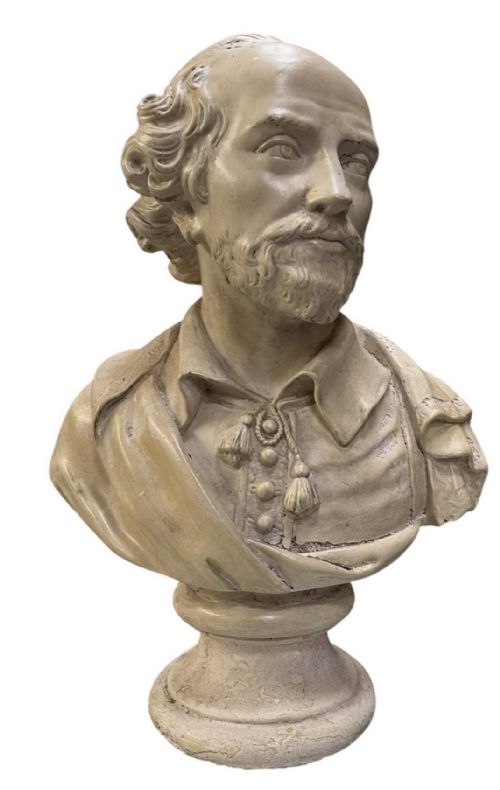
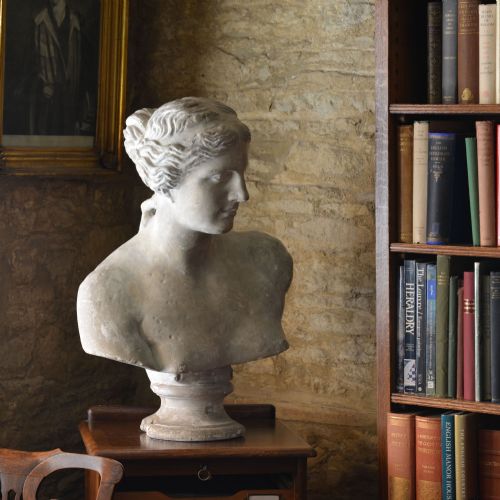


White Plaster Classical Bust
A white plaster classical bust brings the quiet dignity of antiquity directly into a room, offering timeless portraiture moulded in honest materials.
White Plaster Classical Bust
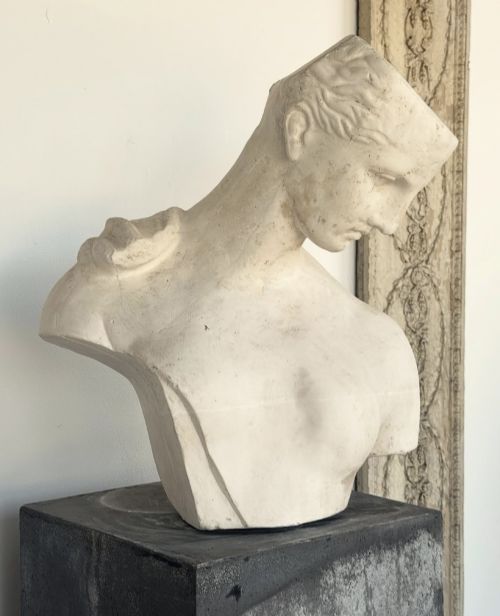
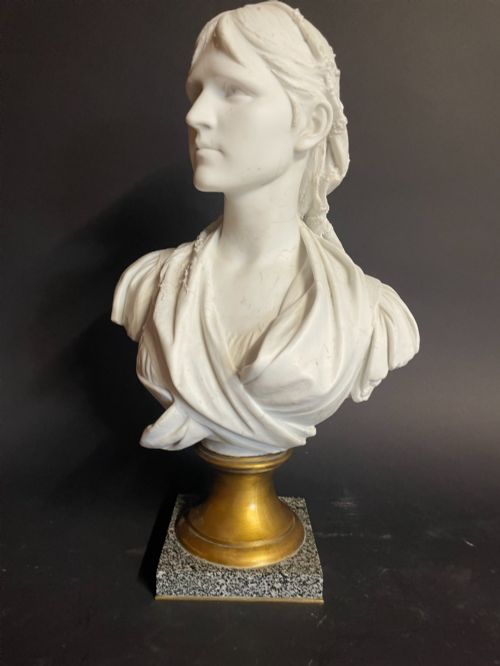
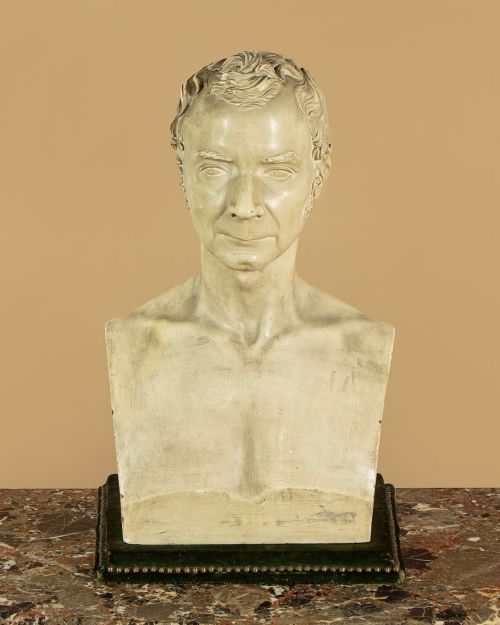
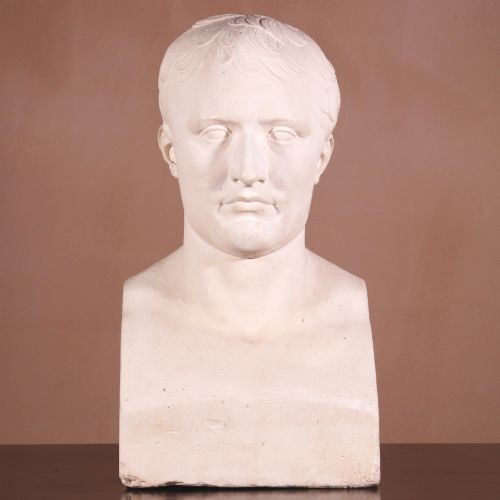
When you search for a white plaster classical bust, you look at sculptural likenesses of historical figures, literary giants, and mythological subjects drawn from ancient and modern eras. These pieces typically take the form of shoulder-length portraits mounted on socles or brackets, designed to sit upon library shelves, desks, or mantelpieces.
The versions you are most likely to meet on this page hail predominantly from the nineteenth century, alongside examples from the early twentieth century spanning the Victorian and Edwardian periods. They capture notable figures such as Napoleon, Shakespeare, Venus de Milo, Walter Scott, Homer, and Michelangelo's David, translating grand marble originals into accessible studio formats.
How they were made
Mounting and support materials vary to ensure stability, with some figures resting on integrated pedestals or paired with brass and granite elements. The casting process allows for sharp definition in hair, drapery, and facial expressions, reflecting the technical skill of nineteenth-century workshops.
White Plaster Classical Bust Retail Price Guide 2026
Typical asking prices for white plaster classical bust among the pieces listed under this phrase on Sellingantiques today, from the lower quarter to the upper quarter. They describe what is for sale here now, not the wider market.
Listings feature pieces spanning the nineteenth and early twentieth centuries, predominantly utilising plaster, gypsum, and gesso.
What varies in quality
The choice of secondary materials, such as the quality of the supporting bracket or the density of the underlying gypsum and gesso, contributes to the overall presence of the object. A well-cast surface absorbs light evenly, highlighting the classical contours without distracting blemishes.
Raffaelo Monti
The White Plaster Classical Bust Glossary
- Plaster
- A building and sculpting material made from gypsum, water, and other ingredients, dried into a solid form. It provides a smooth, white surface ideal for capturing the fine details of classical portraiture.
- Gesso
- A paint mixture consisting of a binder mixed with chalk, gypsum, or pigment. It is frequently applied to prepare or smooth surfaces in classical sculpture.
- Socle
- A short plinth or pedestal supporting a bust or statue. This architectural base elevates the portrait and provides visual stability.
- Neoclassical
- A Western cultural movement drawing inspiration from the art and culture of classical antiquity. This style informs the proportions and subject matter of many nineteenth-century library busts.
- Bracket
- A supporting architectural member projecting from a wall. Some library busts are designed to rest directly upon these wall-mounted supports.
White Plaster Classical Bust: Frequently Asked Questions
What is a classical plaster bust?
A classical plaster bust is a three-dimensional sculptural portrait moulded from gypsum or plaster, depicting historical figures, writers, or mythological deities in the antique style.
These pieces served as decorative and educational objects in nineteenth-century libraries and studies, bringing classical aesthetics into domestic spaces.
How were these busts displayed?
These sculptures typically stood upon library shelves, mahogany desks, or dedicated wall brackets where their white surfaces stood out against dark wood panelling.
Their substantial weight and integrated plinths or socles allowed them to remain stable without complex fixings.
How do I date a plaster bust?
Dating relies on examining the casting techniques, the specific materials like gesso and brass mounts, and the stylistic markers of periods such as the Victorian or Edwardian eras.
Inscriptions, patination, and the subject matter itself often point towards nineteenth-century production methods.
Are these busts solid plaster?
Many nineteenth-century busts utilise a hollow or reinforced plaster construction to reduce weight while maintaining structural integrity for display.
Surface layers of fine gypsum and gesso provide the smooth, matte finish characteristic of carved marble.