

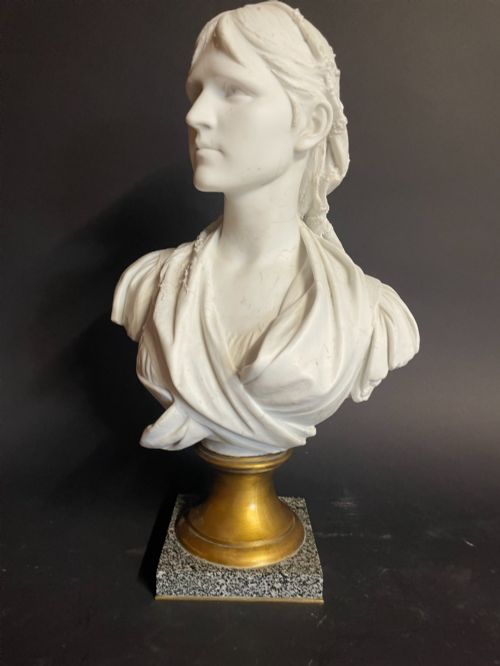
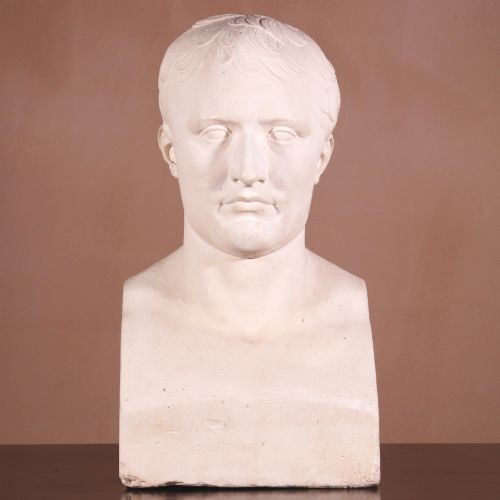


Neoclassical Plaster Portrait Bust
A neoclassical plaster portrait bust brings classical gravity and literary or historical presence into a room, offering the timeless dignity of antiquity in a lighter medium.
Neoclassical Plaster Portrait Bust
A neoclassical plaster portrait bust captures likenesses of historical figures, emperors, authors, and mythological subjects in the classical tradition. When you search for a neoclassical plaster portrait bust, you encounter library busts and sculptural studies originating from the nineteenth century.
The selections on this page range from literary figures such as Walter Scott and Homer to Roman emperors including Marcus Aurelius, Caracalla, and Augustus. Alongside standard plaster, the evidence includes related sculptural forms in terracotta and pressed white glass paste.
These pieces primarily date across the nineteenth century, including specific years like 1800, 1870, 1900, and 1920. Many display the distinct patination and mounting details typical of nineteenth-century library and study ornaments.
Materials and construction methods
Plaster serves as the primary medium, often patinated to simulate bronze, terracotta, or aged stone. Makers utilised moulding and casting techniques to replicate classical sculpture for domestic and institutional display.
Support materials complement the main sculptures, with evidence showing brass mounts, ebonised wood bases, and integrated brackets. Alternate material examples in the listings incorporate terracotta, granite, and glass paste.
Neoclassical Plaster Portrait Bust Retail Price Guide 2026
Typical asking prices for neoclassical plaster portrait bust among the pieces listed under this phrase on Sellingantiques today, from the lower quarter to the upper quarter. They describe what is for sale here now, not the wider market.
The site listings span the nineteenth century, featuring plaster alongside terracotta, granite, and glass paste.
Distinctions in execution and presence
Quality rests in the crispness of the modelling and the sensitivity of the facial expression. Finer examples capture the nuanced musculature and classical proportions derived from ancient prototypes.
The sophistication of the surface patination distinguishes superior works from flat, uniform finishes. Subtle tonal shifts and simulated age enhance the sculptural relief of hair, drapery, and flesh.
Contextual details such as bespoke brackets, ebonised wood mounts, and documented subject matter elevate the overall presentation of a piece.
The Neoclassical Plaster Portrait Bust Glossary
- Neoclassical
- A style reviving the design and aesthetic of classical antiquity, particularly Greece and Rome. It emphasises proportion, restraint, and historical or mythological subjects.
- Plaster
- A workable composition of gypsum, lime, or similar materials moulded into solid form. It provides an accessible medium for detailed sculptural casts.
- Patination
- The ageing or treatment of a surface to alter its colour and texture. Patination simulates the appearance of bronze or ancient stone on plaster.
- Library bust
- A sculptural bust intended for domestic study or library display, often depicting a writer, philosopher, or statesman. These pieces served as symbols of learning.
- Cameo
- A method of carving or moulding a figure in relief against a contrasting background. The evidence includes pressed white glass paste examples of this technique.
Neoclassical Plaster Portrait Bust: Frequently Asked Questions
What subjects do these busts typically depict?
The listings feature historical and literary figures, notably Roman emperors like Marcus Aurelius, Caracalla, and Augustus, alongside writers such as Walter Scott and Homer. Anonymous young men and classical studies also appear.
Subjects were chosen to reflect classical learning and philosophical gravity, making them traditional ornaments for studies and libraries.
How should I display a plaster bust?
Plaster library busts look best placed on dedicated brackets, mantelpieces, or bookshelves where their vertical form commands attention. Pairing them with wood bases or brass mounts enhances their architectural presence.
Keep them away from direct moisture and heavy handling to preserve the delicate patinated surfaces.
Are these pieces genuinely from the nineteenth century?
The evidence on this page dates the material across the nineteenth century, with specific examples recorded from 1800, 1870, 1900, and 1920. These dates reflect the Victorian and Edwardian revival of classical forms.
Makers during this period produced numerous library busts to satisfy the demand for classical education and interior decoration.
What materials are used alongside plaster?
While plaster forms the core medium, the evidence shows pieces mounted with brass, set on ebonised wood, or accompanied by brackets. Related material variations include terracotta and pressed white glass paste.
Surface treatments such as verdigris and patinated finishes further alter the primary material appearance.