



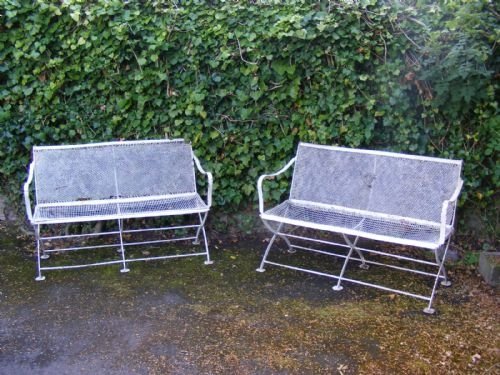
White Painted Metal Bench
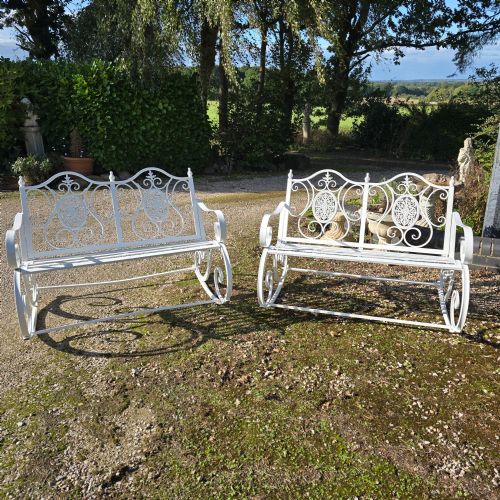
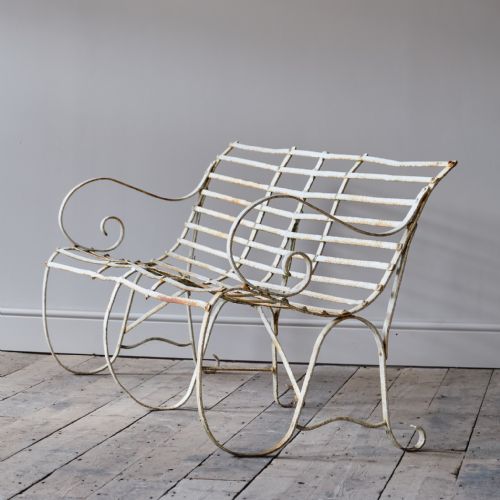
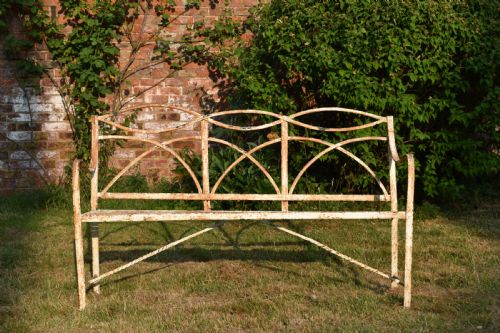
These white painted metal bench examples offer robust outdoor seating, combining sturdy iron frameworks with classic decorative forms.
White Painted Metal Bench
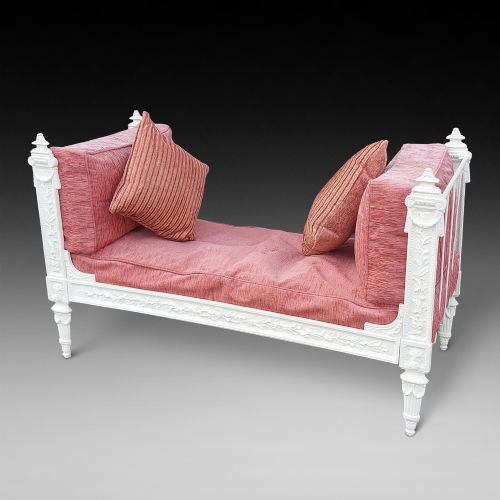
A white painted metal bench provides durable seating for gardens and conservatories, drawing on designs from the nineteenth century onwards. Buyers searching for a white painted metal bench encounter various forms including garden seats, daybeds, and matching armchairs.
The selection ranges from early Regency strapwork pieces to Victorian ornate castings and interwar examples. Many of these sturdy seats combine traditional metalwork with painted finishes that brighten outdoor spaces.
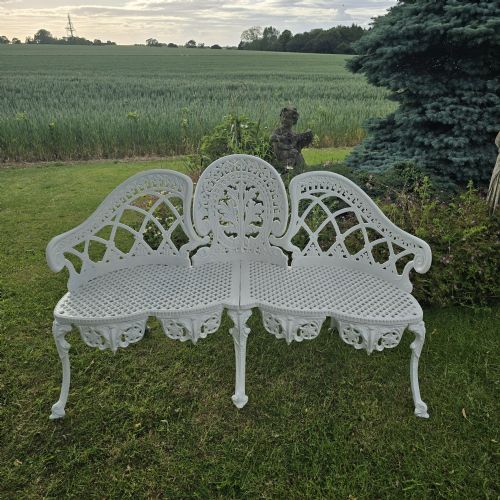
Victorian and Regency styles dominate the selection, featuring decorative cast iron and wrought iron construction. Buyers often find complete garden sets alongside single benches and arbours.
Materials and construction methods
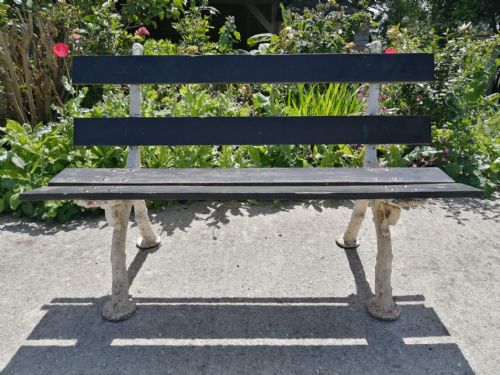
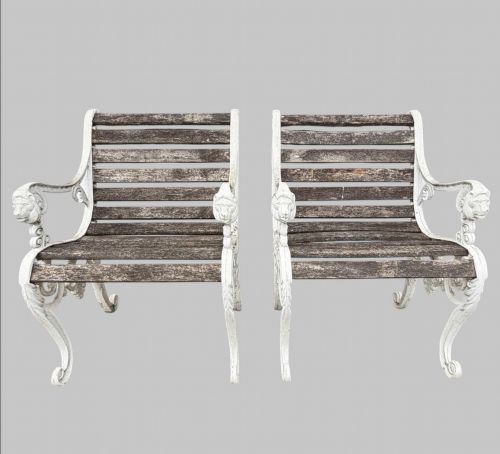
Construction relies heavily on cast iron and wrought iron, shaped into robust frames and intricate strapwork patterns. Foundries poured molten metal into moulds to create decorative motifs such as lion masks and faux bois bark textures.
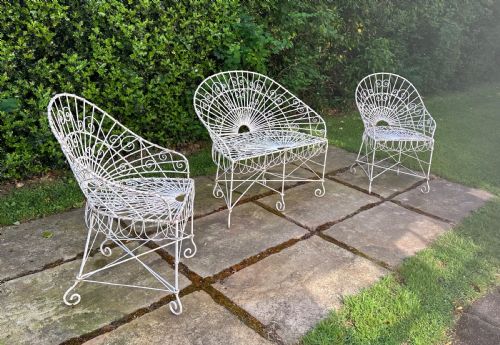
Wrought iron components were forged by hand into curved supports and linear strap work designs. Protective paint finishes were applied over the metal surfaces to prevent weathering in outdoor environments.
White Painted Metal Bench Retail Price Guide 2026
Typical asking prices for white painted metal bench among the pieces listed under this phrase on Sellingantiques today, from the lower quarter to the upper quarter. They describe what is for sale here now, not the wider market.
The listings feature nineteenth-century and early twentieth-century periods, utilising cast iron, wrought iron, wirework, and painted finishes.
Assessing quality and craftsmanship
Quality separates simple utilitarian seating from finely detailed foundry work produced by prominent makers. Crispness in cast ornamentation, such as realistic faux bois detailing or sharp lion masks, indicates superior production.
The integrity of the original metal structure and the subtlety of the strapwork determine the desirability of each piece. Heavier castings and well-preserved structural joins represent the better end of the available range.
Coalbrookdale
The White Painted Metal Bench Glossary
- Cast Iron
- Iron poured into a mould to create rigid and ornate structural forms. This heavy material allows for intricate relief patterns on seat backs and armrests.
- Wrought Iron
- Iron heated and hammered into shape by hand to produce durable frameworks. It offers flexibility in design, commonly seen in linear strapwork benches.
- Strapwork
- Flat bands of metal arranged in geometric or interlaced patterns across the backrest. This decorative technique characterises many Regency and revival pieces.
- Faux Bois
- An artistic imitation of wood grain rendered in metal or concrete. Makers used this technique to mimic natural timber on iron garden seats.
- Daybed
- A long seating form suitable for reclining outdoors or in a conservatory. These pieces combine bench proportions with extended sleeping surfaces.
White Painted Metal Bench: Frequently Asked Questions
How do I maintain the paint?
Protect the metal by applying exterior grade paint suitable for iron surfaces when chipping occurs. Regular cleaning prevents moisture buildup beneath the painted layers.
Keep the seating dry during winter months to preserve the underlying metal and maintain the crisp finish.
Are these benches heavy?
Cast iron and wrought iron construction makes these pieces exceptionally heavy and stable outdoors. Two people are typically required to move larger two-seater benches safely.
Position the seating on firm, level ground to prevent shifting and distribute the substantial weight evenly.
Can I leave them outside all year?
Metal garden seating is built for outdoor use, but harsh winter frost can test painted surfaces. Storing pieces under cover during the coldest months extends their lifespan.
Ensure drainage paths remain clear so standing water does not collect on the seat slats.
How do I date an iron bench?
Examine the casting quality, fastener types, and stylistic motifs to determine the period of manufacture. Regency and Victorian examples feature distinct strapwork and foundry marks.
Compare decorative details like faux bois texturing or lion masks against known nineteenth-century production patterns.