



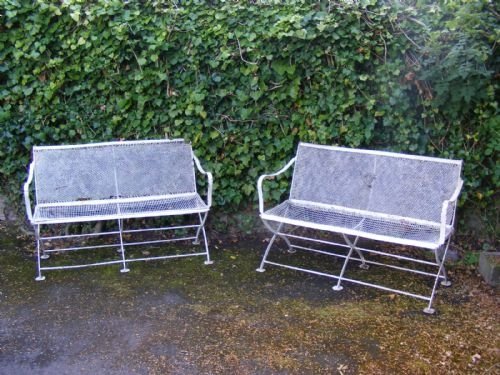


Decorative Iron Garden Seat
A decorative iron garden seat brings enduring form to lawn and terrace, offering a sturdy perch rooted in nineteenth-century craftsmanship.
Decorative Iron Garden Seat
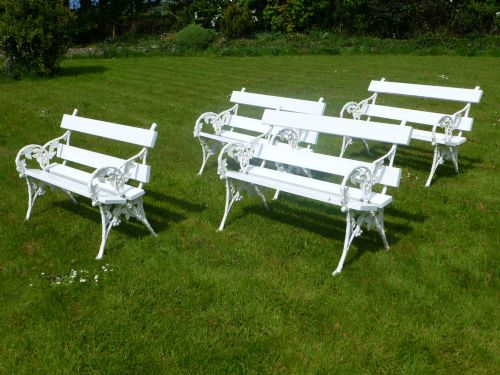
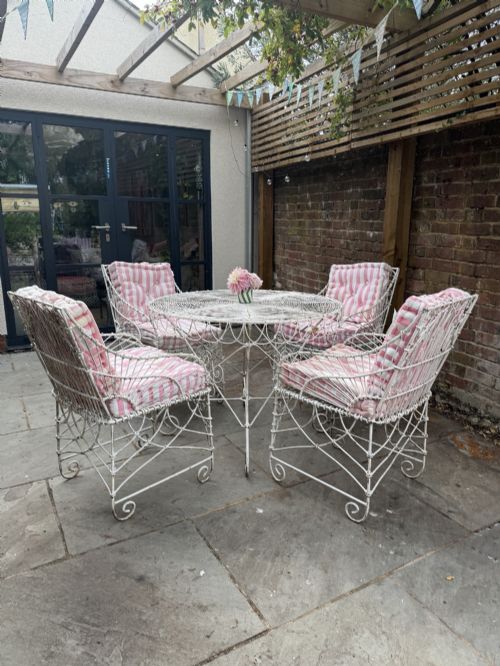
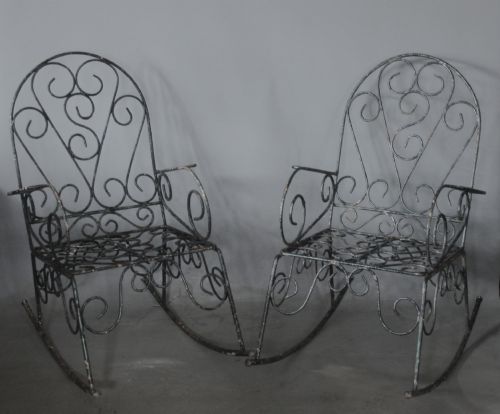
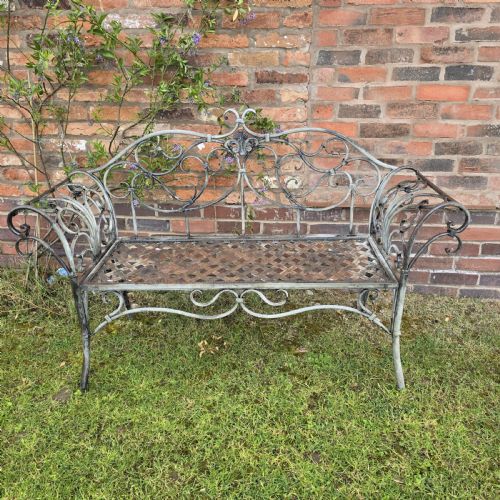
A decorative iron garden seat encompasses everything from robust nineteenth-century benches and Victorian cast iron designs to lighter wirework and Regency style forms. Buyers looking through these listings will encounter garden benches, dining sets, armchairs, rocking chairs, and individual bench ends.
The versions most frequently met on this page combine cast iron or wrought iron with timber slats or all-metal frames. Pieces range in origin from domestic workshops like Falkirk foundry and Coalbrookdale to continental French Riviera and French Country styles.
Periods represented stretch from the early nineteenth century and the Regency period through to Victorian and later nineteen-thirties interpretations. Forms vary from complete matching sets of four chairs and tables down to single garden seats and pairs of bench ends.
Materials and construction
Makers utilised heavy cast iron for intricate botanical motifs such as blackberry and leaf patterns, pouring molten metal into detailed moulds. Wrought iron was shaped by hand for lighter frameworks, French Riviera armchairs, and rocking chairs.
Many garden benches combined metal frames with timber slats for seating comfort, while other examples integrated wirework, paint finishes, fabric, and leather elements.
Foundries employed skilled pattern makers to create elaborate ends and backs, which were then bolted or assembled alongside wooden components to withstand outdoor exposure.
Decorative Iron Garden Seat Retail Price Guide 2026
Typical asking prices for decorative iron garden seat among the pieces listed under this phrase on Sellingantiques today, from the lower quarter to the upper quarter. They describe what is for sale here now, not the wider market.
Design influences range from British foundry work featuring blackberry and leaf motifs to French Riviera and Regency style forms.
Distinctions in quality
Quality rests upon the crispness of the cast iron detail, where sharply defined botanical castings like leaves and fruit indicate superior foundry work. Weaker pieces display blunt, worn moulding that loses the intended sculptural depth.
The integrity of the construction separates standard utility furniture from finer artistic examples, particularly where complex wrought iron scrolls or named foundry attributions are present.
Original surface patination and surviving early paint layers hold greater appeal than heavy modern overpainting that obscures the underlying metal texture.
Falkirk foundry·Coalbrookdale
The Decorative Iron Garden Seat Glossary
- Cast iron
- A strong, rigid alloy poured into moulds to create complex decorative patterns. It forms the heavy structural ends of many traditional garden seats.
- Wrought iron
- Iron that is heated and hammered into shape by hand, resulting in fibrous, resilient structures. It appears frequently in lighter chairs and scrolls.
- Bench ends
- The structural side supports of a garden seat, usually cast in iron. These are often collected independently when the wooden slats have perished.
- Wirework
- A technique of bending and weaving metal wire into openwork patterns. This style creates lighter, highly decorative garden chairs and plant stands.
- Regency style
- An architectural and decorative style characterised by classical restraint and elegance. Pieces from this tradition often feature graceful curves and restrained ornamentation.
Decorative Iron Garden Seat: Frequently Asked Questions
How do I date a decorative iron garden seat?
Dating relies upon stylistic clues, construction methods, and foundry marks where present. Early nineteenth-century pieces often display Regency proportions, whilst Victorian examples favour heavier botanical casting.
Examining the bolts, paint layers, and iron texture helps distinguish older nineteenth-century manufacture from twentieth-century revivals.
Can iron garden seats stay outside all year?
Most cast and wrought iron pieces are designed for outdoor use and withstand weather well. Regular observation helps catch surface rust before it compromises the metal.
Protecting timber components and applying appropriate protective coatings ensures the longevity of seats combining wood and iron.
What is the difference between cast and wrought iron?
Cast iron is poured into moulds, making it heavy, rigid, and capable of holding intricate botanical detail. It provides the solid weight found in traditional bench ends.
Wrought iron is hammered and bent into shape, yielding flexible, resilient structures ideal for lighter chairs and scrollwork.
Are bench ends worth buying on their own?
Bench ends are frequently sold separately because the original wooden slats often weather and require replacement. Collectors and restorers value them as authentic starting points for rebuilding period seats.
Sourcing matching timber allows a pair of antique ends to return to full practical use in a garden setting.