


White Painted Chest Drawers
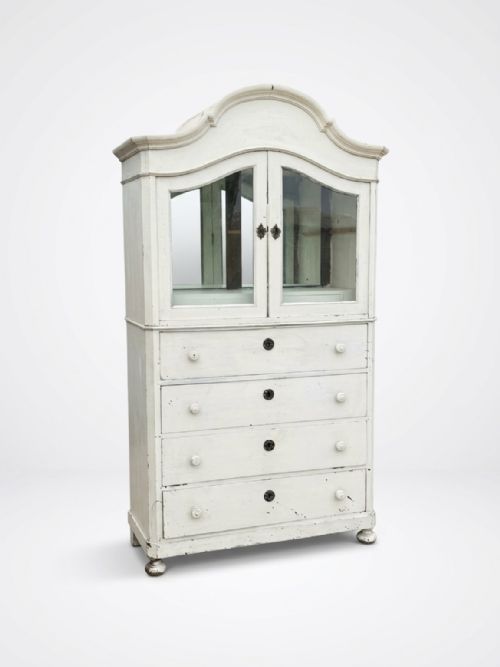
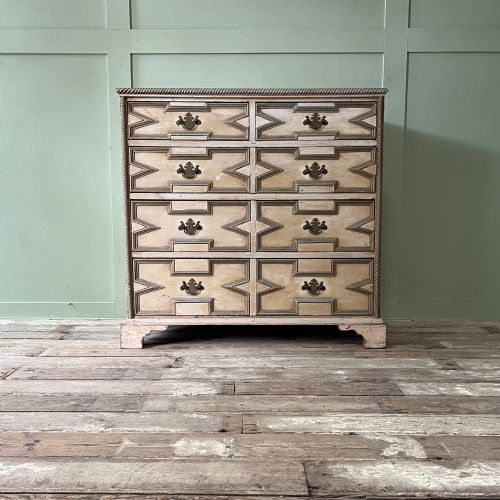
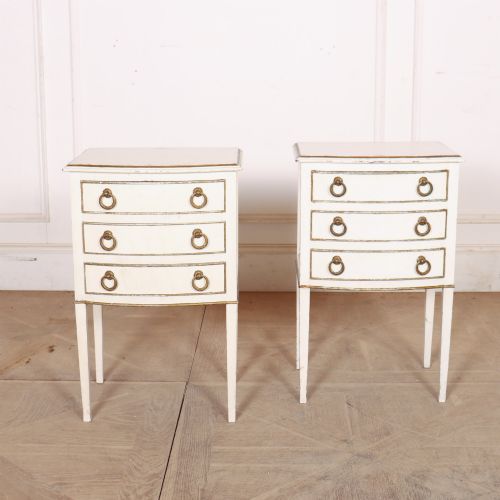
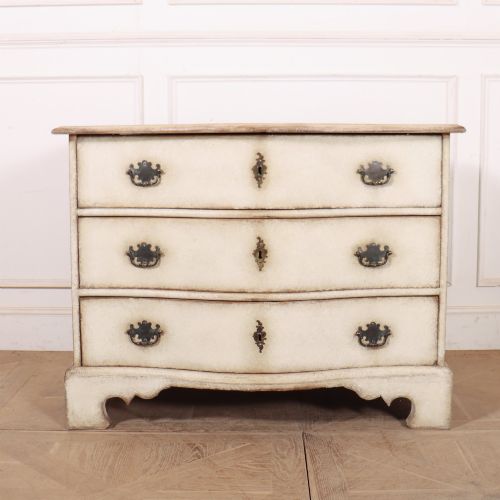
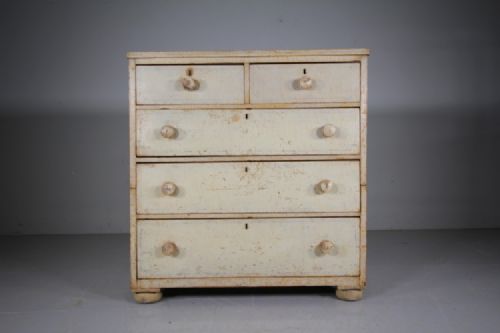
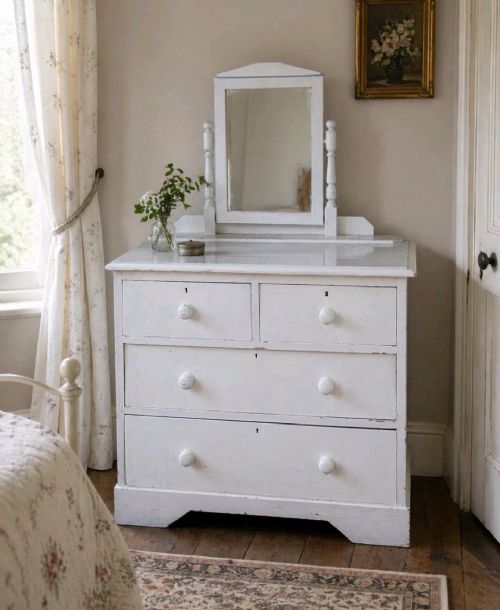
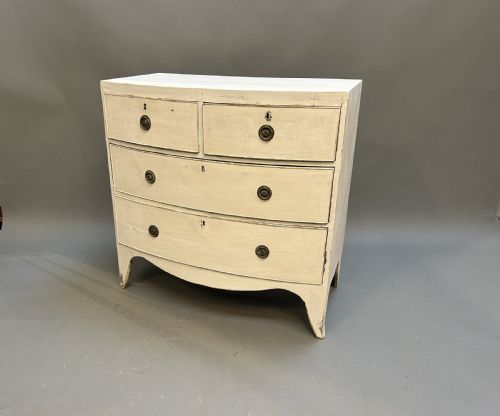
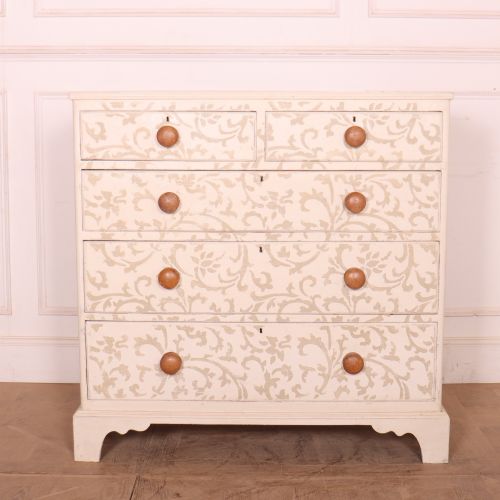
White painted chest drawers bring together practical storage and decorative painted surfaces from periods spanning the eighteenth century to the early twentieth century.
White Painted Chest Drawers
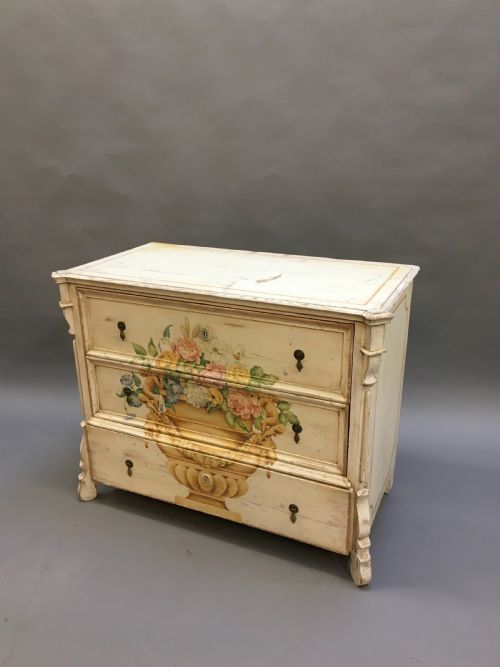
When buyers search for white painted chest drawers, they encounter a diverse range of forms including traditional chests, commodes, and shop fitting banks of drawers. These pieces emerge from origins such as Sweden, France, Germany, Italy, and England, reflecting varied regional cabinetmaking traditions.
The selection here draws heavily from nineteenth-century pieces alongside eighteenth-century examples and early twentieth-century interpretations. Pine and general wood constructions predominate, often bearing historic painted finishes that define their character.
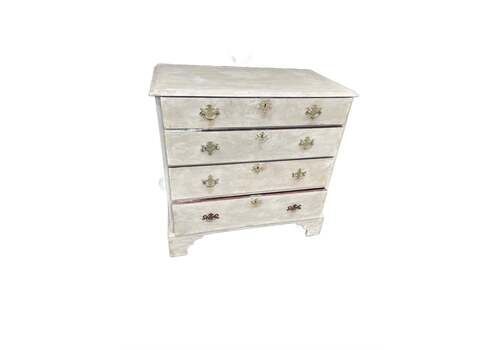
Continental pieces frequently display serpentine fronts or commode styling, while British examples lean towards traditional pine carcases and chest-on-chest configurations. Pairs of bedside chests and larger tallboy formats also appear across the selection.
Materials and Construction Methods
Pine and painted wood serve as the primary structural materials for these pieces, supporting layered paint applications that have aged over decades or centuries. Workshops utilised brass for hardware accents, while glass and metal occasionally appear in related storage formats.
Surface decoration relies on applied paint layers, sometimes revealing underlying wood grain or earlier decorative schemes beneath the white topcoat. Carved wooden details and serpentine shaping require skilled joinery, particularly on eighteenth-century continental commodes and regional Swedish furniture.
White Painted Chest Drawers Retail Price Guide 2026
Typical asking prices for white painted chest drawers among the pieces listed under this phrase on Sellingantiques today, from the lower quarter to the upper quarter. They describe what is for sale here now, not the wider market.
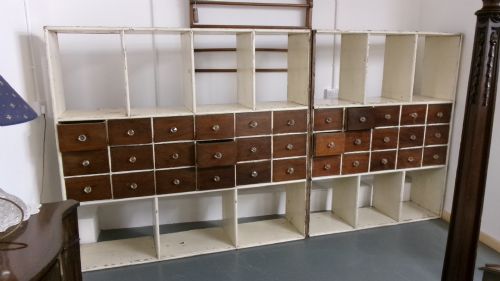
Several pieces originate from former commercial spaces, including multi-drawer shop fittings designed for Victorian merchants.
Assessing Quality and Character
Quality rests in the integrity of the original construction and the survival of early painted surfaces rather than uniform perfection. Pieces retaining their initial decorative schemes hold distinct interest compared to later repainted examples.
Subtleties of proportion, such as serpentine curves and carved detailing, separate standard utility furniture from sophisticated cabinetmaking. The harmony between the carcase proportions and the surface finish dictates the overall presence of the piece.
Sir Clough Williams-Ellis·Edwards and Roberts
The White Painted Chest Drawers Glossary
- Commode
- A low chest of drawers or cabinet, frequently associated with eighteenth-century French and Italian designs. These pieces often feature decorative serpentine fronts.
- Serpentine
- A furniture front curving outward at the centre and inward at the sides, common on finer eighteenth-century commodes. This shape demands advanced woodworking skill.
- Pine
- A softwood commonly utilised for nineteenth-century country furniture and shop fittings, providing a stable base for painted finishes. It appears frequently in Swedish and British pieces.
- Chest-on-Chest
- A tall storage unit comprising one chest stacked directly upon a larger base chest, creating substantial vertical capacity. Georgian examples often showcase this imposing form.
White Painted Chest Drawers: Frequently Asked Questions
How do I date a painted chest?
Dating relies on examining construction joints, timber types, and the composition of the paint layers. Earlier pieces from the eighteenth century often display hand-cut dovetails and regional joinery traits.
Secondary woods and hardware fittings also provide clues to the era of manufacture. Painted surfaces should be assessed for natural wear patterns that correspond to the claimed age.
Are these finishes original?
Surviving surfaces vary between original historic paint and later decorative layers applied during subsequent decades. Close inspection under magnification can reveal underlying pigment layers and the interaction between the wood and the coating.
Patina develops naturally through age, handling, and environmental exposure. Documentation and provenance help clarify the history of the surface treatment.
How do I care for antique painted wood?
Maintenance requires stable indoor humidity and temperature levels to prevent timber movement and paint flaking. Dusting should be performed gently with a dry, soft cloth without harsh chemical cleaning agents.
Direct sunlight can alter or fade sensitive paint formulations over time. Avoiding abrasive polishes preserves the integrity of the historic finish.
What is the difference between regional styles?
Swedish and continental country pieces frequently employ brighter decorative palettes and softer pine timbers with curved commode shaping. British and German examples tend to feature more restrained architectural lines and sturdy structural carcases.
Regional hardware choices and proportions further distinguish pieces originating from different European workshops. Each style reflects the domestic requirements and aesthetic preferences of its local makers.