


White Marble Centre Table
These white marble centre table pieces combine striking stone surfaces with period timber and metal frames, offering both sturdy utility and classical elegance for your home.
White Marble Centre Table
A white marble centre table provides a heavy, polished stone surface supported by a range of period frames. You will frequently encounter examples from the nineteenth century alongside later iterations.
The form shifts between grand French gueridon designs, low Italian specimen tables and sturdy Victorian side pieces. Each version serves as a focal point in a principal room.
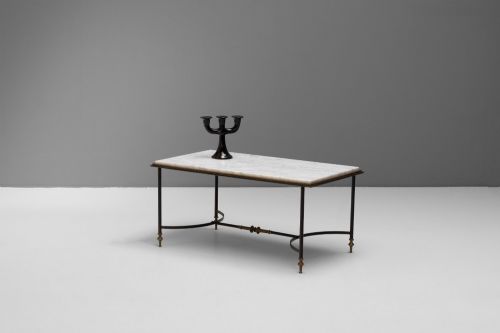
Makers utilised diverse woods and metals for the base, pairing mahogany, walnut, giltwood and brass with smooth marble tops. The resulting tables bridge classical style and practical surface space.
Construction and materials
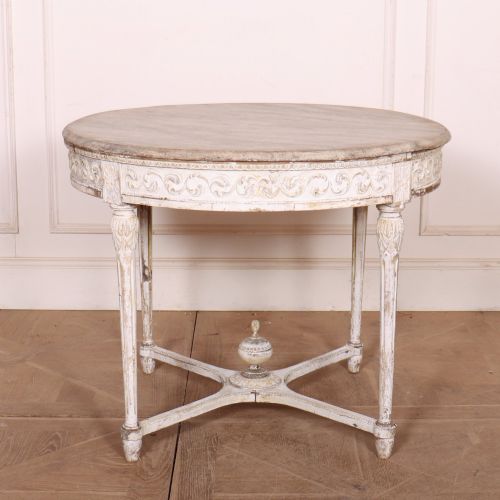
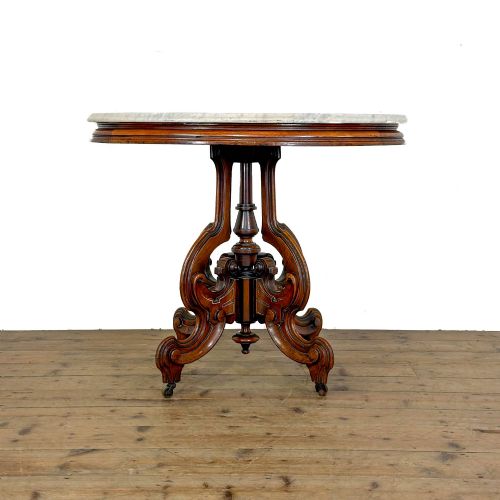
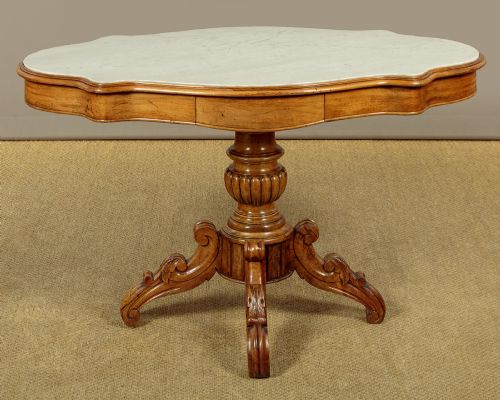
Craftsmen shaped solid marble into thick tabletops, sometimes incorporating inlaid specimen stones for decorative effect. These heavy tops rest upon timber frames constructed from mahogany, walnut or painted timber.
Metal mounts in brass and giltwork adorn many bases, securing structural integrity while adding visual contrast to the stone and wood. Carved giltwood and specific supports like dolphin motifs appear on distinct stylistic examples.
Current listings feature pieces spanning the eighteenth to the twentieth centuries, utilising mahogany, walnut, brass, giltwood and painted timber.
Assessing quality and craftsmanship
The depth and precision of carving on the timber or giltwood base distinguish finer examples from simpler utilitarian pieces. Elaborate French Empire and Louis XVI style frames demand greater sculptural skill than plain occasional tables.
The grade of the marble and the complexity of its integration into the apron determine visual success. Tables featuring inlaid specimen marble or sophisticated brass mounts represent a higher tier of design.
The White Marble Centre Table Glossary
- Gueridon
- A small French round table, typically supported by a central pillar or three legs. These often feature marble tops and decorative mounts.
- Specimen marble
- Marble inlaid with various small coloured stones to form geometric patterns or pictures. This technique appears on high-status tables.
- Giltwood
- Timber coated with a thin layer of gold leaf. It provides a bright, reflective surface seen on ornate stylistic frames.
- Empire Style
- A neoclassical design movement originating in France during the early nineteenth century. It relies on classical motifs and heavy proportions.
White Marble Centre Table: Frequently Asked Questions
How do I style a white marble centre table?
Position the table in the middle of a room or as a prominent side surface where the stone top remains visible. Balance the heavy material by keeping surrounding decor uncluttered.
Allow natural light to strike the polished marble surface to highlight its veining and colour variations. Pair the piece with complementary seating from the same period.
Are these tables heavy?
The combination of solid stone tops and dense timber bases makes these tables substantial in weight. Moving them often requires two people to prevent damage to the joints.
This mass ensures stability when the table sits centrally in a room. The weight also anchors smaller occasional forms securely.
What periods do these tables represent?
The listings span from the eighteenth century through the Victorian era and into the twentieth century. Earlier items often display Italian or French neoclassical influences.
Later pieces adopt styles like Hollywood Regency or simplified nineteenth-century forms. Each era brings distinct carving techniques and wood selections to the base.
How do I maintain the marble top?
Clean the stone surface regularly with a soft cloth and mild, pH-neutral soap to preserve the polish. Avoid acidic liquids that can etch the marble finish over time.
Use coasters and protective mats beneath objects placed on the table. Periodic gentle polishing maintains the natural lustre of the stone.