


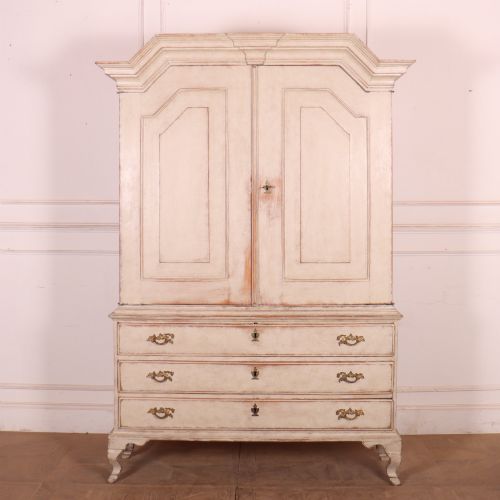


White Linen Press
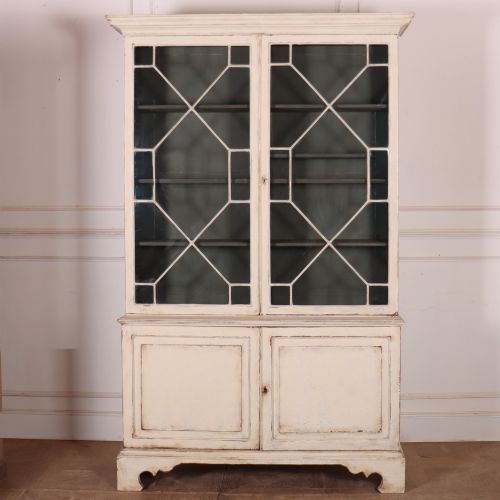
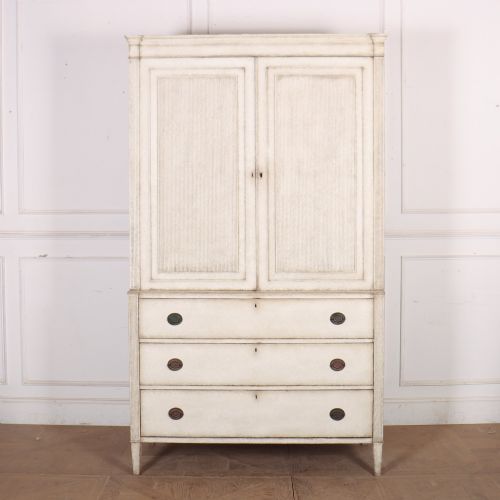
White linen press pieces are painted storage furniture designed for textiles, bringing regional country character and tall proportions into a room.
White Linen Press
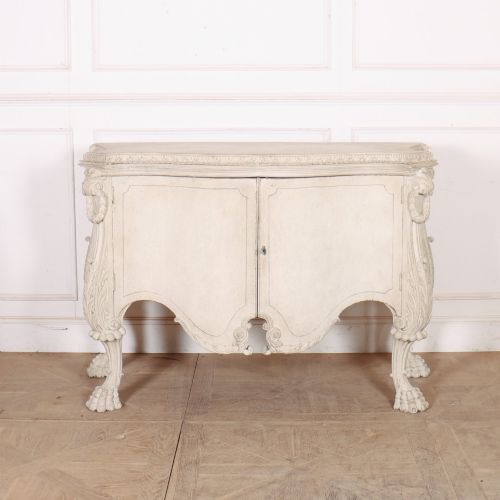
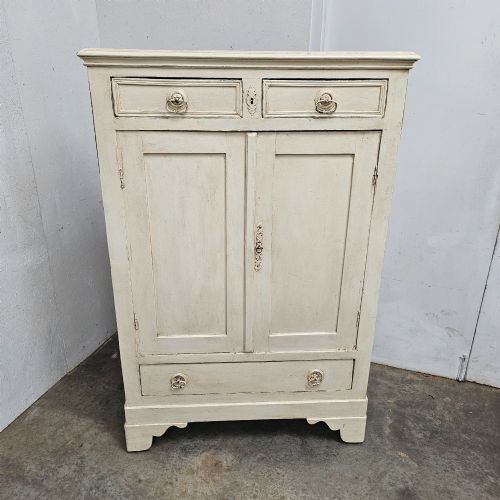
A white linen press is a substantial storage piece designed for household textiles, appearing across eighteenth and nineteenth century periods in various regional forms. When searching for a white linen press, buyers encounter painted pine cupboards, housekeeper cupboards, and tall cabinets originating from English, Swedish, French, and Italian traditions.
The selection ranges from Georgian architectural pieces to simpler nineteenth century country furniture, often finished in white, painted timber, or original painted surfaces. These items serve primarily as functional bedroom or hallway storage while offering distinct aesthetic traits from periods such as the Victorian era and the eighteenth century.
How they were made
Makers constructed these presses using solid pine, oak, and other timbers, often applying layers of paint to the wood. Structural hardware typically includes brass or iron fittings, while some variants incorporate glazed glass panels into upper doors.
Cabinetmakers utilised traditional joinery suited to heavy domestic storage, combining panelled doors with robust carcases. Surfaces received painted finishes that developed patinas over decades of use in English country houses and continental homes.
White Linen Press Retail Price Guide 2026
Typical asking prices for white linen press among the pieces listed under this phrase on Sellingantiques today, from the lower quarter to the upper quarter. They describe what is for sale here now, not the wider market.
The documented periods span the Georgian era, Victorian period, and several decades of the nineteenth and eighteenth centuries.
What varies in quality
Quality rests in the integrity of the timber frame and the originality of the painted surface rather than decorative excess. Pieces with untouched historic paint and sound structural joinery stand apart from later repainted examples.
Proportions and regional detailing dictate the distinction between standard utilitarian cupboards and finer cabinet work. Balance in design and the survival of original brass or iron hardware elevate certain examples above others.
Hepplewhite
The White Linen Press Glossary
- Housekeeper's Cupboard
- A large utility cupboard traditionally used in country houses for storing provisions and household linen. These units often combine drawer and cupboard space.
- Bonnet Top
- An arched or curved upper bonnet moulding found on certain cabinets and tall cupboards. This decorative roof line is typical of eighteenth and nineteenth century cabinetmaking.
- Buffet de Corps
- A large formal French sideboard or storage cabinet featuring multiple door compartments. It represents a heavier style of provincial dining room furniture.
- Gustavian
- A Swedish neoclassical design style characterised by light painted finishes and restrained classical ornamentation. It emerged during the late eighteenth century.
White Linen Press: Frequently Asked Questions
What is a linen press used for?
A linen press is designed primarily for storing bed linen, tablecloths, and folded garments within deep internal shelving. Historically, these pieces kept fabrics clean and pressed in large houses before the widespread use of fitted wardrobes.
Today, they function well in bedrooms or hallways as substantial storage units that conceal bulky household items while adding period character to an interior.
How do I date an antique cupboard?
Dating relies on examining the timber construction methods, nail types, and the composition of the painted surface. Eighteenth century examples often show hand-planed internal boards and simpler joinery compared to later Victorian pieces.
Stylistic cues such as cornice mouldings, brass hardware styles, and regional painting traditions also help narrow down the period of manufacture.
Are these cupboards painted originally?
Many pieces retain their original historic paint finishes or old layered paint that has accumulated character over generations. Some examples show stripped wood or later decorative painting applied during subsequent restorations.
Examining the wear patterns around handles and edges helps determine whether a painted surface has aged naturally over time.