


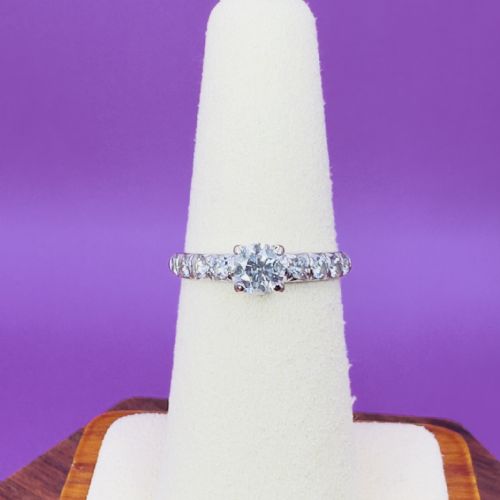


White Gold Diamond Solitaire
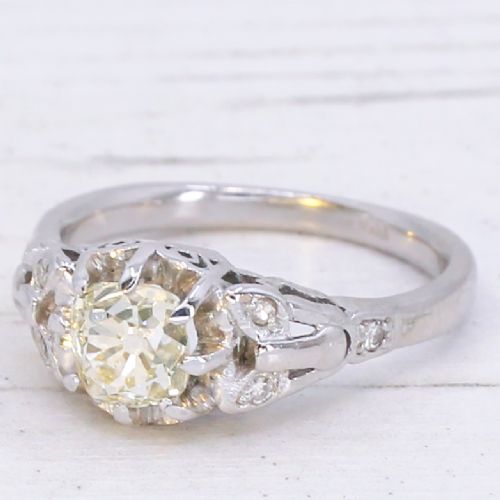
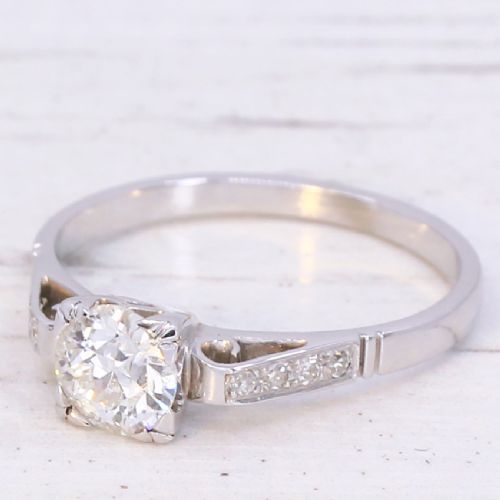
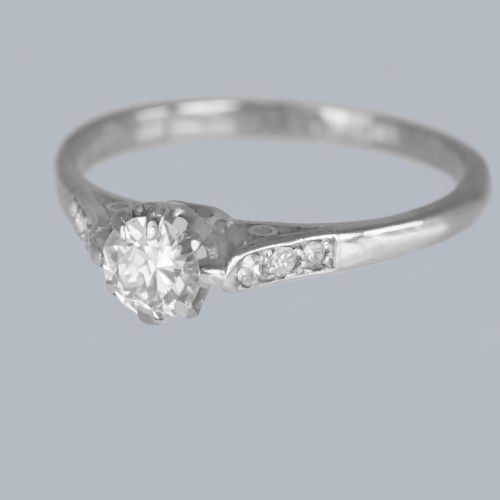
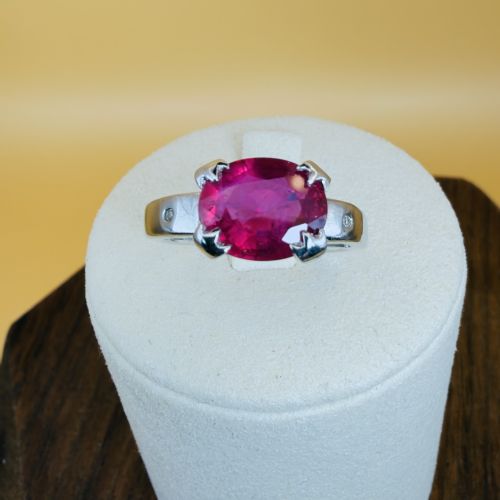
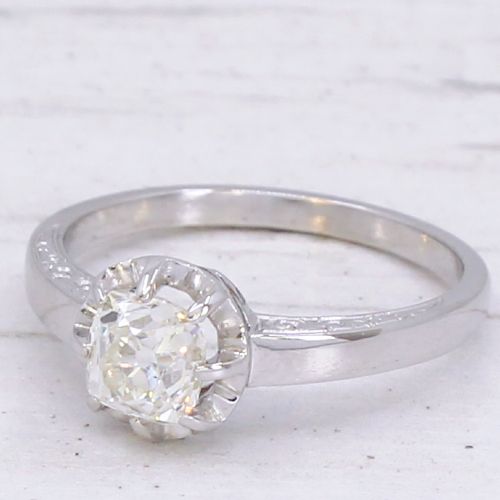
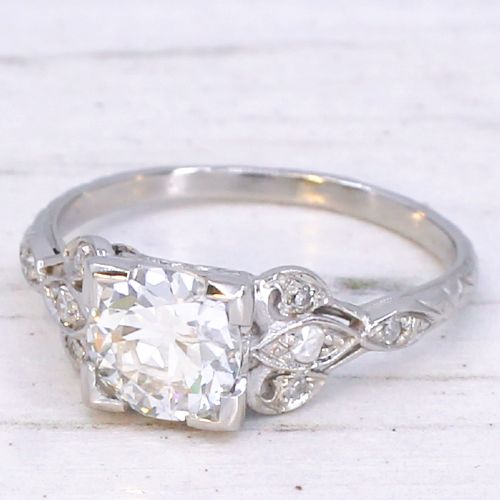
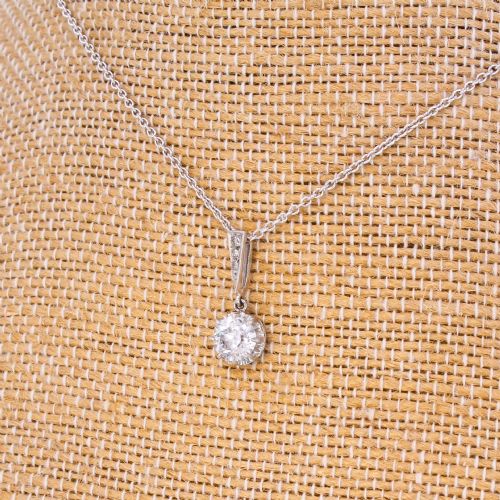
These pieces focus on white gold diamond solitaire designs, offering a classic single-stone focal point set against cool precious metal.
White Gold Diamond Solitaire
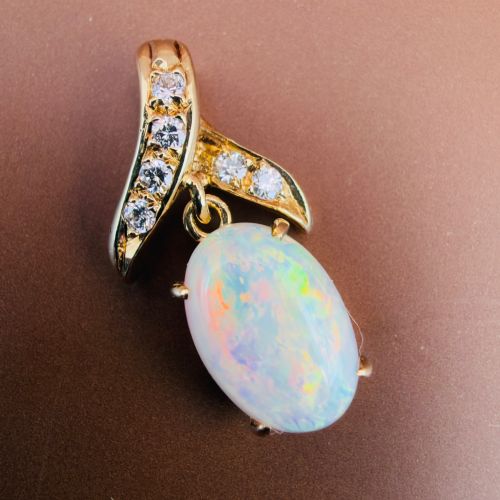
Most examples hail from the Edwardian and Art Deco eras, alongside 1940s, 1950s, and 1960s vintage workshops. Rings predominate, frequently accompanied by delicate shoulder stones or simple bezel and prong settings.
Buyers encounter everything from Edwardian pieces utilising old European cuts to mid-century creations featuring brilliant or transitional cut stones. The core appeal lies in the minimalist metalwork highlighting the central diamond.
How They Were Made
Craftsmen utilised 9ct, 14ct, and 18ct white gold alongside platinum to fabricate secure settings that maintained a bright, silvery hue. Hand-forging and casting techniques dominated, allowing workshops to construct slender claws and bezels that maximised light entry into the diamond.
Gems were shaped by hand during earlier decades, yielding old mine, old European, and transitional cuts with distinct facet patterns before modern brilliant cutting standards took over in the mid-century.
Shoulder details on rings were frequently hand-engraved or bead-set with smaller accent diamonds, combining structural durability with intricate metal texturing.
White Gold Diamond Solitaire Retail Price Guide 2026
Typical asking prices for white gold diamond solitaire among the pieces listed under this phrase on Sellingantiques today, from the lower quarter to the upper quarter. They describe what is for sale here now, not the wider market.
Some Edwardian ring makers hid tiny secret air holes beneath the diamond so the pavilion could breathe during cleaning.
What Varies in Quality
Quality differences stem primarily from the optical performance and proportions of the central diamond, alongside the precision of the metal smithing. Hand-cut stones from earlier periods display distinct facet arrangements that influence how light disperses across the table.
The integrity of the setting work separates standard production from finer output, visible in the symmetry of the prongs, the neatness of any shoulder stone integration, and the overall thickness of the white gold band over decades of wear.
Perroud·Giboulet
The White Gold Diamond Solitaire Glossary
- Solitaire
- A jewellery setting featuring a single prominent gemstone mounted alone on a band or pendant. This minimalist approach draws all visual attention to the central diamond.
- Bezel Setting
- A method where a thin collar of metal wraps completely around the perimeter of the diamond to hold it securely in place. This technique offers a smooth outline and robust protection for the stone edge.
- Transition Cut
- A diamond cutting style used roughly between the 1920s and 1950s that bridges the older European cut and the modern brilliant cut. It combines smaller tables with increased facet symmetry.
- Shoulder
- The upper section of a ring band as it curves upward toward the main setting. These areas are frequently left plain or decorated with channel-set or pavé diamonds.
White Gold Diamond Solitaire: Frequently Asked Questions
What is a white gold diamond solitaire?
A white gold diamond solitaire is a piece of jewellery featuring one single diamond mounted in white gold or platinum. The design prioritises the central stone above all else.
Most examples found here are engagement rings or pendants from the early to mid-twentieth century. The neutral tone of the white metal complements the sparkle of the diamond without introducing coloured hues.
How do I tell an Edwardian solitaire from a mid-century one?
Edwardian solitaires typically feature delicate platinum-topped 18ct gold mountings with intricate hand-pierced gallery work and old European cut diamonds. They date from around 1900 to 1910.
Mid-century pieces from the 1950s and 1960s often display cleaner, heavier white gold casting with transitional or modern brilliant cut stones. The overall aesthetic shifts from ornate lace-like filigree to streamlined geometric forms.
Can I wear a vintage solitaire every day?
Many buyers wear vintage white gold solitaires daily, provided the setting is structurally sound. Platinum and 18ct white gold offer durable foundations for regular wear.
It remains wise to have a professional jeweller inspect the prongs and claws periodically to ensure the central diamond stays secure. Gentle cleaning in warm soapy water helps maintain the brightness of the metal and stone.