
Antique Style Engagement Ring
An antique style engagement ring brings mid-century character and old cut sparkle to the hand.
What these rings are
An antique style engagement ring spans mid-century decades from the 1940s to the 1960s, offering distinct retrospective charm. These pieces capture the essence of vintage, retro, and Art Deco aesthetics in wearable forms.
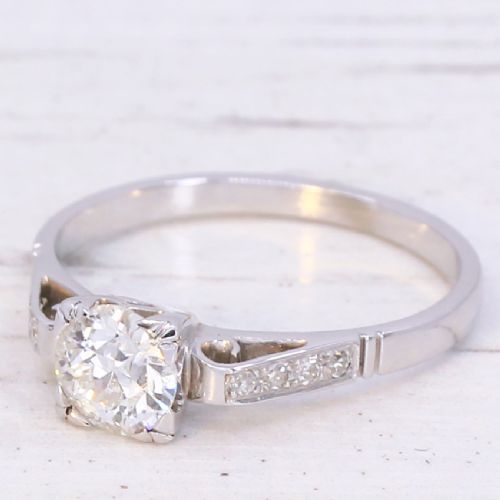
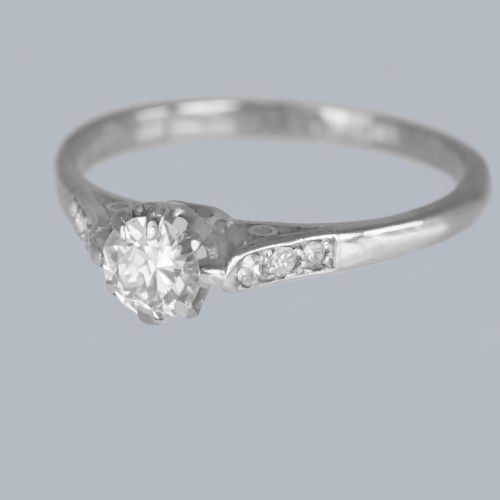
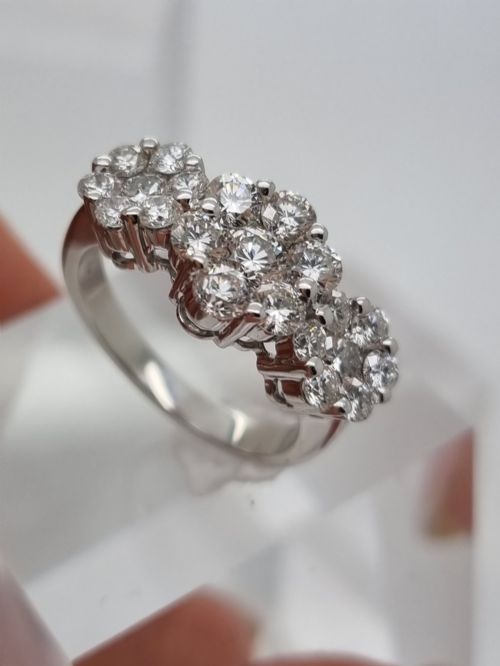
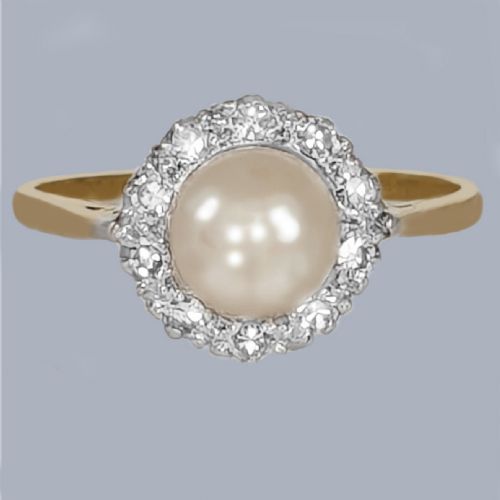
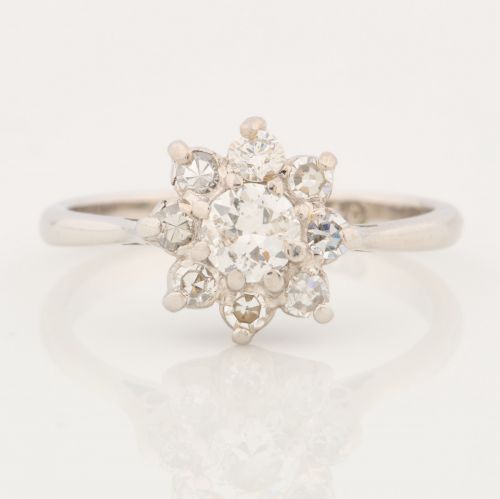
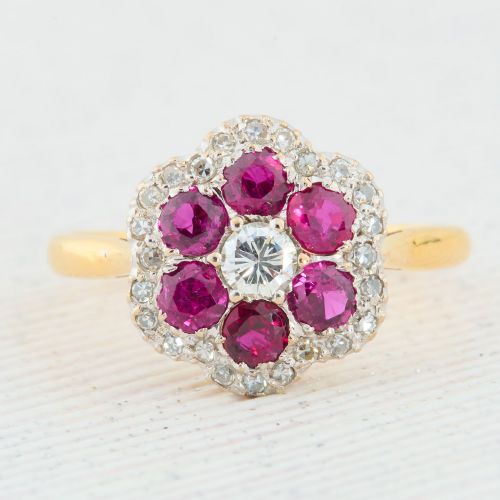
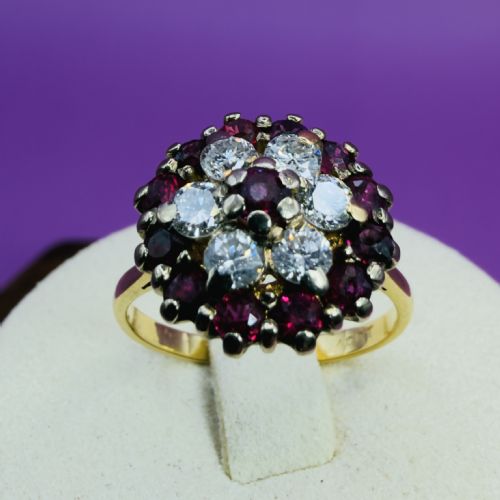
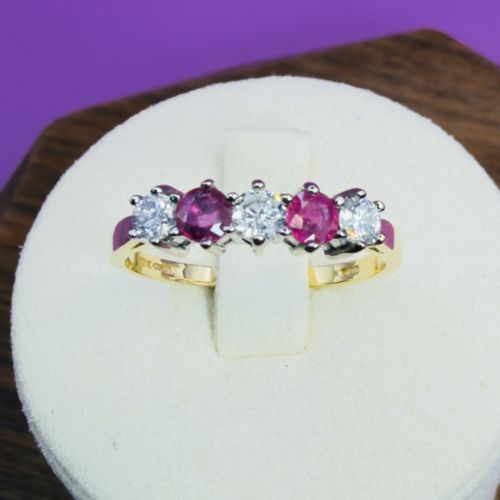
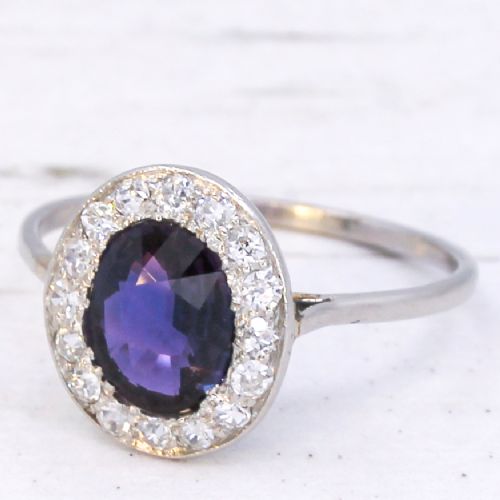
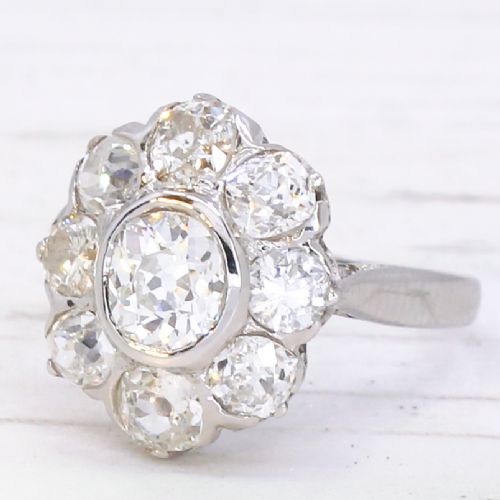
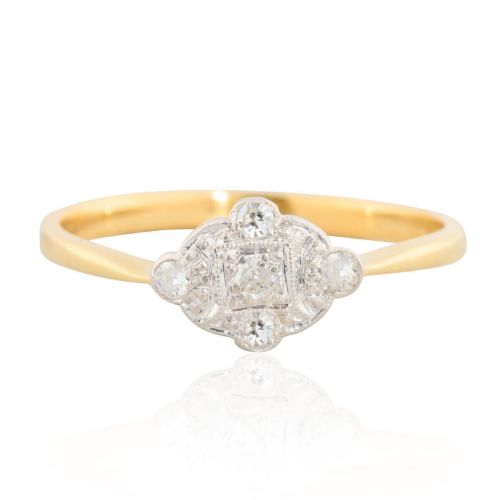
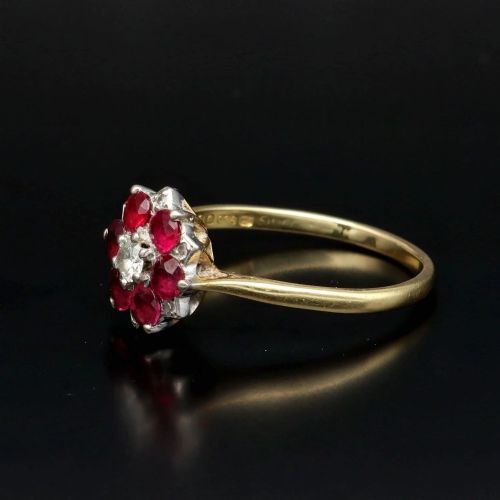
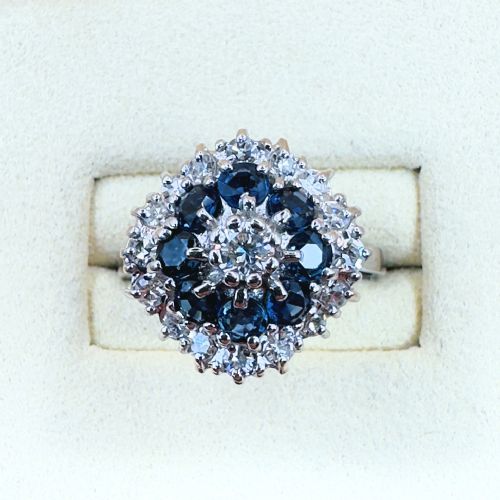
The selection on this page centres on diamond engagement rings set in platinum or 18ct white gold. Buyers frequently encounter cluster formations and single old cut stones designed during the 1940s, 1950s, and 1960s.
How they were made
Goldsmiths utilised platinum and 18ct white gold to create durable, bright mountings that held central diamonds securely. These precious metals provided a crisp backdrop for the stones.
Diamonds featuring old cuts and old European cuts were hand-set into cluster and solitaire arrangements. The cutting style yields softer light reflection compared to modern brilliant cuts.
Retail Price Guide 2026
Typical UK retail prices for style engagement ring, calculated from the Sellingantiques database of over a million retail prices indexed since 2003. This retail price guide relies exclusively on Sellingantiques data; no external sources or auction records are used, so the figures do not describe the wider market.
Old cut diamonds prefer candlelight over fluorescent bulbs, winking softly in dimly lit rooms.
What varies in quality
Carat weight distinguishes the presence of the stone, ranging from modest accent sizes up to prominent focal diamonds exceeding two carats. Larger carat weights alter the visual impact of the cluster or solitaire.
The precision of the metalwork and the specific character of the old cut diamond establish the distinction between standard examples and finer specimens.
The Antique Style Engagement Ring Glossary
- Old cut
- A diamond cutting style from earlier eras characterised by a smaller table and larger facets, producing a distinctive candlelit sparkle.
- Cluster ring
- A jewellery design featuring a central diamond surrounded by a grouping of smaller stones to maximise overall brilliance.
- Platinum
- A dense, durable, and naturally white precious metal frequently utilised for secure gemstone settings.
- Retro style
- A bold design movement from the mid-twentieth century drawing inspiration from earlier vintage motifs.
Frequently Asked Questions
What periods do these rings come from?
The pieces span the 1940s, 1950s, and 1960s, encompassing vintage, retro, and mid-century design movements.
Each decade brings subtle shifts in mount shaping and diamond arrangement while maintaining a cohesive aesthetic.
What metals are used in these settings?
Makers utilised platinum and 18ct white gold for these engagement rings. Both metals offer a bright silvery tone that complements diamonds.
The choice of metal provides structural strength for holding cluster and solitaire formations.
How do old cut diamonds differ from modern stones?
Old cut and old European cut diamonds feature hand-polished facets that catch light differently than contemporary brilliant cuts. They display a softer, warmer glow.
This historic cutting technique gives each ring a distinct individual personality.
What is a cluster ring design?
A cluster arrangement positions a prominent central diamond amid a tight formation of smaller stones. This technique creates a larger visual footprint on the finger.
Daisy cluster configurations are common examples within mid-century jewellery.
How should an antique style ring be worn daily?
These rings suit everyday wear provided the platinum or white gold settings receive periodic checks by a jeweller. Removing them during heavy manual tasks preserves the metalwork.
Pairing them with appropriate bands prevents unnecessary friction against the claws.