





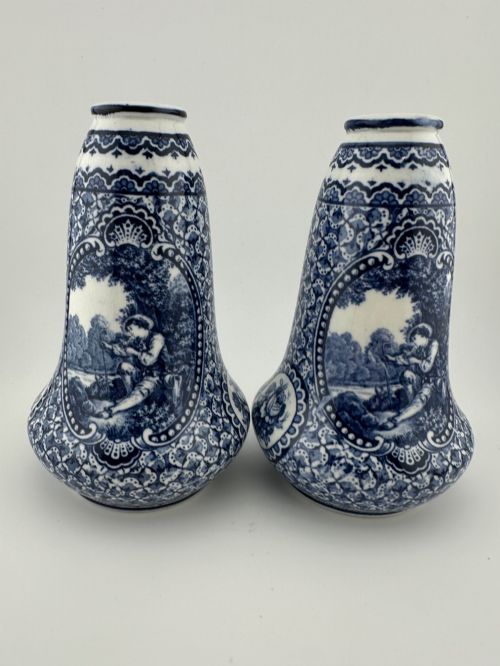
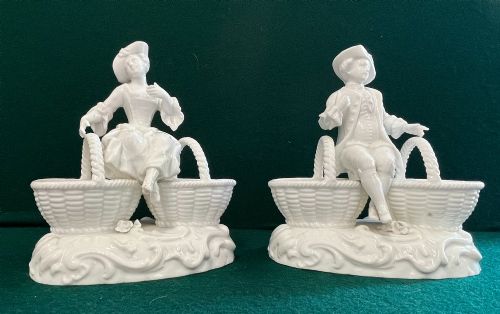
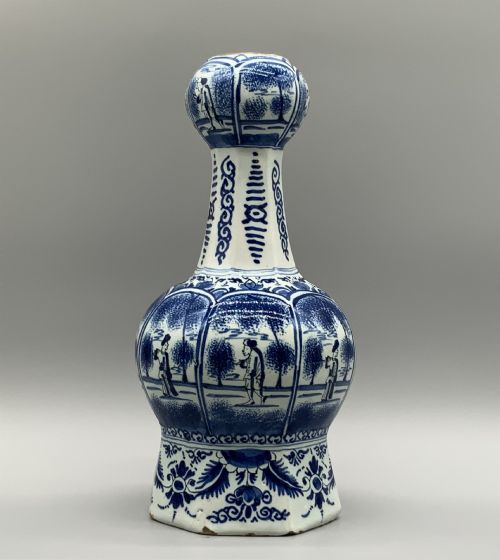
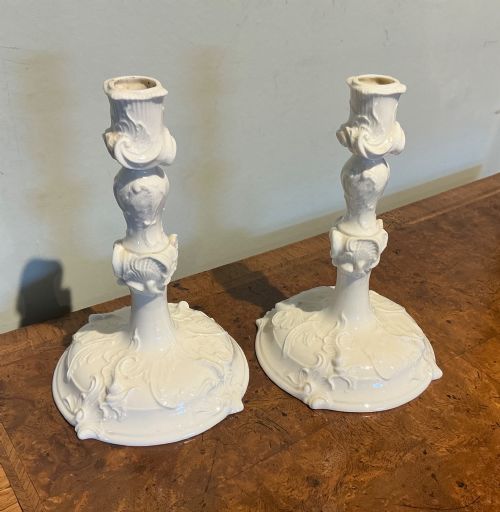
White Glazed Porcelain
White glazed porcelain brings together crisp fired surfaces and smooth vitreous bodies across centuries of European and Asian production.
White Glazed Porcelain
White glazed porcelain encompasses items created from fine ceramic materials covered in smooth translucent coatings, spanning from the seventeenth century through the twentieth century.
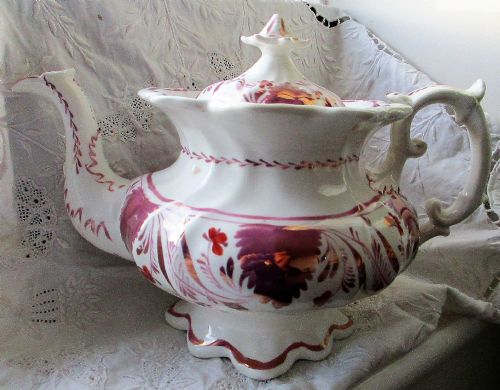
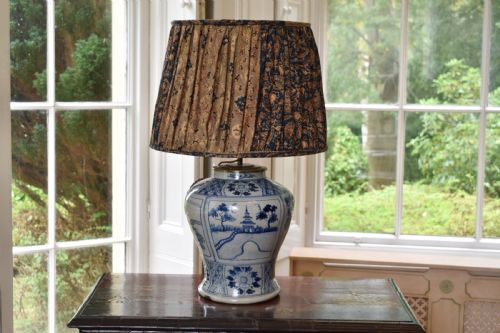
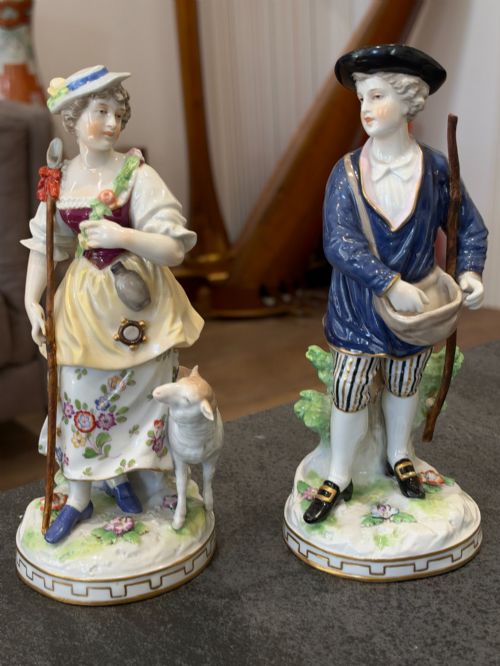
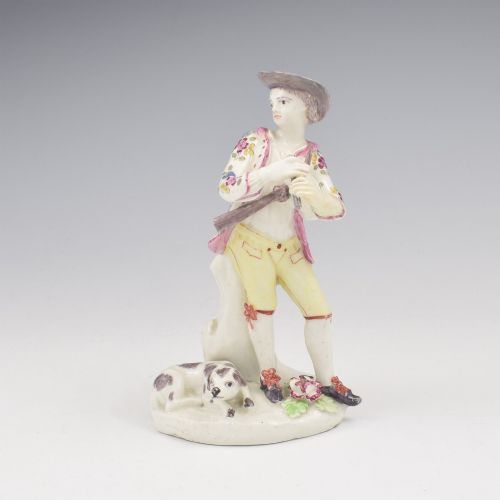
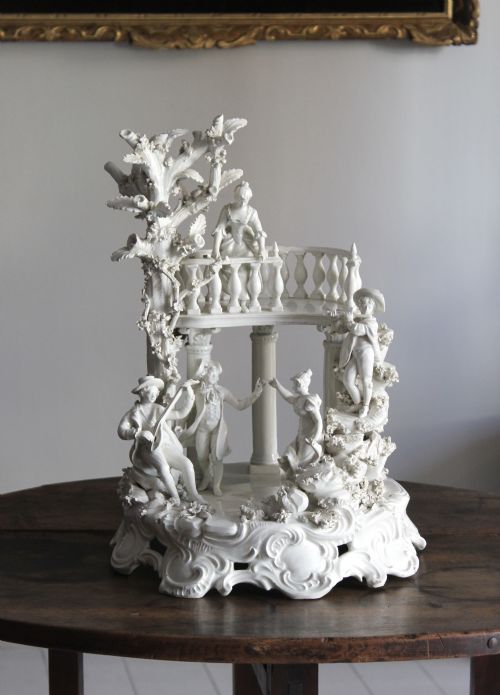
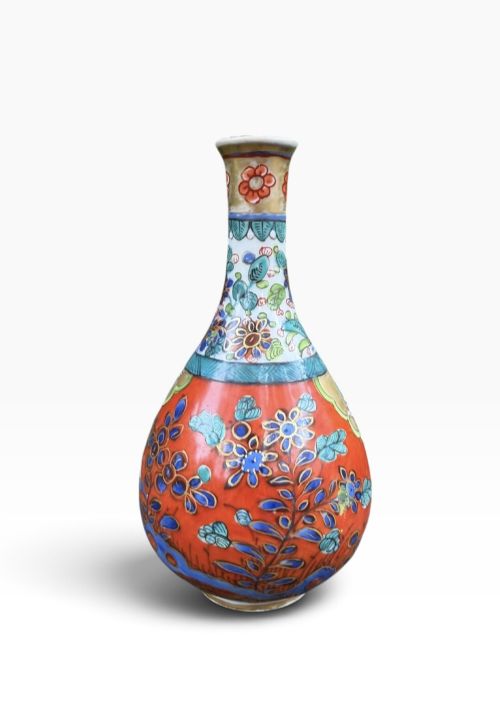
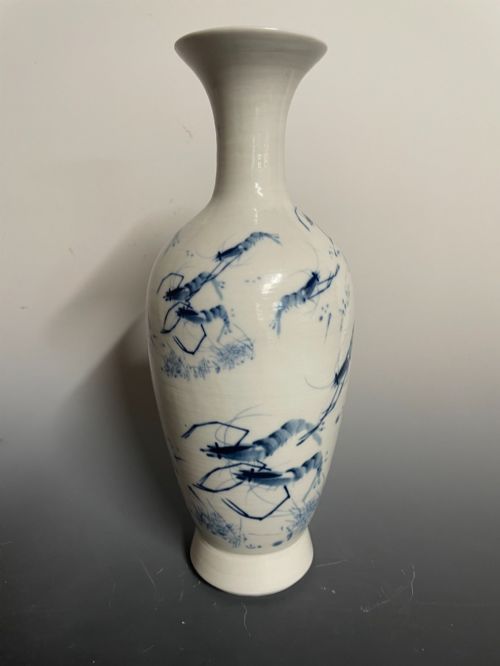
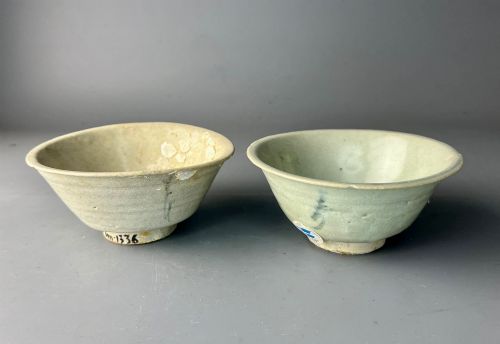
Pieces on this page range from table lamps and decorative bowls to figurative groups, vases, and candlesticks originating in European manufactories and Chinese kilns.
Buyers encounter both utilitarian vessels and sculptural forms, including Dehua blanc de chine, German figures, and English table wares.
How they were made
Items rely on dense clay bodies formed through throwing, moulding, or slip casting, then fired at high temperatures to achieve vitrification.
Surfaces receive fluid glaze layers composed of minerals that fuse during firing to produce glossy, impermeable white exteriors.
White Glazed Porcelain Retail Price Guide 2026
Typical asking prices for white glazed porcelain among the pieces listed under this phrase on Sellingantiques today, from the lower quarter to the upper quarter. They describe what is for sale here now, not the wider market.
Listings feature white glazed porcelain and related ceramics spanning the 17th, 18th, and 19th centuries alongside Victorian and 20th-century works.
What varies in quality
Quality depends on the purity of the ceramic body and the uniformity of the glaze application, which dictates the crispness of moulded details.
Finely potted pieces display thin walls and translucent qualities, whereas heavier earthenwares and stonewares show denser, opaque profiles.
Meissen·Royal Copenhagen·Nymphenburg·Chamberlains Worcester·Royal Worcester
The White Glazed Porcelain Glossary
- Blanc de Chine
- A French term for Chinese white porcelain from Dehua, noted for its milky glaze and smooth tactile finish.
- Faience
- Tin-glazed earthenware produced in Europe, sharing visual similarities with porcelain through its opaque white surface.
- Clobbered
- Decorated ceramic ware that received additional overglaze enamel painting long after its initial firing.
- Sucrier
- A small covered pot designed for holding sugar, common in porcelain table services from the nineteenth century.
White Glazed Porcelain: Frequently Asked Questions
How do I clean white glazed porcelain?
Wash surfaces gently using lukewarm water and mild soap, avoiding abrasive brushes that can scratch the glaze.
Dry pieces thoroughly with a soft cloth to prevent water spots on the glossy finish.
Can I use these lamps daily?
Many older porcelain vessels function safely as table lamps after professional conversion and wiring.
Ensure modern electrical components suit the original body without stressing the ceramic structure.
How do I date Chinese porcelain pieces?
Examine base marks, potting weight, and glaze characteristics against known period examples from dynasties such as Kangxi or Qianlong.
Subtle variations in underglaze blue tones and footrim finishes help distinguish seventeenth-century production from later revivals.
What is the difference between porcelain and earthenware?
Porcelain is fired at higher temperatures until the body vitrifies, making it non-porous and often translucent.
Earthenware remains more porous and requires opaque glazes like tin or enamel to achieve a sealed white surface.