
White Glass Lamp
White glass lamps bring soft diffusion and striking silhouette to any room, spanning Victorian oil burners to sleek Art Deco designs.
White Glass Lamp
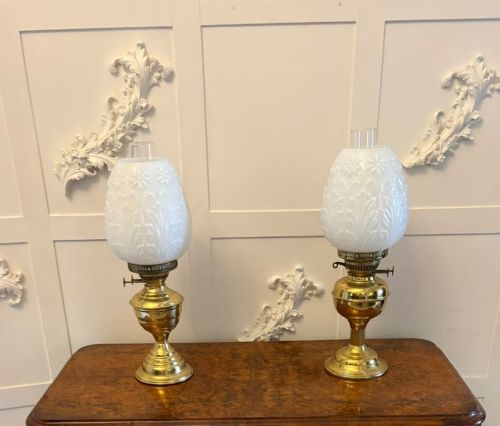
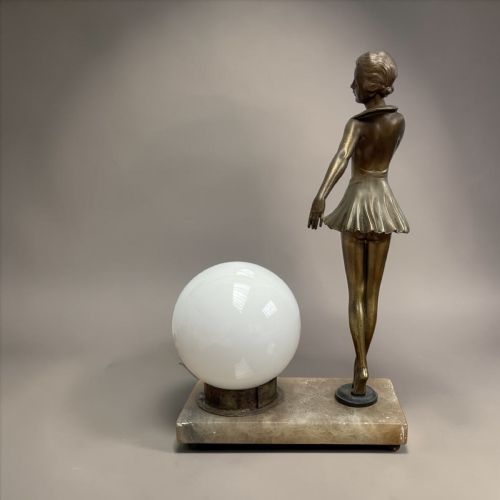
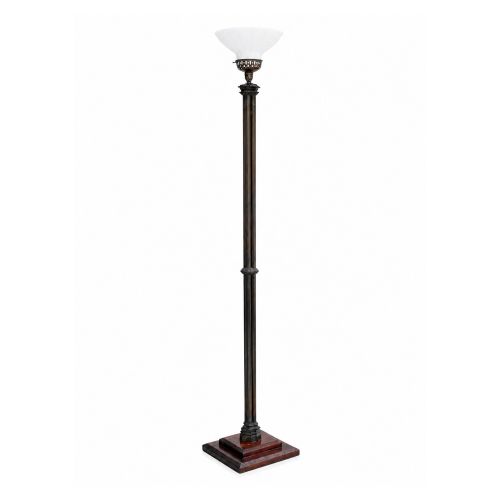
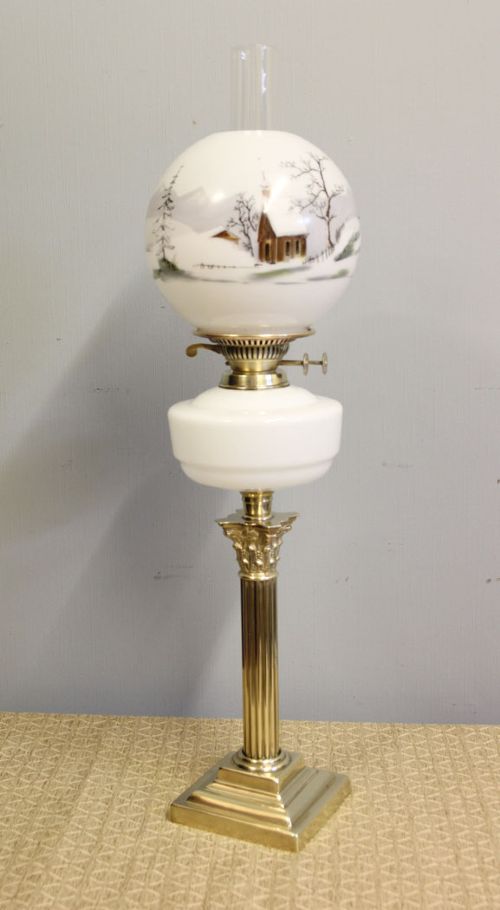
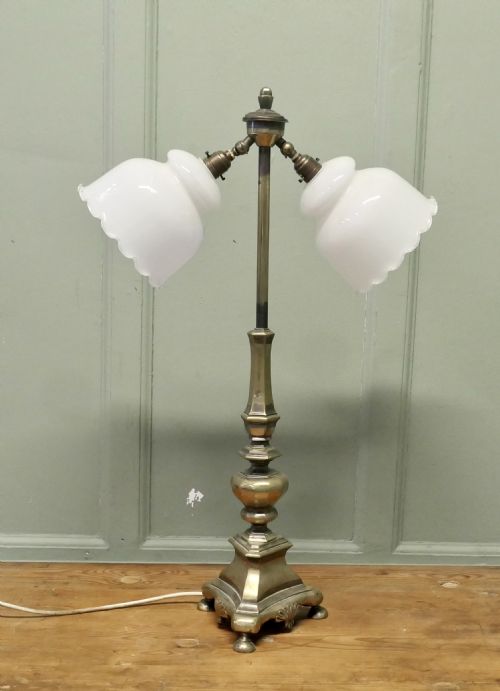
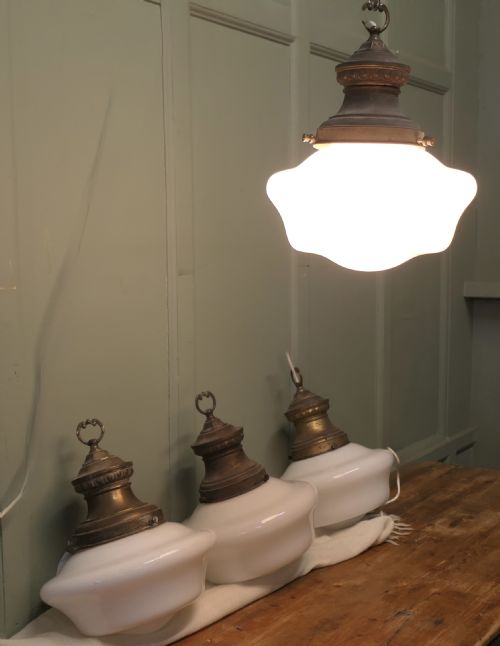
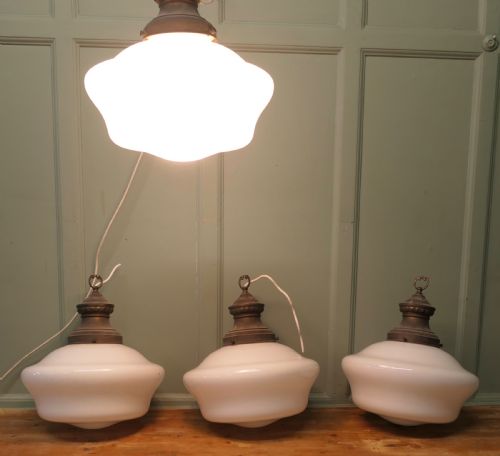
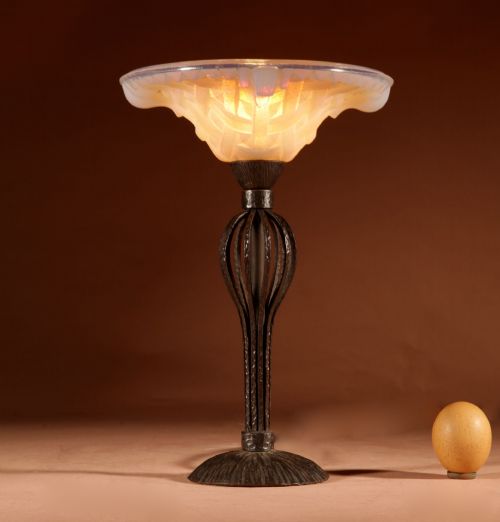
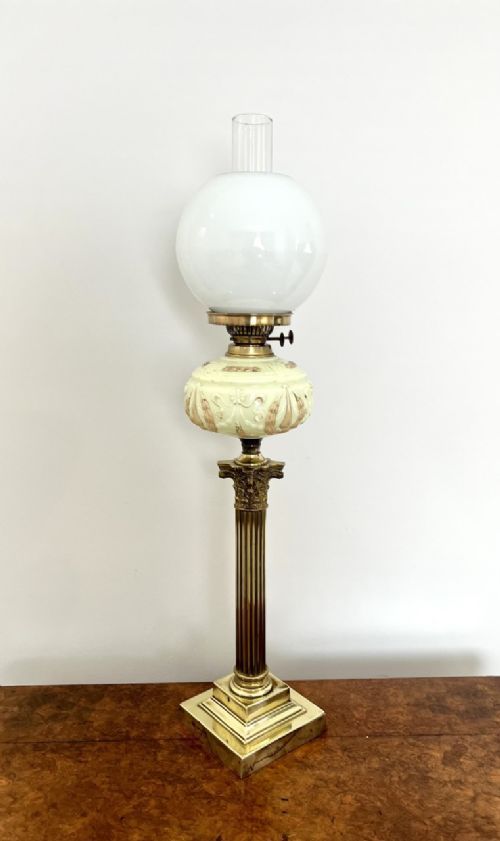
Victorian examples often combine opaque white glass with heavy brass bases, while later twentieth-century iterations lean towards clean lines in Art Deco and modernist formats. Each piece reflects the lighting technology and aesthetic preferences of its decade of origin.
How they were made
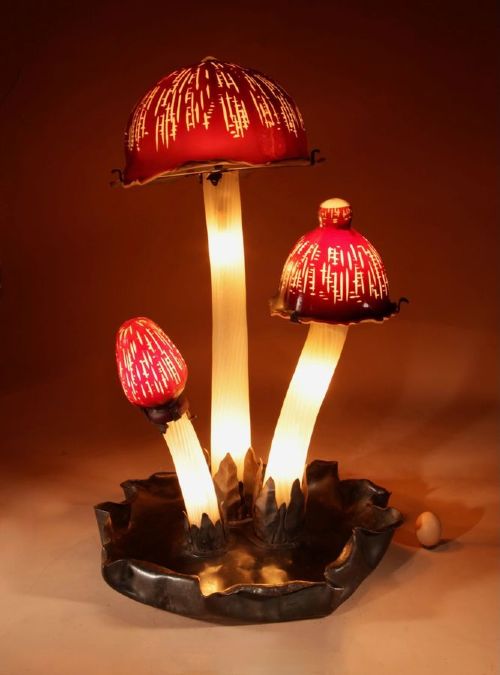
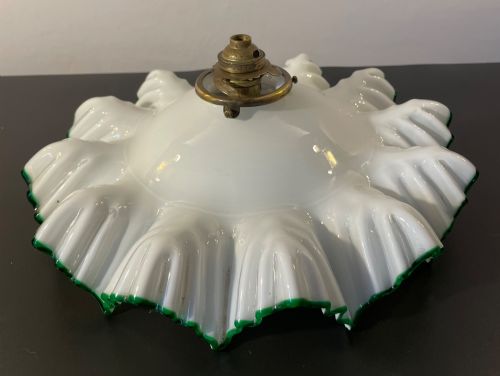
Manufacturers utilised specialised glass-blowing techniques to create opaque white opaline, moonstone, and milk glass, often layering the material or moulding it into mushroom, conical, and bottle shapes. Molten glass was shaped by hand or in iron moulds before cooling.
Metal components such as brass, bronze, chrome, and wrought iron were cast, spun, or turned on lathes to form the structural columns, bases, and burner mechanisms. These metal mounts were then joined to the glass bodies using threaded collars, adhesives, or pins.
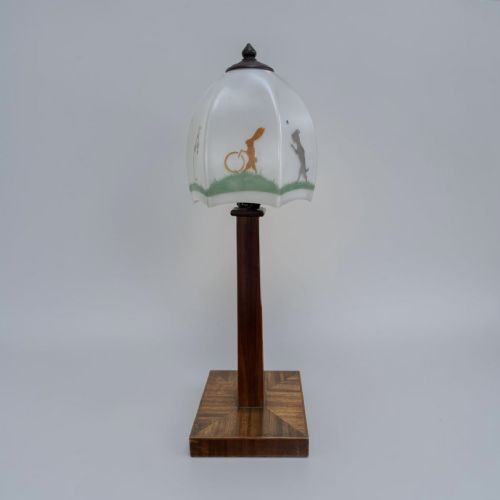
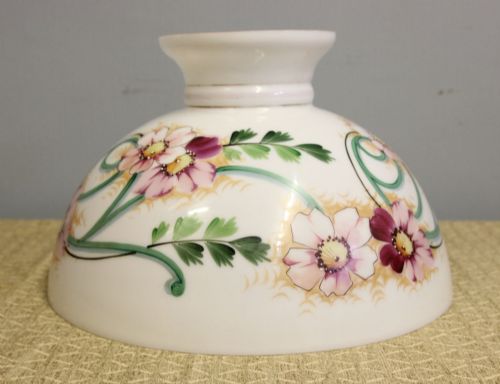
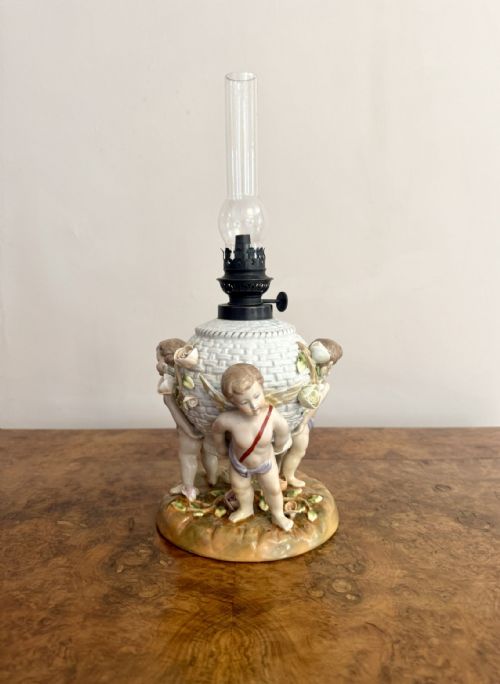
Decoration involved hand-painting, gilding, and acid-etching directly onto the glass surface, or incorporating porcelain figures and ceramic elements into the base construction. Many oil-burning variants included specialised brass galleries and wick mechanisms.
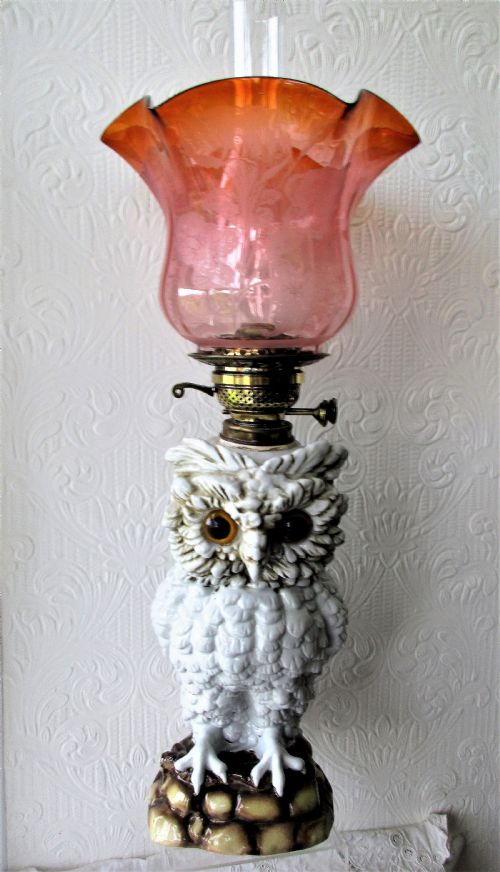
Several porcelain lamps take animal forms, including German shepherd dogs and watchful owls peering out from the bedside.
What varies in quality
The weight and purity of the glass distinguish finer examples, where an even opacity and smooth surface finish demonstrate superior raw materials and skilled handling. Thicker, heavy-walled glass maintains structural integrity and diffuses light more evenly than thin alternatives.
The precision of metal casting and the quality of secondary materials, such as heavy brass bases or fire-gilt bronze mounts, separate standard production items from exceptional workshop pieces. Maker signatures, patent stamps, and detailed hand-painting further elevate a piece's standing.
Design ambition dictates the upper tier of the range, where sculptural figural elements, complex overlaid glass techniques, or integrated wrought iron work show advanced artistic collaboration during manufacture.
Eileen Grey·Joseph Hinks·Karl Ens·Anton Buschelberger
The White Glass Lamp Glossary
- Opaline glass
- A type of semi-translucent white glass popular in the nineteenth and early twentieth centuries. It softens light effectively while maintaining a solid appearance.
- Oil lamp
- A lighting device that burns liquid fuel via a wick, commonly converted to electricity in later periods. They often feature large glass reservoirs and brass burners.
- Gallery
- The metal rim or collar surrounding the top of an oil lamp or shade holder. It secures the glass shade in place above the light source.
- Column lamp
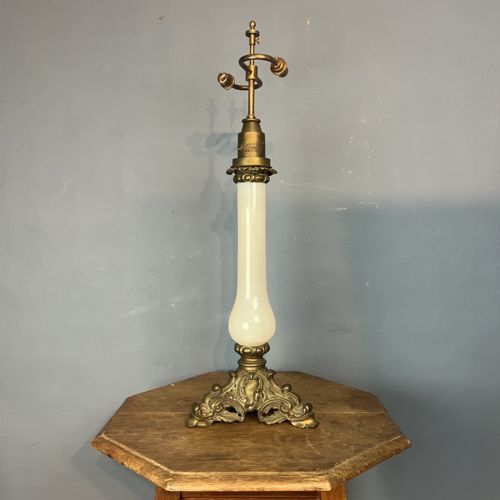
- A lighting form modelled after classical architectural pillars. These incorporate a central shaft of glass, brass, or porcelain resting on a stepped base.
- Opalescent glass
- Glass that exhibits a milky appearance with subtle colour shifts when lit. It captures and refracts light across its surface.
White Glass Lamp: Frequently Asked Questions
How do I date a white glass lamp?
Dating relies on examining the manufacturing techniques, mounting materials, and stylistic markers present in the piece. Victorian examples typically feature heavy brass components and hand-painted details, whereas 1930s pieces often display streamlined Art Deco forms or chrome finishes.
Maker stamps, patent marks, and structural assembly methods also provide reliable chronological indicators. Comparing the glass composition and burner type helps narrow down the decade of production.
Were these lamps originally electrified?
Many older lamps began life as oil burners or paraffin lamps before being converted to electricity at a later date. Components such as burners, wicks, and reservoirs indicate an initial fuel-burning function.
Other examples were manufactured specifically for electrical use as pendant lights or desk lamps from the early twentieth century onward. Conversions are standard practice for older lighting to allow safe domestic use.
How do I clean an antique glass shade?
Cleaning requires removing the glass shade from its metal mount whenever possible to prevent damage to fragile fittings or painted decoration. Warm water and mild soap applied with a soft cloth will safely remove dust and grime.
Harsh chemical cleaners and abrasive pads must be avoided to protect hand-painted motifs and gilding. Metal parts should be wiped separately with a dry or slightly damp cloth.
What is opaline glass?
Opaline is a delicate, semi-opaque white glass that gained popularity in France and England during the nineteenth century. Its composition creates a dense, milky appearance that diffuses illumination into a warm, even glow.
Glassmakers achieved this effect by adding bone ash or metal oxides to the molten batch. It appears frequently in lamp shades, vases, and decorative vessels from the period.