



White French Armchairs
White french armchairs bring effortless continental elegance to a room, offering classic seating shaped by centuries of French design traditions.
White French Armchairs
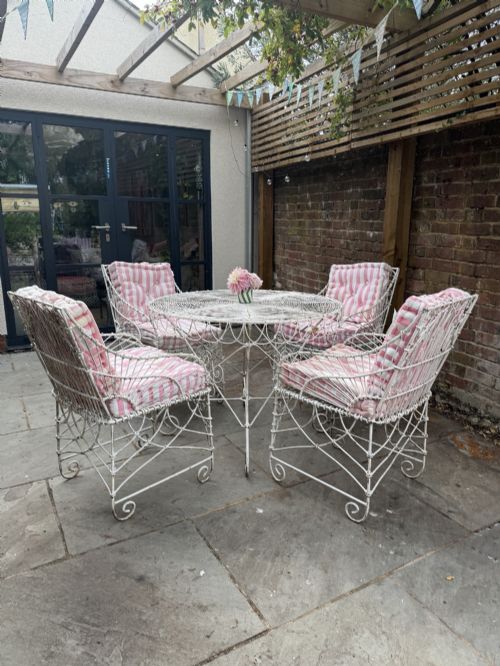
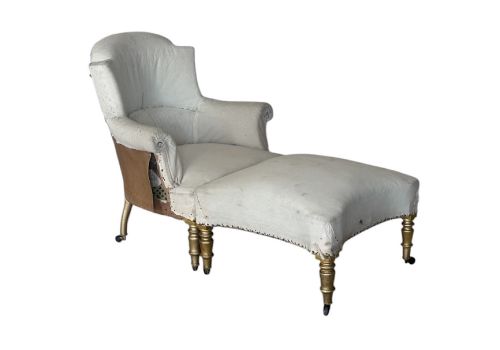
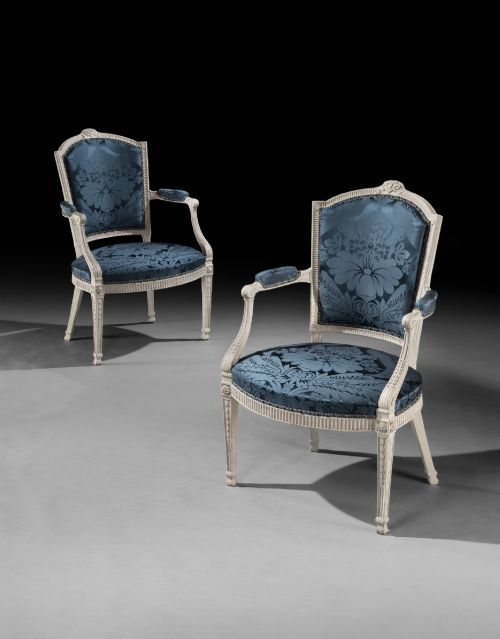
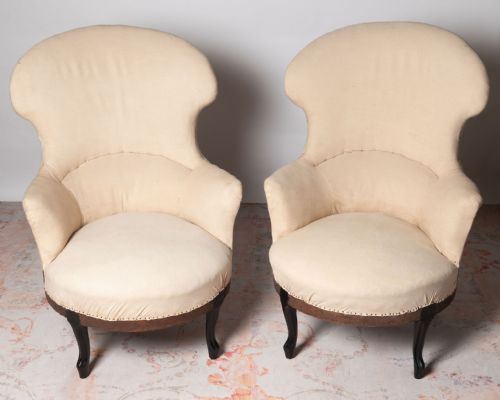
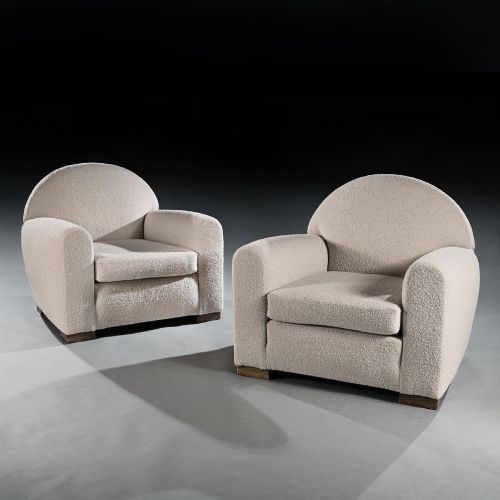
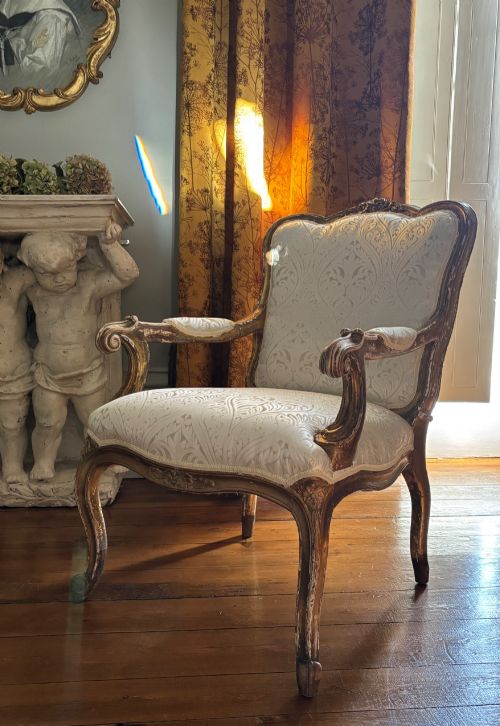
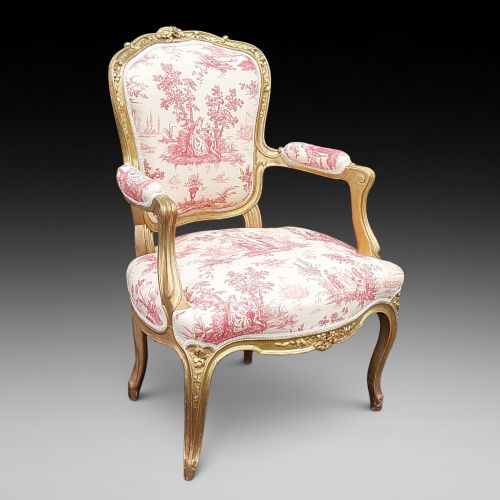
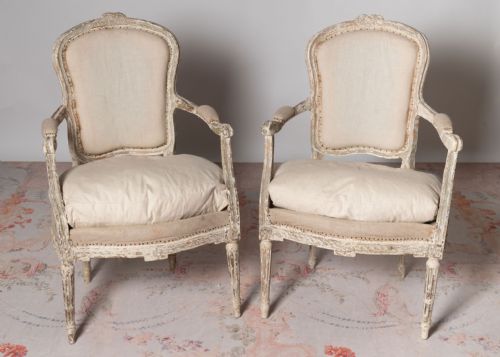
When buyers search for white french armchairs, they look for seating that combines traditional craftsmanship with painted or gilded finishes. The pieces seen here span periods from the eighteenth century to the mid twentieth century, encompassing styles such as Louis XVI, Louis XV, Napoleon III, and French Chateau.
The selection ranges from carved fauteuils and bergere armchairs to later revival pieces and painted cane seating. Beech and walnut form the structural timber for many examples, often finished in layered paint or giltwood.
Origins stretch across French workshops and later interpretations, with occasional regional variations appearing alongside classic Parisian designs. Buyers will encounter both single statement chairs and matched pairs suitable for drawing rooms or bedrooms.
How they were made
Craftsmen shaped these frames from hardwoods like beech and walnut, employing traditional joinery techniques to ensure structural integrity. Carved details such as floral motifs, fluted legs, and scroll arms demonstrate the hand of the maker.
Surfaces received treatments of paint, faux bamboo detailing, or gilding over gesso grounds, sometimes applied in later periods to refresh the appearance. Upholstery methods incorporated traditional stuffing supported by webbing, finished with fabric or linen covers.
One cheerful nineteenth-century armchair arrived wearing later faux bamboo paint, proving that even classic French seating enjoys a spot of fancy dress.
What varies in quality
The refinement of the hand-carved ornamentation distinguishes finer pieces from simpler production work. Crisp execution of motifs along the crest rail and arm supports indicates a higher standard of craftsmanship.
The integrity of the underlying timber frame and the subtlety of the painted finish determine the enduring character of each chair. Original structural stability combined with harmonious proportions elevates certain examples above standard revival items.
Blaise Maucuy
The White French Armchairs Glossary
- Fauteuil
- An open-arm armchair with an upholstered seat and back, framed in exposed wood. This form originated in France during the seventeenth century.
- Bergere
- An enclosed armchair featuring upholstered sides filled with cane or fabric panels. These chairs often include a loose down seat cushion for comfort.
- Giltwood
- Timber coated with a thin layer of gold leaf applied over a prepared gesso ground. This finish appears frequently on formal eighteenth and nineteenth-century seating.
- Louis XVI
- A neoclassical style defined by straight tapered legs, geometric forms, and classical carvings. Furniture from this period emphasises symmetry and restraint.
- Caning
- Woven rattan material used to form seat panels or backrests. It provides a lightweight, flexible surface on traditional frames.
White French Armchairs: Frequently Asked Questions
How do I date a painted armchair?
Dating relies on examining the construction methods, tool marks left by the maker, and the underlying timber composition. Stylistic details such as leg shape and carving style also provide clear indicators of the period.
Paint layers can reveal age, though many pieces received later coats during subsequent decoration campaigns. Comparing the timber wear to known period exemplars helps confirm the date of origin.
Are these chairs comfortable for daily use?
Most period armchairs were designed for upright sitting rather than modern lounging. Their proportions reflect the formal etiquette and dress of the eras in which they were built.
Upholstery stuffing can be adjusted or renewed to improve seating comfort while maintaining the historic frame structure. Pairing them with appropriate cushions makes them practical for everyday living.
How should I care for painted wood finishes?
Painted surfaces require gentle dusting with a soft, dry cloth to prevent dirt accumulation. Avoid harsh chemical cleaners or excessive moisture that might lift delicate or aged paint layers.
Maintaining stable room humidity protects both the timber substrate and the gesso preparation beneath the paint. Wax is occasionally used on unpainted wood components, but painted areas generally need only light dry maintenance.