





White Floral Urn
A white floral urn brings botanical painting and classic vessel forms together on a mantelpiece or side table.
White Floral Urn
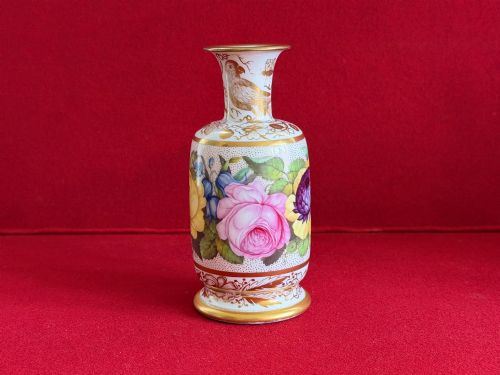
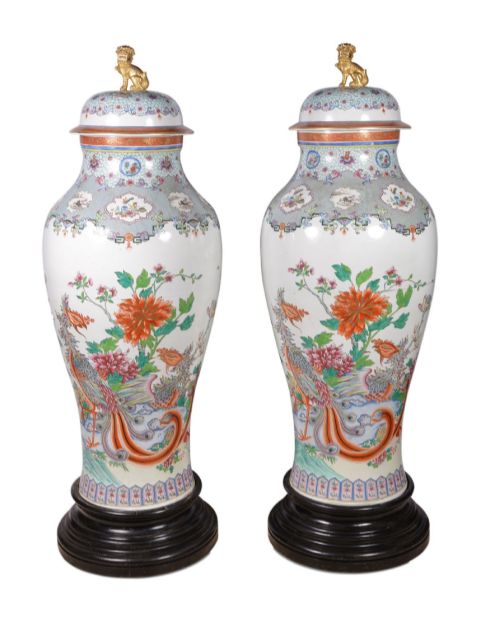
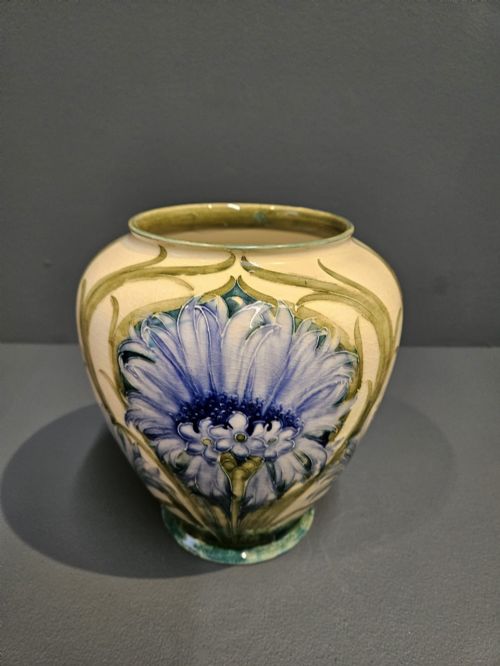
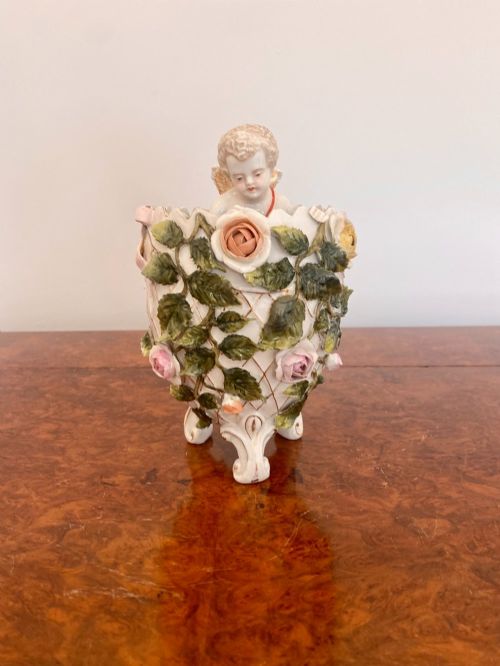
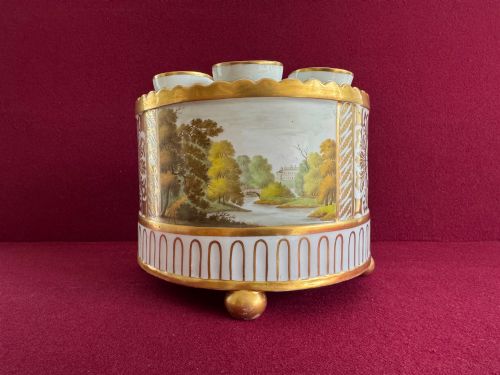
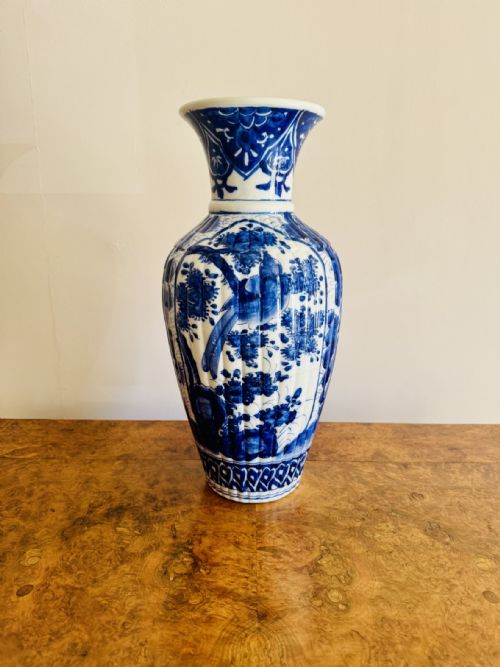
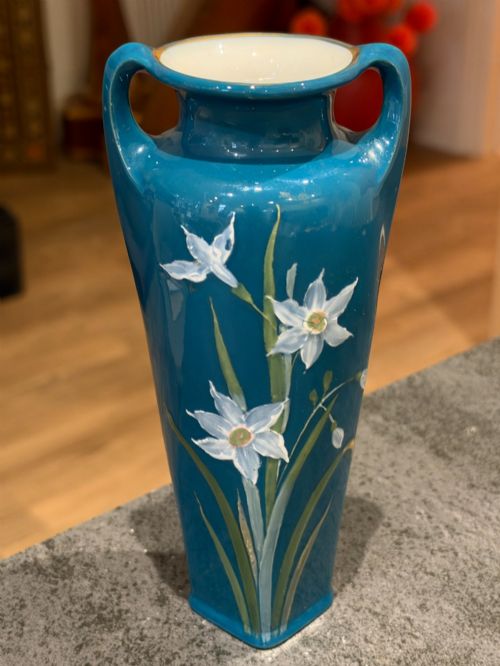
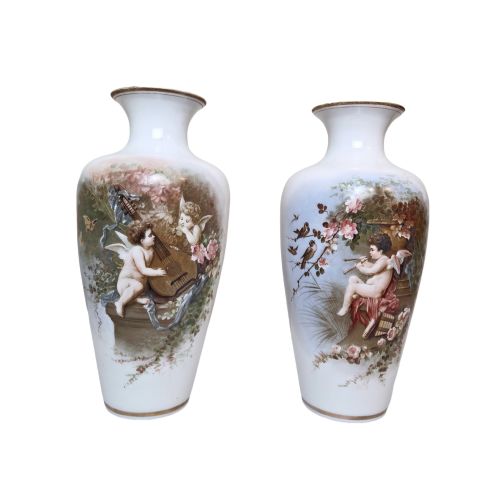
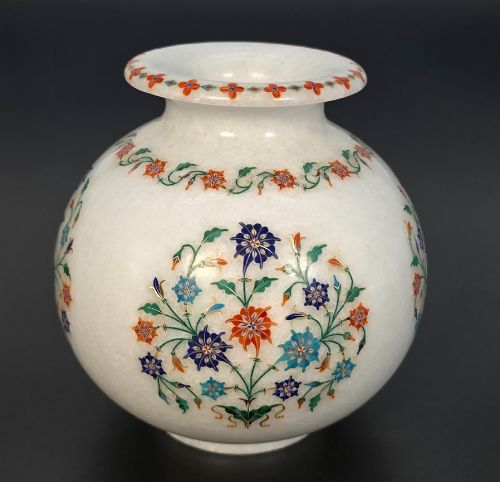
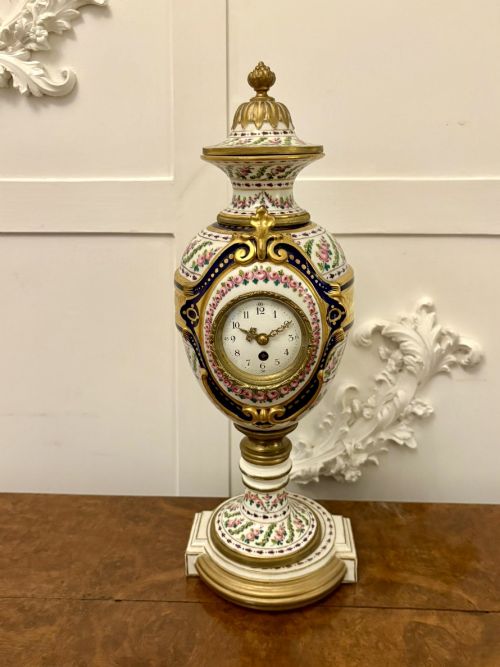
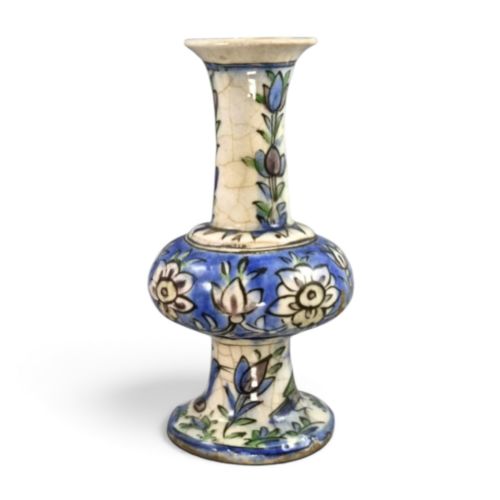
A white floral urn combines classic vessel shapes with painted or raised botanical motifs, offering a decorative focal point for interior spaces. When searching for a white floral urn, collectors encounter forms ranging from Georgian bough pots and Regency vases to Victorian mantel garnitures and continental porcelain. These pieces derive from periods spanning the eighteenth, nineteenth, and early twentieth centuries, reflecting diverse European and Asian ceramic traditions.
The objects grouped under this description include lidded jars, campana shapes, and twin-handled vessels produced by factories across England, France, Germany, and beyond. Many examples integrate hand-painted floral panels with glazed ceramic bodies, enamel details, or gilded accents. Their primary function remains ornamental, designed to hold dried botanicals, potpourri, or simply to stand alone as display items.
Materials and production methods
Makers shaped these vessels using porcelain, earthenware, ironstone, and occasionally marble, applying fluid glazes to seal the ceramic body before decoration. Artisans then painted floral subjects by hand using polychrome enamels, sometimes incorporating raised white enamel work or gold leaf gilding to create tactile depth.
Firing techniques varied according to the medium, with hard-paste and soft-paste porcelains requiring precise kiln temperatures to fix delicate pigments and metallic leaf. Later nineteenth-century examples often utilised transfer printing or combined printed outlines with hand-coloured infills to achieve intricate botanical patterns.
White Floral Urn Retail Price Guide 2026
Typical asking prices for white floral urn among the pieces listed under this phrase on Sellingantiques today, from the lower quarter to the upper quarter. They describe what is for sale here now, not the wider market.
The listings span from the eighteenth-century Georgian era through the Regency period and into late nineteenth-century Victorian and Edwardian manufacturing.
Assessing quality and craftsmanship
The standard of a painted white floral urn depends heavily upon the precision of the brushwork and the delicacy of the enamel application. Superior pieces display naturalistic botanical detail with subtle tonal shading, whereas lesser examples rely on repetitive stencilled motifs and flat colour application.
The crispness of the porcelain body and the refinement of any applied gilding or moulded relief work also separate standard production wares from pieces originating in premier studio workshops. Well-balanced proportions and sharply defined handles indicate careful design and skilled manufacturing.
James Giles·Flight Barr and Barr·Spode·Samson of Paris·Meissen·Gebrüder Heubach
The White Floral Urn Glossary
- Campana
- A bell-shaped vase form with a flaring rim and a pedestal foot. This classical silhouette appears frequently in nineteenth-century decorative urns.
- Enamel
- Opaque vitreous material fused to the ceramic surface through firing. Enamels provide the vibrant colours used in hand-painted floral decoration.
- Gilding
- The application of gold leaf or powdered gold to ceramic surfaces. It highlights rims, handles, and painted borders on finer decorative vessels.
- Bough pot
- A specialised ceramic vessel fitted with a pierced cover designed to hold cut stems or flowering branches. These pieces were popular during the Georgian period.
- Ironstone
- A durable type of heavy earthenware patented in the nineteenth century. It combined the strength of stone china with the appearance of fine porcelain.
White Floral Urn: Frequently Asked Questions
What were decorative urns used for?
These vessels primarily served an ornamental function in period interiors, displayed on mantelpieces, consoles, or pier tables.
Some forms, such as bough pots and potpourri jars, were specifically designed to hold natural aromatics or botanical arrangements to fragrance rooms.
How do I care for antique porcelain?
Dust these delicate ceramic pieces gently with a soft, dry brush and avoid exposing them to direct sunlight or sudden temperature shifts.
Hand washing in lukewarm water with mild soap is suitable only when strictly necessary, keeping them away from modern dishwashers entirely.
How do I distinguish nineteenth-century pieces?
Examine the base of the vessel for factory marks, pattern numbers, or impressed stamps characteristic of specific ceramic manufacturers.
Paint styles, glaze thickness, and the wear patterns on the footrim also provide reliable indicators of a piece's age and origin.
Where should I display my urn?
Place your urn on a stable surface away from heavy foot traffic where it can be appreciated without risk of accidental impact.
Pairing a decorative vessel with complementary period furniture or placing it against a neutral wall allows its floral painting to stand out.