
White Enamel Timepiece
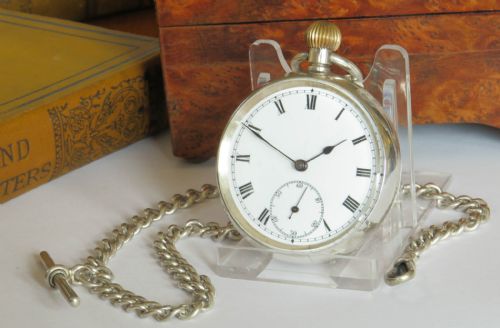
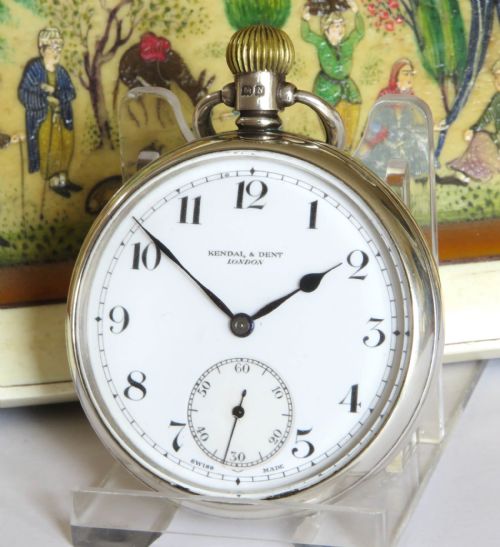
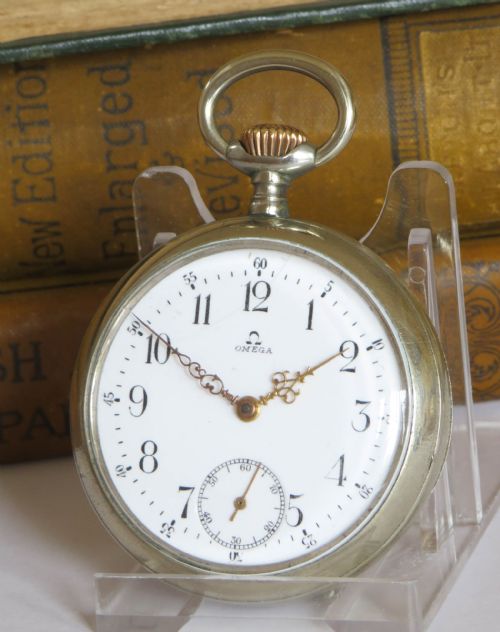
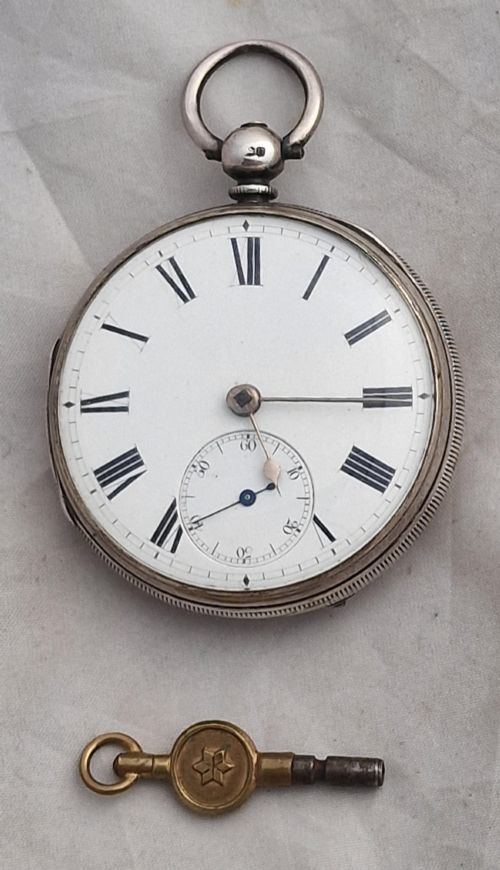
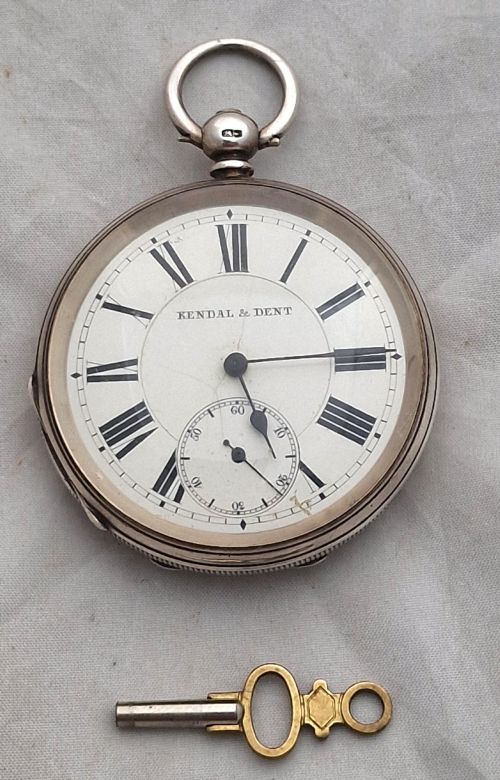
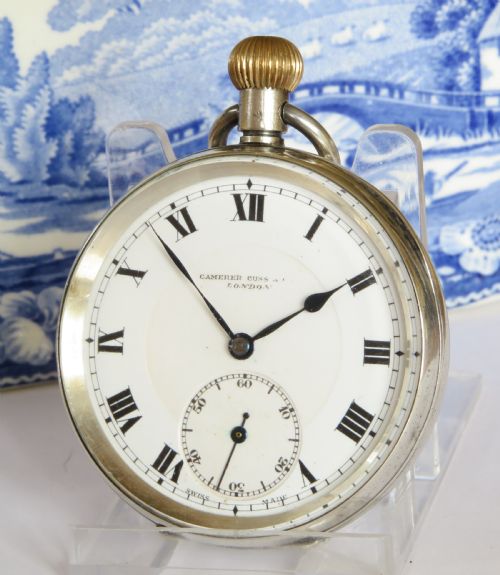
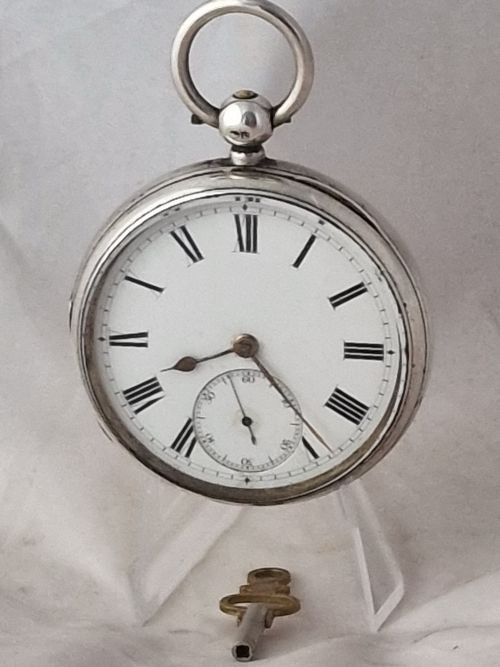
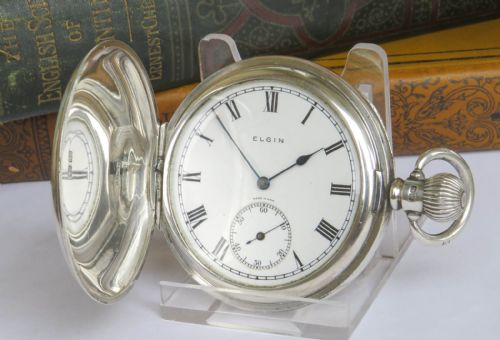
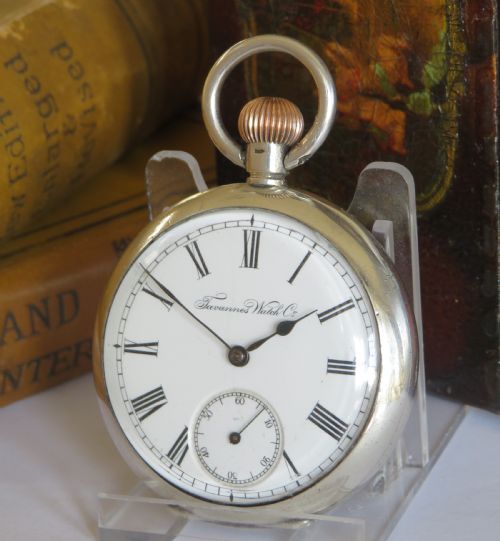
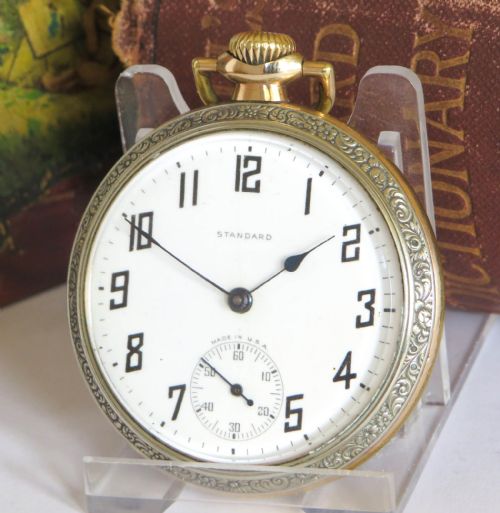
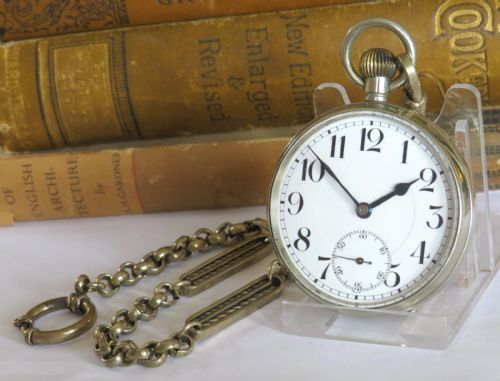
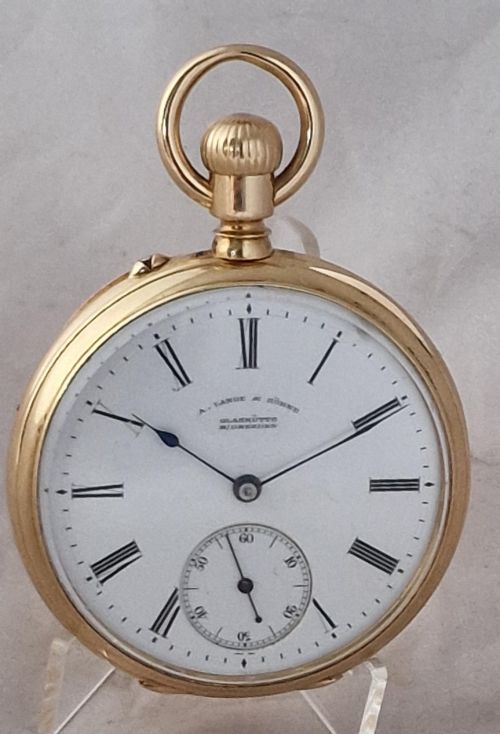
A white enamel timepiece brings dependable precision and classic dial legibility, spanning eras from the Victorian period to Art Deco.
White Enamel Timepiece
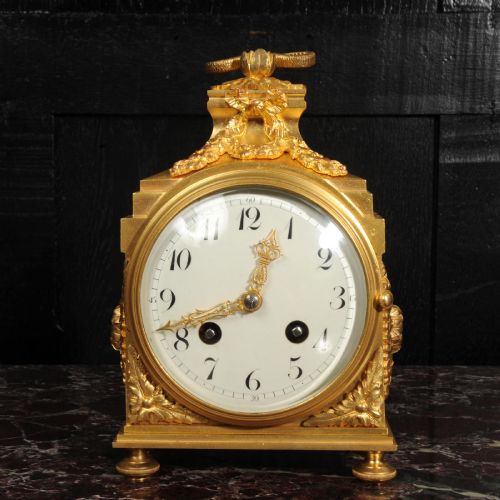
A white enamel timepiece unites portable pocket watches, travel clocks and carriage clocks issued across the Victorian, Edwardian and Art Deco periods. These objects combine utilitarian timekeeping with crisp white dials that offer high contrast against traditional hands and numerals.
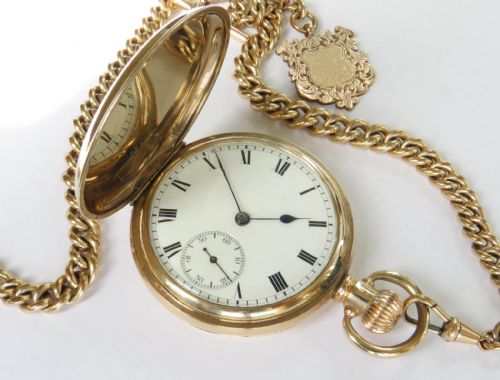
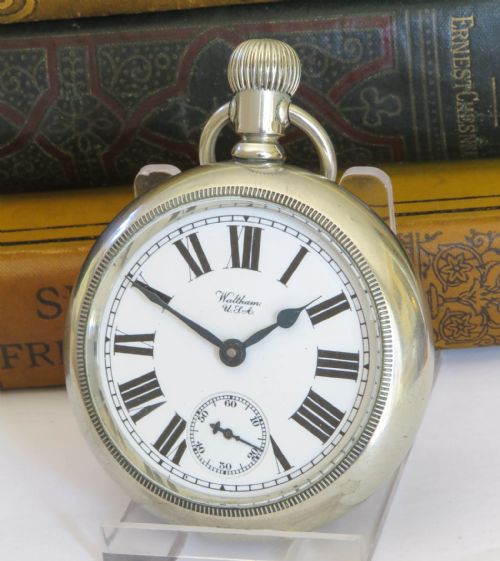
Most examples hail from English, American and French workshops, encompassing fusee pocket watches, full hunters and heavy goliath formats alongside brass carriage clocks. The white enamel dial remains the unifying element across diverse casing materials and mechanical movements.
Materials and construction methods
Cases utilise silver, brass, gilt brass, nickel, steel and gold plate, housing intricate mechanical movements driven by fusee or standard gear trains. Glass crystals protect the dial face, while French ormolu and heavy brass frames define larger carriage and travel clocks.
The characteristic white enamel dial is formed by fusing powdered glass to a copper or metal base at high temperatures, producing a smooth, glossy surface resistant to tarnishing. Black or coloured enamel numerals are subsequently painted and fired onto this white ground for permanent legibility.
Listings feature periods spanning the Victorian era through the 1950s, constructed in silver, brass, glass, and gold plate.
Distinctions in quality and finish
Quality rests upon the crispness of the enamel dial firing, the absence of hairline fractures in the white surface, and the precision of the underlying mechanical movement. Finer specimens display detailed hand-finishing on internal brass bridges and superior weight in the silver or ormolu casing.
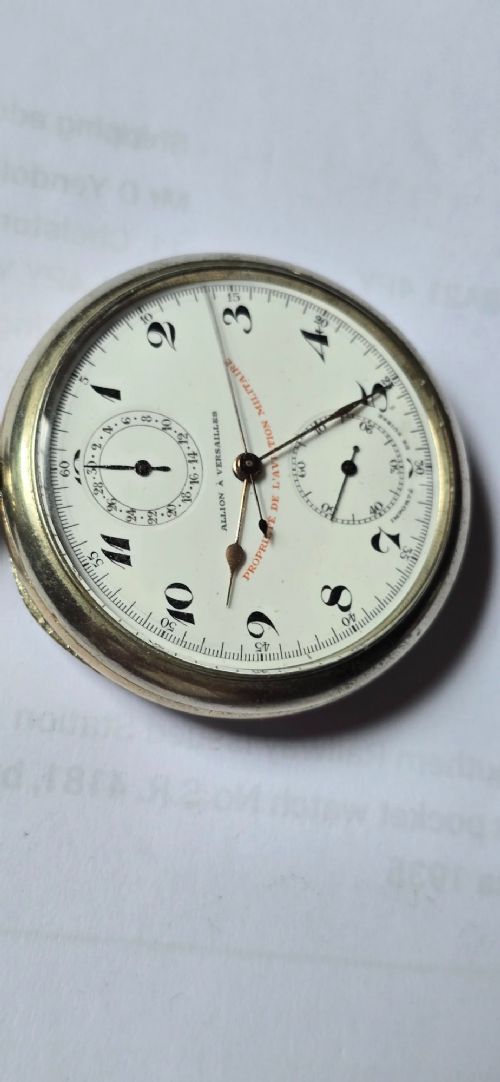
Casing execution and maker reputation separate standard production from superior pieces, particularly in jewelled movements and complicated functions such as chronograph mechanisms or bell-strike repeating carriage clocks. Engraved silver or finely cast French ormolu mounts indicate higher original workshop investment.
Kendal & Dent·Camerer Cuss·Lange & Sohne·Waltham·Elgin·Omega·Zenith·Longines
The White Enamel Timepiece Glossary
- Full hunter
- A pocket watch featuring a spring-loaded metal cover that protects the glass and white enamel dial from scratches.
- Carriage clock
- A portable spring-driven clock with a rectangular brass or ormolu case, handle, and bevelled glass panels often housing an enamel dial.
- Fusee
- A conical pulley connected to the mainspring by a chain, designed to equalise the torque as the spring unwinds and improve timekeeping accuracy.
- Goliath
- An oversized pocket watch, substantially larger than standard examples, frequently paired with a dedicated desk stand or travel case.
- Pendule d'Officier
- A French military-style travel clock featuring a distinct arched top, handle, and white enamel dial.
- Verge escapement
- An early mechanical escapement using a crown wheel and a vertical rod with pallets to regulate the release of power.
White Enamel Timepiece: Frequently Asked Questions
What is a white enamel timepiece?
A white enamel timepiece refers to mechanical watches and clocks featuring a vitrified glass-on-metal dial providing a clean, bright background for numerals.
These objects range from pocket watches carried in waistcoats to desk-bound carriage clocks manufactured during the nineteenth and twentieth centuries.
How do I wind a pocket watch?
Pocket watches generally wind via the crown at the top or through a small keyhole on the back plate depending on the age and movement type.
Care should be taken not to overwind the mainspring, stopping immediately when firm resistance is met.
How were carriage clocks used?
Carriage clocks served as portable timekeepers for travellers in the nineteenth century, built robustly to withstand journeys in horse-drawn carriages or trains.
Their sturdy brass frames and protective glass panels allowed them to maintain accurate time while moving between locations.
How do I date a silver timepiece?
Dating silver timepieces involves examining hallmarked stamps on the interior case, which indicate the assay office, standard of silver, and year of manufacture.
Movement serial numbers and maker signatures stamped on the internal plates provide additional chronological markers.
How should I clean a white enamel dial?
Cleaning white enamel requires only a soft, dry cloth to remove surface dust, avoiding harsh chemical cleaners that might damage painted numerals.
Enamel is glass fused to metal, meaning abrasive materials will permanently scratch the glossy finish.