




White Ceramic Wash Bowl
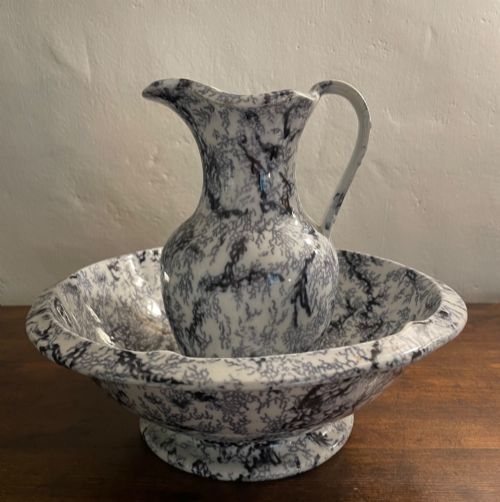
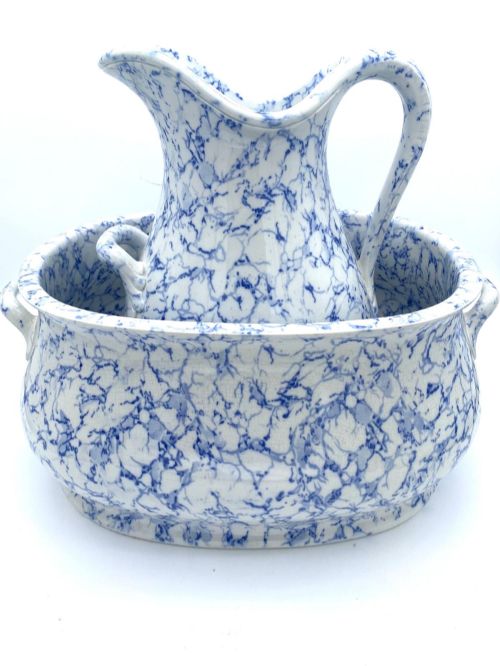
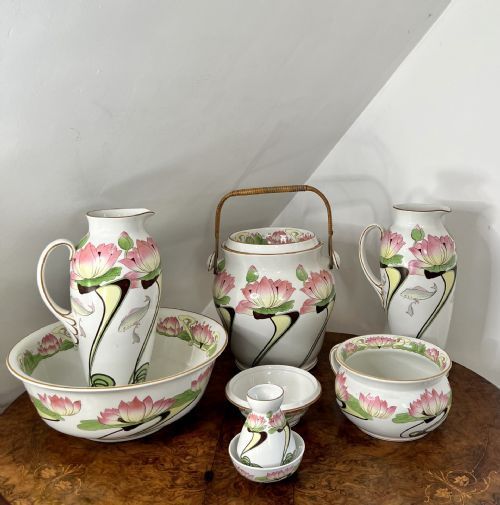
These white ceramic wash bowl examples bring functional nineteenth and early twentieth century bedroom ware into modern spaces.
White Ceramic Wash Bowl
A white ceramic wash bowl forms the central basin of a traditional bedroom set designed for morning ablutions before indoor plumbing became universal. These items typically arrive paired with matching water pitchers, creating coordinated sets intended for washing on wooden washstands.
The inventory on this page spans the Victorian and Edwardian eras, reaching back into the early nineteenth century with pieces attributed to periods like eighteen hundred and nineteen ten. Collectors encounter diverse forms ranging from large footbaths and basins to complete jug and bowl sets.
Originating predominantly from English potteries, these domestic utilities served practical daily routines in bedrooms before bathrooms moved indoors. Surviving examples demonstrate how wash sets combined utility with decorative ceramic arts of their respective periods.
How they were made
Potters shaped these vessels using earthenware, ironstone, creamware, and porcelain, applying traditional manufacturing techniques common in nineteenth century British factories. Ironstone provided a heavy, durable body suitable for daily heavy use, while porcelain and creamware offered finer surfaces for decorative glaze work.
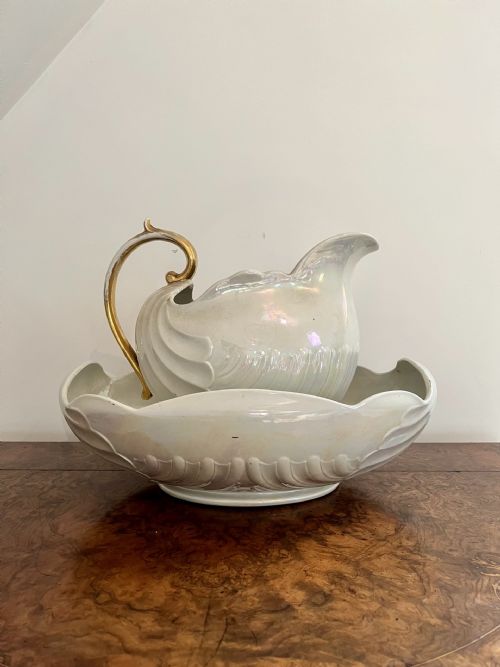
Glaze finishes sealed the ceramic bodies, often decorated with blue and white transfers, gilt highlights, or enamel patterns such as flow blue and Gaudy Welsh styles. Gold leaf and gilt additions appeared on select pieces to elevate the decorative appeal of standard bedroom ware.
Listings feature earthenware, ironstone, creamware, and porcelain pieces spanning the nineteenth century through the Edwardian era.
What varies in quality
The distinction between standard utility ware and finer pieces rests upon the crispness of the ceramic moulding and the complexity of the surface decoration. Maker attribution to established potteries like Minton, Mason's, or Doulton Burslem elevates the standing of an individual set.
Preservation of delicate elements such as gilt accents and gold leaf application distinguishes well-kept examples from heavily worn pieces. The completeness of matched jug and basin combinations also dictates the overall desirability of the set.
Minton·Masons·Doulton Burslem·Shelley
The White Ceramic Wash Bowl Glossary
- Ironstone
- A heavy, durable type of earthenware patented in the nineteenth century to imitate Chinese porcelain. It resists chipping better than standard pottery, making it ideal for large wash basins and footbaths.
- Flow blue
- A cobalt blue transfer printing technique where the colour blurred slightly into the surrounding white glaze during firing. This effect created a soft, misty appearance popular on Victorian tableware and toilet sets.
- Creamware
- A refined earthenware featuring a warm, buttery cream-coloured glaze developed by Staffordshire potters. It provided an affordable and attractive alternative to true porcelain for domestic utility items.
- Gaudy Welsh
- A style of colourful, hand-painted pottery featuring cobalt blue, iron-red, pink lustre, and green on a white ceramic ground. It was produced in Staffordshire and Welsh potteries primarily for everyday household use.
- Footbath
- A large, deep ceramic vessel designed for soaking feet before the widespread adoption of fitted porcelain bathtubs. These substantial pieces often match the patterns of accompanying wash jugs.
White Ceramic Wash Bowl: Frequently Asked Questions
How were wash bowls used originally?
These bowls sat atop wooden washstands in bedrooms to hold water for morning washing and grooming routines. Water was poured from a matching pitcher into the basin before the advent of plumbed indoor bathrooms.
Households used the paired sets for basic daily hygiene, face washing, and sponge baths. The larger basins and footbaths accommodated more water for washing hair or tired feet.
Can I use an antique wash bowl today?
Many people continue to utilise these durable ceramic vessels for holding water, though modern owners often display them as decorative items. Their sturdy ironstone or earthenware construction generally holds water without issue.
Thermal shock from very hot water should be avoided to protect antique glazes from cracking. Hand washing preserves the historical surface decoration and any remaining gilt details.
How do I date an antique wash set?
Pottery marks stamped or printed on the base provide the most reliable evidence for dating a specific jug and basin set. Maker marks often correlate with specific operational years of British factories.
Stylistic clues such as the transfer print patterns, handle shapes, and overall body weight also indicate whether a piece belongs to the early nineteenth century or the later Edwardian period.
Where do I display a wash bowl at home?
Wash bowls fit naturally atop antique wooden washstands, sideboards, or large tables where their wide rims remain visible. Placing the matching jug beside or inside the basin recreates the traditional display format.
Bathrooms and bedrooms offer logical settings that echo their original domestic purpose. Some owners use the large basins as planters or standalone decorative vessels in living spaces.