


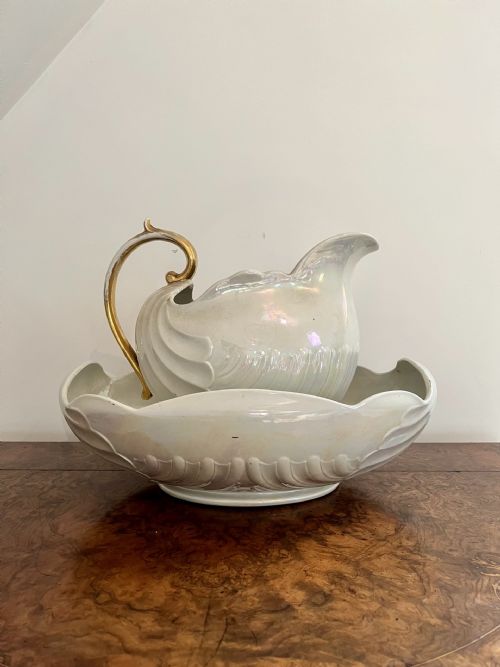

Vintage Ceramic Washstand Bowl
These vintage ceramic washstand bowl selections offer practical utility and period charm for modern interiors.
Vintage Ceramic Washstand Bowl
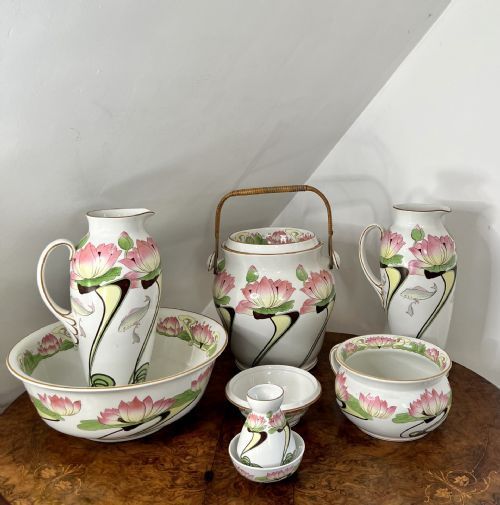
A vintage ceramic washstand bowl forms the central basin of a traditional bedroom washing set, paired with a matching jug. These pieces originate from periods spanning the nineteenth century through the Edwardian and Art Nouveau eras, reflecting the domestic hygiene routines of past households.
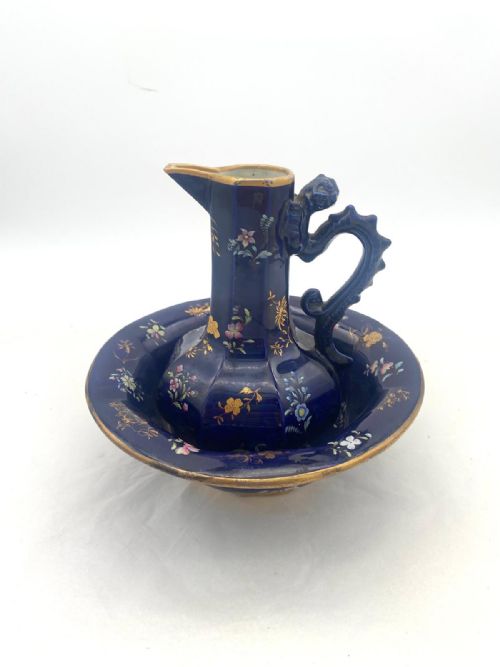
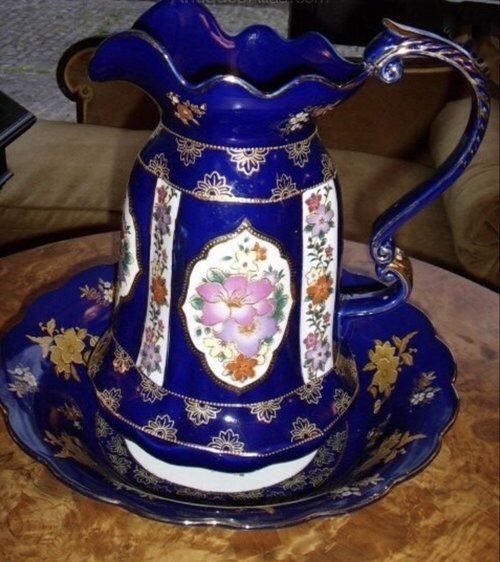
Buyers will encounter various forms on this page, ranging from standard ironstone basins to complete bathroom sets and chamber pots. Many examples emerge from Edwardian and Victorian decades, often featuring floral patterns or cobalt blue glazes on earthenware and porcelain.
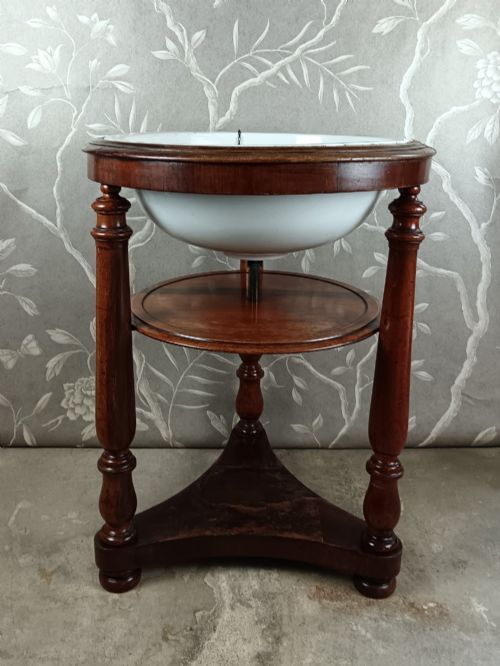
The assortment also includes specialised stands such as mahogany campaign frames and bentwood shaving units designed to hold these ceramic vessels. Each piece demonstrates the domestic utility and decorative craftsmanship typical of British ceramic production across multiple centuries.
How they were made
Potters shaped these vessels using traditional earthenware, ironstone, and porcelain clays before applying specialised glaze finishes. Manufacturers utilised techniques such as cobalt blue application and gold leaf detailing to decorate the surfaces of basins and jugs.
Makers fired the ceramic bodies in kilns to achieve durable domestic wares suitable for daily washing routines. Wooden support structures utilise mahogany and bentwood materials, constructed to securely house the heavy ceramic bowls during use.
Listings feature ceramic, earthenware, porcelain, and ironstone materials across Victorian, Edwardian, and Regency periods.
What varies in quality
The distinction between standard utility items and finer examples lies in the refinement of the ceramic body and the complexity of the glaze work. Ironstone and porcelain versions demonstrate greater durability and a finer finish compared to basic earthenware pieces.
Decorative execution separates ordinary production from superior examples, particularly where hand-painted floral designs, cobalt blue glazes, or gold leaf accents are applied. The inclusion of matching jugs and specialised stands elevates the overall integrity of the set.
Masons Ironstone·Doulton Burslem·Mark Jones And Sons·Shelley
The Vintage Ceramic Washstand Bowl Glossary
- Ironstone
- A dense, durable type of earthenware patented in the nineteenth century that resists chipping and staining during daily use. This ceramic body provided a robust alternative to true porcelain for heavy domestic washware.
- Chamber pot
- A portable vessel kept in a bedroom for night-time personal use before the widespread installation of indoor plumbing. These utilitarian objects often matched the decorative patterns of the washstand bowl.
- Earthenware
- A porous ceramic fired at lower temperatures, commonly used for historical basins and domestic jugs before being glazed for water retention. It forms the foundation of many traditional washstand sets.
- Campaign furniture
- Portable furnishings designed to be easily packed and transported by military officers or travellers during the nineteenth century. These sturdy wooden frames often accommodated ceramic basins for field use.
- Jardiniere
- An ornamental ceramic pot or stand designed to hold plants or flowers within a domestic interior. These decorative pieces share manufacturing techniques and glaze styles with standard washstand bowls.
- Cobalt blue
- A deep, stable metallic oxide pigment used under the glaze to create rich blue patterns on ceramic surfaces. This colouring agent withstands high kiln temperatures without losing its intensity.
Vintage Ceramic Washstand Bowl: Frequently Asked Questions
What is a vintage ceramic washstand bowl?
A vintage ceramic washstand bowl is a traditional basin originally made to hold washing water in a bedroom before the era of plumbed bathrooms. These vessels typically formed part of a matching set that included a water jug and sometimes a chamber pot.
Today, buyers acquire these pieces for their decorative appeal and historical connection to past domestic interiors. They function well as ornamental focal points, planters, or display items in period homes.
How do I identify a Victorian washstand bowl?
Victorian washstand bowls often feature robust ironstone or earthenware bodies with traditional transfer-printed patterns, floral motifs, or cobalt blue glazes. These pieces frequently date from the nineteenth century and reflect the heavier, sturdier manufacturing standards of the period.
Examining the underside for maker marks or impressed stamps can also help confirm a Victorian origin. The presence of crazing in the glaze typically indicates genuine age and historical use.
How were washstand bowls used originally?
In historical households, these bowls sat upon wooden washstands alongside a filled pitcher for morning and evening hygiene routines. Water was poured from the jug into the basin for washing the face and hands.
They served as essential daily utilities in bedrooms before permanent bathroom fixtures became standard in residential homes. Complete sets often included matching soap dishes and brush trays.
How do I care for an antique ceramic bowl?
Antique ceramic washstand bowls require gentle cleaning with mild, non-abrasive soap and lukewarm water to protect the aged glaze. Harsh scrubbing should be avoided to prevent damage to delicate surface decorations like gold leaf or hand-painted details.
When using them as planters or display vessels, placing a protective liner inside helps prevent moisture from seeping into porous earthenware. Proper placement away from high-traffic edges ensures these fragile historical pieces remain secure.