



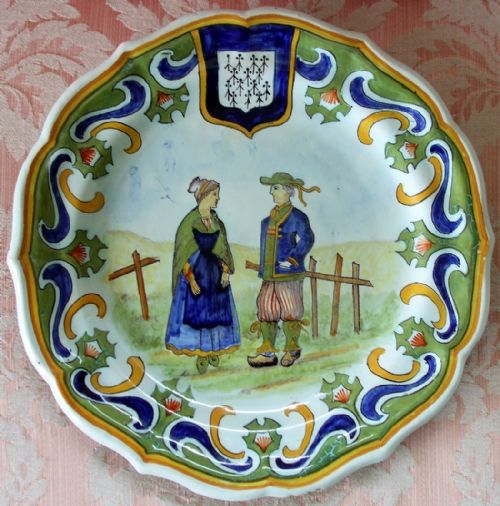
White Ceramic Wall Charger
A white ceramic wall charger brings bold scale and historic pattern directly onto a room's vertical surfaces.
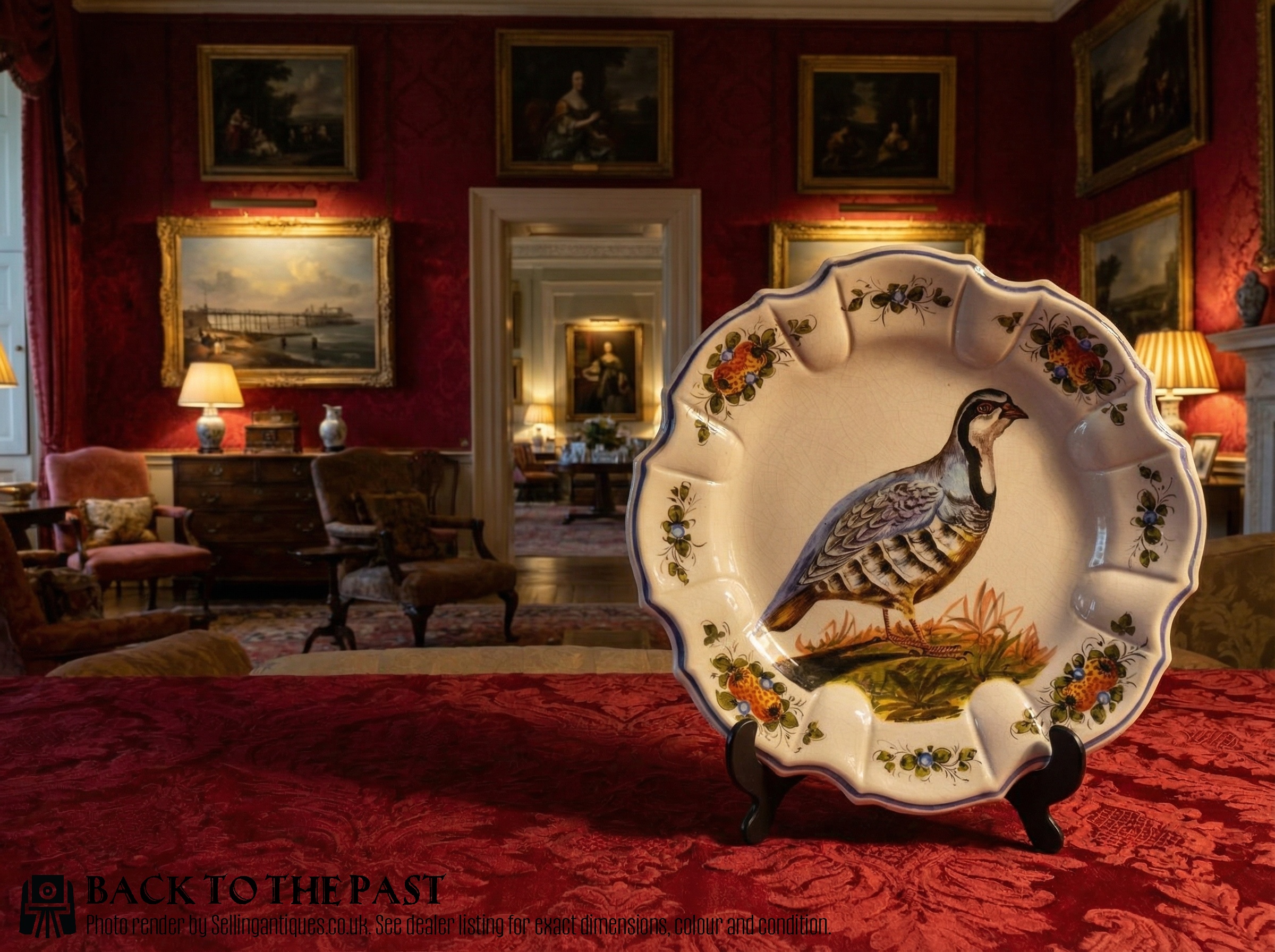
White Ceramic Wall Charger
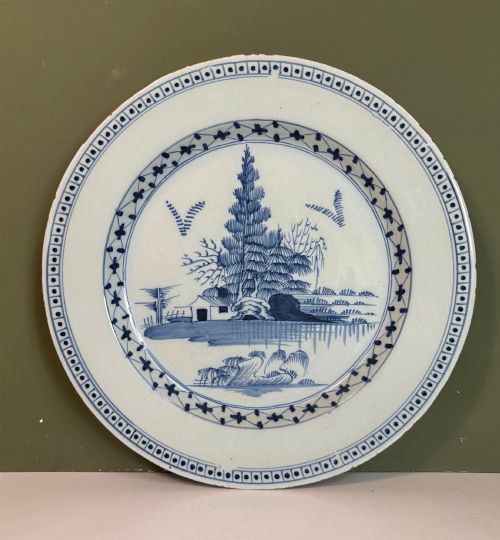
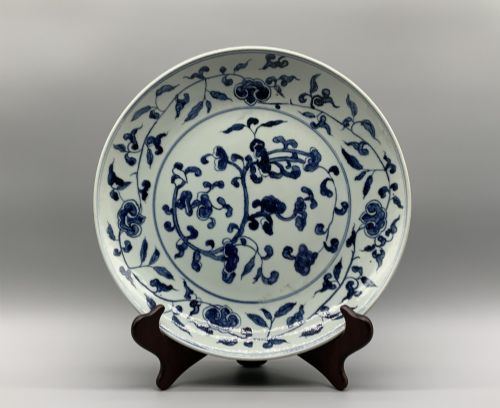
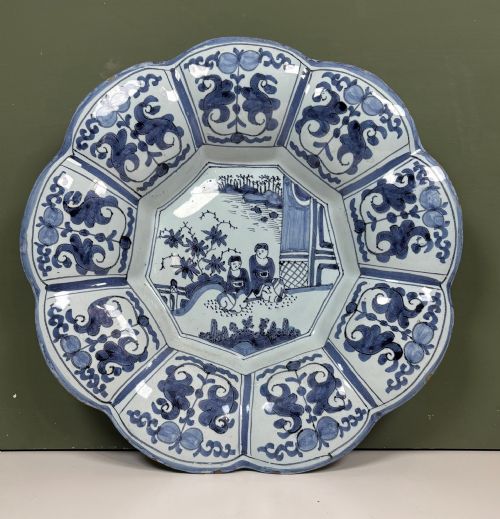
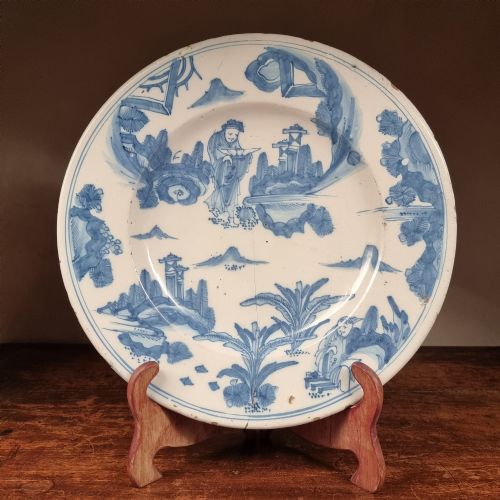
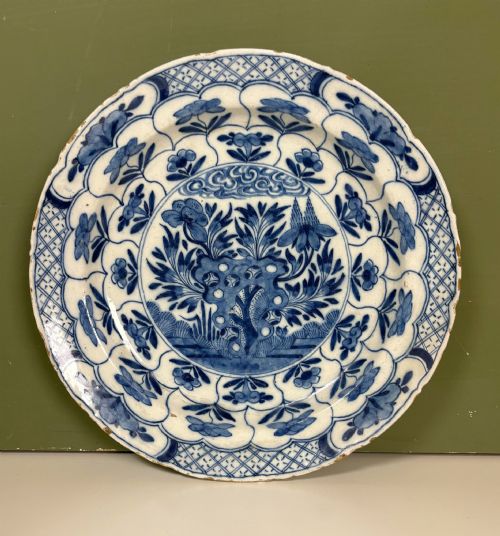
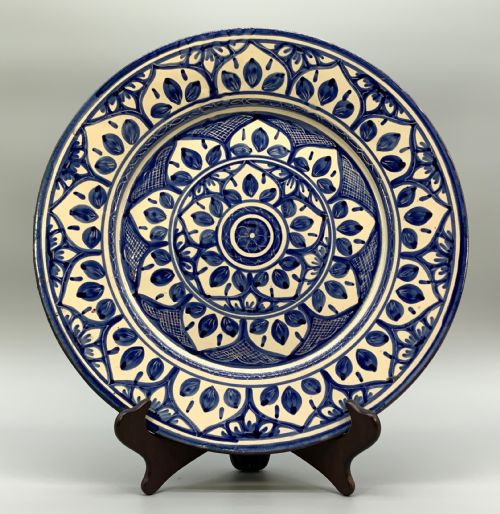
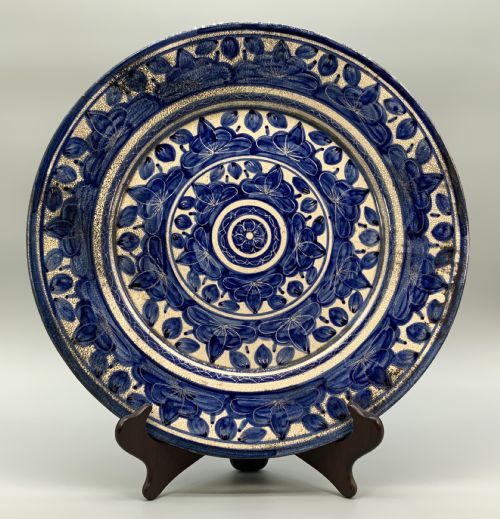
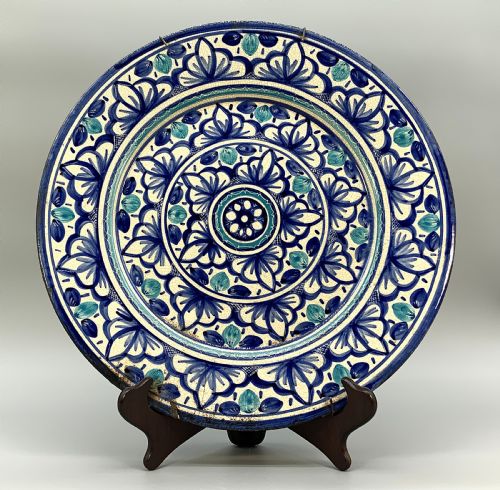
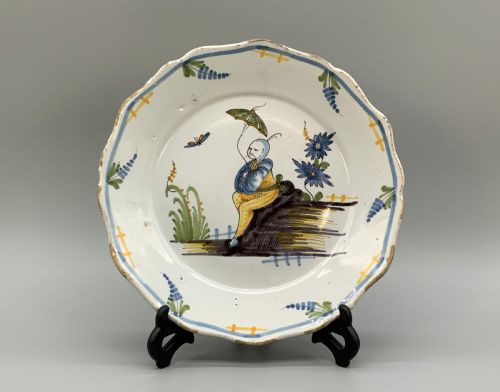
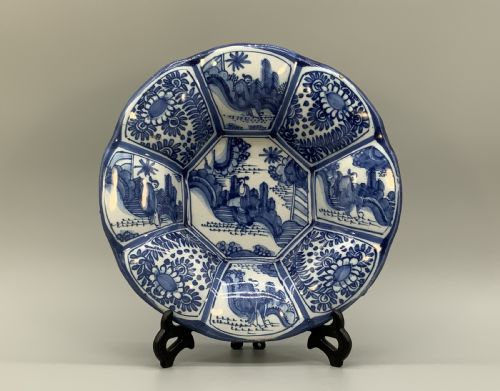
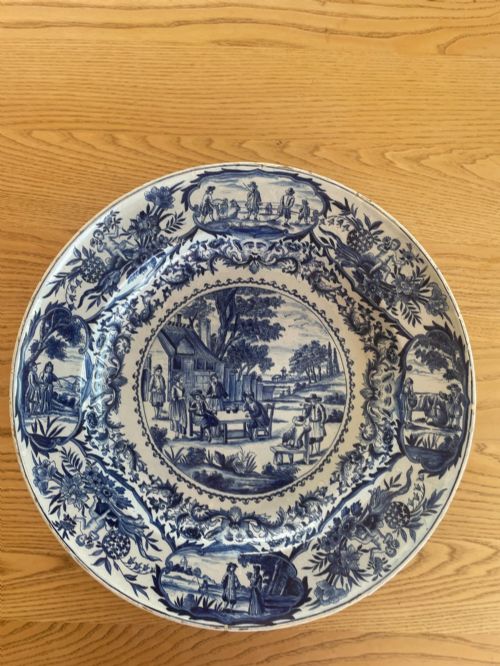
A white ceramic wall charger is a large decorative plate or platter intended primarily for display rather than dining. When exploring this phrase, buyers encounter substantial pieces originating from European Delftware potteries and Asian export kilns alike.
The domestic selection relies heavily on continental tin-glazed earthenware and porcelain spanning from the seventeenth century through to the early twentieth century. These objects function as substantial focal points, carrying cobalt pigment, enamel, and glaze across broad circular surfaces.
Forms range from shallow bowls and lobed dishes to massive platters influenced by Dutch Baroque, Kraak, and Japanese Imari traditions. Each specimen presents a distinct narrative painted directly onto a pale ceramic ground.
Materials and production methods
Potters constructed these chargers using earthenware or porcelain bodies coated in tin glaze or opaque white enamel to create a smooth working surface. Artisans then applied cobalt pigment, manganese, and polychrome enamels by hand before firing the pieces in kilns.
Earlier European examples depend on tin-glazed earthenware, often referred to as delft or faience, which yields a soft, absorbent background for hand-painted motifs. Later and distant traditions utilise dense porcelain bodies capable of holding crisp underglaze blue details and bright overglaze colours.
The documented pieces demonstrate diverse decorative origins including Dutch Delft, French faience, Chinese export, and Japanese Arita kilns.
Evaluating quality and execution
The distinction between ordinary production and superior work rests upon the confidence of the brushwork and the clarity of the fired pigments. Master painters achieved fluid lines and precise botanical or figurative scenes that separate exceptional chargers from simple commercial output.
Surface preservation and the stability of the original glaze heavily influence the character of an antique charger. Superior examples maintain rich colour saturation and balanced compositions that hold the eye across a large wall space.
Royal Bonn·Meissen
The White Ceramic Wall Charger Glossary
- Charger
- A large decorative plate or platter traditionally scaled for display rather than table service. These substantial vessels provide a wide canvas for intricate painted scenes.
- Tin Glaze
- An opaque white lead glaze containing tin oxide, applied to earthenware to create a smooth surface for painting. This technique defines traditional European delftware and faience.
- Imari
- A style of Japanese porcelain featuring a distinct palette of underglaze blue, iron red, and gilt highlights. These pieces were widely exported to Europe from the seventeenth century onward.
- Kraak
- A style of Chinese porcelain characterised by panelled borders and central motifs depicting flora or fauna. Dutch traders imported vast quantities of these wares during the seventeenth century.
- Polychrome
- Decoration employing multiple distinct colours rather than a single pigment like blue. Painters used this method to introduce yellows, greens, and manganese into ceramic designs.
White Ceramic Wall Charger: Frequently Asked Questions
How were white ceramic wall chargers displayed?
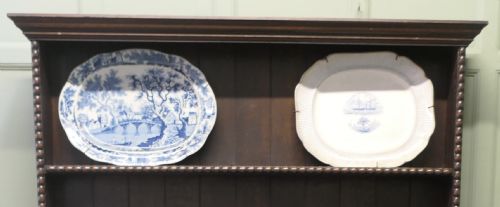
Historic interiors frequently utilised wall chargers to decorate dining rooms, parlours, and halls, turning functional pottery into prominent wall art. Owners mounted them using specialised wire hangers or displayed them upright on dedicated plate rails and dressers.
This method of presentation allowed households to showcase expensive imported porcelain and tin-glazed earthenware without risking daily wear on the dining table. The large circular format concentrates light and pattern effectively against panelled or plastered walls.
What is the difference between delft and imari chargers?
Delft chargers originate primarily from European workshops, particularly in Holland and England, and typically feature blue and white tin-glazed earthenware. Their designs often draw inspiration from Chinese export motifs or local European landscapes and floral arrangements.
Imari chargers stem from Japanese traditions and utilise dense porcelain decorated with a richer palette incorporating iron red, cobalt blue, and gold. These Asian export pieces display a denser arrangement of panels and botanical details compared to tin-glazed counterparts.
How do I date a ceramic charger?
Dating relies upon examining the ceramic body, the composition of the glaze, and the specific style of the painted ornament. Early seventeenth and eighteenth-century pieces usually exhibit heavier earthenware bodies with tin glazes, while nineteenth-century items often show refined porcelain or distinct factory marks.
Stylistic shifts, such as the transition from Kraak paneling to dense Imari florals or European Chinoiserie, provide clear chronological markers. Comparing the brush technique against documented period examples helps narrow the decade of production.
Can these chargers safely hang on walls?
Modern display requires secure, well-padded wire hangers that distribute the weight evenly across the rim without stressing the ceramic body. Installers should anchor the fixings directly into solid wall studs or use heavy-duty wall plugs suitable for substantial loads.
Regularly checking the tension of the hanging wire ensures the antique remains secure over time. Positioning the piece away from high-traffic zones prevents accidental knocks against the broad rim.