

White Ceramic Ornament
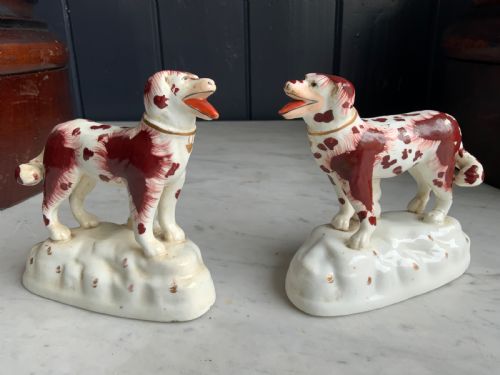
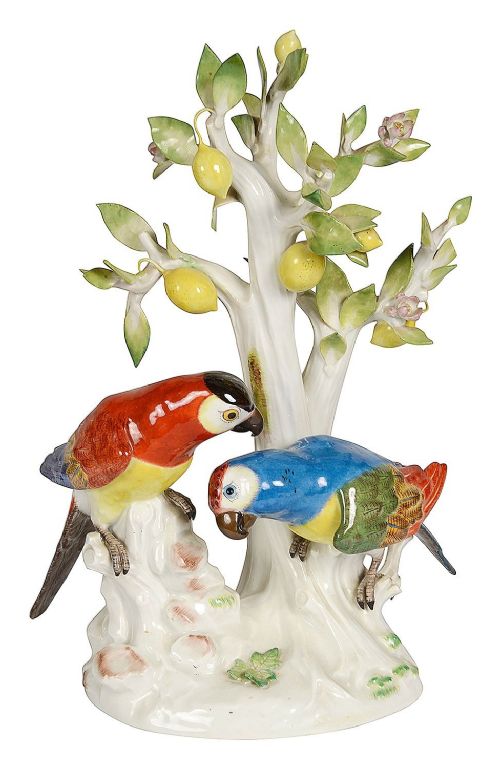
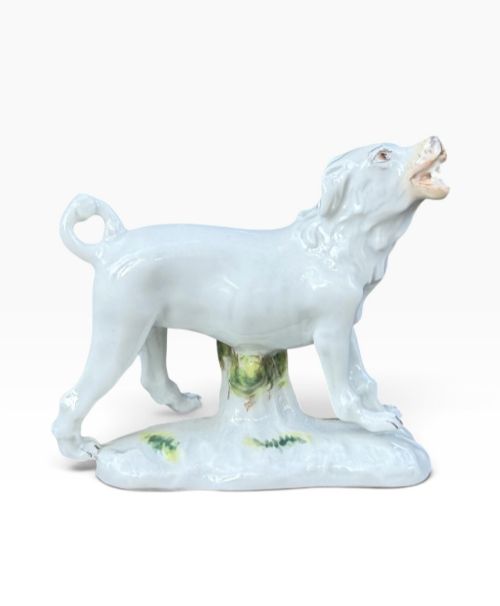
These white ceramic ornaments range from Staffordshire poodles and Delft cows to Meissen figures, bringing historic character and sculptural form to a room.
White Ceramic Ornament
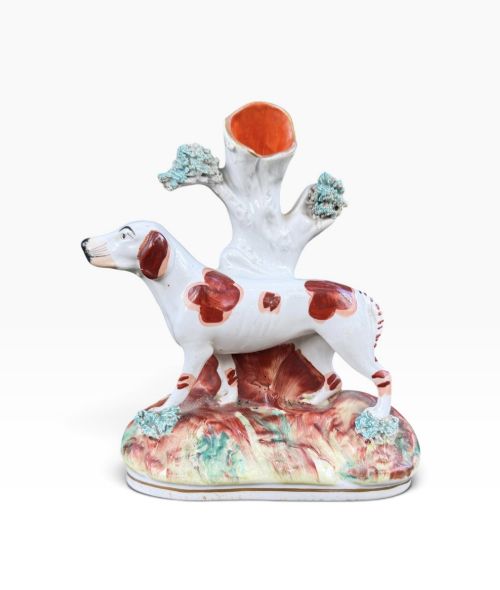
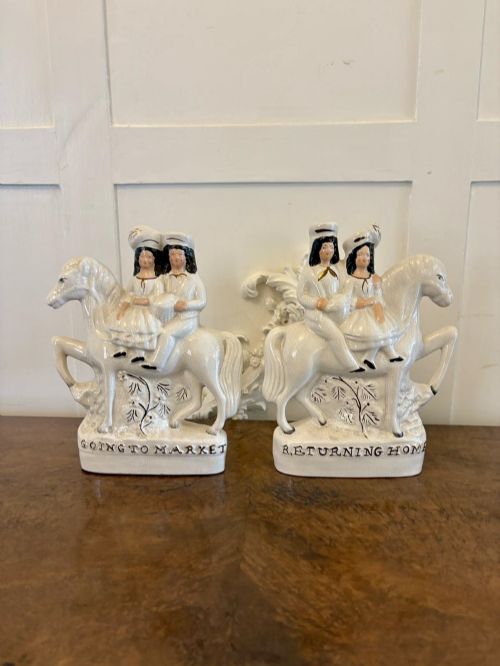
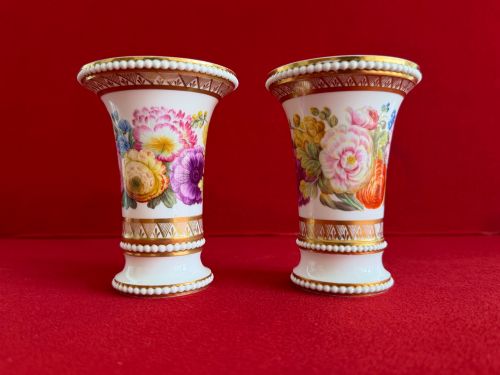
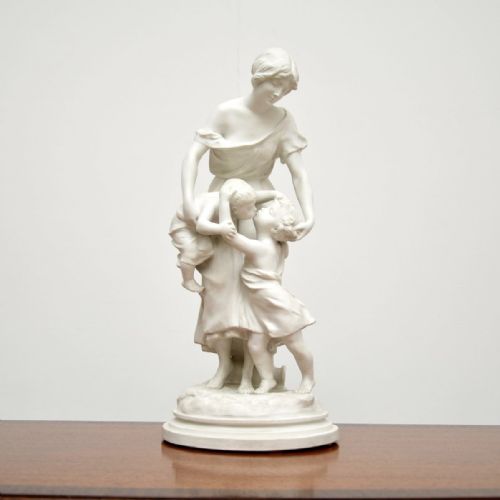
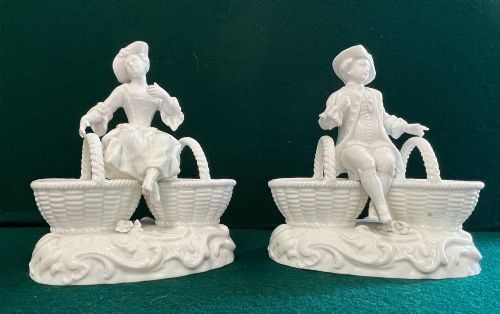
A white ceramic ornament encompasses figures, figurines, and spill vases produced across the eighteenth, nineteenth, and early twentieth centuries. The selection on this page is dominated by nineteenth-century Victorian Staffordshire earthenware and porcelain animals, alongside continental porcelain works from Meissen, Derby, and Bow.
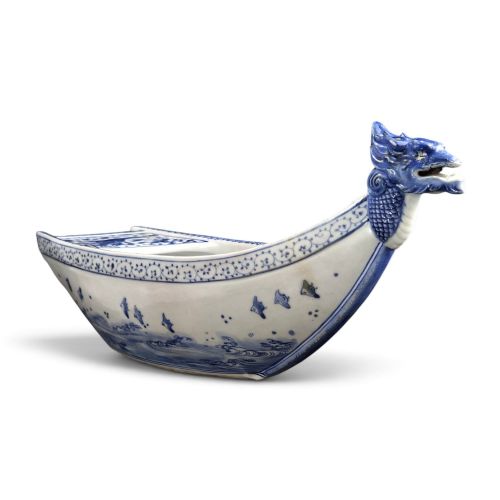
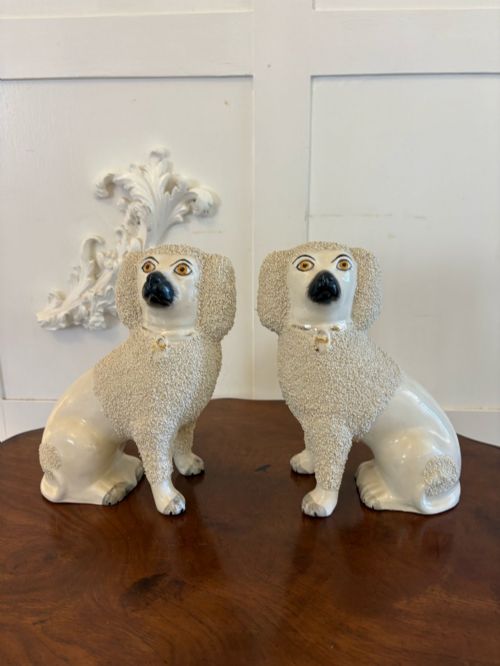
Buyers encounter everything from Staffordshire poodles and spaniels to allegorical figures, portrait groups, and Dutch Delft blue and white pottery cows. Pieces span Georgian, Victorian, Edwardian, and Art Deco periods, capturing both utilitarian mantel decorations and delicate cabinet porcelain.
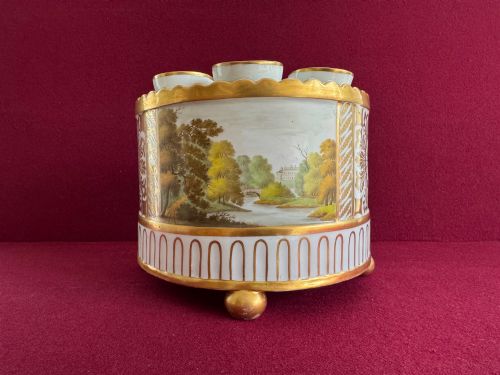
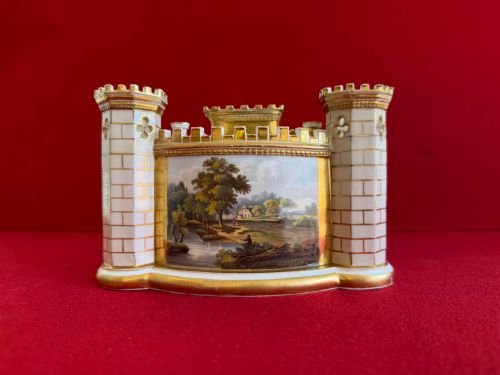
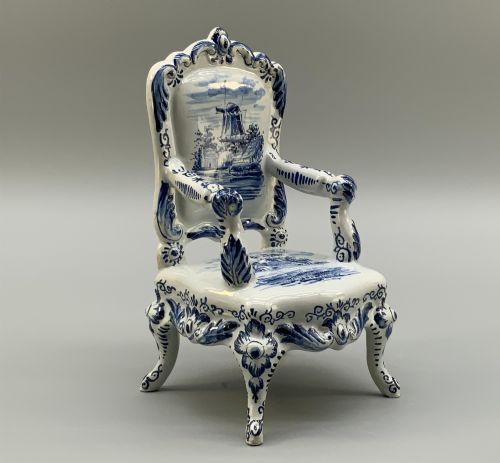
The objects take many forms, including pairs of seated dogs, miniature armchairs, candle holders, and botanical groupings like parrots under lemon trees. Earthenware figures often display simpler moulded bodies, whilst hard paste porcelain versions reveal intricate modelling and fine glaze work.
Materials and technique
The pieces rely on earthenware, hard paste porcelain, and terracotta, shaped through moulding and hand-modelling techniques. Makers applied lead glaze, enamel, and occasional gold leaf or gilt highlights to define details on the white ceramic bodies.
Staffordshire potters utilised earthenware bodies with simple glaze finishes suited to cottage mantelpieces, whilst factories like Meissen and Derby employed hard paste porcelain that allowed for crisper lines and translucent qualities.
A nineteenth-century ceramic fairing captures the domestic plea of being the last in bed to put out the light.
Distinctions in quality
The distinction also lies in the provenance and execution, moving from robust popular pottery figures meant for domestic display to highly sophisticated studio or factory models with detailed hand-painting and established factory marks.
Meissen·Royal Worcester·Edme Samson·Volkstedt Rudolstadt Factory·Bow
The White Ceramic Ornament Glossary
- Earthenware
- A porous pottery body fired at lower temperatures, typically requiring a glaze to achieve impermeability. Staffordshire figures are predominantly formed from this material.
- Hard paste porcelain
- A dense, vitrified ceramic composed of kaolin and petuntse, fired at high temperatures. Factories like Meissen and Derby utilised this durable body.
- Spill vase
- A hollow cylindrical holder designed to contain wooden matches or paper spills for lighting pipes and candles. These often feature animal figures positioned beside the central tube.
- Flatback
- A pottery figure designed with an unglazed or minimally finished flat rear surface intended to stand against a wall. This construction saved materials during nineteenth-century Staffordshire production.
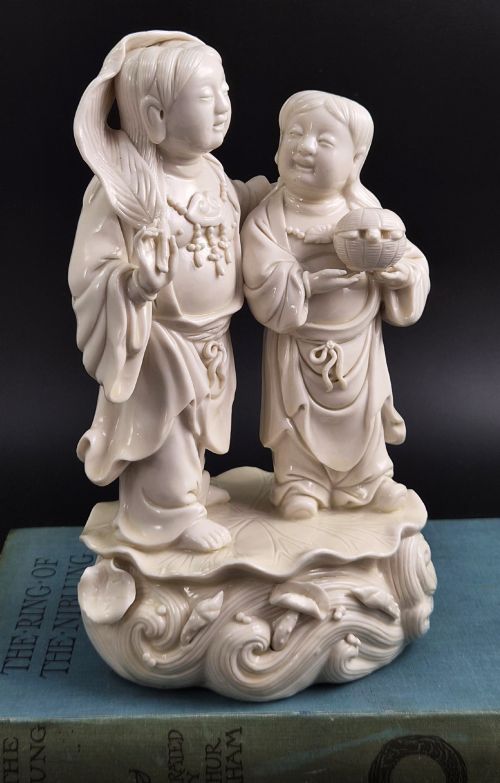
- Blanc de chine
- A French term describing white glazed porcelain without polychrome enamel decoration. It highlights the pure white ceramic surface and sculptural form of the piece.
White Ceramic Ornament: Frequently Asked Questions
What are Staffordshire comforter spaniels?
Staffordshire comforter spaniels are paired ceramic figures modelled after King Charles Spaniels, traditionally placed on mantelpieces facing inward.
Potters produced these white ceramic ornaments in large quantities during the nineteenth century to adorn Victorian homes.
How do I date a porcelain figure?
Dating relies on examining the factory marks stamped or painted on the base, alongside the style of modelling and glaze characteristics.
Earlier pieces from eighteenth-century factories like Bow or Meissen differ significantly in paste and weight from late nineteenth-century Staffordshire earthenware.
Where were these ceramic figures displayed?
Victorian households placed earthenware figures and spill vases on mantelpieces, sideboards, and drawing room tables.
More delicate porcelain figurines from factories such as Derby or Volkstedt resided in closed cabinets to protect them from dust.
What is the difference between earthenware and porcelain?
Earthenware is a heavier, opaque pottery fired at lower temperatures, commonly found in nineteenth-century Staffordshire portrait figures.
Porcelain is a vitrified, harder ceramic that often exhibits translucency and finer surface detail, as seen in Meissen or Bow examples.