



White Ceramic Mantle Vases
White ceramic mantle vases bring sculptural presence to a room, ranging from refined porcelain urns to earthenware spill holders.
White Ceramic Mantle Vases
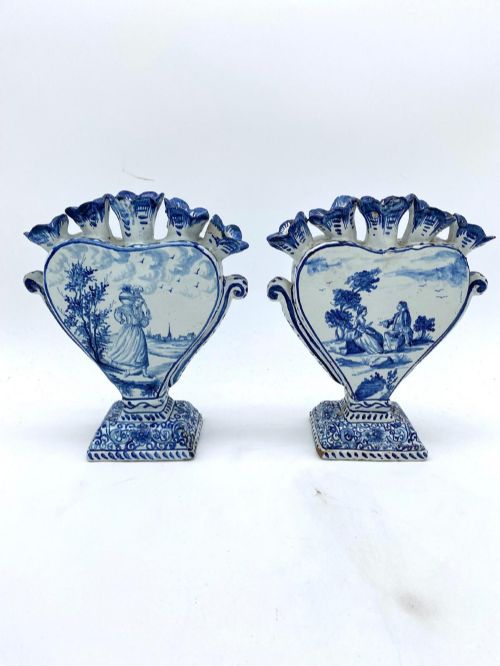
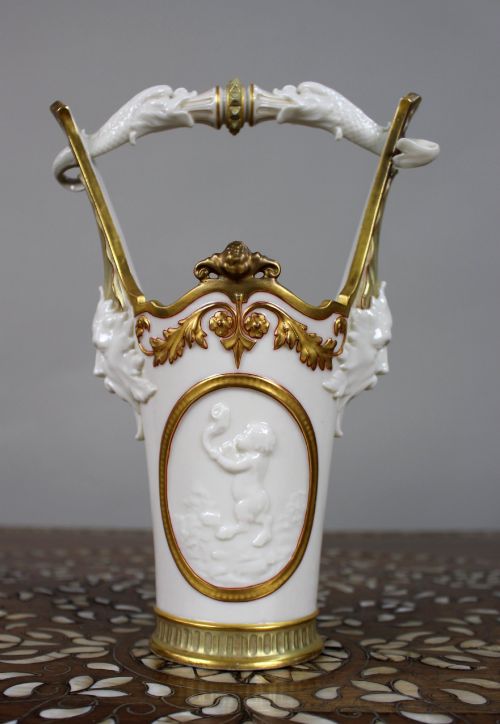
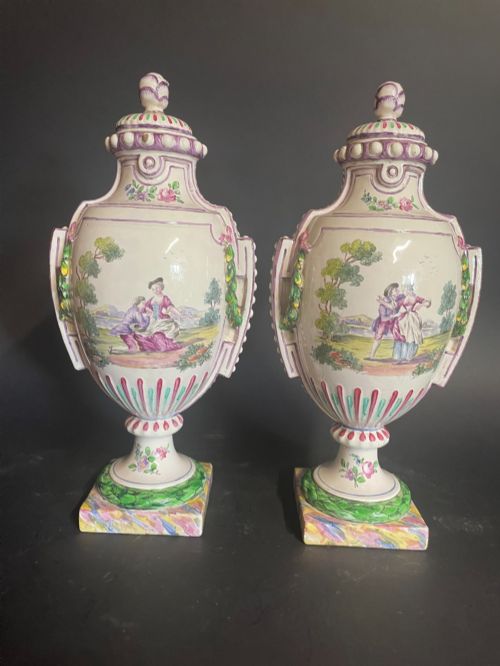
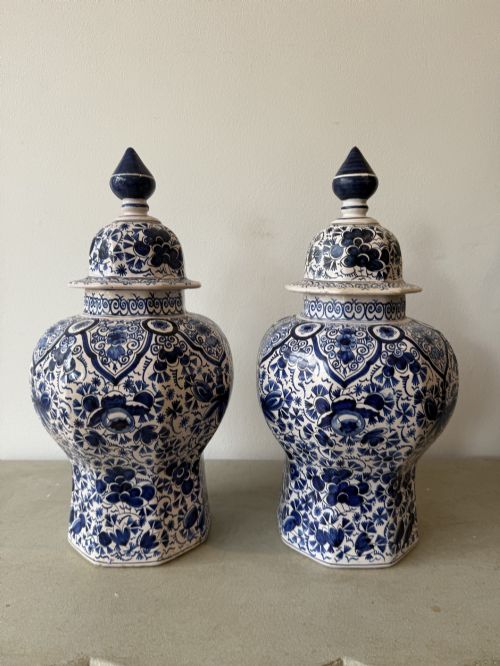
White ceramic mantle vases encompass a varied group of decorative vessels designed for display on a mantelpiece. These pieces range from nineteenth century English porcelain urns and Staffordshire pottery sheep to French faience and Dutch delftware.
Buyers encountering white ceramic mantle vases on this page will frequently see pairs of lidded vases, spill holders, and decorative urns. The selection spans eighteenth century Derby frill vases and later nineteenth century productions with gilt and enamel details.
Originating across England, France, and continental Europe, these vases reflect historical shifts in taste from neoclassical severity to exuberant rococo revival forms. Each period brings distinct manufacturing techniques and decorative motifs to the mantle.
How they were made
Potters shaped these vessels using traditional earthenware and porcelain bodies, frequently applying tin-glaze or enamel finishes to achieve a bright white surface. Firing techniques varied from regional faience kilns to established porcelain factories.
Decoration often involved hand-painted details, moulded relief elements, and applied gold leaf or gilding to accentuate handles and borders. Artisans utilised slip-casting and throwing methods depending on whether the object was a delicate porcelain urn or a robust Staffordshire figure.
White Ceramic Mantle Vases Retail Price Guide 2026
Typical asking prices for white ceramic mantle vases among the pieces listed under this phrase on Sellingantiques today, from the lower quarter to the upper quarter. They describe what is for sale here now, not the wider market.
Among the stately urns and delicate porcelain, a pair of Staffordshire pottery sheep cheerfully holds court on the mantle.
What varies in quality
Quality in white ceramic mantle vases rests upon the crispness of moulding and the finesse of any hand-painted or gilt application. Finer pieces demonstrate superior control during the firing process, resulting in unblemished glazes and balanced proportions.
The sophistication of the ceramic body itself, whether translucent porcelain or dense earthenware, dictates the overall refinement of the piece. Artisanal precision in details such as frilled edges or handles separates standard production from exceptional work.
Royal Worcester·Sceaux Faience·Derby·Staffordshire Pottery·Dresden·Old Paris
The White Ceramic Mantle Vases Glossary
- Tin-Glazed Earthenware
- Pottery coated with a tin-opacified glaze that turns white and opaque upon firing. This surface provided an ideal ground for subsequent painted decoration.
- Spill Vase
- A narrow cylindrical vessel designed to hold taper candles or wooden spills used for lighting fires. They often appear as pairs flanking a fireplace.
- Frill Vases
- Vessels decorated with applied fluted or ruffled clay ribbons, a technique notable in eighteenth century Derby production. This ornate treatment created a distinctive textured surface.
- Faience
- European tin-glazed earthenware, particularly that originating from France. The medium allowed for expressive painting directly onto the wet glaze.
White Ceramic Mantle Vases: Frequently Asked Questions
Where should I place a mantle vase?
These vessels suit narrow display ledges, mantelpieces, and console tables where their upright profile is visible. Pairs often anchor either end of a mirror or fireplace opening.
Ensure the placement protects delicate handles or gilt surfaces from accidental knocks during daily room use.
How do I clean white ceramic vases?
Dust the surface gently with a soft dry cloth to remove everyday particles. Avoid harsh abrasurs or soaking, particularly on pieces with applied gilding or enamel decoration.
Water should not be placed inside antique vessels unless confirmed watertight, as porous historical bodies can absorb moisture.
Are these vases functional or decorative?
Most examples serve primarily decorative functions, though specific forms like spill holders had practical domestic uses for holding fireplace tapers. Lidded urns and display pieces were intended to enhance interior decor.
Using them for dried botanicals is common, but liquid water is generally discouraged for unglazed or porous historical ceramics.
How do I identify nineteenth century pieces?
Look for stylistic markers such as rococo revival curves, heavy gilding, and specific factory characteristics associated with Victorian manufacturing. Nineteenth century ceramics often display moulded registration marks or factory stamps on the underside.
Comparing the glaze consistency and weight helps distinguish these from earlier eighteenth century productions.