
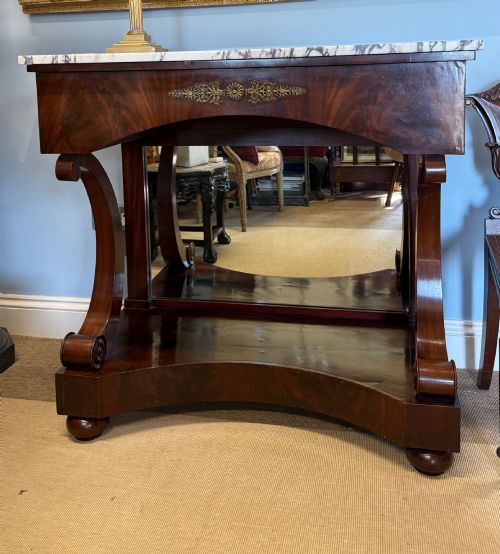
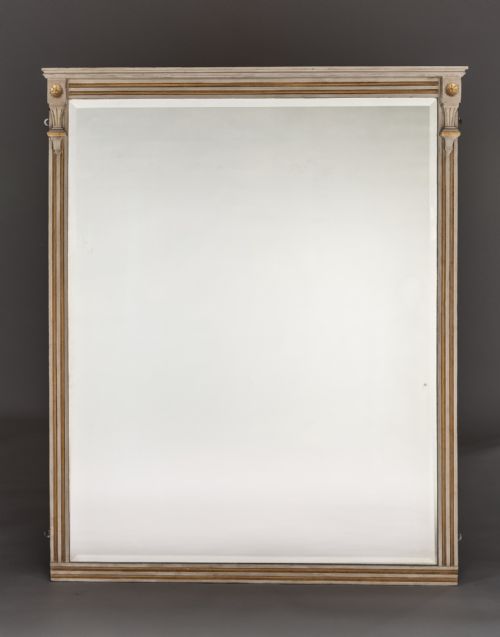

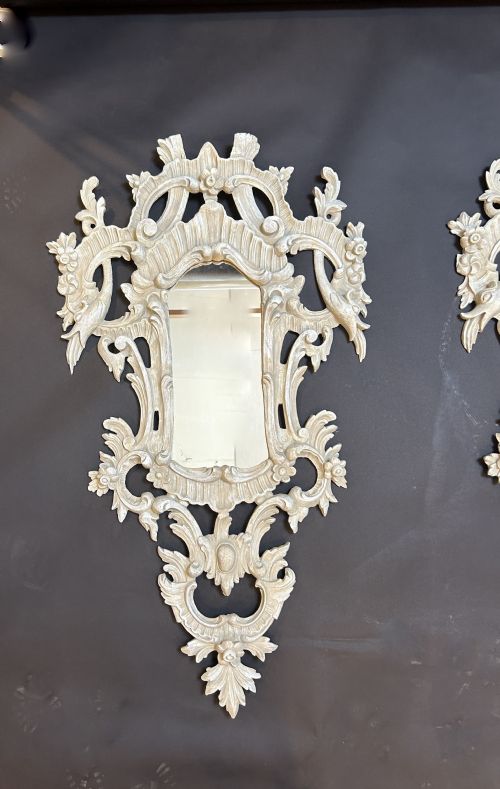
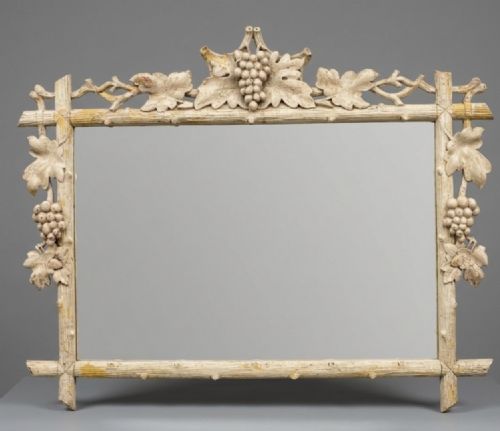



White Carved Mirror
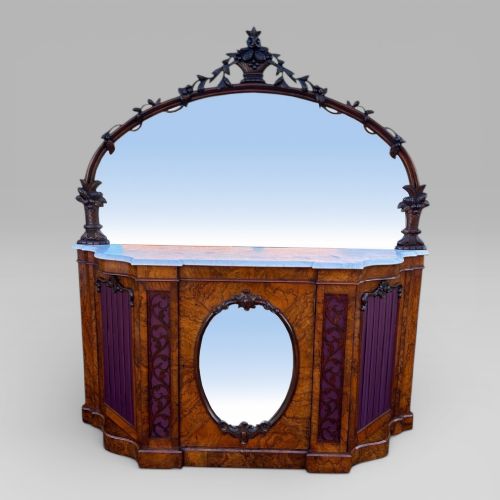
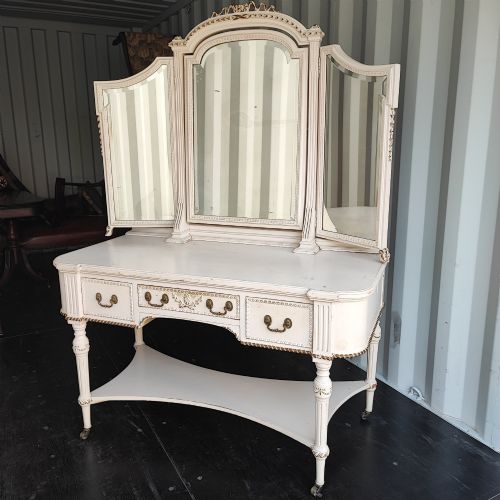
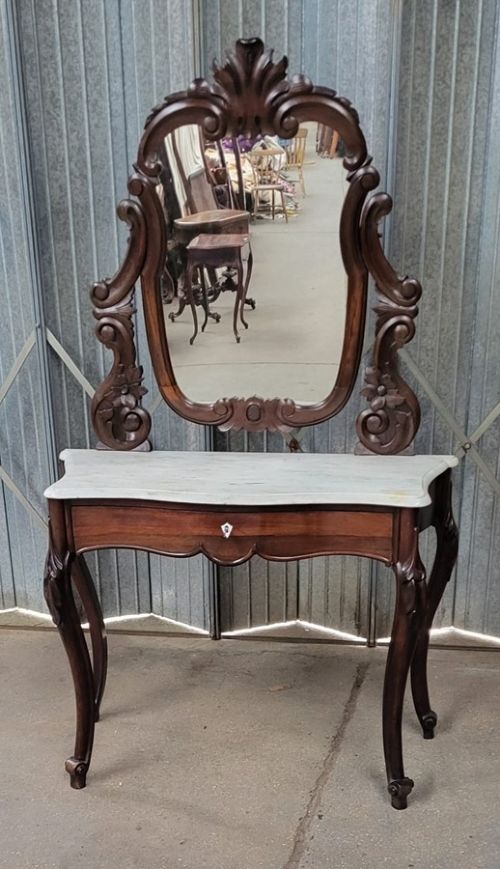
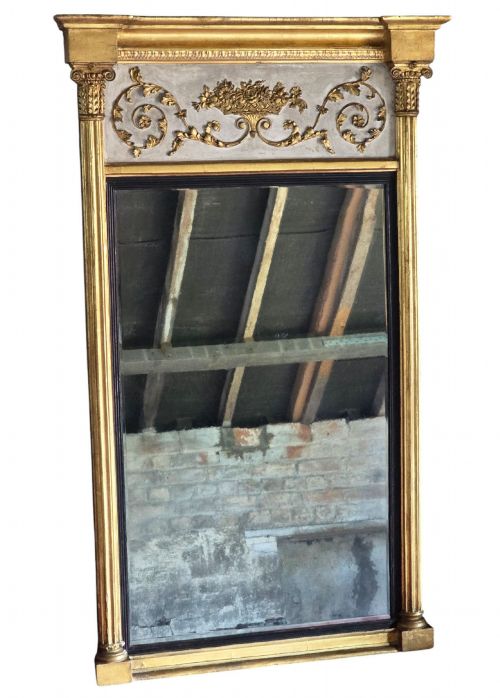
These white carved mirror pieces combine painted wooden frames with historical form, offering reflective depth and period character to an interior.
White Carved Mirror
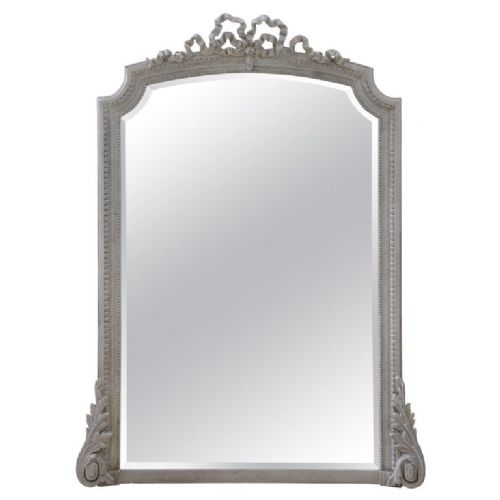
A white carved mirror brings together traditional carved wooden frames and painted or gilt surfaces, spanning French, Italian, and English aesthetic traditions. When searching for a white carved mirror, buyers encounter grand overmantel pieces, vertical wall mirrors, and trumeau designs originating primarily from the nineteenth century. These objects function as architectural focal points, often incorporating arched tops, gesso mouldings, and parcel-gilt detailing.
The selection ranges from robust Victorian overmantels to continental styles like French Rococo Revival and Neoclassical forms. Many examples display original distressed white paint finishes combined with gold or silver leaf highlights underneath. Overmantel mirrors dominate the listings, traditionally designed to sit above a fireplace mantel, while smaller wall mirrors offer versatility for hallways and principal rooms.
Materials and construction methods
Makers constructed the structural frames using timber such as pine, oak, walnut, or mahogany, often applying a layer of gesso to create smooth surfaces for carving and gilding. Gesso, a mixture of plaster of Paris or chalk with glue binder, allowed artisans to model intricate relief ornamentation, scrolls, and floral motifs before applying paint.
Finishing techniques involved coating the carved and gessoed wooden frames in white or cream paint, frequently distressed or layered with metallic leaf details like gold and parcel-gilt. Mirror glass was then fitted into the rebate, held securely behind the frame, with older pieces often retaining their original silvered plate glass.
White Carved Mirror Retail Price Guide 2026
Typical asking prices for white carved mirror among the pieces listed under this phrase on Sellingantiques today, from the lower quarter to the upper quarter. They describe what is for sale here now, not the wider market.
The listings feature white carved mirror examples spanning the Victorian and Edwardian eras, constructed from painted wood, gesso, and mirror glass.
Distinguishing quality in period frames
Quality rests in the depth and crispness of the hand-carved wooden details and the integrity of the underlying gesso ornamentation. Superior examples display sharply defined relief work where the gesso has not cracked away from the timber frame, maintaining balanced proportions across large overmantel formats.
The character of the painted surface also dictates the standing of a piece, with original unstripped paintwork and authentic period distressing holding higher regard than later repainting. Original mirror glass, showing appropriate foxing or age spots, adds integrity to the piece compared to modern replacement plates.
The White Carved Mirror Glossary
- Gesso
- A prepared mixture of chalk, gypsum, and size used as a base for moulding and gilding on wooden frames. It provides the smooth white surface beneath paint or metal leaf.
- Parcel-gilt
- A decorative technique where portions of an object are selectively gilded with gold leaf while other areas remain painted or exposed. This highlights specific carved details on the frame.
- Trumeau
- A decorative wall mirror featuring an upper panel painted or carved in relief, integrated into interior architectural panelling. These originate frequently from French design traditions.
- Overmantel mirror
- A large horizontal mirror specifically scaled to hang above a fireplace mantelpiece. They often feature arched or shaped crestings to match room proportions.
- Foxing
- The natural age-related oxidation of mirror glass that produces dark spots or speckled discolouration. Collectors view this as an indicator of authenticity in antique glass.
White Carved Mirror: Frequently Asked Questions
Where should I hang an overmantel mirror?
An overmantel mirror traditionally sits directly above a fireplace mantelpiece, anchored securely to the wall to support its substantial weight. This placement reflects light around the room and creates a balanced focal point.
Alternatively, these large formats work effectively mounted low against a wall above a console table or sideboard. Ensure the fixings match the weight of the timber and gesso frame.
How do I clean an antique white painted frame?
Dust the carved wooden and gesso surfaces gently using a soft, dry brush to avoid disturbing fragile paint layers or historic distressing. Avoid liquid cleaners and harsh chemicals which can strip original finishes.
For the mirror glass, apply a mild glass cleaner to a cloth rather than spraying directly onto the surface. This prevents moisture from seeping behind the frame and damaging the backing.
Are these mirrors heavy to hang?
Period frames built with solid wood, thick gesso, and heavy glass possess considerable weight that requires robust wall fixings. Professional installation into brickwork or wall studs is strongly recommended for large overmantel designs.
Check the stability of the wooden joints and the security of the hanging wire or brackets before mounting the piece. Safety D-rings screwed directly into the frame timber offer the most secure support.
How can I tell if the paint is original?
Original paint finishes show natural craquelure, subtle fading, and wear patterns consistent with age and environmental exposure. Under magnification, layers of historic preparation and pigment reveal themselves beneath the surface.
Modern repainting often appears uniform across the entire carving, lacking the nuanced depth and wear accumulated over decades. Examining the recessed areas of the gesso carvings helps determine whether the finish is historic.