


White Bureau
White antique bureau pieces are painted writing desks and storage furniture carrying centuries of character into modern rooms.
White Bureau
White antique bureau items span functional writing desks and related painted storage forms across several centuries. The selection here brings together pieces from the eighteenth, nineteenth, and early twentieth centuries, showing how different European regions handled painted finishes on practical furniture.
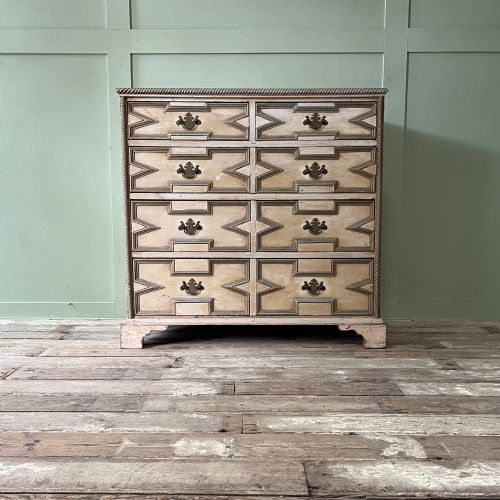
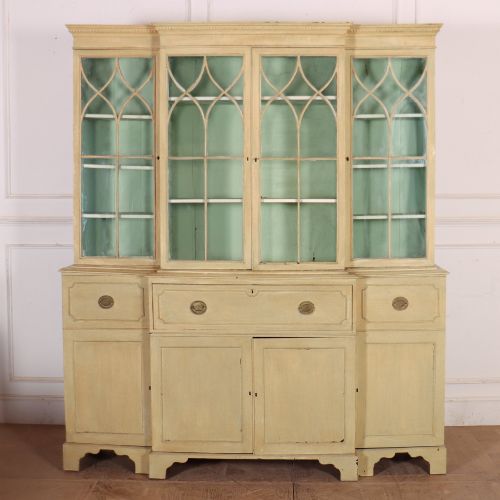
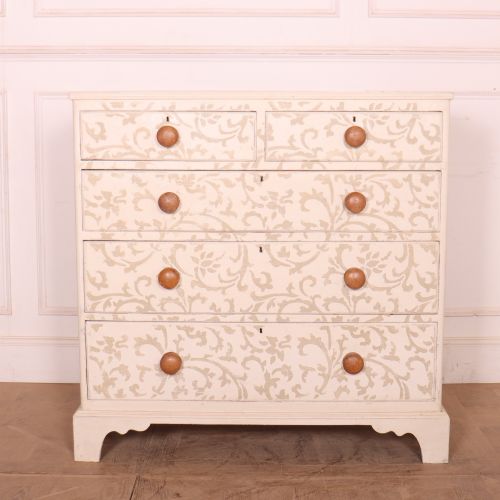
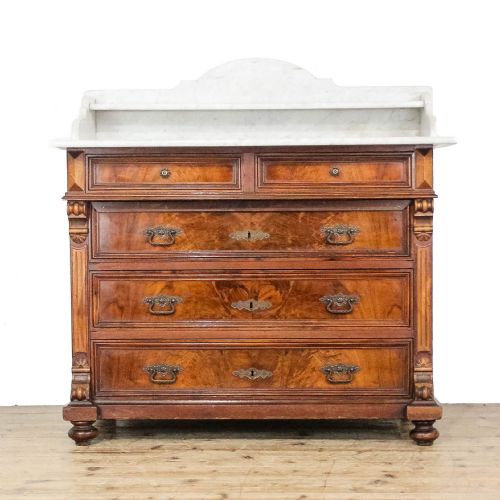
Buyers searching for white antique bureau forms will encounter painted chests of drawers, bureau bookcases, and secretaire bookcases rather than standard brown wood furniture. These items range from Scandinavian country pieces to English and Dutch examples, often finished in pale or painted wooden surfaces.
The objects combine domestic storage with writing spaces or display sections, reflecting the practical needs of past households. Regional traditions dictate the proportions and decorative details, from Georgian lines to Scandinavian country simplicity.
How they were made
Makers constructed these pieces using solid timber such as pine and walnut, applying paint directly to the wooden surfaces. Brass fittings and glass elements appear alongside marble tops on specific continental pieces, adding structural contrast to the primary wooden frames.
Surface decoration relies on painted finishes applied over timber substrates, often showing layers built up through regional craft traditions. Carpenters joined structural elements using period techniques suited to the particular style, whether Dutch Baroque, Georgian, or Scandinavian country.
Listings feature pine, walnut, timber, brass, glass, and painted wood across pieces spanning the eighteenth, nineteenth, and early twentieth centuries.
What varies in quality
Quality rests in the harmony of the proportions, the integrity of the original timber construction, and the character of the painted surface. Pieces that retain their early painted finishes without heavy modern intervention hold greater interest for collectors.
Hardware such as brass handles and the fit of drawers and fall-front writing flaps indicate the standard of original workmanship. The sophistication of regional joinery, from simple pine country chests to elaborate Dutch bombé forms, marks the distinction between everyday utility and finer workshop production.
Sir Clough Williams Ellis
The White Bureau Glossary
- Bureau
- A writing desk with a sloping flap that opens to reveal internal compartments and pigeonholes. These pieces often sit atop a chest of drawers.
- Secretaire
- A piece of furniture containing a drawer or compartment that pulls out or folds down to form a writing surface. They frequently combine with bookcases.
- Bombe
- A swollen or bulging contour characteristic of certain continental furniture forms, particularly commodes and chests. This curved profile requires advanced woodworking skill.
- Commode
- A low chest of drawers, often of continental origin, standing on legs or feet. The term covers various decorative storage chests from the eighteenth and nineteenth centuries.
White Bureau: Frequently Asked Questions
What is a white antique bureau?
A white antique bureau is a period writing desk or related storage furniture finished in paint, dating from earlier centuries. These pieces combine a sloping writing flap with drawers or shelves.
They reflect the practical domestic requirements of past eras while offering distinct decorative presence through their painted wooden surfaces.
How do I date these pieces?
Dating relies on examining the construction methods, timber types, and overall style characteristics associated with periods like the eighteenth or nineteenth century. Regional traits and decorative details provide further clues to the era of manufacture.
Paint analysis and hardware examination also help establish the chronological context of the item.
Where were these items made?
The pieces originate from various European regions, including England, Denmark, Sweden, and the Netherlands. Each area developed distinct cabinetmaking and painting traditions.
These local methods influenced the choice of woods, such as pine or walnut, and the style of decoration.
How do I care for painted antique furniture?
Care involves keeping the furniture away from direct sunlight and fluctuating humidity to protect the aged wood and painted surfaces. Gentle dusting with a dry cloth preserves the finish without causing abrasion.
Avoiding harsh chemical cleaners ensures the historic surface layers remain intact.