


Painted Writing Slope
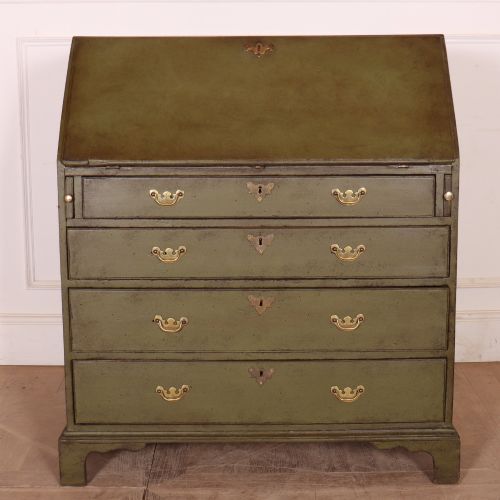
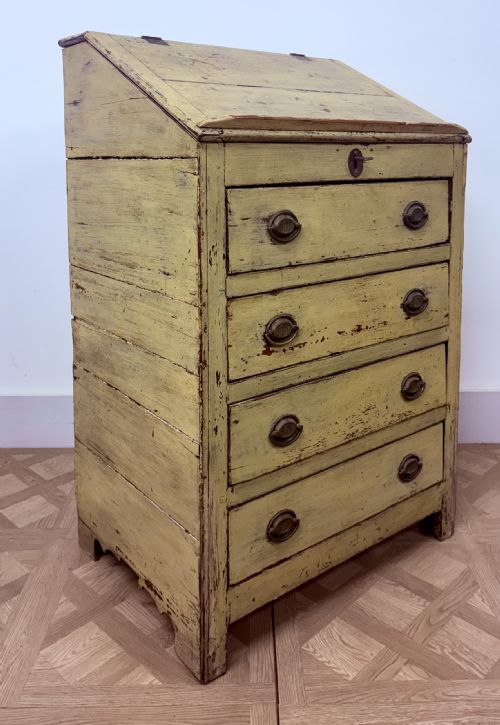
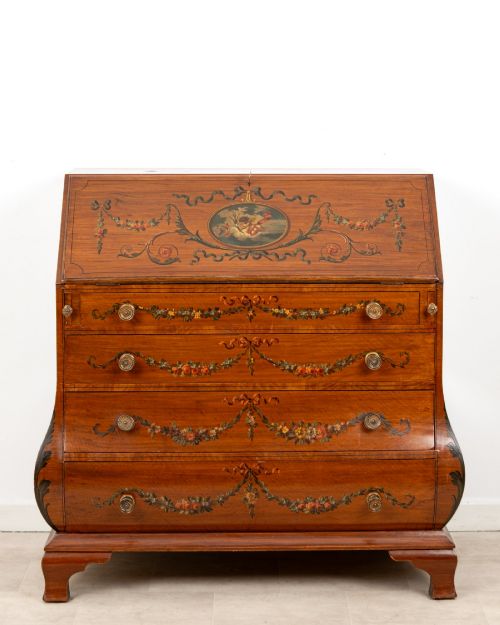
A painted writing slope brings functional surface work into domestic spaces through surface decoration and hinged timber construction.
Painted Writing Slope
When you search for a painted writing slope, you encounter portable boxes, table top desks, and larger bureau forms designed for correspondence and storage. These pieces combine timber construction with surface decoration, ranging from simple folk art schemes to fine Edwardian satinwood and porcelain insets.
The selection on this page spans Georgian, Victorian, and Edwardian periods, alongside 18th-century English items and mid-19th-century Swedish pieces. You will find variations from provincial pine and painted wood to burr walnut and mahogany frameworks.
Desks, bureau bookcases, stationery cabinets, and desk sets appear alongside traditional slopes. These objects reflect both country utility and formal aesthetic movement tastes.
Materials and construction methods
Pine, walnut, mahogany, and satinwood form the primary structural timbers for these pieces, often paired with secondary woods like oak or deal. Artisans applied hand-painted finishes directly to the timber or incorporated decorative elements such as porcelain plaques and gilt metalwork.
Fitted interiors utilise small drawers, pigeonholes, and leather writing surfaces inset into folding lids. Brass hinges, escutcheons, and carrying handles provide functional durability for portable boxes and larger desk chests.
Periods represented span the 18th century, Georgian era, Victorian period, and Edwardian 1900s, alongside 19th-century Scandinavian folk art.
Evaluating quality and execution
Quality reveals itself in the finesse of the hand-painted decoration and the selection of cabinet timbers like burr walnut or satinwood. Superior examples feature well-balanced proportions and intact original painted surfaces rather than later embellishments.
The integrity of internal fittings, such as secret drawers and original leather inserts, distinguishes finer pieces from utilitarian items. Construction details like dovetailed drawer joints and heavy brass hardware also indicate higher standards of workshop production.
The Painted Writing Slope Glossary
- Writing slope
- A portable or table-top box with a sloping lid that opens to reveal a writing surface and storage compartments. This form was essential for correspondence before the widespread use of flat-topped desks.
- Bureau
- A desk featuring a sloping flap that drops down to form a writing surface over a bank of drawers. Georgian and 18th-century examples often combine this form with bookcase tops.
- Stationery box
- A tabletop container designed to hold writing paper, envelopes, and inkwells. Victorian versions frequently incorporate painted porcelain panels and gilt mounts.
- Aesthetic Movement
- A late 19th-century style emphasising visual beauty over narrative content, often drawing inspiration from Japanese design. Pieces from this period display refined painted details and rich timber grains.
Painted Writing Slope: Frequently Asked Questions
What is a painted writing slope?
A painted writing slope is a portable or stationary desk featuring a hinged, sloped lid designed for handwriting. These objects range from simple pine boxes to elaborate Victorian and Edwardian pieces adorned with hand-painted motifs.
Surface decoration distinguishes these pieces from standard timber desks. They combine practical storage for paper and ink with decorative finishes suited to period interiors.
How were these desks used?
Owners used these slopes for writing letters, managing household accounts, and storing personal documents. The angled lid provided a comfortable reading and writing plane.
Portable versions allowed users to move their writing materials between rooms or take them on travels. Fitted interiors kept stationery, pens, and inkwells organised securely.
Where were these pieces made?
The pieces originate from English, French, and Scandinavian workshops across the 18th and 19th centuries. Regional styles range from English country pine to Swedish folk art and French porcelain-inset desk sets.
Local timber availability and prevailing decorative fashions influenced the construction and painted schemes of each region.
How do I date a painted desk?
Dating relies on timber selection, construction methods, and stylistic markers such as the restrained elegance of Georgian work or the decorative porcelain of mid-Victorian items. Secondary woods and hardware also provide chronological clues.
Painted decoration reflects the artistic tastes of its specific era, from 18th-century folk motifs to Edwardian satinwood refinement.